Catch up on the essentials
- Caterpillar’s shares fell about 30% over a month despite the company reporting record quarterly sales and a $78 billion order backlog.
- Caterpillar also issued guidance for only “moderate” fourth-quarter sales growth, alongside an estimated dealer inventory reduction of about $1.6 billion that could create a near-term shipment headwind.
- The lead analysis highlighted the durability of that margin as a key uncertainty, while another report said manufacturing investments and other costs could weigh on future profitability.
Selected from this article · 2026-11-09
Read on for the full pictureRecord results meet investor concerns
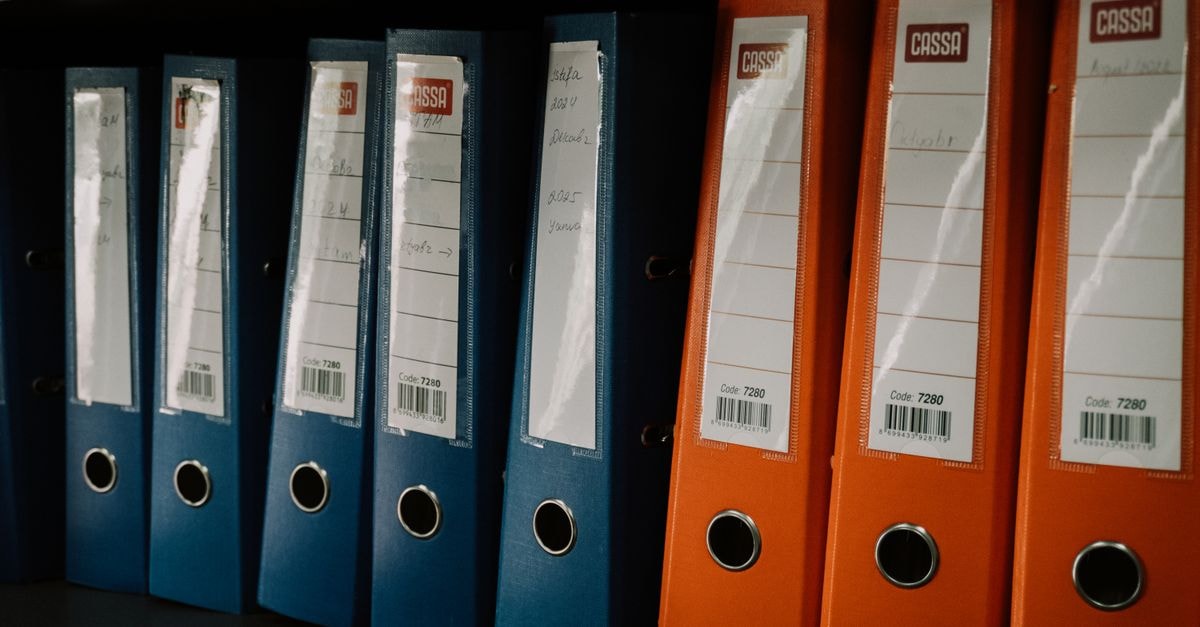
Caterpillar’s shares fell about 30% over a month despite the company reporting record quarterly sales and a $78 billion order backlog. The company said on October 29 that third-quarter sales rose 17% year over year to a record $20.7 billion, while diluted per-share profit increased 46%. The stock fell 9% that day and was down roughly 10% for the week, according to the lead coverage.
The backlog and earnings figures did not prevent investors from reassessing Caterpillar’s outlook. One analysis said the stock’s decline reflected concern that the valuation had compressed as growth expectations were revised lower. Another reported that the shares fell 10.3% over the past week, closing at $558.63 on November 6, down from $622.75 on October 30.
Sales growth slowed from the prior quarter
Third-quarter revenue growth of 17% was below the 24% recorded in the preceding quarter. Caterpillar also issued guidance for only “moderate” fourth-quarter sales growth, alongside an estimated dealer inventory reduction of about $1.6 billion that could create a near-term shipment headwind.
Power generation remained a major source of strength, with data-center power-generation sales rising 30% year over year. One review characterized Caterpillar as having benefited from the market’s view of it as an “AI power” supplier, while noting that this positioning had been a factor in its previous valuation.
Margin durability remains in focus
Caterpillar’s third-quarter adjusted operating margin was 20.6%. The lead analysis highlighted the durability of that margin as a key uncertainty, while another report said manufacturing investments and other costs could weigh on future profitability. Operating profit also benefited from $128 million in tariff-related recoveries.
CEO Joe Creed described the company’s position against progressively higher margin targets as “skipping along the bottom.” Management also cited a roughly $1 billion volume headwind and a sequential margin decline tied to capacity expansion. Plans to triple large-engine production capacity by 2030 were cited as part of the investment context.
Backlog provides visibility, not guaranteed earnings
The $78 billion backlog reflects orders received but not yet delivered or recognized as revenue. Its size supports forward production visibility, but the reviewed coverage did not provide a detailed account of the equipment mix, expected pricing or the pace at which orders would convert into earnings.
One lead analysis cited a 58% backlog conversion rate as an uncertainty. Other coverage noted that a large backlog does not ensure profitability or smooth margins because costs, pricing and delivery schedules can change. These explanations frame the market debate but do not establish that any single factor caused the share-price decline.
Valuation and forecasts were reassessed
After the selloff, Caterpillar traded at roughly 22 times trailing earnings in one analysis. Another report calculated a multiple of approximately 17.4 times projected 2027 earnings, using a November 6 closing price near $559 and a November 2 consensus normalized EPS estimate of $32.15. These measures use different bases and are not directly equivalent.
Several investment banks reduced price targets following earnings. Citi lowered its target to $800, while Morgan Stanley set a $675 target, according to the coverage. The broader investment question remained whether expected earnings growth would justify the valuation after Caterpillar’s share price fell from a 52-week high near $1,073 to slightly above $550.
Industry demand remained strong
Separate industry results showed continued demand for power infrastructure. GE Vernova reported quarterly orders of about $29 billion, up 96% organically, while Vertiv raised full-year sales guidance by $650 million after quarterly revenue grew 61%. Those company-specific results provided industry context but do not establish Caterpillar’s own order conversion or future earnings.
Share this article