Catch up on the essentials
- Chevron and ExxonMobil both reported third-quarter profit above analyst expectations, with unusually strong refining margins offsetting the sector’s historically smaller downstream contribution.
- Chevron reported adjusted third-quarter earnings of $5.28 per share, above the $4.88 analyst estimate, and adjusted earnings of $10.4 billion versus $3.6 billion in the prior-year period.
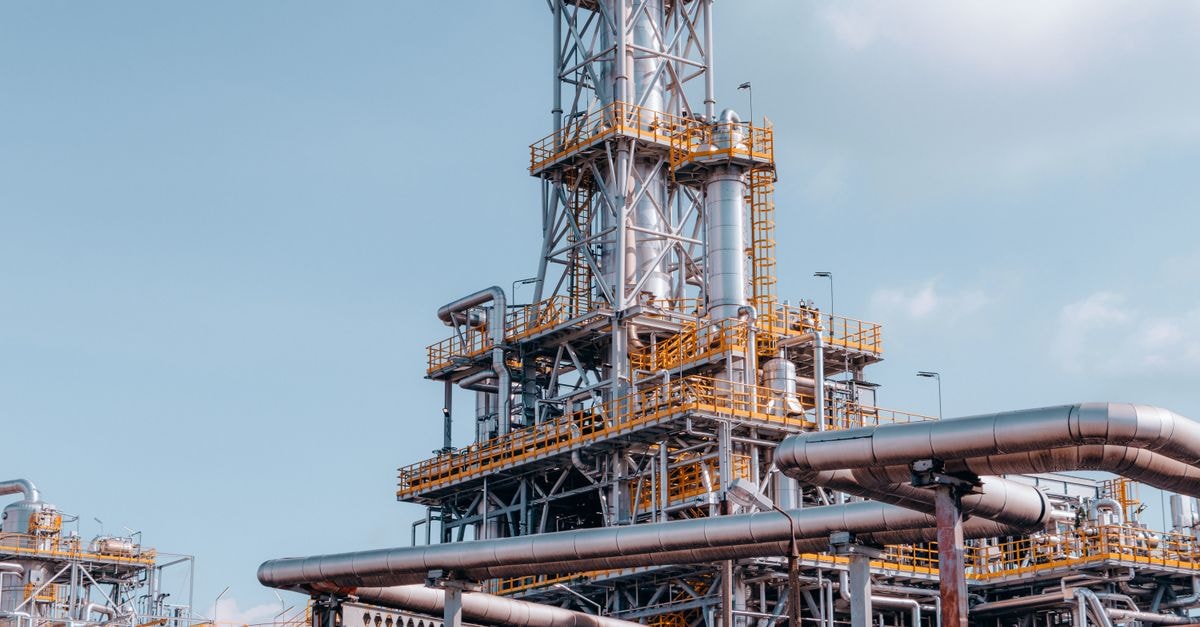
- Chevron has opportunities to improve efficiency at its US Gulf refineries and could increase capacity by 7% at its Pascagoula refinery in Mississippi by the end of the decade, Bonner told Reuters.
Selected from this article · 2026-10-30
Read on for the full pictureRefining margins drove the earnings beat

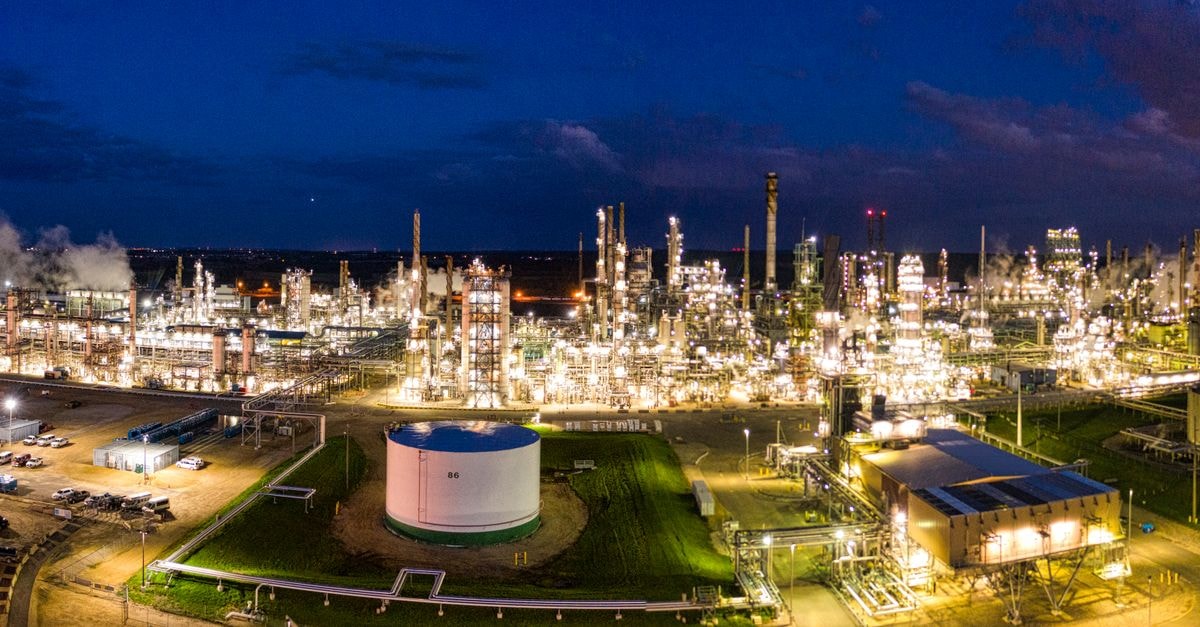
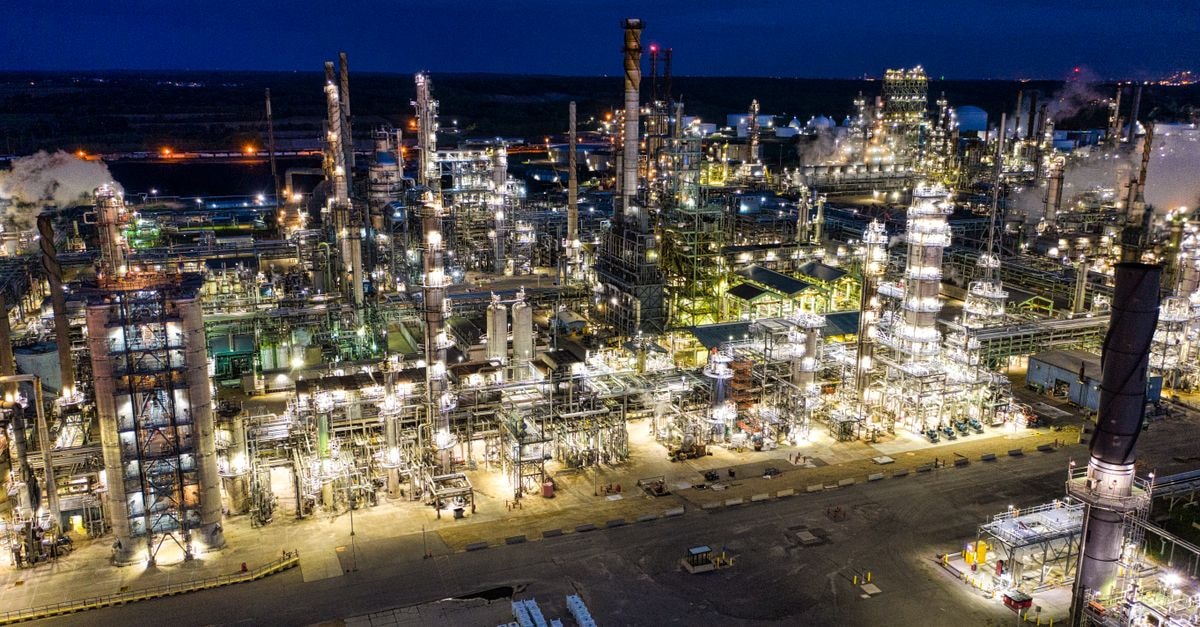
Chevron and ExxonMobil both reported third-quarter profit above analyst expectations, with unusually strong refining margins offsetting the sector’s historically smaller downstream contribution. Reuters reported that Chevron’s third-quarter downstream earnings reached their highest level in at least six years, while Exxon earned more from refining than upstream for the first time in at least that period.
The gains followed disruptions to global fuel-making capacity: the effective closure of the Strait of Hormuz and attacks on refineries in Saudi Arabia and Russia. As both companies ran their US refineries near full rates, higher margins for refined products helped their fuel businesses rival their upstream operations. The reviewed reporting does not quantify how much of either company’s total profit came from refining.
Chevron paired high throughput with stronger results
Chevron reported adjusted third-quarter earnings of $5.28 per share, above the $4.88 analyst estimate, and adjusted earnings of $10.4 billion versus $3.6 billion in the prior-year period. Revenue reached $67.8 billion, up 36% from $49.7 billion in the same quarter last year and above the $60.55 billion consensus estimate.
Operating performance supplied the clearest downstream evidence. Chevron’s US refineries achieved record crude throughput of 1.09 million barrels per day, with utilization near 98%, while downstream margins on refined-product sales increased significantly. Total net oil-equivalent production was 3,980 thousand barrels per day, down 3% year over year because of lower entitlements at higher prices and conflict-related impacts; that decline was partly offset by record production at operated assets in Australia and higher Gulf of America output.
The combination shows that Chevron’s quarter was not a simple expansion in oil output. Near-record refinery throughput and favorable product margins converted constrained global supply into stronger downstream earnings, even as total production declined.
Cash generation strengthened debt reduction
Chevron generated $16.0 billion in cash flow from operations and $12.0 billion in free cash flow during the quarter. It reduced total debt by $3.5 billion and reported an 18% return on capital employed. Reuters separately reported that Chevron had cut net debt by nearly $14 billion compared with the end of 2025.
CFO Eimear Bonner said the company needed a strong balance sheet through both high- and low-price environments, framing debt reduction as a priority through commodity cycles. Chevron also declared a quarterly dividend of $1.78 per share, payable on December 10, 2026. The results therefore combined unusually favorable refining economics with balance-sheet repair rather than a new buyback announcement.
Capacity efficiency extends beyond current earnings
Chevron has opportunities to improve efficiency at its US Gulf refineries and could increase capacity by 7% at its Pascagoula refinery in Mississippi by the end of the decade, Bonner told Reuters. That is a company expectation, not a completed capacity addition.
Exxon CFO Neil Hansen separately said the company was investing in refineries, including its Baytown complex in Texas, to increase fuel production and was using its trading operation to direct supplies globally. Exxon also reported adjusted third-quarter earnings of $4.23 per share, above Bloomberg’s $4.13 consensus estimate. Together, the disclosures point to greater downstream operating leverage while supply remains disrupted, although neither company disclosed a new procurement process or named equipment supplier in the reviewed reporting.
Volatility limits the earnings read-through
Brent’s spot price ranged from $68 to $132 per barrel during the third quarter, according to Bonner. That volatility, together with the conflict-driven disruption behind refining margins, means the current earnings surge should not be treated as a stable run rate.
The next measurable test is whether Chevron can sustain high refinery utilization and margins while progressing the stated Pascagoula efficiency and capacity opportunities. The reviewed reporting does not provide a dated schedule for verifying those capacity gains beyond Bonner’s end-of-decade expectation.
Industry and product implications
Industry / product | Disclosed fact | Demand interpretation | Verification signal | Main risk |
|---|---|---|---|---|
Fuel production capacity (downstream) | Chevron could increase capacity by 7% at its Pascagoula refinery in Mississippi by the end of the decade.; region: US Gulf refineries; Disclosed scope: Pascagoula refinery in Mississippi [2] | Research watchlist; planned. Efficiency improvements and potential capacity expansion could increase Chevron's fuel output. | A subsequent disclosure of completed Pascagoula capacity or efficiency improvements. | The end-of-decade expectation has no dated project schedule or disclosed equipment procurement in the reviewed reporting. |
Share this article