Catch up on the essentials
- The consumer-goods group said it plans to invest an additional €35 million to transform its Mumbai and Bengaluru R&D hubs into a next-generation research and innovation ecosystem, and separately invest €5 million over five years in a Bio-Futures partnership.
- Mumbai is planned to become a Product Innovation Center combining consumer insights, product and packaging design, AI-led research, rapid prototyping and scale-up.
- Across both centers, Unilever plans to use AI-powered insights, automated and collaborative robot-powered experimentation, predictive modeling and digital twins.
Selected from this article · 2026-11-05
Read on for the full pictureIndia plan centers on R&D integration
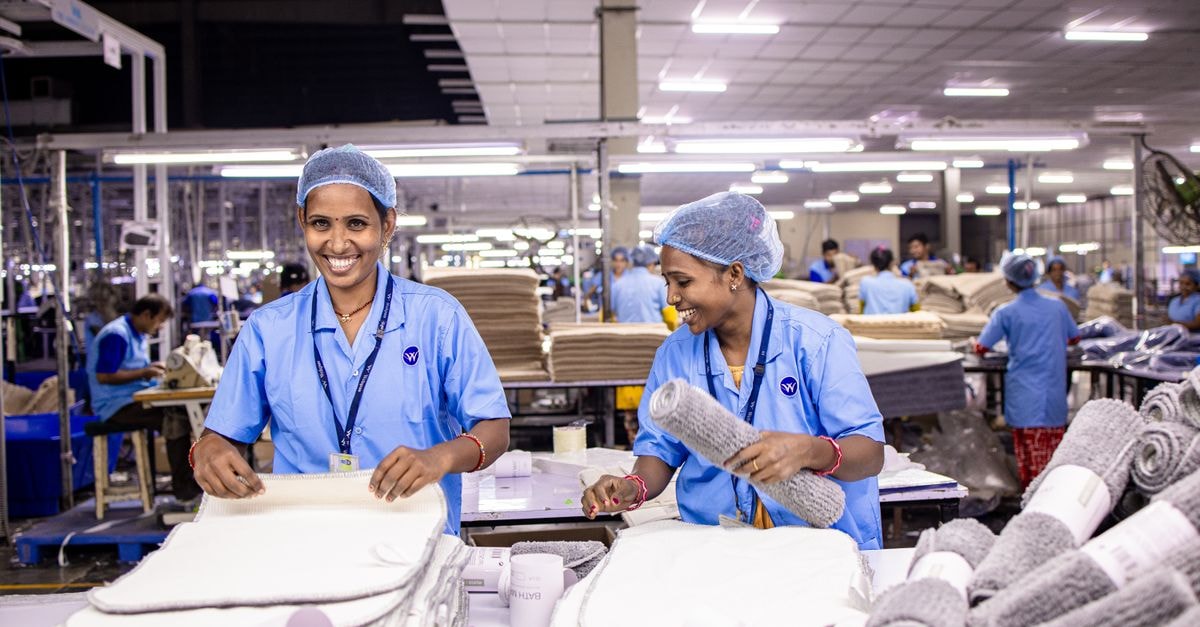
Unilever's plan points to a more connected Indian research model. The consumer-goods group said it plans to invest an additional €35 million to transform its Mumbai and Bengaluru R&D hubs into a next-generation research and innovation ecosystem, and separately invest €5 million over five years in a Bio-Futures partnership. Together, those planned commitments total €40 million. They build on more than €20 million of investment in India over the past five years, including the Liquids Lab of the Future, Unilever Fragrance House, Advanced Manufacturing Center for Bars, Packaging and Flexibles Design Lab, and AI and digital modeling platforms. The disclosed plan therefore extends an existing facility and capability base rather than starting from scratch.
Mumbai and Bengaluru split innovation roles
Mumbai is planned to become a Product Innovation Center combining consumer insights, product and packaging design, AI-led research, rapid prototyping and scale-up. Bengaluru is planned to become a Global Science, Technology and Partnership Hub, retaining a focus on foundational and applied science, digital and AI capability, India Foods R&D, and collaboration with academic institutions, startups and Unilever’s global network. The separation suggests an intended division between product development in Mumbai and science and external partnerships in Bengaluru, although the November 4 reports do not specify facility-level budgets, hiring targets or a delivery schedule.
Automation targets a faster development loop
Across both centers, Unilever plans to use AI-powered insights, automated and collaborative robot-powered experimentation, predictive modeling and digital twins. The stated mechanism is to connect scientific research with consumer insight, design, rapid prototyping and scale-up, thereby accelerating product development and commercialization. This remains an implementation ambition: the reporting does not provide deployment dates, adoption targets, development-cycle metrics or evidence of performance gains. The relevant verification is whether the tools are actually deployed in research and product workflows and whether Unilever later reports measurable development or commercialization effects.
Bio-Futures opens a partnership-led route
The separate €5 million Bio-Futures program is intended to connect Unilever’s global R&D network with Indian scientific institutions, startups and biotechnology infrastructure. Its stated fields are human biology, microbiome science, biotechnology, biomanufacturing and digital and AI-enabled biology. Hindustan Unilever Managing Director and CEO Priya Nair framed the move as confidence in India’s scientific talent and innovation ecosystem, while Chief R&D Officer Richard Slater said the partnership could accelerate Bio-Futures innovation in India and globally.
For external research, technology and infrastructure providers, this is a potential-demand signal, not confirmed procurement. The reports name no participating institutions or startups and disclose no tender, supplier award, purchase order or installation timetable. The €5 million should therefore be read as a partnership funding envelope, not as cash already distributed to identified recipients.
Returns depend on execution disclosure
Unilever describes India as one of its largest global R&D hubs, with more than 800 scientists, researchers, digital specialists and designers across Mumbai and Bengaluru. Financially, Unilever is the disclosed funding party for both commitments; the immediate destination is its own R&D operations and the Bio-Futures program, not a named external cash recipient. The strategic intent is clear, but returns on the new spending are not yet measurable from the announcements. The next observable milestone is a company disclosure showing that the hub upgrades, digital tools and Bio-Futures program have entered implementation, with evidence of partners, research activity or product-development outputs. Until then, India’s role in Unilever’s innovation network is expanding on paper, while operational performance and external supplier demand remain unverified.
Industry and product implications
Industry / product | Disclosed fact | Demand interpretation | Verification signal | Main risk |
|---|---|---|---|---|
Product Innovation Center | Unilever plans to develop its Mumbai facility into a product innovation center focused on consumer insights, product and packaging design, AI-led research, faster prototyping and scale-up capabilities. [1] | Qualified inference; planned. Integrating consumer insight, design, AI research, prototyping and scale-up is intended to accelerate product development. | A later Unilever disclosure showing facility development and use of these capabilities in product workflows. | No completion date, facility-level budget split or supplier award was disclosed. |
Global Science, Technology and Partnership Hub | Unilever plans to evolve its Bengaluru center into a global science, technology and partnership hub focused on foundational and applied science, digital and AI capabilities, India Foods R&D and external collaborations. [2] | Qualified inference; planned. Combining scientific research, digital capabilities and collaborations with institutions and startups is intended to expand Unilever's research network. | A subsequent disclosure of hub development, collaborations and research outputs. | No completion schedule, named collaborators or supplier award was disclosed. |
AI, automation, predictive modeling and digital twins | Unilever plans to use AI-powered experimentation, automation, predictive modeling and digital twins across both centers. [2] | Qualified inference; planned. The tools are intended to connect research steps and accelerate product development and commercialization. | A subsequent disclosure showing deployment and use of the tools across the two centers. | No deployment timetable, adoption target or productivity metric was disclosed. |
Bio-Futures partnership | Unilever plans to invest €5 million over five years in a Bio-Futures partnership in India connecting its global R&D network with domestic scientific institutions, startups and biotechnology infrastructure. [1] | Qualified inference; planned. The partnership is intended to connect research networks and biotechnology infrastructure for bio-futures work. | A later disclosure of participating organizations, funded activities or research outputs. | No named participants, tender, supplier award or detailed spending schedule was disclosed. |
PLACES IN THIS STORY
Explore the destinations behind this report
India
Bengaluru
Browse travel guides, places to stay, attractions and local food in Bengaluru.
Explore Bengaluru →Bengaluru travel guide: a thoughtful city compassShare this article