01Rune Factory: Guardians of Azuma offers village building and seasonal restoration for creative decorators who want a lighter farming loop

STEAM DEAL · 45% OFF
Rune Factory: Guardians of Azuma
If you want expressive village building, a vibrant Japanese-inspired setting, and a story you can coast through on a 45% discount, Guardians of Azuma is a reasonable pick. Long-time Rune Factory fans who want deep crafting and hand-managed farms should temper expectations before paying full price.
Game highlights
Village Building Replaces Hand-Run Farms
Official materials and reviewers describe a shift away from the traditional tool-based farm. Players assign villagers to handle crops, shops, mining, and chopping, then decorate layouts to raise village level for stat bonuses. Several reviewers note that once automation kicks in, there is little reason to do the fieldwork yourself, which works as a creative outlet but removes the classic farm routine.
Earth Dancer Combat and Weapons
According to the store description, you wield Bow and Talisman weapons as an Earth Dancer, using dance and sacred treasures to purify corrupted ground and monsters. Reviewers describe combat as button-mash friendly with occasional dodging rather than a skill-heavy action loop, so depth depends on how much you lean into weapon types and skill trees rather than precise mechanics.
Seasonal Japanese Setting and Romance
The game ships with a fully voiced Japanese-inspired cast, selectable male or female protagonists, and eligible romance candidates whose bonds carry into battle. Multiple reviewers highlight the soundtrack, festival styling, and character design as the strongest atmosphere the series has produced, which suits players who play for set dressing and relationship scenes.
Optional Systems and Respect for Player Time
Official copy and reviewers stress that farming, fishing, and gathering can be delegated to villagers, letting you focus on combat, exploration, or social content. Several players appreciated not being forced into loops they dislike, though others feel that optionality strips purpose from systems that used to drive progression.
Story-Led Campaign With DLC Hooks
The Celestial Collapse plot drives you through restoring villages and reviving nature gods as you clear the Blight. Reviewers warn that post-game content, including the endgame dungeon, is gated behind marriage and parenthood requirements, and some characters sit behind paid DLC, which can disrupt the otherwise generous package.
What players are saying
What keeps coming up positively
- Village building and decoration feel expressive, with stat bonuses and passive income rewarding thoughtful layouts
- Story, character writing, voice acting, and Japanese-inspired festival presentation are widely praised as the series' most polished
- Assigning villagers to handle farming and chores lets players skip loops they dislike and focus on combat or romance
- Skill trees, divine relics, and weapon variety give combat more texture than earlier button-mash complaints suggested
Where the friction shows
- Crafting, tool upgrades, and dungeon loot feel simplified, removing the long-term progression that hooked series veterans
- Combat stays shallow against groups, with limited blocking or parry options and repeated encounter design across biomes
- Endgame gates like marriage, parenthood requirements, and character DLC frustrate completion-focused players
- Heavy dialogue repetition, automated farming, and a lack of meaningful farming depth leave some players feeling every system is optional
Is it worth buying?
At $32.99 against a $59.99 regular price, the 45% discount brings it close to impulse territory for anyone curious about a story-driven life sim with strong presentation. Wait for a deeper sale if you specifically want the crafting depth, randomized dungeon loot, or hand-managed farm loop that earlier Rune Factory entries delivered.
Price checked 2026-09-03:$32.99,down from $59.99(45% off)。Player-fit tags
Good fit
- Players who enjoy decorating villages, placing buildings, and tuning layouts for bonuses
- Story-first players who want voiced character arcs and Japanese-inspired festival set pieces
- Players who prefer delegating chores to NPCs and focusing on combat, exploration, or romance
- Series fans who prioritize atmosphere, music, and character design over mechanical depth
Probably not for you
- Series veterans looking for the deep crafting, tool upgrades, and randomized dungeon chests of earlier entries
- Players who want hand-managed farming, pickleaxe and watering can progression, or field monsters to raise
- Action-focused players expecting blocking, parries, or varied enemy encounters beyond basic dodging
- Completionists who dislike endgame marriage and parenthood gates or post-launch character DLC
- Anyone sensitive to heavy dialogue repetition and heavily automated loops that reduce manual farming
02House Flipper 2: Co-op sandbox renovation sim for friends who love decorating and building dream interiors together
STEAM DEAL · 35% OFF
House Flipper 2
If you want a low-stakes renovation sandbox to share with friends, House Flipper 2 at 35% off is a comfortable pick, but anyone expecting deeper systems or a giant furniture catalog should temper expectations before buying.
Game highlights
Co-op renovation across Story and Sandbox
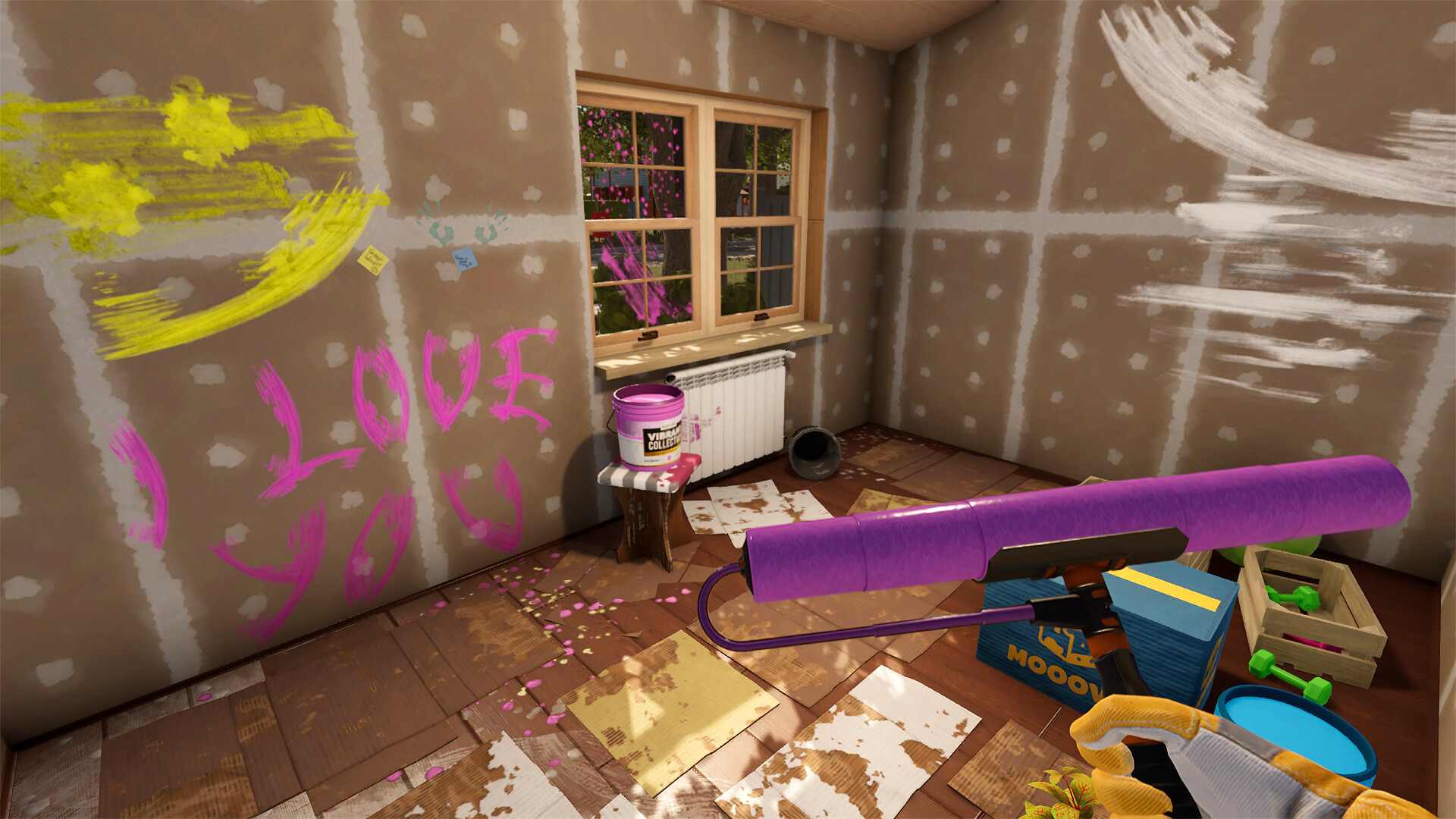
Official details confirm up to four players can team up online or via LAN in both Story and Sandbox modes, with cross-platform multiplayer support. Reviews repeatedly call out the co-op loop as the main reason the game stays engaging, whether demolishing rooms, building from scratch, or tackling quick clean-and-fix jobs side by side. Group play turns repetitive chores into shared comedy and helps the more grindy Story beats feel lighter.
Sandbox building from an empty lot
Sandbox Mode lets you construct a house from nothing rather than renovating an existing shell, and the dev tools support micro-rotation, lighting tweaks, clutter density, and temperature control. Players highlight how this expressiveness carries the game when Story content runs dry, especially for anyone who just wants to furnish a dream interior without pressure. It is the most repeatable loop once you have finished the curated Pinnacove jobs.
Story Mode set in Pinnacove
The campaign centers on the seaside town of Pinnacove, where neighbor Tom feeds you renovation jobs and quick contracts. Each job lives in its own pocket map, so finishing a flip means leaving that space behind. Reviews describe the writing and small details as charming, which softens the otherwise transactional buy-fix-sell loop.
Mod.io sharing for community creations
Official materials point to mod.io integration, letting players browse houses and designs from other Flippers and publish their own. That sharing layer is what keeps the sandbox feeling alive long after the built-in catalog runs thin, and it is the closest thing to the Steam Workshop support the first game offered.
Relaxed, controller-friendly presentation
The game ships with full controller support, Steam Cloud, save-anytime, and achievements, and is positioned as a Casual Indie Simulation. Reviews consistently describe it as a wind-down title that rewards short sessions of cleaning, painting, and tidying without timers or fail states in the core loop.
What players are saying
What keeps coming up positively
- The co-op loop keeps the game fun long after solo Story jobs feel repetitive
- Sandbox building tools with micro-rotation and lighting control feel expressive and creative
- A surprising amount of charm and heart in the Pinnacove writing and small details
- Relaxing, low-stakes pace that works well as a wind-down game with a controller
Where the friction shows
- The furniture catalog feels thin compared with the first game, limiting decoration variety
- The economy is shallow: money piles up quickly with few meaningful things to spend it on
- Each job is isolated, so once the Story houses are done there is little replayability
- Recent updates have introduced noticeable hitching and performance stutter for some players
Is it worth buying?
At $25.99 against a $39.99 regular price, this 35% discount takes some sting out of a game whose thin catalog and shallow economy draw frequent criticism. Worth considering if you specifically want a co-op renovation sandbox with friends, especially now that the online Co-op DLC is bundled. Solo buyers who already own the first game should probably wait for a deeper discount or a sale that bundles Story DLCs, since the upgrade feels modest.
Price checked 2026-09-03:$25.99,down from $39.99(35% off)。Player-fit tags
Good fit
- Gathering a small friend group to renovate and decorate houses together in co-op
- Winding down after work with short, low-pressure cleaning and decorating sessions
- Designing dream interiors in Sandbox Mode with granular rotation and lighting tools
- Browsing and publishing community-built houses through the mod.io integration
Probably not for you
- Players expecting the furniture variety and Steam Workshop depth of the original House Flipper
- Anyone looking for deep economic strategy or long-term progression systems
- Solo buyers who will burn through the small pool of Story houses quickly
- Players sensitive to hitching or performance stutter after recent patches
03Conan Exiles Enhanced – Worthwhile sandbox survival upgrade with deep building and expressive clan creation
STEAM DEAL · 50% OFF
Conan Exiles Enhanced
A solid pick if you enjoy long-form sandbox survival and group building; the Enhanced edition delivers a clean visual overhaul at half price, but expect a grind, always-online requirements, and a DLC shop that frustrates a chunk of buyers.
Game highlights
Free Unreal Engine 5 Visual Overhaul
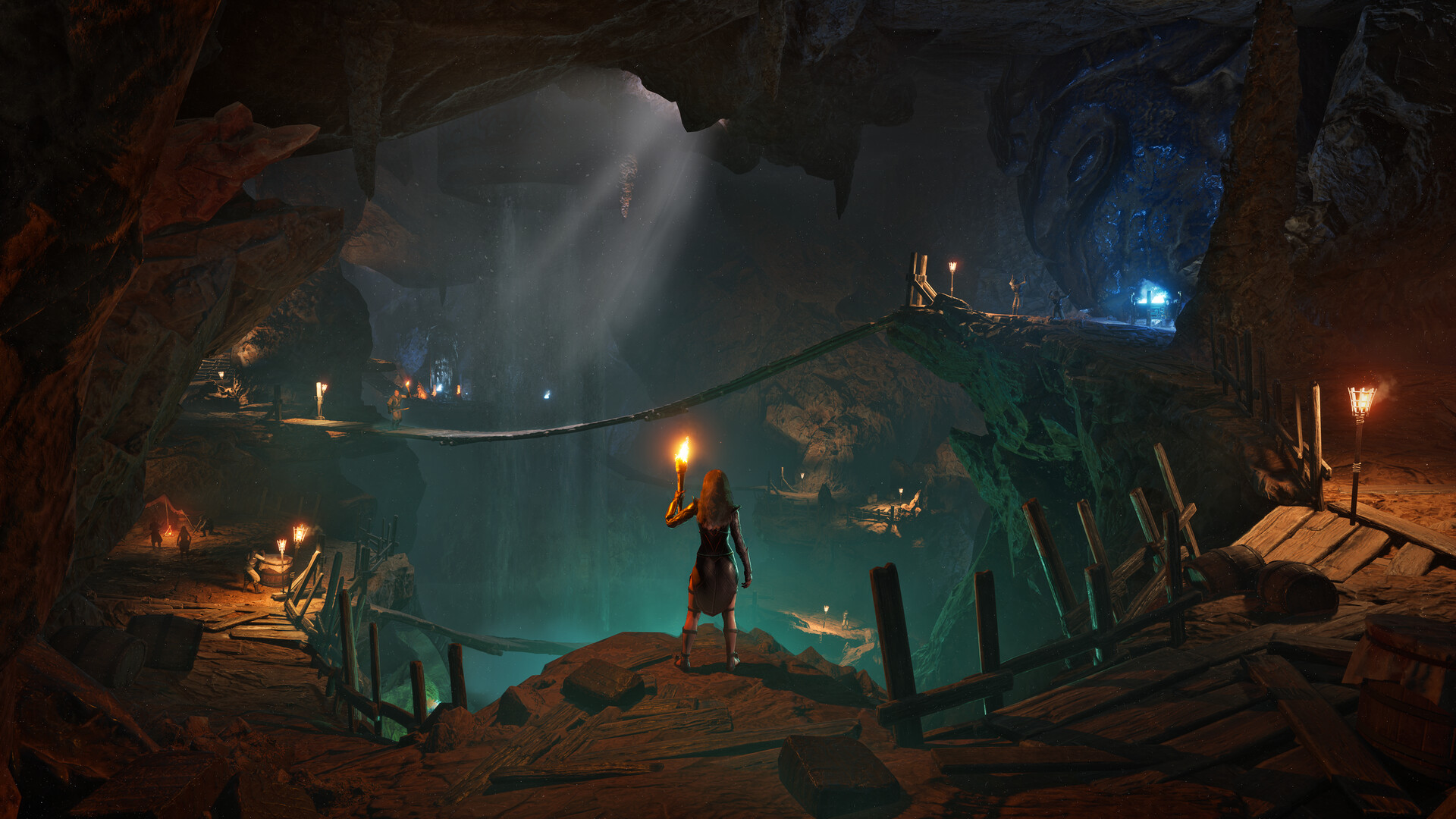
Conan Exiles Enhanced replaces the base game's engine with Unreal 5, lifting textures, lighting, environments, and effects while also raising performance targets to 60+ FPS on most PCs and improving Steam Deck play. The upgrade unifies eight years of content and connects The Exiled Lands with the Isle of Siptah into a single client. Players receive it as a free patch rather than a paid remaster, which several long-time reviewers explicitly praised in light of competitors charging full price for re-releases.
Deep, Expressive Building System
The official description emphasizes a building system that scales from a small home to entire cities constructed piece by piece, with elevators, traps, defenses, and placed crafting stations and furniture. Reviewers with thousands of hours repeatedly describe base-building and decoration as the main reason they keep returning, often pairing the base game with mods to remove placement limits. It is a builder-first sandbox as much as a survival game, which fits the player type that enjoys expressive building and decoration.
Sandbox Survival With Multiple Modes
Official modes cover single-player, online co-op, persistent public multiplayer, PvP, and privately hosted servers where you control progression speed, spawn rules, avatar settings, and other tools. Co-op mode exists for playing with a small group of friends, while RP and PvE servers have drawn long-running communities that welcome new players and trade builds. Full controller support and Steam Workshop modding extend the modes further for players who want to customize the rules.
Combat, Sorcery, and Avatar Sieges
Combat uses an action-oriented combo system with bows, daggers, swords, and axes, alongside a sorcery path where corrupting your character unlocks perks at the cost of life force. The siege loop involves crafting explosives, placing traps, recruiting thralls, and ultimately summoning towering god avatars to crush enemy walls and buildings. It is a deliberately brutal, blood-heavy experience with optional nudity, distinct from cozier survival sandboxes.
Thralls, Gods, and Long-Term Progression
Enslaving NPCs through the Wheel of Pain and assigning them as archers, fighters, crafters, or entertainers creates a persistent progression layer reviewers single out as a unique feature. Allying with one of four deities opens altar sacrifices and avatar control, while dungeon exploration across desert, swamp, and snow biomes feeds the gear treadmill. The breadth of systems is the game's main selling point, and it is what keeps long-haul players invested across years.
What players are saying
What keeps coming up positively
- Long-tenured reviewers with thousands of hours cite building, character creation, base decoration, and mod-friendly sandbox depth as the reason they keep returning.
- The free Enhanced visual overhaul is repeatedly highlighted as generous compared to other studios charging full remaster prices.
- Co-op and private server modes with welcoming PVE and roleplaying communities make group play easy to settle into.
Where the friction shows
- Several reports describe a mandatory always-online check that blocks single-player play, with login failures sometimes preventing access to local saves.
- Players complain about Bazaar pricing, limited-time rotating shop items that create FOMO pressure, and major updates breaking community mods.
- Open-world servers above roughly 20 players produce notable lag spikes and rubber-banding that interrupt combat and building.
Is it worth buying?
At 50 percent off, $19.99 against a $39.99 regular price, this is a fair entry point for sandbox-curious players, though long-term DLC purchases and optional shop spending can push the real cost higher. Solo players who prefer offline-only saves should weigh the always-online requirements before buying. Anyone allergic to grinding, server lag, or rotating cosmetic monetization should consider the full price point carefully even at a discount.
Price checked 2026-09-03:$19.99,down from $39.99(50% off)。Player-fit tags
Good fit
- Group sandbox builders who want expressive base construction with friends on private or roleplay servers.
- Long-haul survival players who enjoy thrall capture, gear progression, and modded replayability over hundreds of hours.
- PvE explorers who like dungeon crawling across desert, swamp, and snow biomes without forced PvP interaction.
- Creative decorators who pair official building tools with Steam Workshop mods to remove placement restrictions.
- Players who want a free Unreal 5 visual upgrade rather than paying full price for a remaster.
Probably not for you
- Solo offline-only players who need a true single-player mode without internet verification.
- Players sensitive to FOMO shop rotations and aggressive cosmetic monetization in the Bazaar.
- Those who avoid heavy gathering and gear-grinding loops in survival sandboxes.
04VEIN: a 3D Project Zomboid-style sandbox best with co-op friends building a fortified home together
STEAM DEAL · 33% OFF
VEIN
If you want a slow, detail-heavy zombie survival sandbox and have friends to play with, VEIN at $13.39 (down from $19.99) is worth considering; solo players should wait for content updates.
Game highlights
Co-op-first sandbox design
Official store copy frames the entire game around gathering, fortifying, and rebuilding with others, and Steam categories list Online Co-op, Online PvP, and Steam Cloud. Players repeatedly describe it as a 3D take on Project Zomboid that shines when two or more survivors coordinate scavenging runs. Solo play is fully supported, but the most enthusiastic reports come from groups building bases and driving vehicles together.
Deeply interactive world objects
The developer description explicitly states you can interact with nearly everything you can see, and reviews back this up: sinks fill with water, washers need detergent and power, cars have replaceable parts, AC, radios, dome lights, and roll away if you forget the parking brake. This kind of granular simulation is the main reason players say the world feels alive rather than asset-flipped.
Vehicles, base fortification, and long-term survivalism
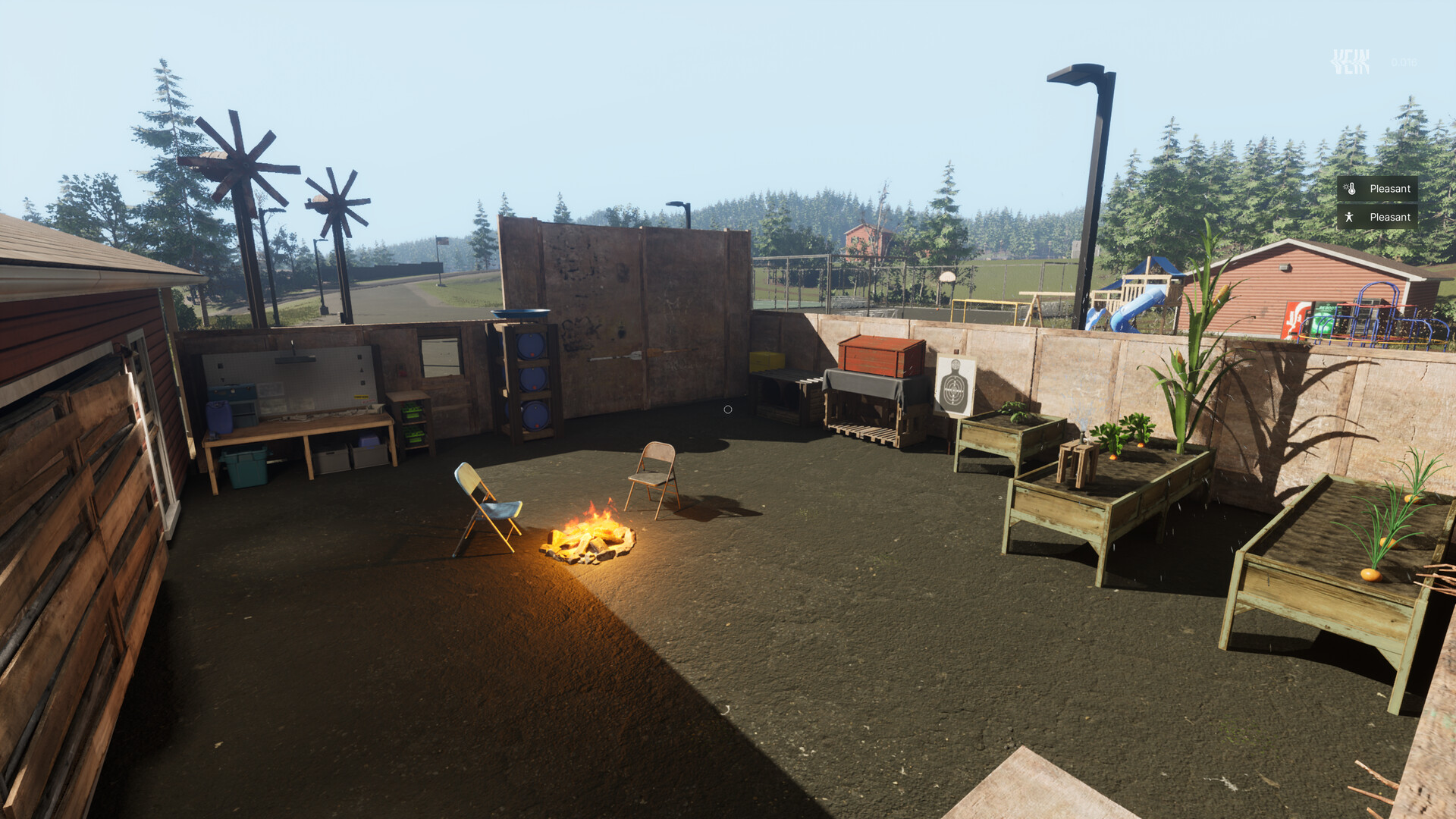
Cars and trucks require refueling, oil changes, and upgrade parts to stay running, while the home base loop centers on fortifying existing structures and defending against raiders. Players compare the resource management favorably to Project Zomboid, and several describe slowly stocking a fridge, hotwiring multiple vehicles, and preparing for sieges as the core appeal.
Active Early Access roadmap
Released into Early Access on October 24, 2025, VEIN is flagged as Action, RPG, Simulation with adjustable difficulty and save-anytime features. Reviewers note frequent Discord updates from the two-person studio and treat their purchase partly as crowdfunding the roadmap, which currently lacks NPC factions, special zombie variants, and endgame goals.
Sensory AI and dynamic environment
Per the official description, AI uses sight, sound, touch, and smell and reacts intelligently, while seasons and persistent random events reshape the world over time. Players report stress management mechanics (alcohol, antidepressants), asphyxiation hazards underground, and zombies getting stuck on geometry, adding both tension and jank to encounters.
What players are saying
What keeps coming up positively
- Praised for surprisingly deep simulation in nearly every interactable object, from working washers to swappable car parts.
- Players enjoy the slow, Zomboid-like pace of rebuilding society rather than pure combat focus.
- Co-op and shared base-building sessions are repeatedly highlighted as the strongest way to experience the game.
- The two-person dev team's frequent Discord communication and quick patches earn consistent goodwill despite Early Access jank.
Where the friction shows
- Early game feels janky: zombie pathfinding can get stuck on objects and pull extra aggro when shot, raising infection risk.
- Progression runs out of steam after roughly 10 hours because enemies and POIs don't scale with gear, so a starting pipe wrench stays viable.
- True base-building is missing; you can fortify existing structures but cannot place new walls or foundations, frustrating creative players.
- Some recovery mechanics feel punishing and unintuitive, like stress requiring alcohol or antidepressants, and rare cold medicine being the only cure.
Is it worth buying?
At $13.39 against a $19.99 regular price (33% off), VEIN is cheaper than most survival sandboxes but is still an Early Access title with known progression and AI pathfinding issues. It is a reasonable buy for Project Zomboid fans with a co-op buddy who can stomach Early Access jank and want to support an active two-person studio. Solo-only players, anyone needing a clear endgame loop, or builders expecting full construction freedom should wait for a deeper discount or future updates.
Price checked 2026-09-03:$13.39,down from $19.99(33% off)。Player-fit tags
Good fit
- Players who want a slow, Project Zomboid-style survival sandbox played in co-op with a friend.
- Builders and tinkerers who enjoy fortifying existing structures, scavenging parts, and tinkering with working vehicles.
- Survival players who like granular simulation, stress management, and long-term base maintenance over twitch combat.
- Early Access supporters who want to follow an actively patching, two-person studio through development.
- Parents or busy adults who appreciate offline-friendly play, adjustable difficulty, and save-anywhere convenience.
Probably not for you
- Solo players without a reliable co-op partner, since the social loop is where most praise concentrates.
- Players expecting a difficulty-scaling endgame or increasingly dangerous POIs to chase better gear.
- Builders who want full structural base construction rather than only fortifying existing buildings.
- Anyone averse to Early Access jank, including stuck zombie AI, clunky animations, and rare-feeling cure items.
Share this article