Catch up on the essentials
- A chill, hypnotic roguelite deckbuilder where you wire up a slot car with cards, gates, and charms, then watch the numbers explode.
- Ribbit Rogue is a charming, dice-driven roguelike that rewards players who enjoy tinkering with limited pools, rerolling for the right face, and rebuilding after a failed run.
- If you want a farming-life sim that asks you to actually plan and survive, Welcome to Elderfield rewards patient players who treat every swing of the pickaxe like a turn-based fight; everyone else will bounce off its RNG.
Selected from this article · 2026-09-14
Read on for the full picture01The Loopler roguelite deckbuilder built for players who chase infinity, chase numbers going up, and embrace failing runs as mastery
STEAM DEAL · 10% OFF
The Loopler
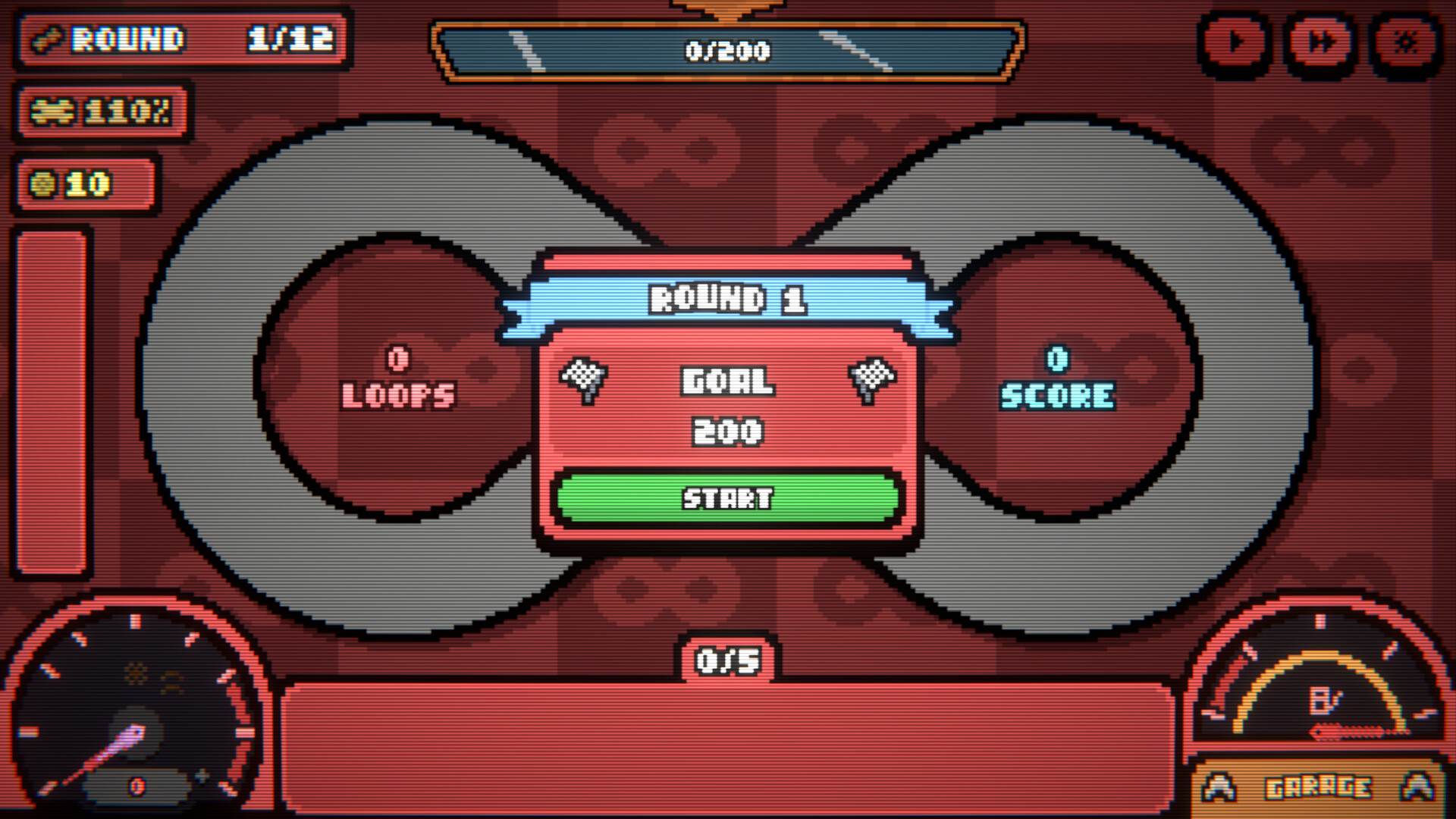
A chill, hypnotic roguelite deckbuilder where you wire up a slot car with cards, gates, and charms, then watch the numbers explode. It is a great fit if you enjoy failing runs and coming back smarter, but expect a confusing opening and long stretches where you simply stare at the track.
Game highlights
Deep build-crafting through cards, gates, and charms
Each run layers three systems: a 50-card drafting pool for active effects, 30 placeable gates that change scoring chains, and 70 passive charms that quietly reshape how the whole build works. You are constantly recombining which cards trigger which gates, then stacking charms on top to push a modest drive into a screen-tearing run. Because so many pieces interact, late runs can snowball into long chain reactions where one well-placed gate sets off five more cards and charms at once.
Nine cars and nine tracks with five difficulty modes
Nine named cars each push the run in a different direction, and nine tracks with distinct layouts force you to rethink gate placement rather than copy-pasting one build. Five difficulty modes sit on top of that, so once a track feels solved you can crank the challenge and watch your synergy ideas get punished. Daily and weekly challenges with optional leaderboards give a reason to revisit the same car-track combo on a fixed seed.
Idle-style scoring with real strategic input
You spend the bulk of a run tweaking your build, then hit go and watch the car zip around while the math resolves itself. The skill is in the pre-flight setup: which cards you draft, where you drop gates on the available slots, and which charms you stack so the passive multipliers actually chain. That tension between thoughtful preparation and hands-off payoff is what makes long runs feel like a payoff instead of a grind.
Chill soundtrack and a genuinely laid-back atmosphere
The Pulsewith soundtrack is built around jazz, funk, and fusion that reviewers specifically called out as a perfect companion for a slow evening. Visuals stay simple with lots of cosmetic unlocks for car colors and backgrounds, so the screen never feels busy while numbers fly up. It is intentionally low-pressure, which is exactly why long runs where the car circles for minutes at a time can feel relaxing rather than tedious.
Cross-platform play with full controller and touch support
The game ships on Windows, Mac, and Linux with Steam Cloud saving, and accepts DualShock, DualSense, mouse-only, and touch-only input. You can put it down on a laptop on the couch, dock it to a TV with a pad, or even play in short bursts on a handheld without missing progress. That flexibility makes it a natural fit for the kind of low-effort, high-reward loop the game is built around.
What players are saying
What keeps coming up positively
- Players repeatedly describe the build-crafting as an iceberg: it feels simple on the surface but opens up deep synergy between cards, gates, and charms once you push past the early runs
- Many reviewers highlight the jazz, funk, and fusion soundtrack as a perfect backdrop for long, laid-back sessions where the car just loops while numbers climb
- The roguelite loop of picking a build, watching it explode, then immediately restarting with a new combo keeps pulling players back for hundreds of hours
- Several buyers say the amount of content for the price surprised them, with nine cars, nine tracks, daily and weekly challenges, and a packed unlocks list behind a small sticker price
Where the friction shows
- The opening tutorial is widely called confusing, with key mechanics like car parameters, boost, and limited-use triggers left unexplained, leading to avoidable lost runs
- Some reviewers feel the game is too hands-off, arguing that the whole run boils down to optimizing fuel and fuel efficiency while the car circles on its own
- A handful of players see the scoring and leveling structure as too close to existing roguelite deckbuilders, making it feel derivative rather than fresh
- One common frustration is the learning cost: several mechanics are framed as no-fun-allowed and only become readable after multiple failed runs
Is it worth buying?
At $8.99 with a 10 percent discount off the $9.99 regular price, this is a small entry fee for a roguelite that several buyers say hides far more content than its price suggests. It is a fair pick if you already enjoy Balatro-style scoring loops and you can stomach a rough tutorial in exchange for hundreds of hours of build experimentation. If you bounce off idle-style scoring or you need every mechanic spelled out from minute one, wait for a deeper discount rather than buying on day-one curiosity.
Price checked 2026-09-14:$8.99,down from $9.99(10% off)。Player-fit tags
Good fit
- Players who love failing a run and immediately drafting a new build to chase a better score
- Fans of Balatro-style scoring loops who want a fresh theme and a much more laid-back pace
- Idle and incremental players who enjoy preparing a build, pressing go, and watching numbers explode while doing nothing
- Controller or couch players looking for a chill laptop or TV game with jazz-funk vibes and minimal input pressure
- Completionists who want to chase daily and weekly leaderboards across nine cars, nine tracks, and five difficulty modes
Probably not for you
- Anyone who needs every mechanic explained up front, because the tutorial is widely flagged as both tedious and incomplete
- Players who dislike idle scoring, since many runs reduce to watching the car circle while you wait for fuel or score to resolve
- People looking for a fast-paced racing game, since the racing element is minimal compared to the build-crafting layer
- Buyers expecting a clearly original system, since several critics see the scoring and leveling loop as too close to existing roguelite deckbuilders
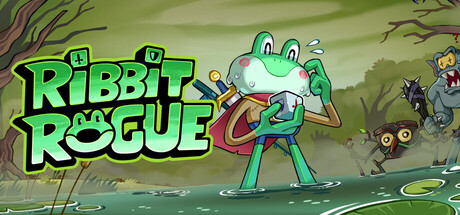
02Ribbit Rogue — turn-based dice roguelike for players who enjoy learning through repeated swamp runs

STEAM DEAL · 20% OFF
Ribbit Rogue
Ribbit Rogue is a charming, dice-driven roguelike that rewards players who enjoy tinkering with limited pools, rerolling for the right face, and rebuilding after a failed run. The ten-die cap, forge upgrades, and relic synergies keep early runs engaging, though enemy variety thins quickly and the icon font can confuse at a glance.
Game highlights
Ten-die pool with selective play
Per the store page, you manage a fixed pool of ten dice at once and choose four of seven each round, so runs are about trimming weak dice and keeping your core intact. Players highlight this as a smart middle ground between rigid deck size and full hand chaos, since rerolls and the four-per-turn rule keep variance from snowballing.
Forge and face-swapping for tuning
Official features list dice forging, upgrading individual sides, and swapping faces between two dice, letting you push blanks onto throwaway dice or duplicate strong sides. Multiple reviewers cite this as the moment a run clicks, because a bad draw can be reshaped rather than restarted from scratch.
Relic-driven build synergies
Relics stack with face abilities for combo, crit, shield, or stockpile payoffs, and reviewers describe hunting shop and event rewards that match an emerging strategy. Unlocks for new dice and relics also gate progression, so each successful run visibly expands your future toolbox.
Cozy presentation and controller-first design
The store listing confirms full controller support, Steam Cloud, and a play-at-your-own-pace tag, and players repeatedly mention the pixel art and soundtrack as a reason to settle in for a long lunch-break run. Several reviewers specifically call out crisp Steam Deck text and input response.
What players are saying
What keeps coming up positively
- Players consistently praise the reroll mechanic for keeping dice RNG from feeling punishing and rewarding greedy plays.
- Multiple reviewers highlight the forge and face-swap systems as the moment a struggling run becomes salvageable.
- The pixel art, soundtrack, and overall cozy atmosphere are repeatedly cited as reasons to keep launching the game.
- Several players note strong Steam Deck legibility and controller support for short, comfortable sessions.
Where the friction shows
- Reviewers report encountering the same basic and elite enemies after only a handful of runs, which dulls motivation to start another.
- Some players flag a small learning cost when tracking status effects, enemy intents, and dice synergies during early runs.
- A UI nitpick appears more than once: the percent symbol is hard to distinguish from the number 2, causing misreads on crit chance.
- A few players feel the complexity is lighter than Slay the Spire and worry late-game build depth may be thinner.
Is it worth buying?
At $7.99 against a $9.99 regular price with a 20% discount observed on 2026-09-14, the cost of entry is modest for a roguelike that has already drawn strong praise from early reviewers. The price is fair rather than bargain territory, so the decision should rest on whether the dice-pool hook appeals to you; if so, this is a reasonable pickup now rather than waiting.
Price checked 2026-09-14:$7.99,down from $9.99(20% off)。Player-fit tags
Good fit
- Players who like dice or card roguelikes and want a shorter, lighter take on the Slay the Spire formula
- Tinkerers who enjoy rerolling, forging, and swapping faces to optimize a small pool
- Controller or Steam Deck players looking for cozy, play-at-your-own-pace runs between bigger games
- Roguelike fans who treat repeated failure as the path to mastering a build
Probably not for you
- Players who want deep, novel boss and elite variety beyond the first few runs
- Anyone seeking high complexity or long, branching campaigns rather than brisk roguelike sessions
03Welcome to Elderfield: A Cozy Horror RPG That Punishes the Unwary With Brutal Turn-Based Combat
STEAM DEAL · 10% OFF
Welcome to Elderfield
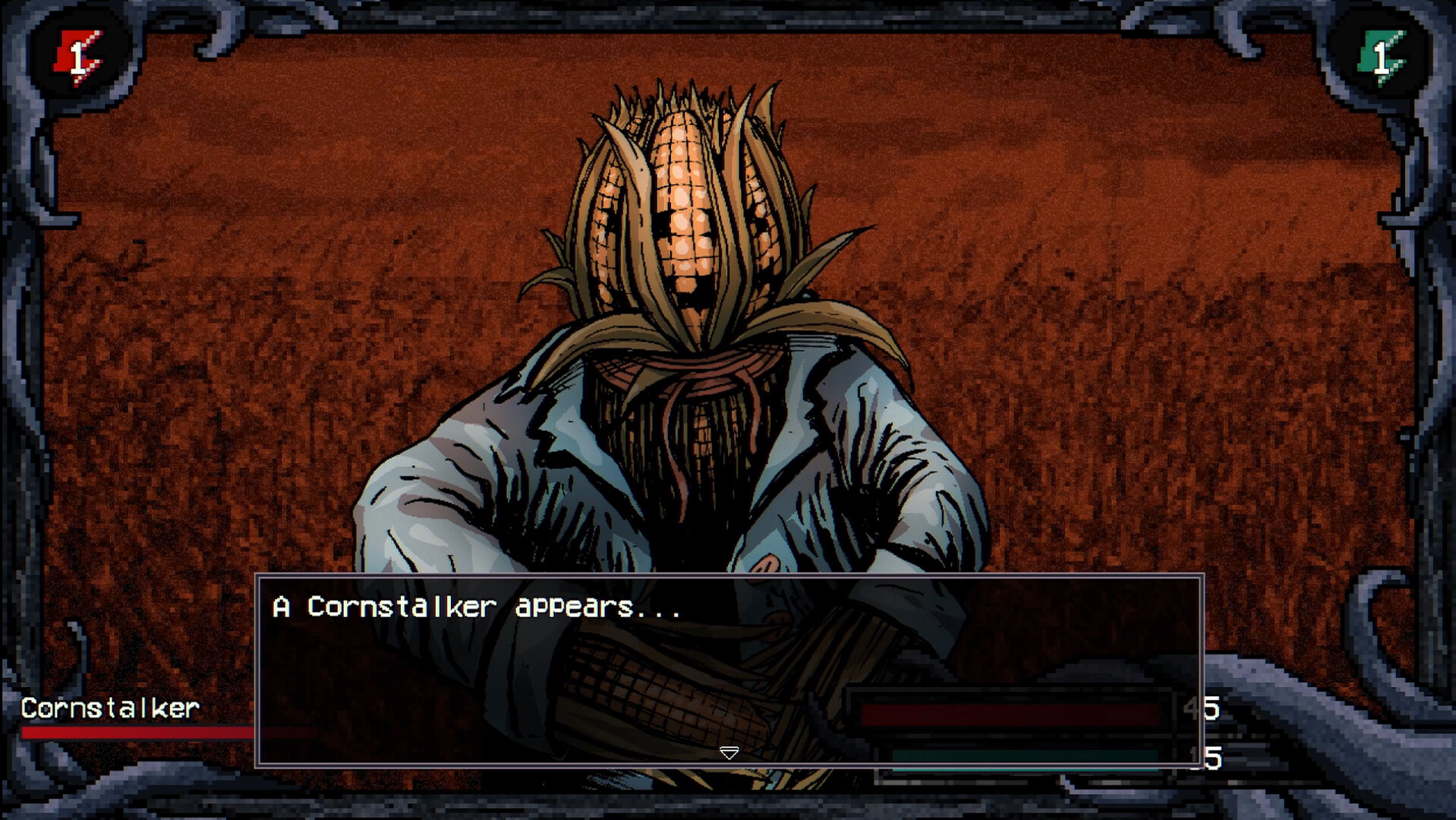
If you want a farming-life sim that asks you to actually plan and survive, Welcome to Elderfield rewards patient players who treat every swing of the pickaxe like a turn-based fight; everyone else will bounce off its RNG.
Game highlights
Cozy-horror atmosphere and art direction
The hand-drawn ink and pencil visuals lean into Junji Ito, Welcome to Night Vale, and Silent Hill-style references rather than jump scares. Reviewers consistently describe the strangeness as ambient and everyday, which gives the farming and decorating a quietly unsettling undertone. If you like horror that simmers instead of screaming, the presentation is the main draw.
Real turn-based combat, not auto-resolve farming filler
Encounters are built around equipment, blessings, curses, and resource management rather than button mashing. Multiple reviewers compared the difficulty to old-school SNES-era RPGs, warning that enemies often have multiple actions per turn and that levels alone will not carry you. It is a system where preparation matters more than grinding hours.
Life-sim systems wrapped around the combat
You can farm crops like corn, pumpkins, teeth, or eyeballs, raise otherworldly livestock, fish, cook, mine, forage, decorate a home, befriend and romance townsfolk, and pick between a cozy mode and harder settings. Reviewers specifically praised quality-of-life touches such as a free warp home, drag-and-drop pause menu editing, craft-from-chest, and a shared inventory across maps.
Difficulty curve and RNG are a real barrier
Several reviewers flagged that swinging tools, praying at statues, and even sleeping can apply persistent debuffs or trigger deadly attacks, with bad rolls stacking up over a day. Higher difficulties punish exploration hard, and enemies in dungeon-like spots like the mall can outpace you quickly. Players who hate save-scumming or punishing RNG should look at cozy mode first.
Single-player only, fully solo experience
Steam categories list only Single-player alongside Steam Achievements, cloud saves, full controller support, and adjustable difficulty, with no co-op or multiplayer modes mentioned. That keeps the loop focused and the save file personal, but it also means there is no one to carry you through a rough combat night.
What players are saying
What keeps coming up positively
- The Junji Ito-meets-Night Vale art and dark lofi soundtrack are repeatedly called the standout reason to buy.
- Turn-based combat is praised as deeper and more strategic than typical farming-sim fights, with equipment and buffs mattering.
- Quality-of-life features like a free warp home, craft-from-chest, shared inventory, and adjustable time/days earn consistent appreciation.
- Players coming from Stardew Valley enjoy the farming, decorating, fishing, and relationship systems once they accept the horror framing.
Where the friction shows
- Multiple reviewers report that nearly every action, including mining, praying, and sleeping, can apply punishing debuffs or damage.
- Higher difficulties and crowded areas like the mall are described as enemies with more actions per turn than the player, leading to sudden deaths.
- Sleeping carries RNG-driven permanent-feeling stat losses that push players toward save-scumming rather than engaging with the system.
- Several players say the game is mis-marketed as cozy, since progress is constantly offset by punishment rather than relaxing farming loops.
Is it worth buying?
At $16.19 against a regular $17.99 with a 10% discount, the price is reasonable but not aggressive, so paying full price is defensible only if the horror-farm pitch hooks you. It is a fair buy for players who want the full experience, though waiting for a deeper sale is sensible if you are unsure about the punishing difficulty.
Price checked 2026-09-14:$16.19,down from $17.99(10% off)。Player-fit tags
Good fit
- Players who want a farming-life sim with meaningful, strategic turn-based combat layered on top
- Horror fans who enjoy Junji Ito, Welcome to Night Vale, and Silent Hill-style atmosphere over jump scares
- Solo players comfortable with permadeath-adjacent tension, save-scumming, and learning enemy patterns through repetition
- Tinkerers who like preparing buffs, equipment, and resource routes before venturing into dangerous areas
- Players who want to set their own pace via cozy mode or crank up the challenge via adjustable difficulty settings
Probably not for you
- Anyone expecting a purely relaxing Stardew-style cozy game without combat pressure or punishing RNG
- Players who dislike repeated failure, persistent debuffs, or save-scumming to manage bad rolls
- Those looking for co-op or multiplayer, since the game is strictly single-player
- Casual players who want forgiving resource gathering and safe mining without enemy interruptions
Share this article