Catch up on the essentials
- Sandustry is a relaxing but deep factory sim where every grain of sand is a real, physical resource, making it a great pick for players who enjoy tinkering, experimenting, and building sprawling sand-boxed production lines.
- Approximately Up is a confident, physics-driven spaceship sandbox that rewards patience and experimentation, especially with a crew of up to four.
- Completionist players report finishing everything in around 13 hours, so consider this a buy only if building and physics exploration will carry your time, not boss hunts or long progression.
Selected from this article · 2026-10-02
Read on for the full picture01Sandustry: a pixel-perfect factory sim for players who love expressive, chaotic factory building and discovery

STEAM DEAL · 35% OFF
Sandustry
Sandustry is a relaxing but deep factory sim where every grain of sand is a real, physical resource, making it a great pick for players who enjoy tinkering, experimenting, and building sprawling sand-boxed production lines. At $9.74 on a 35% discount, it's an easy buy for the curious, though players looking for long progression arcs or risk-driven automation should temper expectations since it's still in Early Access.
Game highlights
Every pixel is a real resource
Sand, water, ice, seeds, and spores are all individual physical entities that react to each other and the environment. Water spills if not contained, ice melts into water when heated, and sand absorbs water to produce wet sand you can sift for gold. This physicality is the headline feature and gives the automation loop a puzzle flavor you do not get in most factory games.
Fully destructible, explorable world
The planet is made of destructible terrain spanning diverse biomes you mine into and reshape as you expand your footprint. Below the surface you chase powerful artifacts left by an ancient civilization, with puzzles that gate rewards and unlock new tech. Several players called out these artifact puzzles as a standout reason to keep digging.
Wide factory-building toolkit
You start with a single conveyor belt and quickly unlock filters, drones, pipes, pumps, lifts, and even a rocket launcher for clearing terrain. Production chains layer chemical and physical reactions, so you can chase pixel-perfect layouts or sprawling spaghetti and still see results. Reviewers consistently compared the scope favorably to much bigger factory games.
Low-pressure, cozy-friendly pace
There are no enemy attacks or strict timers, so you can tinker at your own speed without a Factorio-style biters threat looming. Multiple players described it as less stressful than Factorio or Satisfactory while still feeling more involved than shape-based automation games. That said, some found the lack of risk made underground exploration feel less meaningful.
Modding and ongoing Early Access content
The game ships with Steam Workshop support and dedicated modding tools for new buildings, processes, visual tweaks, and hand-crafted maps. Hooded Horse and developer Lantto Games are actively expanding the game, and several Early Access reviewers said the current build already feels polished and bug-free for them. Just know that content depth is still growing.
What players are saying
What keeps coming up positively
- The pixel-physics sand and water simulation feels fresh and is the main hook that pulls players in
- Artifact puzzles and exploration under the surface give clear short-term goals to chase
- Runs comfortably on PC and Mac with Steam Cloud, and the Workshop is already attracting technical players
- Felt polished for an Early Access launch, with multiple reviewers reporting very few bugs
Where the friction shows
- Several players feel the game leans on manual gathering and busywork rather than true automation, especially in mid-game thermal setups
- Some describe the build paths as fairly pre-defined, leaving less room for creative factory layouts
- The map and current content scope can run dry after roughly 15 to 30 hours for experienced automation players
- Repetitive gathering and progression loops have been called out as a friction point by a noticeable share of reviews
Is it worth buying?
At $9.74 instead of $14.99, this 35%-off Early Access title is a reasonable buy if the pixel-physics hook excites you, but it is not a deep-discount fire sale. If you mainly want a finished, long-haul automation campaign you may want to wait for more content. If you enjoy tinkering with sand and water as a toy box today, the current price is fair for what is on offer.
Price checked 2026-10-02:$9.74,down from $14.99(35% off)。Player-fit tags
Good fit
- Players who enjoy Noita-style pixel physics and want to turn them into a factory loop
- Builders who like sprawling, chaotic spaghetti factories that still work
- Automation fans who prefer a calm, no-enemy-pressure pace over hostile-planet survival
- Curious explorers who like chasing artifacts and puzzles underground
- Tinkerers interested in Steam Workshop mods and custom maps
Probably not for you
- Players who want deep, risk-driven survival automation with hostile threats and lose conditions
- Automation purists who expect hands-off, fully self-running production with minimal player input
- Players looking for hundreds of hours of finished content rather than an Early Access roadmap
- Anyone sensitive to repetitive resource gathering or busywork-heavy progression loops
- Players who rely heavily on official Discord for community support and guides
02Approximately Up is a first-person modular spaceship building sim for patient players who love wiring
STEAM DEAL · 25% OFF
Approximately Up
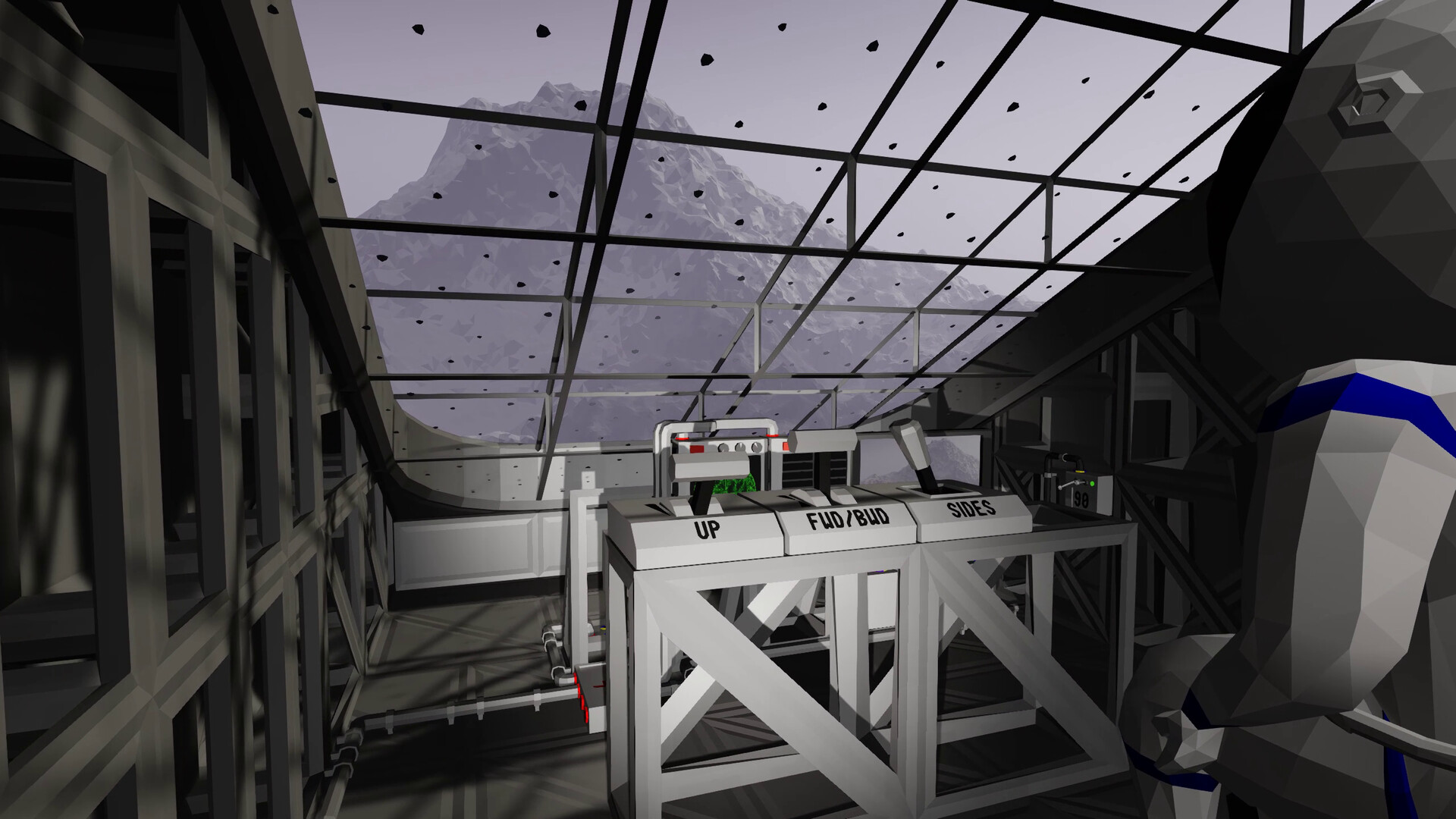
Approximately Up is a confident, physics-driven spaceship sandbox that rewards patience and experimentation, especially with a crew of up to four. Solo players get the same depth, but expect a real onboarding curve as you learn how thrusters, fuel, power, and wiring interact before missions feel smooth.
Game highlights
Modular construction with real consequences
You start with a single frame piece and bolt together thousands of components into spaceships, drones, or one-off machines. The official description emphasizes that small design mistakes — a backward thruster, an undersized solar array, a missing cable — become very real problems once you leave the station, which is exactly the tension players describe when they recount crash landings and burn-ups.
First-person piloting and ship design tied together
Every flight is played from the deck in first person, so what you build is what you fly. The store page notes that some trips take only minutes while others become long journeys when a ship is weak, and reviewers echo that landing, balancing fuel mixes, and watching aerodynamics behave in atmosphere are where the satisfaction comes from.
Co-op up to four players
Approximately Up supports online co-op for up to four people in both the story and Creative modes. Official copy says every system matters, and players who build with friends talk about cable management, window placement, and arguing over thruster orientation becoming recurring in-jokes during long sessions.
Fifteen planets with a long campaign
The story mode spans about 200 hours across 15 unique planets, each with its own gravity, atmosphere, temperature, and dynamic soundtrack. Missions range from retrieving a package stuck in a tree to cracking mystic rocks, fixing a planet's ionosphere, and hunting ancient creatures, and the developer says some missions leave permanent changes to the world.
Automated systems and logic
The official feature list highlights PID controllers, sensors, meters, input controllers, and logic circuits as core building blocks, and reviewer evidence shows players spending hours on auto-landing routines, stabilization, and self-flipping craft. There is also a Creative mode for unrestricted building and Steam Workshop support for sharing designs.
What players are saying
What keeps coming up positively
- Players who wire and tune systems describe the physics and logic depth as the closest thing to a real engineering toy on Steam, with several saying it hooked them harder than Space Engineers, Stormworks, or Kerbal Space Program.
- The co-op experience is repeatedly called out as a laugh-out-loud sandbox where cable management, airlock pranks, and shared ship arguments become the highlight of the session.
- Many reviewers point out how few bugs and glitches they hit and credit the solo developer for patching consistently through the demo and into release.
- The 15-planet exploration loop earns praise for giving that small-craft-in-a-big-ocean feeling, with a dynamic soundtrack that changes as you discover new biomes.
Where the friction shows
- Multiple negative and mixed reviews report that the marketing implied mid-flight repairs, but returning to build mode actually sends you back to the station and resets progress, forcing rewind instead of in-mission fixes.
- Several players warn that multiplayer is thin for non-pilot crew, since one person flies and the rest mostly sit there, especially during long transfers between planets.
- A recurring complaint is the steep onboarding cost, with new players spending hours on wiring, fuel mixing, and balancing before missions stop feeling punishing.
- Some reviewers expected a Space Engineers-style survival and production loop and were disappointed to find a mission-driven, Kerbal-style structure instead.
Is it worth buying?
At roughly $18.74 USD against a $24.99 regular price (about 25% off at the snapshot), Approximately Up is a fair price for the depth on offer, but the recurring complaints about a brutal learning curve, thin non-pilot co-op, and grindy inter-planet travel make it worth waiting for a deeper sale if you are on the fence.
Price checked 2026-10-02:$18.74,down from $24.99(25% off)。Player-fit tags
Good fit
- Players who enjoy spending hours tuning thrusters, wiring logic circuits, and rebuilding after catastrophic failures
- Friends groups of two to four who like sharing engineering disasters and laughing at janky ships together
- Solo players who want a long, mission-driven space sandbox with Creative mode as a palate cleanser
- Anyone who liked Kerbal Space Program's challenge but wants first-person immersion and more physical ship construction
- Tinkerers who enjoy PID controllers, sensors, and automation puzzles as a creative outlet
Probably not for you
- Players expecting Space Engineers-style survival mining, refining, and base production loops
- Anyone who wants relaxing, low-pressure spaceflight without steep onboarding or punishing physics
- Groups where only one person enjoys engineering, since non-pilot crew can run out of things to do on long flights
- Players who dislike rewinding after mistakes instead of repairing ships mid-mission
- Anyone needing fast, action-heavy multiplayer matches rather than slow build-and-fly sessions
03Sunkenland waterworld survival with modular base building, scuba scavenging, and co-op clan defense worth a discount try
STEAM DEAL · 25% OFF
Sunkenland
Sunkenland is a strong pick at the current discounted rate if you want creative modular construction and underwater scavenging with friends, but recurring reports of long update droughts, broken raid logic, and a buggy sort feature make it risky for players who need a polished, actively maintained survival game.
Game highlights
Modular base building and decoration
Official materials describe a flexible modular building system letting you assemble strongholds anywhere from a water platform to an abandoned ship or island penthouse. You can stylize your base with decorations found across the world, and the official store page frames this as core player expression rather than a side activity. Player feedback echoes this, with multiple reviews citing rebuilding bases several times across patches as the main reason to keep returning.
Underwater scavenging with diving tools
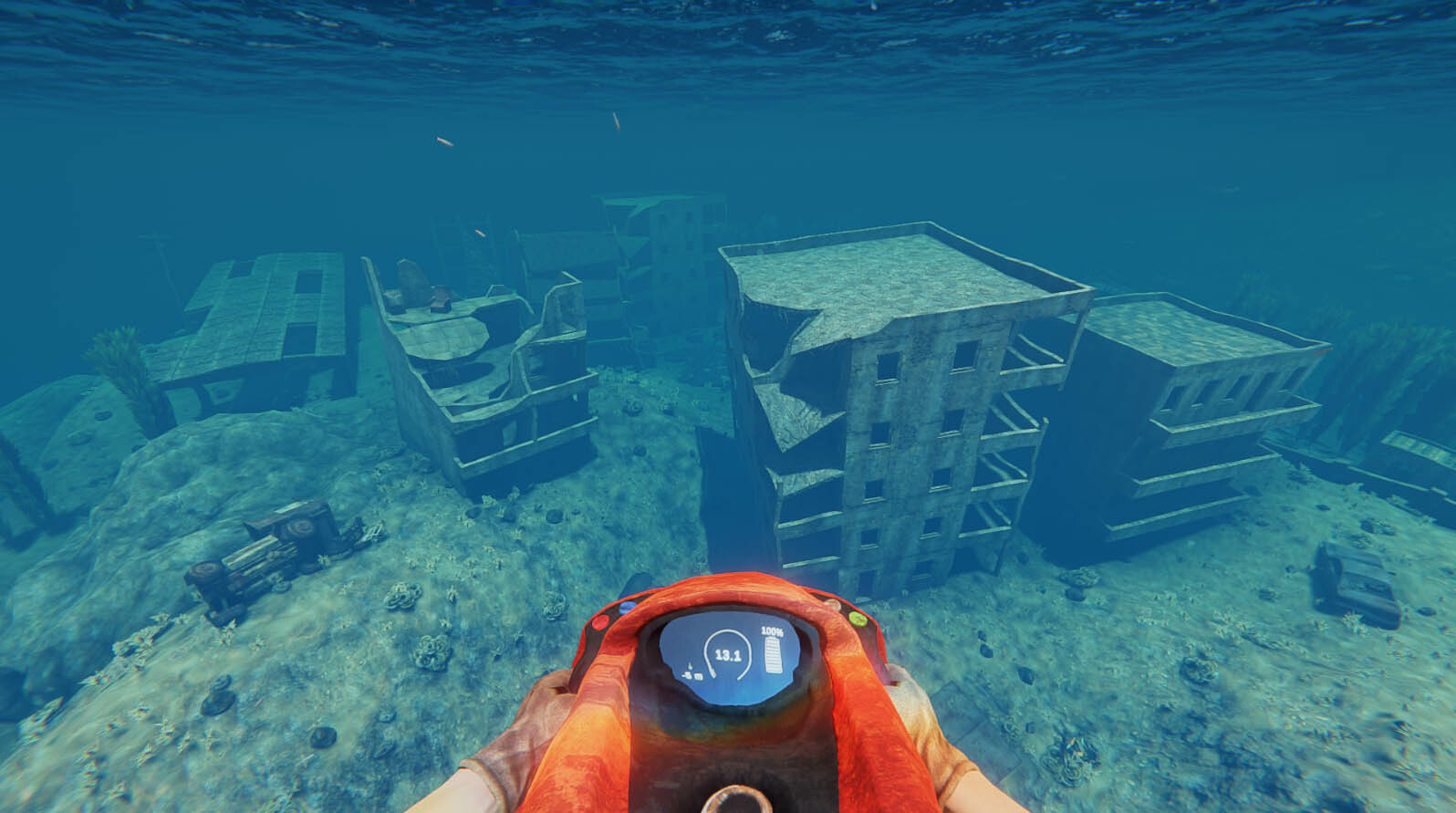
The official description highlights exploring sunken skyscrapers, nuclear powerplants, and subway tunnels for resources and pre-apocalypse technologies. You build diving devices to extend your reach underwater, and rare pre-war items sit at the bottom of the ocean alongside unknown hazards. Players describe pulling wrecks apart and piecing together equipment as the central procedural loop that gives the game its pull.
Co-op and shared survival
Official copy lists cooperative multiplayer, online co-op, and family sharing alongside single-player. You can build bases, dive, explore, and repel pirate raids together, which several positive reviews cite as the most stable way to experience the game because groups can split farming and clodding chores. Solo play is supported but the loop becomes much heavier without someone to share raiding and trading trips.
Combat, vehicles, and base defense
You craft melee weapons, firearms, explosives, jetskis, sailboats, and gyrocopters, then fight pirates and mutants across ocean and land. Base defense is a stated pillar with walls, barbed wire, traps, surveillance, and artillery to repel clan raids on your territory. Players describe base attacks as one of the most fragile systems, with reports of attackers clipping through walls and raids destroying entire bases when defenses fail.
Item trading economy without currency
The store page spells out that there is no universal currency, only item-for-item trading with friendly atolls for supplies, weapons, armor, and rare goods. Combined with farming, shark hunting, and plant growing, this forms the survival backbone. Several recent reviews call trading and traders obsolete in mid-to-late game, which raises the long-term sustainability question for solo players who lean heavily on barter.
What players are saying
What keeps coming up positively
- Modular base building and decoration consistently keep players engaged across multiple play sessions and rebuilds
- The atmospheric waterworld setting and tense scavenging loop are repeatedly praised for pulling players into the world
- Co-op sessions are highlighted as the smoothest way to handle the heavy farming and raid defense workload
- Some players enjoy the Early Access mix of diving, crafting, and base defense as a refreshing survival twist
Where the friction shows
- Long gaps between public updates and a silent developer are repeatedly cited, with many reviewers calling the project effectively abandoned
- The sort/storage feature has a long-running bug that destroys gathered resources, frustrating players who depend on inventory management
- Base raid logic feels broken to many players, with enemies clipping through walls and attacks wiping out bases when defenses fail
- Mid-to-late game trading and traders are described as obsolete, leaving a grind-heavy progression loop once initial goals are cleared
Is it worth buying?
At $14.99 USD versus a $19.99 regular price, you are paying about 25 percent less than list for an Early Access title with real strengths but serious support and bug concerns. The discount helps justify trying it with friends in co-op, where the building and scavenging loop shines the most, but go in expecting to wait through update droughts, deal with the sort bug, and possibly never see a 1.0 release.
Price checked 2026-10-02:$14.99,down from $19.99(25% off)。Player-fit tags
Good fit
- Players who want to design and rebuild modular waterworld bases with decorations
- Groups of friends who enjoy shared survival, diving, and defending raids together
- Scavengers who enjoy pulling resources out of underwater wrecks and subway tunnels
- Survival fans comfortable with Early Access titles and long update gaps
- Players who like vehicle crafting from jetskis to gyrocopters for exploration
Probably not for you
- Players who need a fully released and actively maintained survival game
- Anyone frustrated by inventory and storage bugs that can wipe gathered resources
- Solo players who dislike heavy farming and trading trips without a co-op partner
- Players who expect polished base raid AI and stable performance during defense events
- Fans of cozy or low-pressure survival experiences who dislike punishing raid timers
04Lay of the Land: a sandbox RPG for players who love expressive voxel building and destructible terrain
STEAM DEAL · 25% OFF
Lay of the Land
Buy now if voxel building and physics-driven exploration are your thing, but expect a thin progression loop and no co-op. The discounted $14.99 price softens the limited content.
Game highlights
Physics-driven destructible world
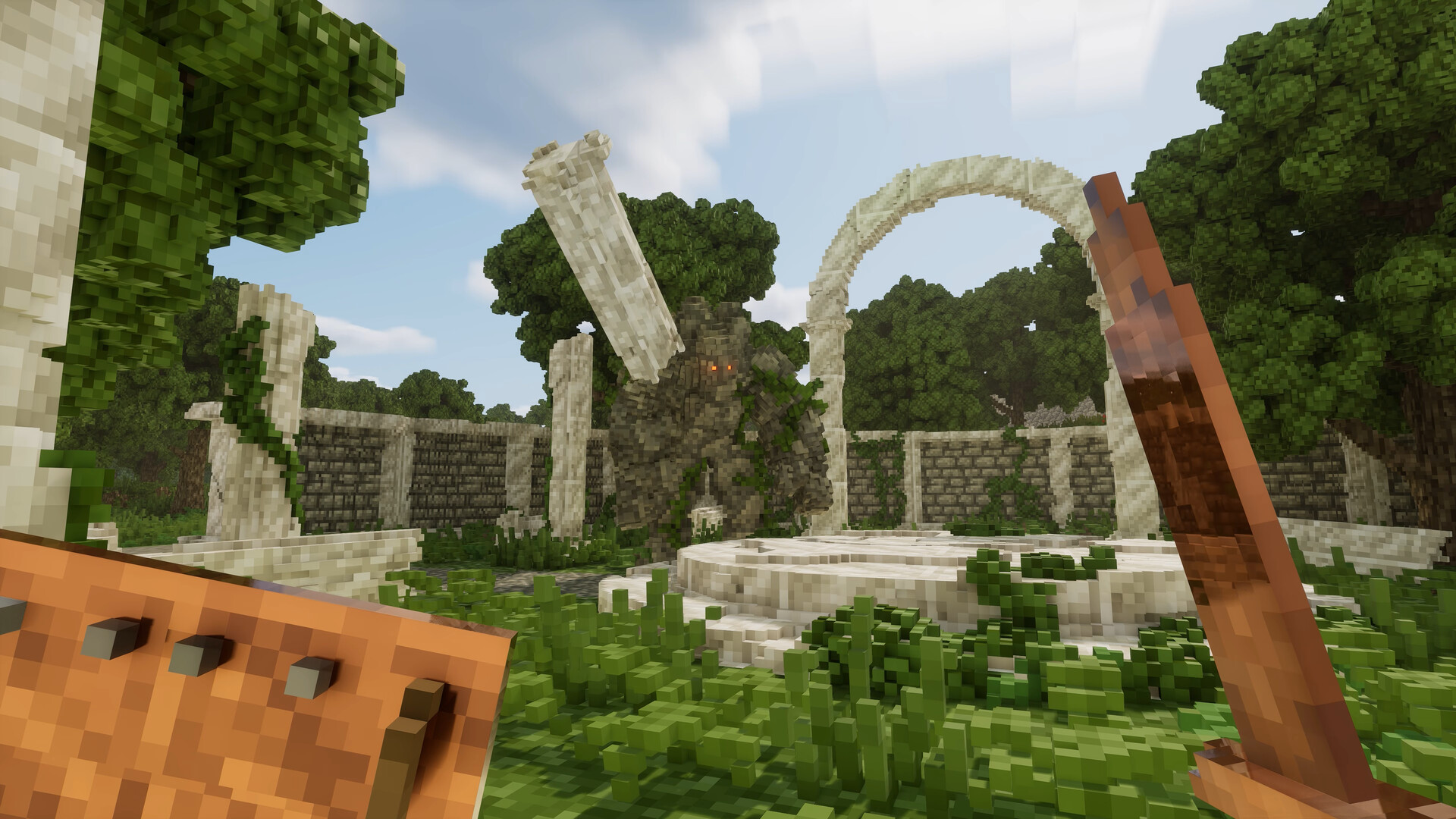
Fire spreads across terrain, sand collapses, water carves channels, and gas pockets suffocate, giving every encounter a tangible weight. You can collapse cave roofs on enemies, fell trees onto monsters, or blast through walls to flank them. The procedural generation layers these simulations so valleys, roads, and biomes feel hand-crafted rather than randomized.
Expressive voxel building system
A cylinder tool, cone tool, terrain sculpting, and freehand path drawing go well beyond simple cube walls, letting you sketch circular keeps, sloped roofs, and shaped terrain with minimal fuss. Prefabs and custom prefabs make duplicating decorations or whole structures quick, and an assortment of furnishings covers tables, chairs, and shelves. Materials are available early, so ambitious builders are not gated behind boss clears.
Physically based crafting and gear
Crafting happens by laying sticks, rope, and flint on the ground to assemble an axe, or by placing food into a campfire to cook it, which makes recipes feel grounded in the world. Weapons are forged through smelting, clay molds, and metal casting, then upgraded for damage, durability, and attack speed. Infusions add fire, ice, or lightning effects that change how encounters play out.
Distinct biomes and hand-designed locations
The world is split into varied biomes with unique wildlife and landmarks such as overgrown ruins, deadly temples, winding caverns, and jagged mountain ridges. Layered terrain simulation keeps each region visually distinct while still feeling like part of one continuous map. Exploration and loot hunting are the connective tissue between combat and building.
Customizable difficulty and flexible playstyles
Adjustable difficulty, save-anywhere support, and partial controller compatibility make the game approachable for different comfort levels. Combat lets you mix melee weapons, ranged armaments, and spells so ranged kiting, stealth, or arcane builds all have a path. You can also largely avoid tougher enemies while gathering materials for early building projects.
What players are saying
What keeps coming up positively
- Players repeatedly praise the high level of building control, the prefab workflow, and the gorgeous voxel landscapes that look fantastic in motion.
- Many reviewers highlight the physics layer as a standout feature, especially emergent moments where collapsing terrain or falling trees change a fight.
- The procedural world generation and biome variety earn consistent marks for making exploration feel rewarding at first.
- Several players note that materials and prefabs being available early lets creative builders start ambitious projects without grinding progression.
Where the friction shows
- A recurring complaint is that the core gameplay loop feels empty after the first few hours, with reviewers finishing all five bosses in roughly 13 hours and finding little reason to replay.
- Multiple players criticize crafting as clunky, citing laid-on-the-ground assembly, limited inventory slots, no sorting, and painful item management for big builds.
- Combat and movement are frequently called spammy and awkward, with low weapon durability and a small hotbar making fights feel underbaked.
- Several reviewers point to missing features like map pins, empty caves, and the absence of any co-op or multiplayer as meaningful gaps for the price.
Is it worth buying?
At $14.99, down from $19.99, the current 25% discount lowers the cost of entry for a game that many reviewers describe as feeling closer to early access than a finished product. Completionist players report finishing everything in around 13 hours, so consider this a buy only if building and physics exploration will carry your time, not boss hunts or long progression.
Price checked 2026-10-02:$14.99,down from $19.99(25% off)。Player-fit tags
Good fit
- Players who primarily want to spend hours sculpting voxel bases, prefabs, and circular architecture rather than chase endgame content
- Fans of physics-driven emergent moments who enjoy collapsing terrain, toppling trees, or blasting through walls for tactical advantage
- Explorers who like wandering varied procedural biomes, ruins, temples, and caverns at their own pace
- Solo players comfortable without co-op or multiplayer who want a sandbox experience with adjustable difficulty and save-anywhere flexibility
- Creators who enjoy early access to materials and decorative furnishings so they can start ambitious builds without long progression gates
Probably not for you
- Players expecting a long, content-rich RPG progression loop with many hours of post-boss activities
- Anyone looking for co-op or multiplayer, since the game is single-player only with no announced co-op support
- Players who dislike clunky inventory management, laid-on-ground crafting, or limited hotbar space for building sessions
- Fans of deep, varied combat who want more than spammy melee and spell encounters with low weapon durability
05Nova Roma city builder for Kingdoms and Castles fans who enjoy expressive building and terraforming with supply-chain depth

STEAM DEAL · 30% OFF
Nova Roma
Nova Roma is a charming Roman-themed city builder with expressive building and real water-driven terraforming, worth grabbing at its 30% discount if you enjoy tinkering. Patience helps: late-game tech gating, fiddly cart logistics, and quirky aqueducts mean it plays more like a forgiving sandbox than a tight strategy title.
Game highlights
Expressive Roman Building Sandbox
Official features describe a city builder where you start from a humble village and expand into a metropolis, with customization on apartments, forums, and bathhouses. Players repeatedly highlight how forgiving the placement is, letting layouts breathe without the game constantly fighting you. It is presented as a player-directed creative outlet rather than a strict optimization puzzle.
Water Physics and Terraforming
The official description spells out dams, aqueducts, artificial watersheds, and reservoirs that actually flow across terrain and affect soil fertility. Reviews confirm the system adds meaningful depth because rainfall, flooding, and river redirection are real mechanics you can build around. It is the standout expressive feature compared with the developer's earlier title.
Divine Requests and Tech Tree
Temples to the gods are an official mechanic used to earn blessings and progress, with a tech tree gated behind fulfilling those divine requests. Players like how it weaves flavor into progression but warn some unlocks hide required materials, leading to confusing soft locks when prerequisites stay hidden. The system adds long-term goals beyond simple population growth.
Citizen Lifestyles and Needs
The official pitch covers citizens growing into artisans, gladiators, and thespians with evolving needs from pottery and wine to bread and games. Players enjoy watching the population shift roles, though several note the late-game supply chain can leave temples and citizens short on bread and tools even with full staffing. Lifestyle simulation is a core hook rather than a thin overlay.
Relaxed Pace and Early Access Roadmap
Tags list adjustable difficulty, save-anytime support, and playability without timed input, framing the game as low-pressure experimentation. Reviews describe it as more laid back than the Caesar series, while Early Access status means more depth, rival AI, and quality-of-life features are still on the way. Multiplayer and rival kingdoms are openly requested but not yet present.
What players are saying
What keeps coming up positively
- The building system is forgiving and easy to use, letting layouts breathe without constant placement friction.
- Water physics and terraforming add a layer that players say makes the developer's earlier game feel obsolete.
- The art style and sound carry over the charm that fans of the studio's previous title already loved.
- Logistics and supply chain management feel rewarding when they finally click into place, giving late-game cities satisfying momentum.
Where the friction shows
- Cart logistics require juggling storehouse settings, trade supply, and routes, which several players find clunky and unfun.
- Tech unlocks gate buildings without clearly stating required materials, leading to soft-lock frustration on gameplay where the player feels stuck waiting.
- Aqueducts sometimes fail to deliver water even when set up correctly, forcing rebuilds and adding unpredictable friction.
- Auto-save is missing in Early Access, and multiple reports describe hours-long saves disappearing when the manual quit prompt becomes unresponsive.
Is it worth buying?
At $20.99 USD (30% off the $29.99 regular price) it is a reasonable pickup for fans of the developer, yet the Early Access gaps in logistics, aqueducts, and auto-save mean waiting for a deeper discount is also justifiable. If you specifically enjoy tinkering with sandbox city builders and tolerate rough edges, the current price is fair; if you want a frictionless late game, holding off until more patches land is the safer move.
Price checked 2026-10-02:$20.99,down from $29.99(30% off)。Player-fit tags
Good fit
- Players who enjoy expressive building, terraforming, and shaping a Roman-themed sandbox at their own pace.
- Fans of the developer's earlier game who want the same charm with more depth in water and supply chains.
- Tinkerers who like manually tuning storehouses, cart routes, and trade balances rather than automating everything.
- Sandbox enjoyers who want adjustable difficulty, save-anytime play, and a low-pressure experimentation loop.
Probably not for you
- Players who dislike fiddly logistics, since cart and storehouse juggling is a repeated friction point.
- Anyone looking for rival AI kingdoms or multiplayer, which reviewers explicitly say is still missing.
- Players who want a polished late game, since tech-gating and supply bottlenecks make late-game expansion punishing without careful planning.
06Valheim full release: a Norse survival sandbox built for expressive building and relaxed cooperative Viking exploration sessions
STEAM DEAL · 10% OFF
Valheim
If you want a survival game where building and slow exploration with friends feels rewarding, Valheim is an easy pickup at $26.99 — the discount trims the $29.99 sticker, but the solo grind and sparse updates mean patient co-op players get the best return.
Game highlights
Procedurally generated Norse biomes
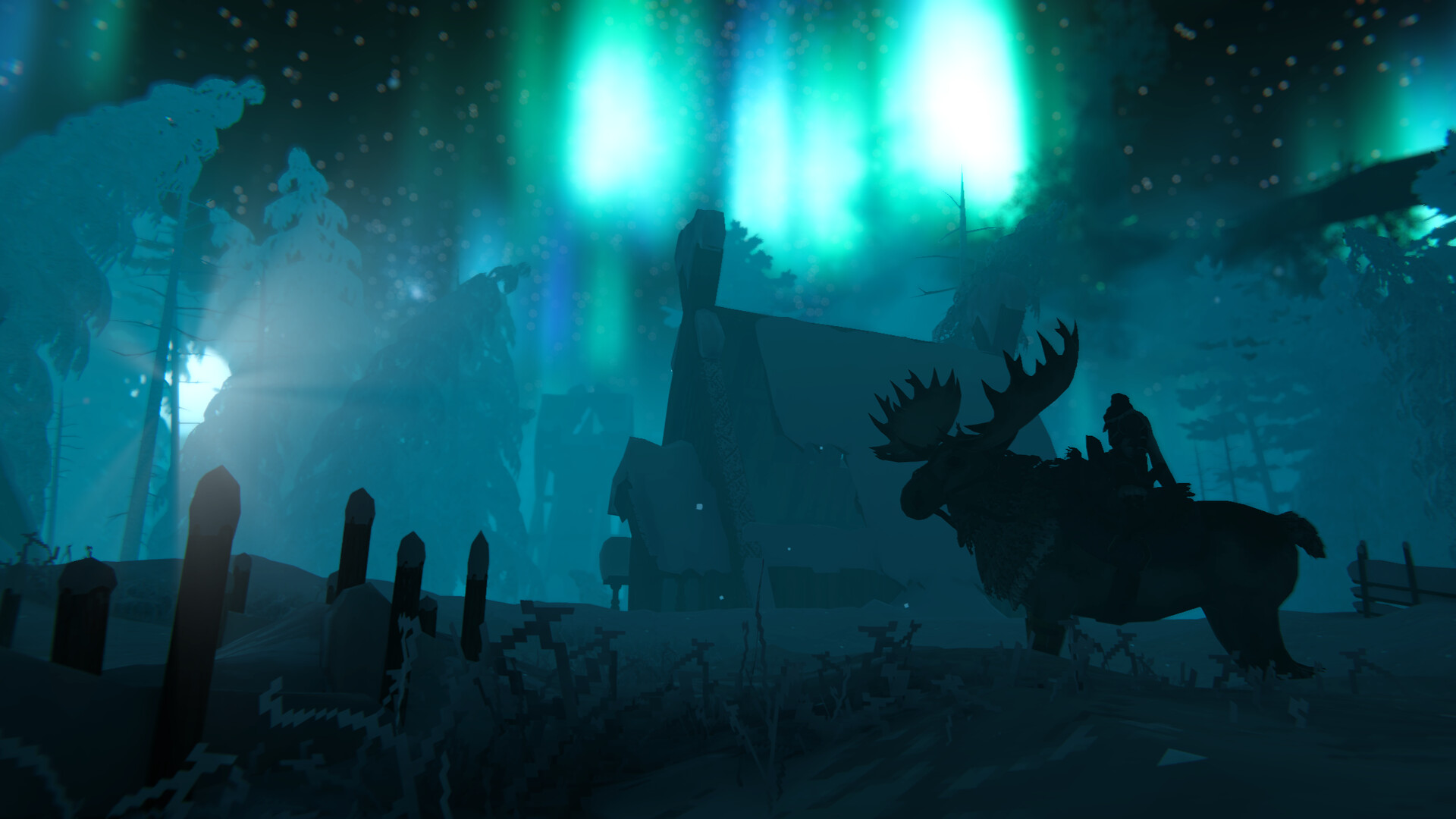
Valheim drops you into a procedurally generated afterlife inspired by Viking culture, with each biome offering distinct environments, unique resources, and dangerous enemies. Official categories confirm full single-player, multiplayer, and online co-op support for up to ten players, so you can sail the open seas alone or with a crew. The procedural seed system means no two voyages look identical, which gives creative builders a fresh canvas every save.
Expressive building with structural integrity
The detailed description highlights elaborate halls, small shelters, entire villages, and mountain-side fortresses, with defence and structural integrity playing real roles alongside decoration for maximum comfort. Snapping pieces together feels tactile, and players in reviews repeatedly describe designing longhouses and decorated bases as the activity that anchors their long-term play. New crafting, building, and cooking recipes unlock as you discover new materials, giving construction a steady sense of progression.
Skill-based combat and Forsaken boss progression
Combat runs on axes, blades, bows, stamina management, and crafted gear, and the food system ties directly into health and stamina pools so a hot meal before a raid genuinely matters. Defeating regional Forsaken bosses is the gate for advancing progression and earning Odin's recognition, which structures the survival grind into clear milestones. Players describe dying often while learning encounters, but say failure tends to feel fair rather than punitive.
Cross-platform play and full controller support
Official categories list Windows, macOS, and Linux availability along with DualShock, DualSense, and full controller support, plus Remote Play on Tablet for couch and handheld sessions. Steam Cloud and Family Sharing make it easy to hop between setups without losing your Viking saga. Save Anytime is also officially supported, which removes the classic survival-game anxiety about logging off during a storm.
What players are saying
What keeps coming up positively
- Players consistently describe progression as meaningful rather than grindy when played with a group, with cooperative roles like gathering feathers and marking berries making chores feel shared.
- The building system earns strong placement, with multiple long-term reviewers saying base construction and decoration kept them returning for hundreds of hours after combat loops faded.
- Atmosphere and the Norse setting draw repeated praise, with players highlighting the moody biomes, sailing, and Viking flavor as the hook that pulled friends into marathon sessions.
- Many returning players cite Valheim as a memory anchor, picking it up with partners or old groups and valuing the relaxed pacing once a base is established.
Where the friction shows
- Multiple reviewers argue that solo play magnifies the grind, since gathering, sailing, and boss prep that feel light with friends become repetitive chores alone.
- Quality-of-life gaps recur in negative feedback, including missing equipment comparison sheets, no transmog options, messy key rebinding conflicts in text fields, and absent server settings for durability or food decay.
- Development pace is a common grievance, with players noting few major biomes or features shipped across long stretches and lamenting missed quality-of-life polish at full release.
Is it worth buying?
At $26.99 with a 10 percent discount off the $29.99 regular price, the cost is reasonable for a fully released sandbox, but it is not a deep enough cut to chase urgently if you only intend to dabble solo. The strongest value sits with players who already have a group lined up, since cooperative play softens the grind complaints that dominate negative solo reviews. If you burned out on earlier early access builds expecting major new biomes, there is little reason to rush back at this modest discount.
Price checked 2026-10-02:$26.99,down from $29.99(10% off)。Player-fit tags
Good fit
- Players with a steady group of friends who want a shared Viking base-building project with clear boss milestones
- Creative builders who enjoy decorating and structurally sound longhouses more than PvP or combat optimization
- Exploration-focused survivors who enjoy sailing procedural seas and slowly charting new biomes at their own pace
- Older or returning players looking for a relaxing creative sandbox they can pause and resume via Steam Cloud and Save Anytime
- Controller players who want a couch-friendly survival game with full DualSense and DualShock support
Probably not for you
- Solo players without a co-op crew, since grind and repetition complaints concentrate in single-player sessions
- Players expecting frequent major content drops, given repeated feedback about glacial development pace and limited biome additions
- Anyone prioritizing fashion and inventory polish, since transmog, equipment comparison, and keybinding conflicts are recurring friction points
07Cities: Skylines II review: ambitious sequel where expressive builders shape districts, roads, and budget trade-offs across a living economy
STEAM DEAL · 30% OFF
Cities: Skylines II
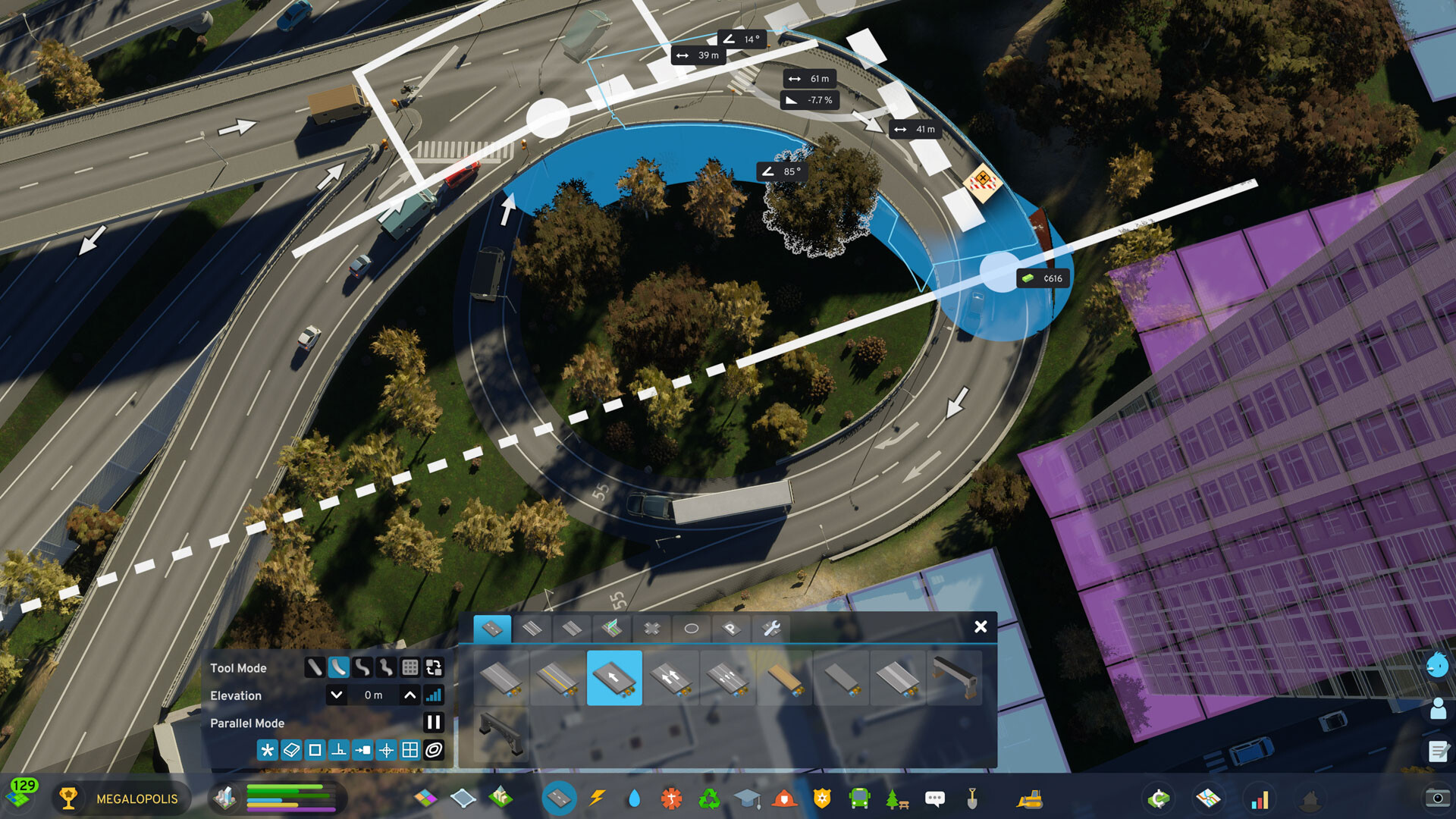
Worth a look if creative city-shaping is your main hobby and your rig is strong enough, but expect rough edges, aggressive DLC cadence, and a sense that the simulation is still catching up to its ambitions.
Game highlights
A full city-building sandbox with living citizens
The base release puts you in charge of roads, utilities, zoning, industry, trade, and a municipal budget, with the official pitch centered on a 'living economy' and AI citizens whose life paths change as your decisions ripple outward. Day-night cycles, seasons, weather, and pollution mean your city keeps reacting long after you stop placing tiles.
Map choice shapes long-term expansion
Selecting a map at the start sets climate and the natural forces you negotiate, and the game encourages sprawling across far more map area than the original, including larger populations and taller skylines. That scale directly affects how you handle districts, traffic, and service coverage as the city grows.
Controller and single-player friendly structure
Features listed on the store page include full controller support, Steam Cloud, achievements, and a single-player focus, with Family Sharing enabled. That makes it approachable for couch play or long solo marathons, even though every system ultimately runs on the same simulation underneath.
Expansion Pass 2 roadmap signals ongoing support
The official description points to an Expansion Pass 2 roadmap, which indicates the publisher is committing to additional content releases beyond launch. For a creative player that audience is meaningful, but it also implies extra purchases if you want the full picture.
What players are saying
What keeps coming up positively
- Players keep coming back for the core building loop and the satisfaction of laying out roads, zones, and districts from scratch.
- Many enjoy the sense of a living city where citizens, seasons, and a real economy react to player choices.
- Creative builders appreciate the freedom to sprawl, build skyward, and shape unique skylines on large maps.
- Long-time fans of the franchise still find moments that capture what made the original appealing.
Where the friction shows
- Repeated complaints about crashes wiping hours of work, with players reporting lost motivation after losing an in-progress city.
- Frustration over features some expected at launch still missing or unreliable, including traffic AI, pedestrian crossings, and mail routing.
- Performance complaints even on capable hardware, with reports of frame rates dropping sharply once populations grow.
- Anger at paid DLC cadence and features feeling locked behind extra purchases rather than base-game patches.
Is it worth buying?
At $34.99 USD against a $49.99 regular price during a 30% off promotion, the current discount trims only part of the cost, and the DLC stack can push the real spend much higher. With documented crash reports, rough performance at scale, and core systems still being iterated on, this is a safer pick on a deeper sale or once your target frameworks run more smoothly on your hardware.
Price checked 2026-10-02:$34.99,down from $49.99(30% off)。Player-fit tags
Good fit
- Players who treat city layout, zoning, and district design as a long creative project rather than a quick session.
- Simulation fans who enjoy balancing budgets, utilities, and citizen needs against an evolving economy.
- Builders who like sprawling across huge maps and iterating on the same save for dozens of hours.
- Owners of strong PCs who can push higher populations and larger tiles without choking the simulation.
- Controller players who want a couch-friendly single-player sandbox to chip away at between longer sessions.
Probably not for you
- Players who want a polished, low-friction launch experience without crashes or lost saves.
- Anyone sensitive to aggressive DLC rollouts and features that feel paywalled after release.
- Buyers on mid or weak hardware, given identical complaints about frame drops at moderate populations.
- Players expecting the depth and mod tooling of the first Cities: Skylines out of the box.
08Construction Company is a self-paced solo construction management sim for patient tycoon players willing to overlook its rough launch onboarding
STEAM DEAL · 20% OFF
Construction Company
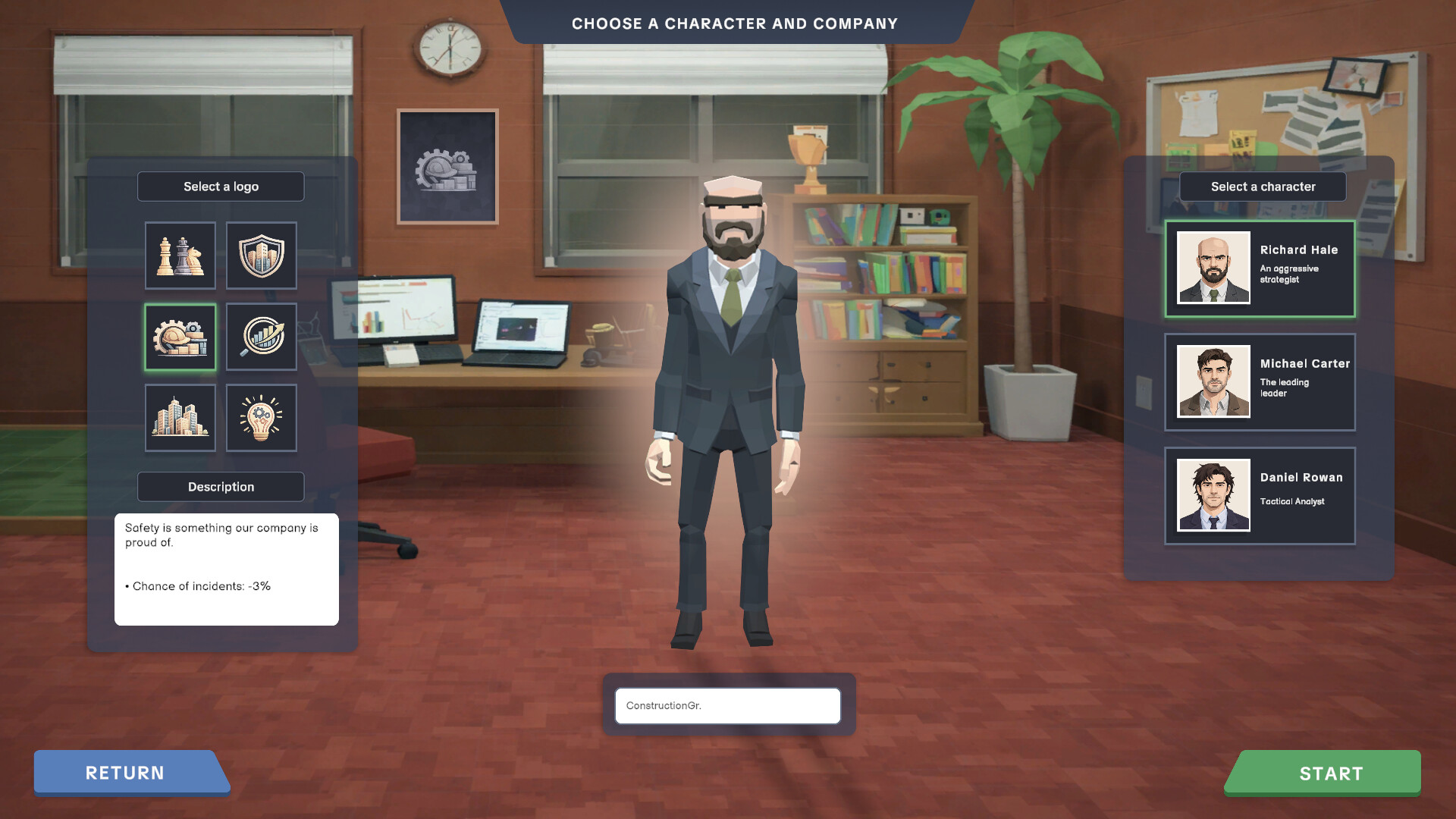
Construction Company is a reasonable pickup at its current $11.99 sale price (down from $14.99) for solo management fans who enjoy slow-burn tycoon loops and don't mind a hands-on learning curve, but anyone expecting deep building mechanics or a polished tutorial should wait for additional updates.
Game highlights
Inherited Business With Debt To Clear
You step into a struggling construction company left behind by your grandfather, with starting debt that has to be repaid before the business can expand. The official description frames the loop around taking first contracts, earning reputation, and slowly growing into an empire, which works well for players who enjoy long-term progression arcs rather than instant gratification.
Hire, Assign, and Specialize Your Workforce
Workers come with individual skills and experience levels, and you form them into crews assigned to specific contracts. Managing who goes where is positioned as a core decision layer rather than an afterthought, giving the management loop more texture than a pure click-to-accept simulator would.
Contracts, Resources, and Material Prices
Projects span suburbs, city districts, downtown, and special locations, each requiring specific equipment and supplies. You monitor fluctuating material prices, stock the warehouse, and meet deadlines to earn money, reputation, and experience, which means juggling logistics between accepting work and gathering resources.
Office Customization and Home Building
Beyond the business side, you can purchase land and use company workers to build and upgrade your own house. Office furniture placement is also a feature, though several players noted that placed items don't visibly affect workflow, so treat it as cosmetic expression rather than a strategic layer.
What players are saying
What keeps coming up positively
- Visuals and textures are appealing, with several players calling the art direction delightful.
- The developer actively responds to feedback and pushes fixes quickly, which multiple reviewers highlighted as a strong reason to stick around.
- The core concept of running crews, vehicles, and contracts has clear long-term appeal for tycoon fans.
- Performance runs smoothly on typical setups, with no widespread reports of crashes or frame drops.
Where the friction shows
- The tutorial amounts to a short list of instructions rather than a guided walkthrough, leaving many new players stuck on basics like where equipment unlocks live or how to cancel an accepted contract.
- There is a loading screen every time you move between the office and warehouse, and checking required resources forces constant back-and-forth trips that several reviewers described as tedious.
- Core gameplay loops are extremely shallow and repetitive, with the same accept-contract, check-resources, complete-project cycle repeating without meaningful variation even at higher progression levels.
- Several players reported being unable to complete their first contract due to unclear prestige or equipment requirements, leading to refunds shortly after launch.
Is it worth buying?
At $11.99 (a 20% discount off the $14.99 regular), Construction Company is priced fairly for a solo management sim but not a steal. If you already enjoy tycoon loops and don't mind reading external guides or experimenting through trial and error, it's reasonable to grab now and benefit from the developer's rapid update cadence. If tutorial clarity and mechanical depth matter to you, waiting for a content update or a deeper sale would be the safer call.
Price checked 2026-10-02:$11.99,down from $14.99(20% off)。Player-fit tags
Good fit
- Players who enjoy self-paced solo management sims where progression unfolds over many hours
- Tycoon fans comfortable learning mechanics through experimentation rather than guided tutorials
- Players who appreciate active developers and want to support a small studio iterating in public
- Players who enjoy logistics loops centered on resource tracking, vehicle fleets, and crew assignment
- Patient builders who like the idea of slowly growing a business from debt to empire
Probably not for you
- Players who require a thorough, guided tutorial before they can engage with core systems
- Anyone expecting deep building or decoration mechanics tied to actual employee behavior
- Players sensitive to frequent loading screens between core hubs like office and warehouse
- Those looking for varied late-game content, since multiple reviewers report repetitive loops even at higher progression
Share this article