NEW ON STEAM · 35% OFF
Wanderburg




At a glance
Wanderburg game facts
Steam store information checked 2026-09-13。- Studio
- Randwerk Published by Sidekick Publishing
- Release
- Sep 8, 2026 Released
- Official genres
- Action · Casual · Indie · RPG · Simulation · Strategy · Early Access
- Play mode
- Single-player
- Desktop platforms
- Windows
- Steam Deck
- Playable The default controller layout may need manual adjustment.
- Controller
- Full support
- Steam features
- Achievements · Cloud · Family Sharing
- Languages
- 16 listed languages English, French, Italian, German
What that means for your setupWanderburg is developed by Randwerk and published by Sidekick Publishing. It released into Steam Early Access on September 8, 2026, and is a single-player Windows title tagged across Action, Casual, Indie, RPG, Simulation, Strategy, and Early Access. The Steam store page lists full controller support, Steam Cloud saves, Achievements, and Family Sharing, and the developer confirms play with mouse, keyboard, or controller. It is Steam Deck Playable, though the developer notes the default controller layout may need manual adjustment. Localization is broad, covering sixteen languages including English, French, German, Spanish, Italian, Japanese, Korean, Polish, Brazilian and Iberian Portuguese, Russian, Simplified and Traditional Chinese, Turkish, and Ukrainian. At launch the game is sitting at a 35% introductory discount, bringing the price down from $14.99 to $9.74 USD for a limited window after its debut.
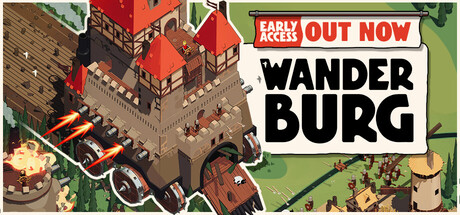
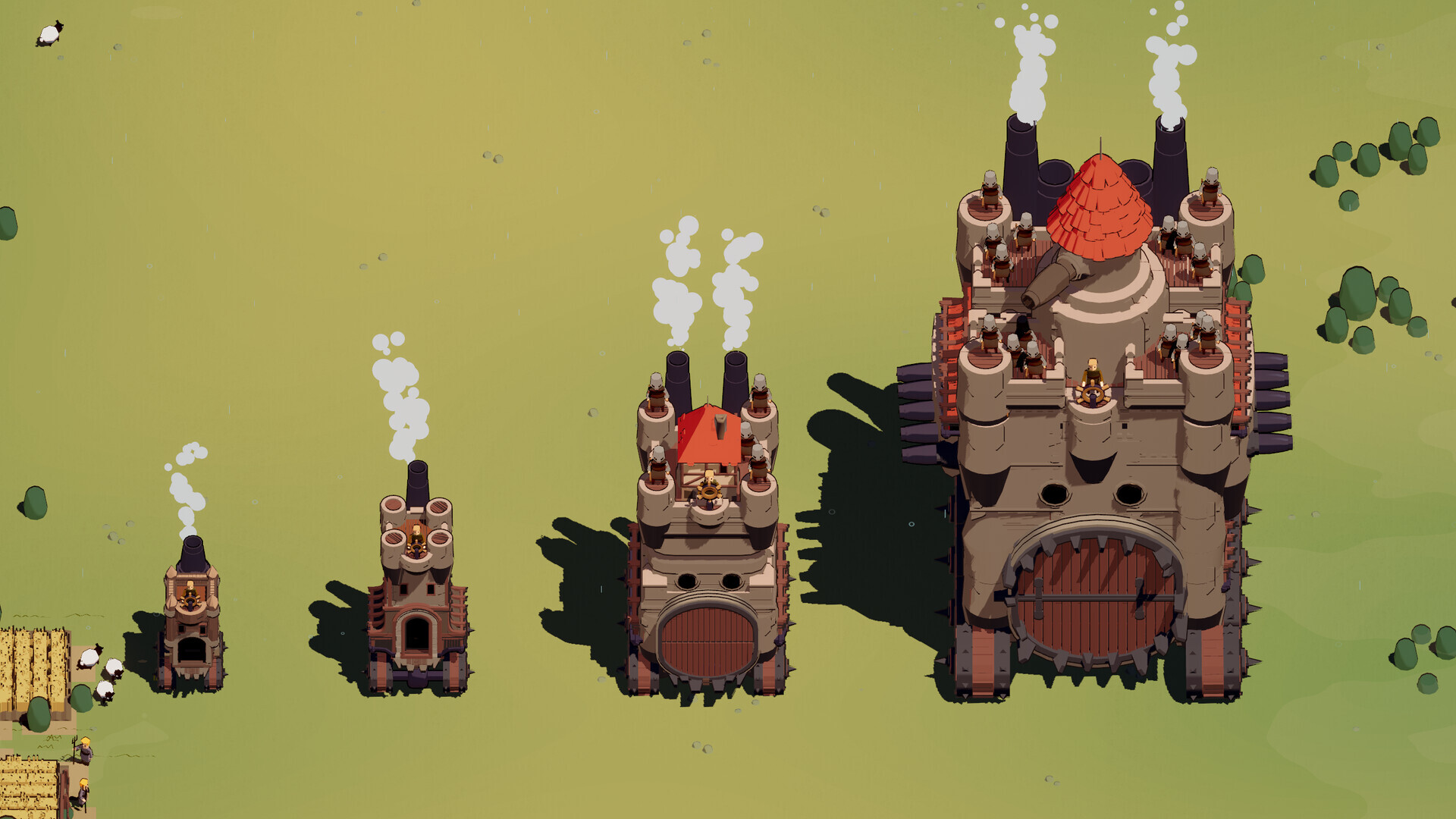
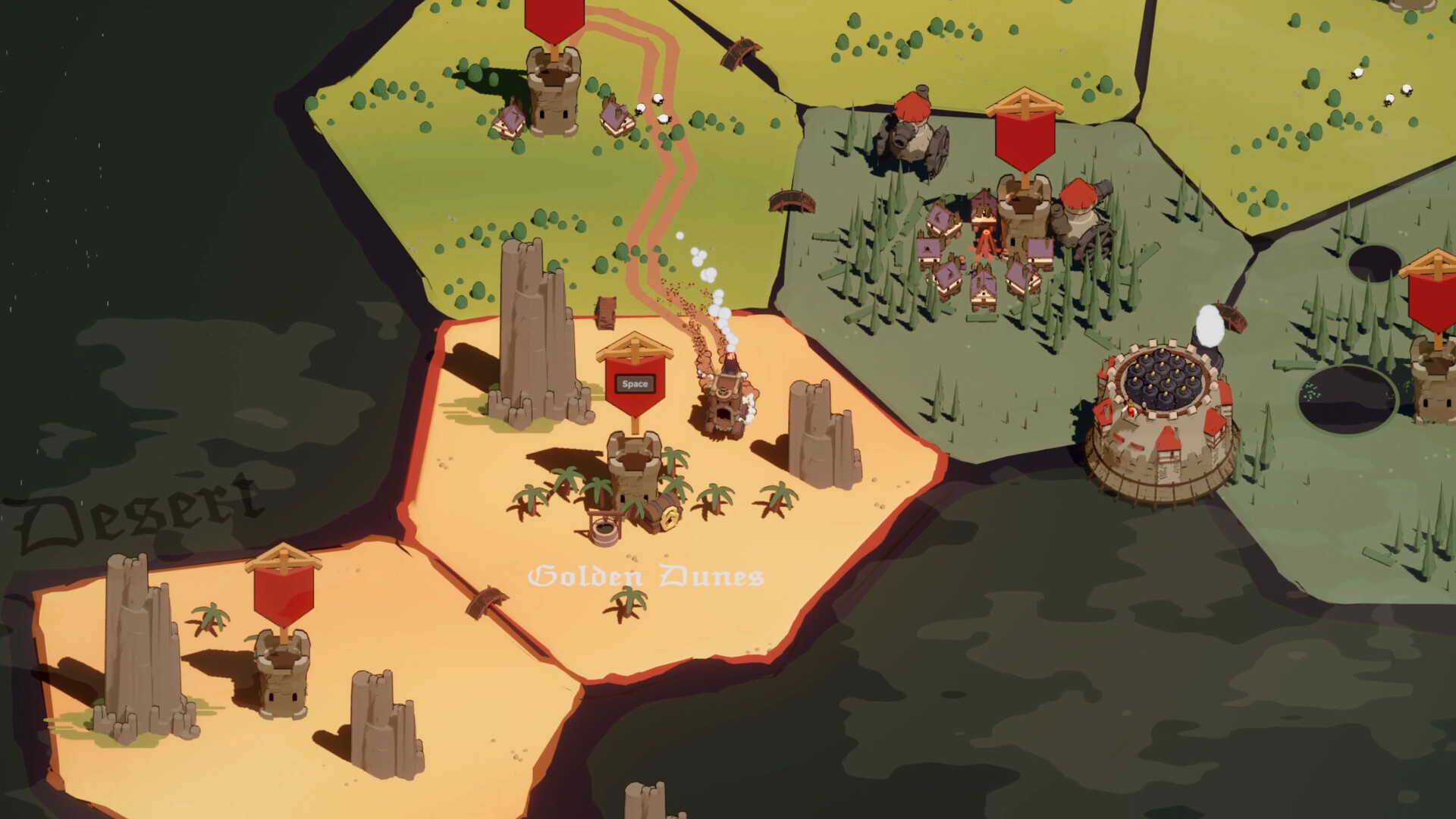
Wanderburg hands you the keys to a moving fortress and lets you roll straight into the absurdity: tiny medieval villages scatter as your castle lumbers forward, cannons rattle off broadsides, knights pedal bicycles into battle, and wizards staff arcane towers bolted to your hull. It is a roguelike built on the joy of watching a humble stronghold grow into a gobbling war machine, run after run.
What the game actually feels like
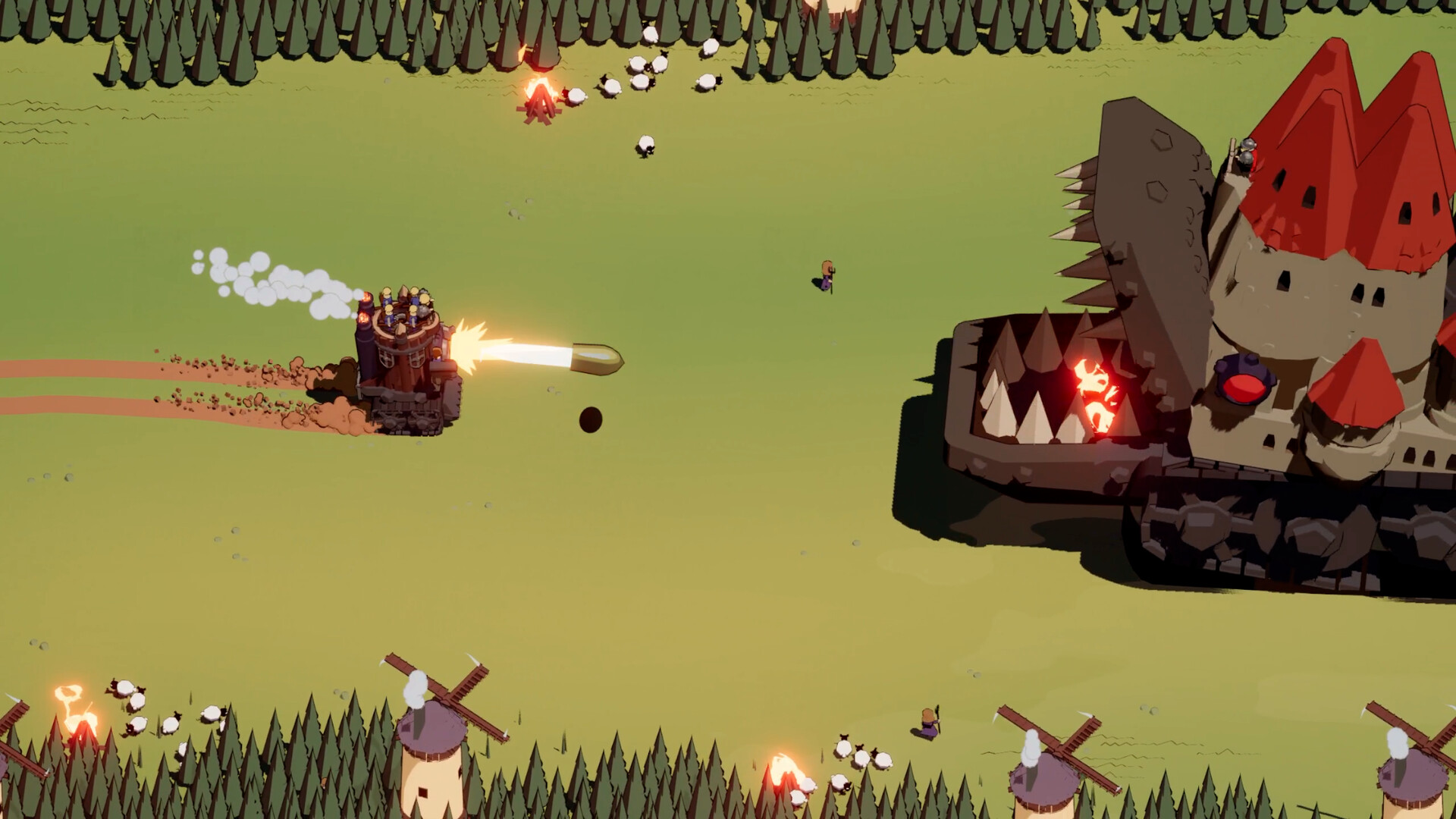
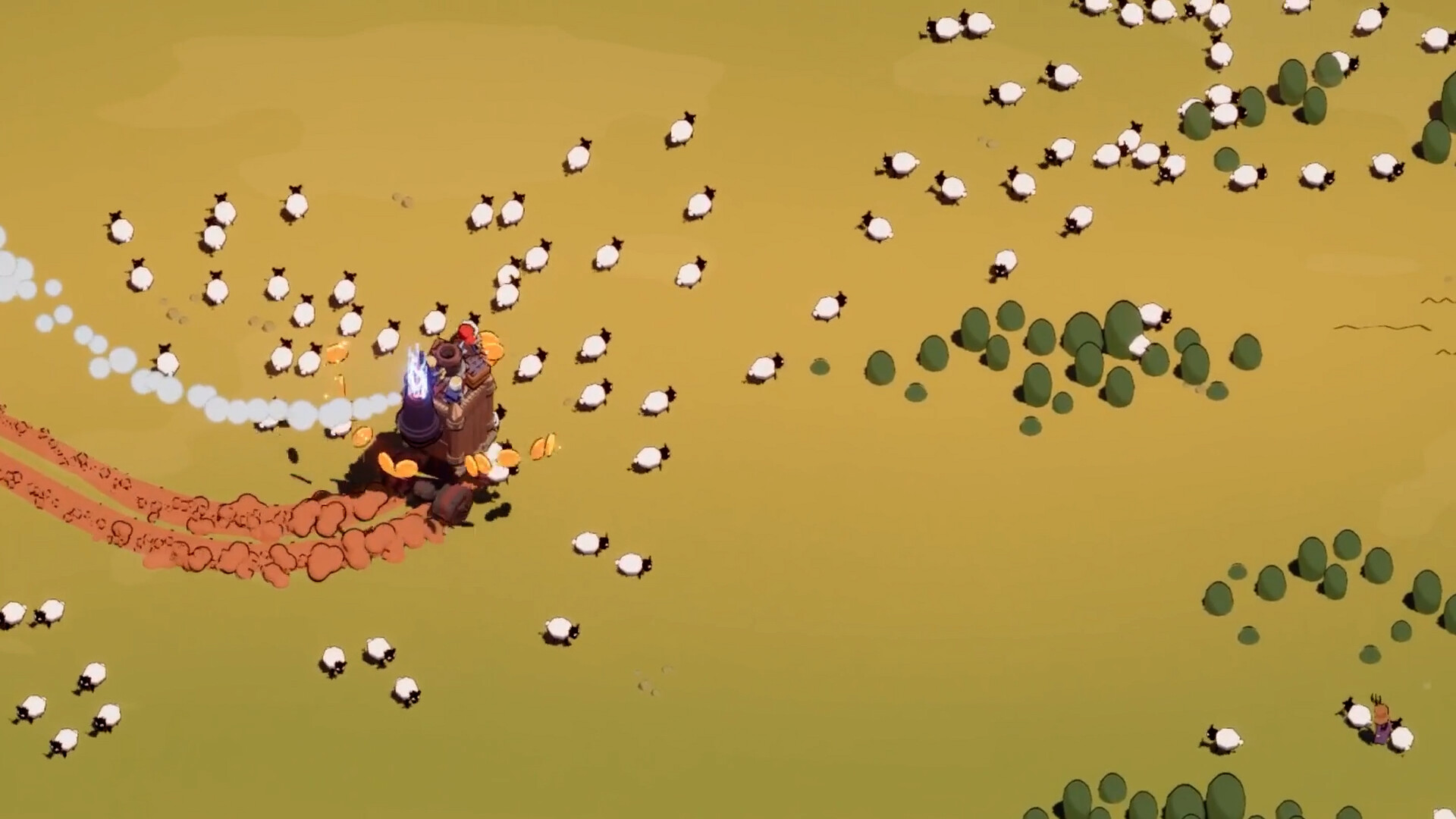
The core fantasy is the castle itself. You steer a continuously moving fortress through minimalist landscapes, swerving left and right to dodge incoming fire, gobbling up fleeing villages, wandering flocks, and smaller strongholds for gold, and triggering cooldowns for your active weapons while passives auto-fire, a setup multiple reviewers compared favorably to the rolling-and-collecting satisfaction of Katamari Damacy.
Between runs a modular progression system doles out new siege modules, vehicles, artifacts, and captains. The current early access build already exposes multiple propulsion systems, fourteen captains, six crew types, twenty weapons, and twenty-one starter artifacts, enough variety that a long-time playtester reported clocking roughly eighty-five hours and still wanting more, while another player with over eighteen hundred minutes noted that there is no single dominant playstyle so far as long as you bring mobility.
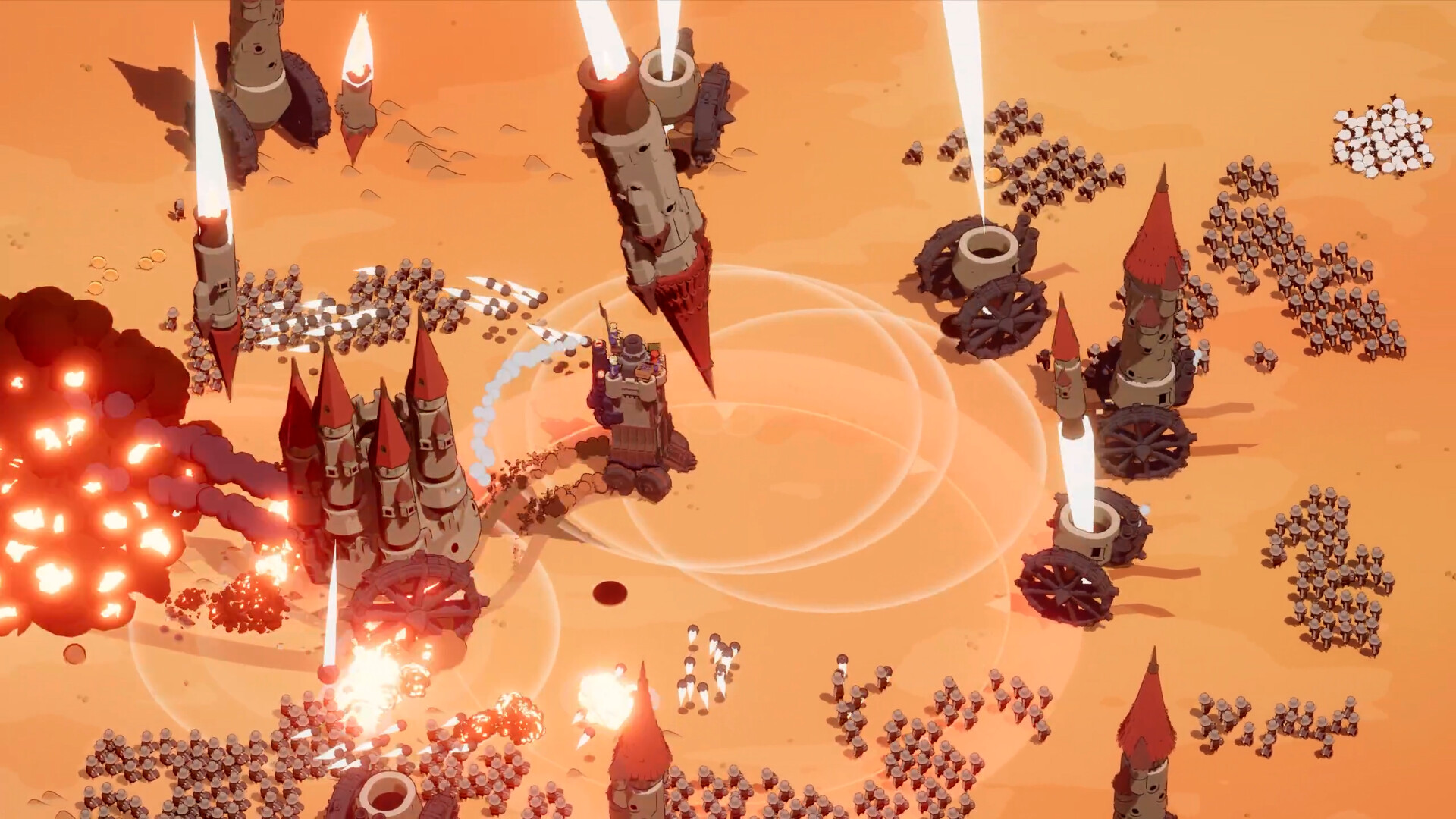
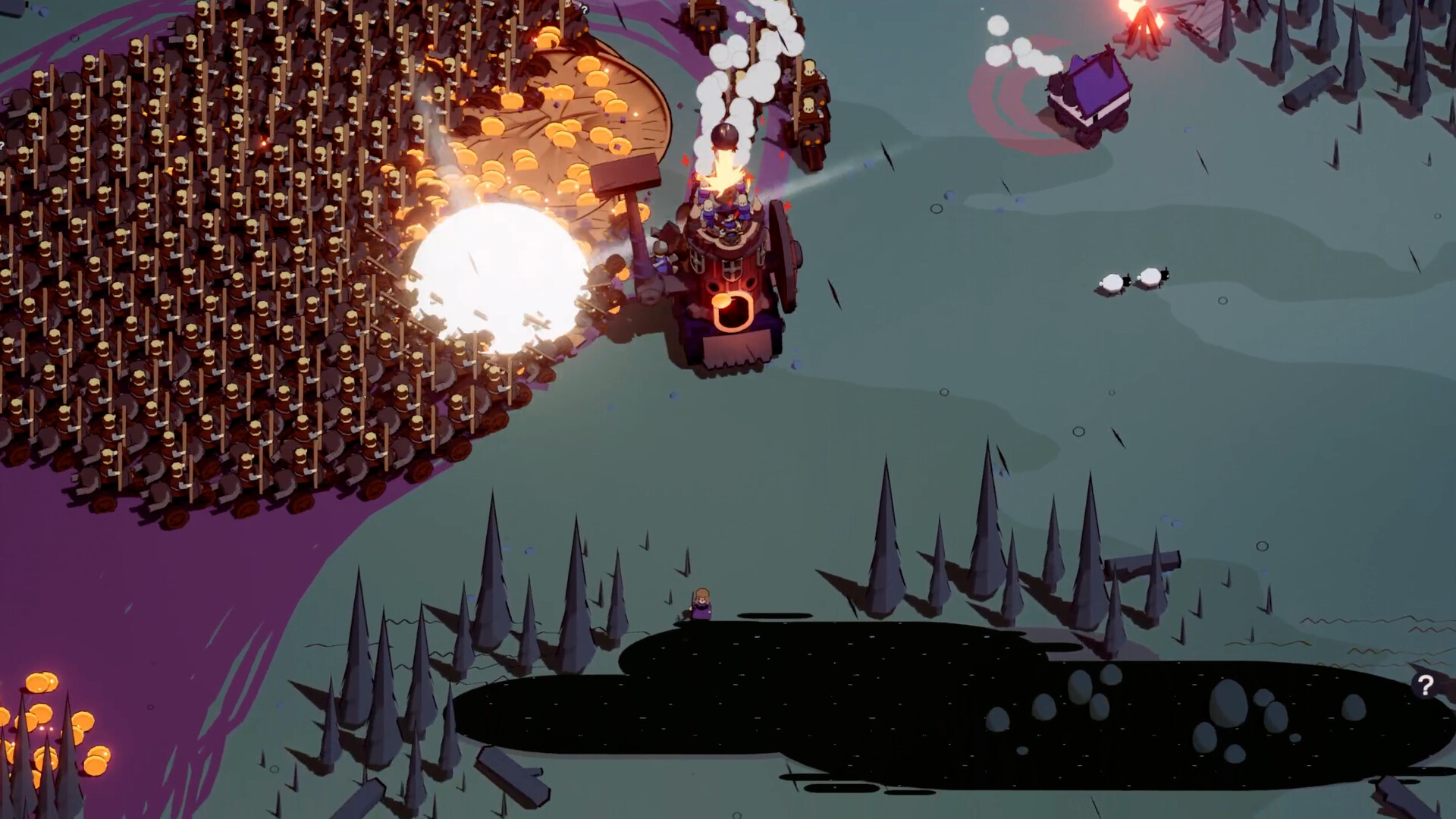
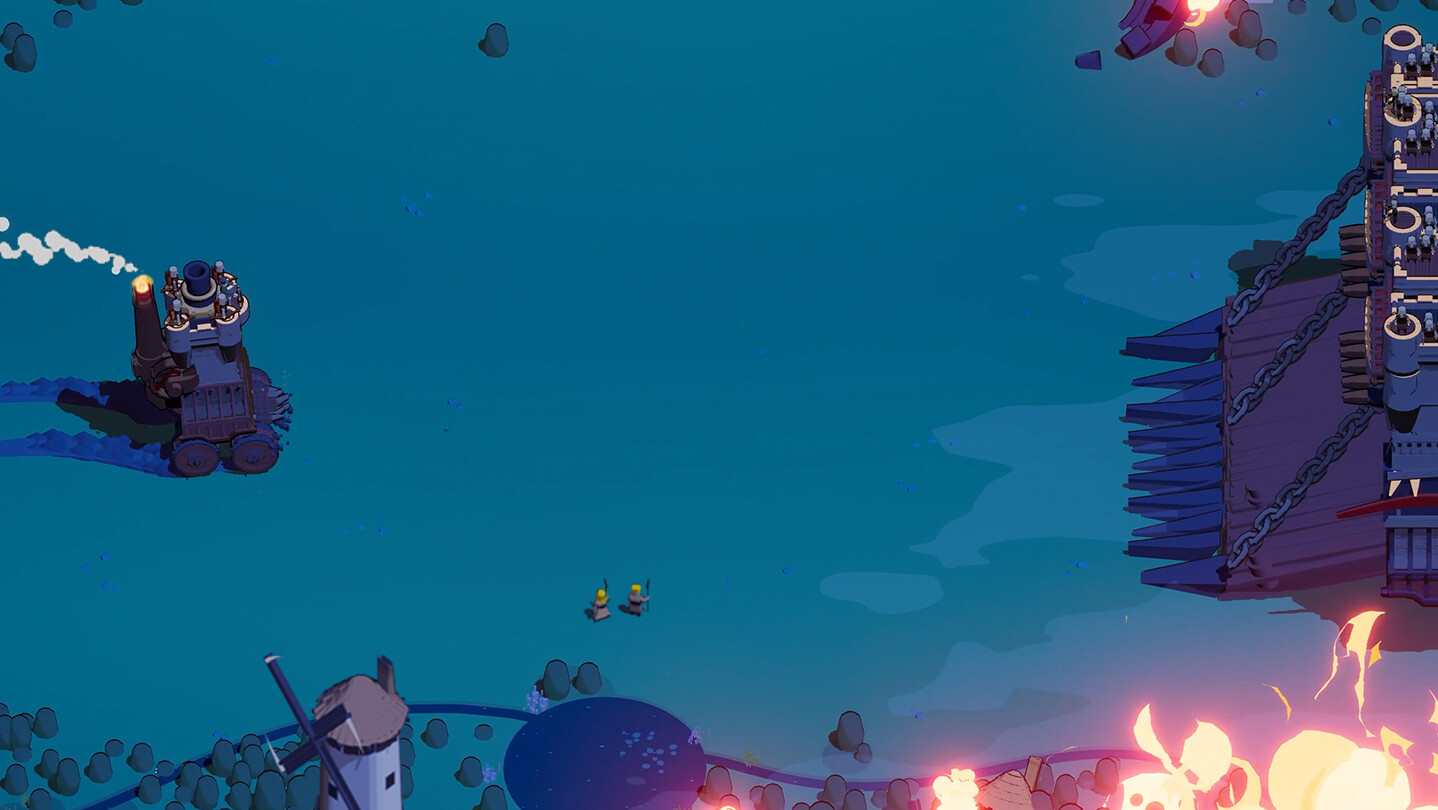
Combat is a hybrid of bullet-heaven auto-aim and active cooldown management. Cannons and arrows cover the passive layer, while you trigger up to four active abilities on cooldown, plus a turbo button for speed boosts that doubles as a movement and dodging tool. Bosses appear on a timer, chase you across the map, and reward a vehicle upgrade that shifts your castle toward a defensive or movement focus after being defeated.
The visual and audio identity is a real hook. Reviewers repeatedly singled out the soundtrack as a standout, with one player calling it absolutely bonkers, another saying the game is worth it for the music alone, and the developer description promising whimsical tracks to match the cutesy-silly-explodey aesthetic. The minimalist art direction reads as charming rather than sparse, with environments and enemies that feel distinct despite the simple style.
What early players are seeing
What is landing
- A Mortal Engines fan posted one of the most upvoted positive reviews, writing that they had always wondered how that world would play as a game and finding Wanderburg close enough to scratch that itch with its prepare to ingest energy, earning eighty-nine helpful votes from other Steam users.
- Another widely appreciated review praised how smoothly the game runs on Steam Deck, called the soundtrack absolutely bonkers, and noted that despite typical early access formatting hiccups in various translations the experience was generally pretty entertaining, a sentiment supported by a separate reviewer who simply wrote Works well on Deck and SteamOS. Addicting and unique take on one of those games.
- A long-time playtester with hundreds of hours called the game pure fun and nothing else, praising the way it puts no obstacles in the way of having fun, with no unnecessary menus, no story gating, and a click play, confirm loadout, have fun flow that lets the core rolling-castle gameplay stand on its own.
- One enthusiastic reviewer imagined Howl's Moving Castle taking the concept personally and raved about the rare combination of tower offense, bullet hell mechanics, and player skill mattering, highlighting how completely different module combinations change the strategy from speed-ramming builds to mine-laying tanks to flame-throwing spider fortresses.
What still needs watching
- The difficulty curve is jagged. Multiple reviewers describe a sharp leap between the first biome, which feels forgiving with plentiful health pickups, and later biomes where they felt forced into specific meta builds and even recommended resetting runs around the four-minute mark if key upgrades had not appeared, which is a real consideration for anyone sensitive to abrupt spikes.
- Meta progression is thin at launch. Several players, including one with nearly seven hundred minutes logged, pointed out that unlocks between runs only grant access to new modules, captains, and artifacts rather than powering up existing ones, meaning your favourite build plays essentially the same on run one and run one hundred. The developer has acknowledged this feedback, but it is a current-state caveat for anyone weighing day-one purchase.
- Stability is uneven for a small but vocal slice of players. One reviewer with over two hundred minutes catalogued crashes triggered by clicking new run, alt-tabbing, changing settings, plugging or unplugging a controller, and even background downloads or Discord notifications, while another reported crashes roughly eighty percent of the time they picked up more than three upgrades. Other long-hour players describe only minor bugs, so experiences vary widely by hardware and setup.
Is Wanderburg worth buying now?
Current decision
Worth tryingWanderburg delivers a genuinely fresh hook, a moving fortress you steer through minimalist battlefields, that is supported by an unusually consistent run of positive player reactions and a soundtrack people cannot stop praising, while its current early-access warts (jagged difficulty, thin meta progression, sporadic crashes for some users) are real but openly acknowledged and actively being addressed. For the launch price, even skeptical players report double-digit hours of entertainment with clear potential for much more as the roadmap fills in.
Who this is for
A good fit if you…
- Fans of survivors-style and bullet-heaven roguelikes who want a novel vehicle instead of a stationary character, especially anyone who ever wanted to live out the Mortal Engines or Howl's Moving Castle fantasy in game form.
- Players who like short, snackable runs of roughly twenty minutes that still deliver meaningful upgrade decisions and a sense of growth across a session.
- Builders and tinkerers who enjoy swapping modules, captains, crew, and artifacts between runs to chase wildly different strategies, from ramming speed demons to mine-laying tanks to wizard-turret war machines.
- Steam Deck and couch players looking for a Playable Verified-style experience with full controller support, cloud saves, and a layout that runs smoothly on handheld hardware once the default mapping is tweaked.
- Anyone who values distinctive audio design, since multiple reviewers single out the soundtrack as a highlight strong enough to carry the game on its own.
Wait if you…
- You want a fully polished 1.0 release with deep meta progression between runs, since multiple long-hour players feel the between-run power curve is currently too flat and the developer is still iterating on it.
- You are highly sensitive to crashes or UI bugs, as some users report frequent crashes tied to specific actions like alt-tabbing, controller swaps, or even background downloads, even though others experience no such issues.
- You prefer traditional top-down or side-scrolling survivors action and have no interest in driving a bulky, momentum-based fortress through arenas, because the constant rolling and steering is the whole point and may not click for everyone.
If Wanderburg is not quite your game
SIMILAR OPTION
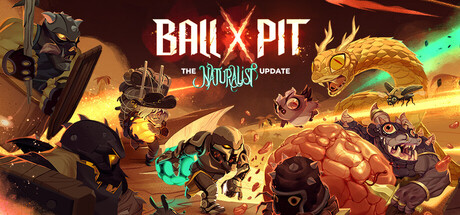
BALL x PIT
Choose it ifPick BALL x PIT if you want a stationary-arena roguelite with satisfying ball physics and a base-building meta layer, and pick Wanderburg if you would rather drive the arena yourself and watch a fortress grow absurdly over the course of a single run.
How it comparesRoguelike foundation with a strong build-variety and replayability hook wrapped around a simple, satisfying core verb. BALL x PIT is a brick-breaking, ball-fusing, base-building survival roguelite focused on ricocheting balls and expanding a homestead between runs, while Wanderburg centers on steering a moving castle, devouring villages, and bolting on siege modules; BALL x PIT leans into geometric projectile puzzles, whereas Wanderburg is a momentum-driven bullet-heaven where your fortress never stops rolling.

SIMILAR OPTION
BlazBlue Entropy Effect
Choose it ifChoose BlazBlue Entropy Effect if you want twitch-precision combo action with anime-style flair and a roster of distinct fighters, and choose Wanderburg if you want a more relaxed, momentum-driven loop where the satisfaction comes from upgrading and growing your rolling fortress rather than mastering frame-perfect inputs.
How it comparesFast-paced action roguelike with a heavy emphasis on flashy combat, responsive controls, and replayable build experimentation. BlazBlue Entropy Effect is an action roguelike built around hand-to-hand combos, character-specific move lists, and unlockable upgrades for tightly tuned character action, while Wanderburg is a minimalist, vehicle-based survivors game where you steer a castle and lean on auto-aim plus active cooldowns rather than mastering close-range combos.
SIMILAR OPTION
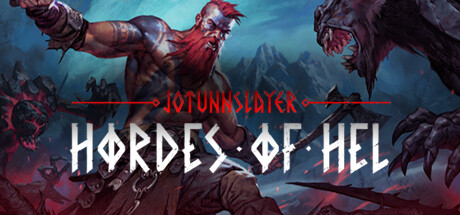
Jotunnslayer: Hordes of Hel
Choose it ifPick Jotunnslayer if you want a character-action horde survivor with mythological flavor and a growing roster of blessings and arenas, and pick Wanderburg if you want a sillier, vehicle-driven twist on the genre where the joy is watching your own mobile stronghold balloon in size and firepower.
How it comparesHorde-survival roguelike with a strong thematic identity, escalating waves, boss encounters, and a meta progression loop. Jotunnslayer: Hordes of Hel is a Norse-mythology horde survivor where you play a single god-like warrior earning divine blessings and exploring hostile realms, while Wanderburg puts you in control of a modular, devouring castle on wheels in a minimalist medieval setting with no real story and a much lighter meta layer between runs.
Share this article