NEW ON STEAM
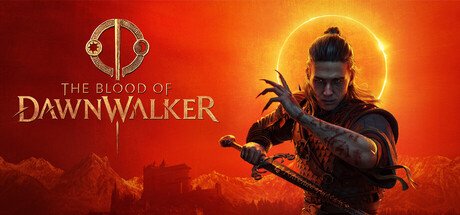
The Blood of Dawnwalker


At a glance
The Blood of Dawnwalker game facts
Steam store information checked 2026-09-08。- Studio
- Rebel Wolves Published by Bandai Namco Entertainment
- Release
- Sep 2, 2026 Released
- Official genres
- Action · Adventure · RPG
- Play mode
- Single-player
- Desktop platforms
- Windows
- Steam Deck
- Unknown No additional compatibility detail
- Controller
- Full support
- Steam features
- Achievements · Trading Cards · Cloud · Family Sharing
- Languages
- 15 listed languages English, French, Italian, German
What that means for your setupThe Blood of Dawnwalker is developed by Rebel Wolves, a Warsaw-based studio founded by veterans of CD Projekt Red's The Witcher 3 team, and published by Bandai Namco Entertainment. It launched on Steam on September 2, 2026, as a single-player Windows release priced at $69.99 USD, with full controller support confirmed and Steam Deck compatibility listed as unknown. The store page lists Achievements, Trading Cards, Cloud saves, and Family Sharing, alongside a broad language rollout with full audio support in English, French, Italian, German, Spanish (Spain and Latin America), Czech, Hungarian, Japanese, Korean, Polish, Portuguese (Brazil), Simplified and Traditional Chinese, and Turkish. The Eclipse Edition bundles the full game with a digital world compendium, soundtrack, and comic book. Because only Windows is listed on the store page and Deck verification is not claimed, anyone hoping to play on Steam Deck or other Linux-based handhelds should temper expectations until compatibility is officially clarified.
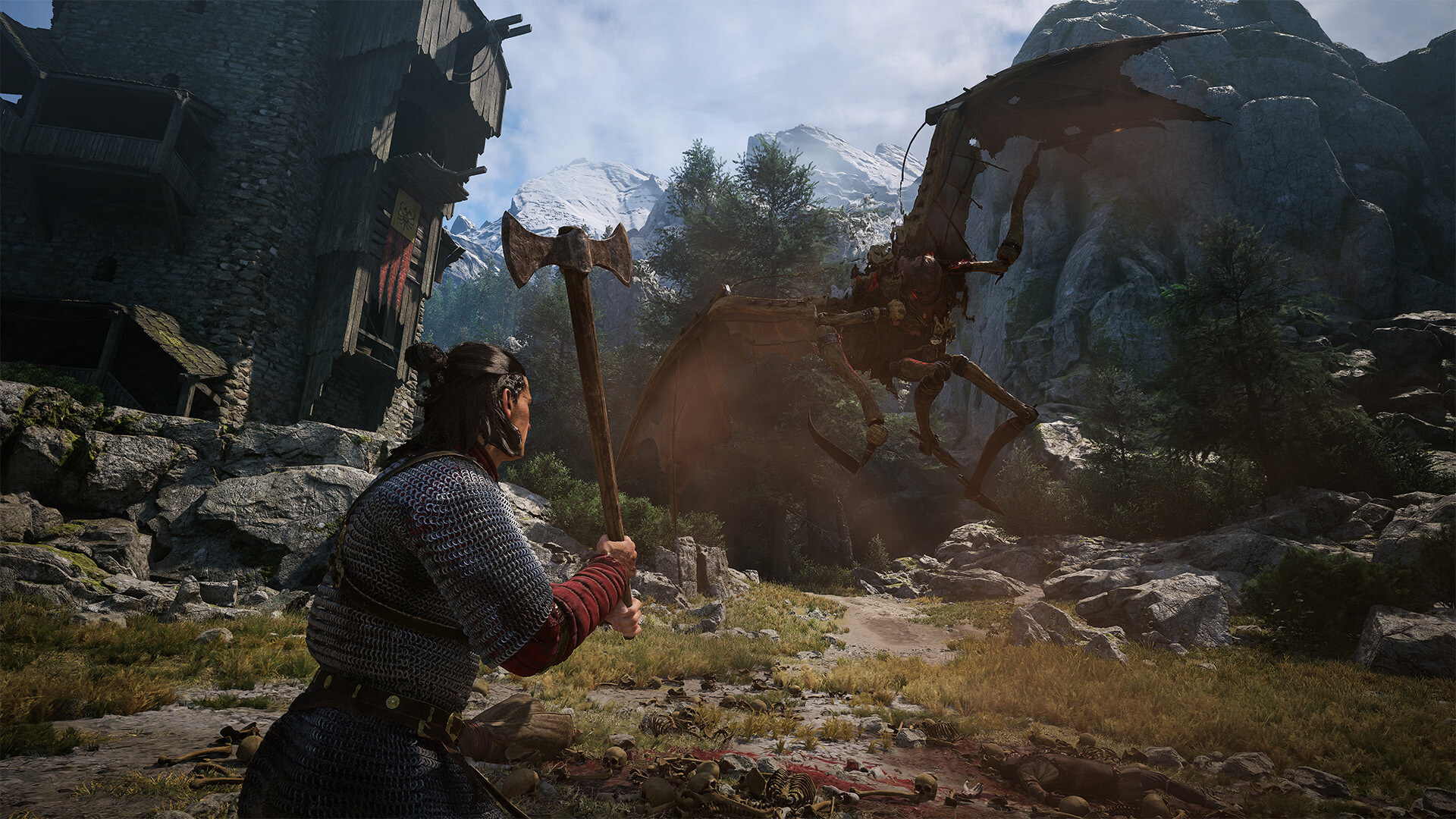
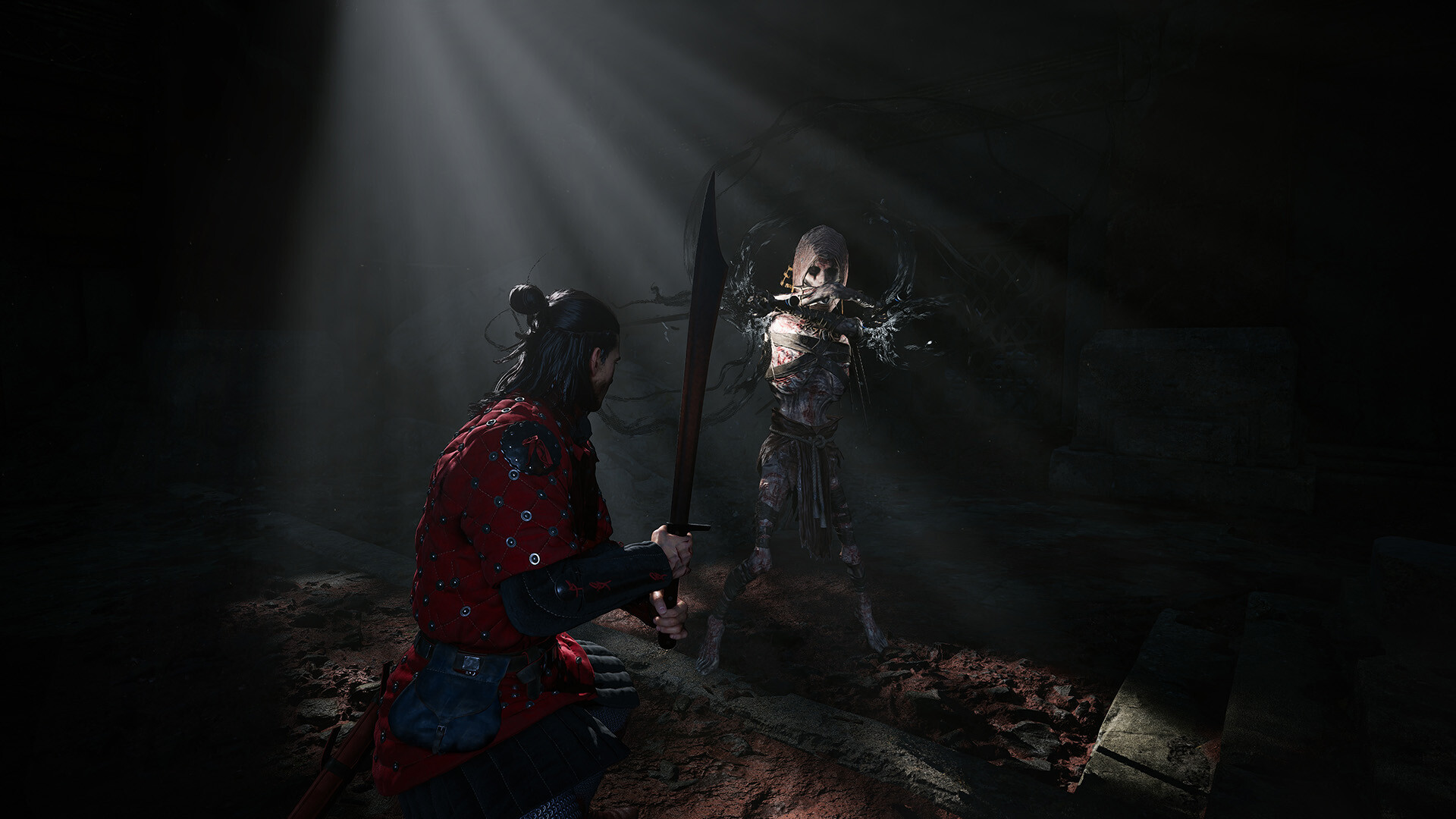
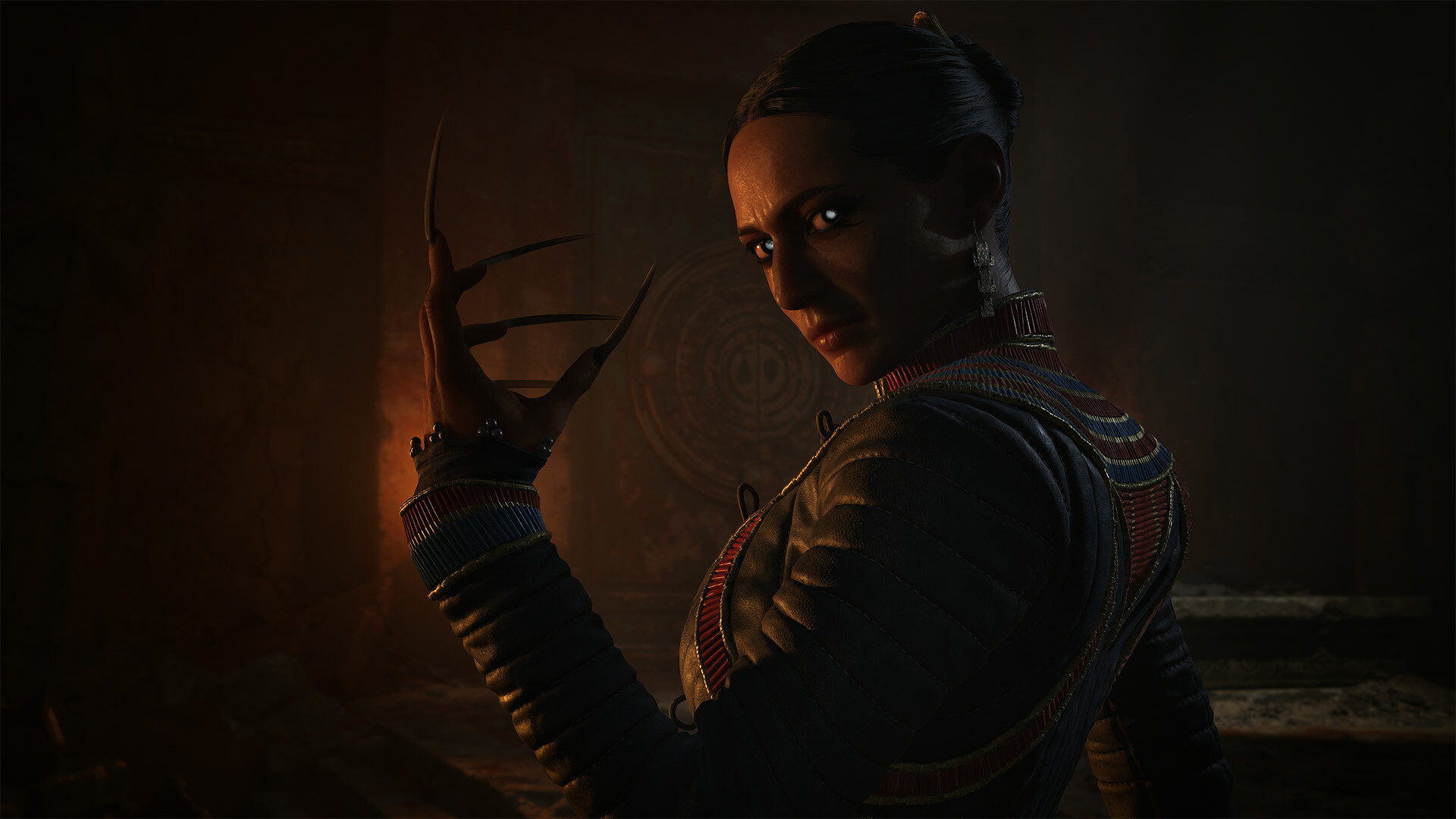
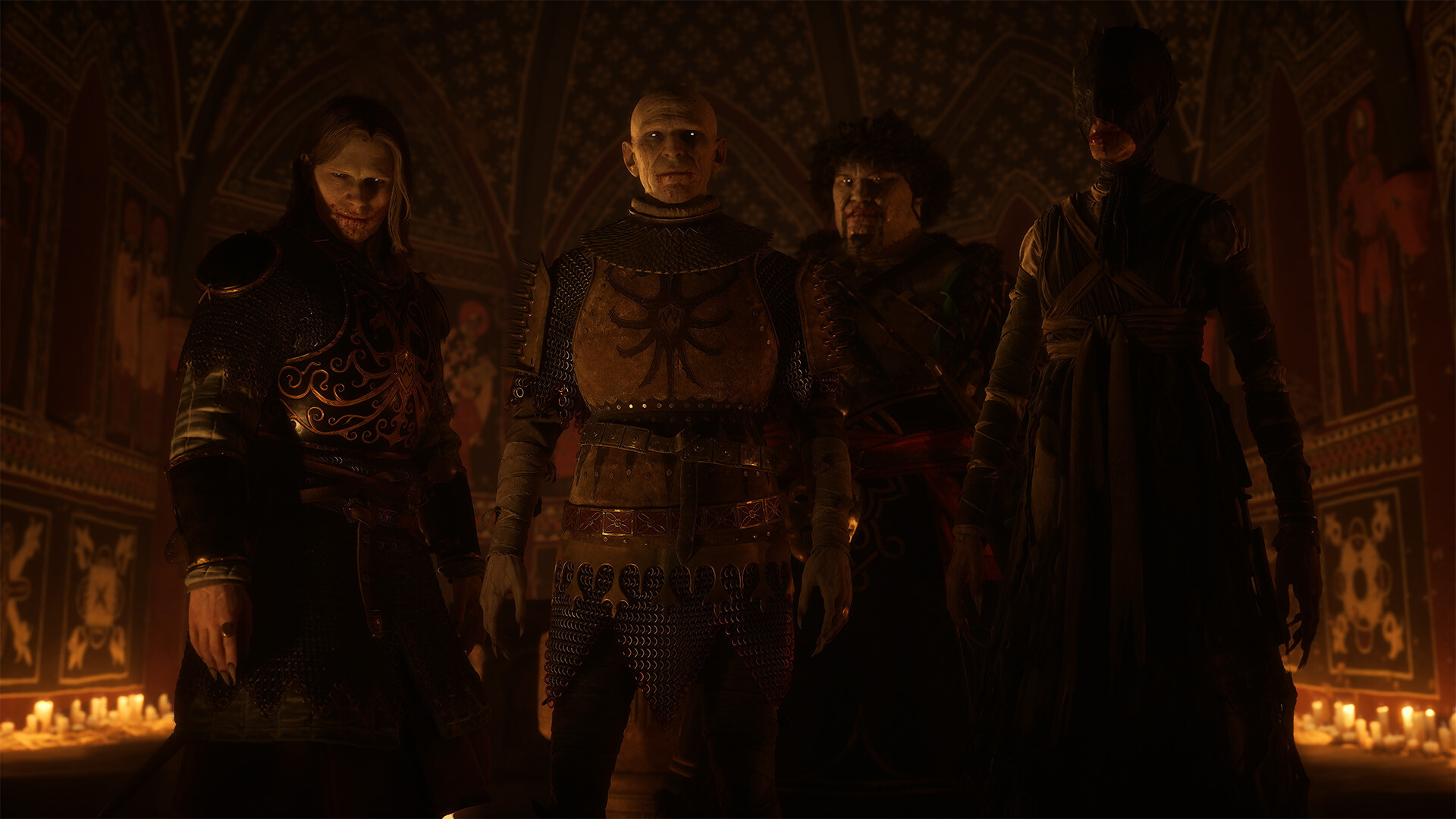
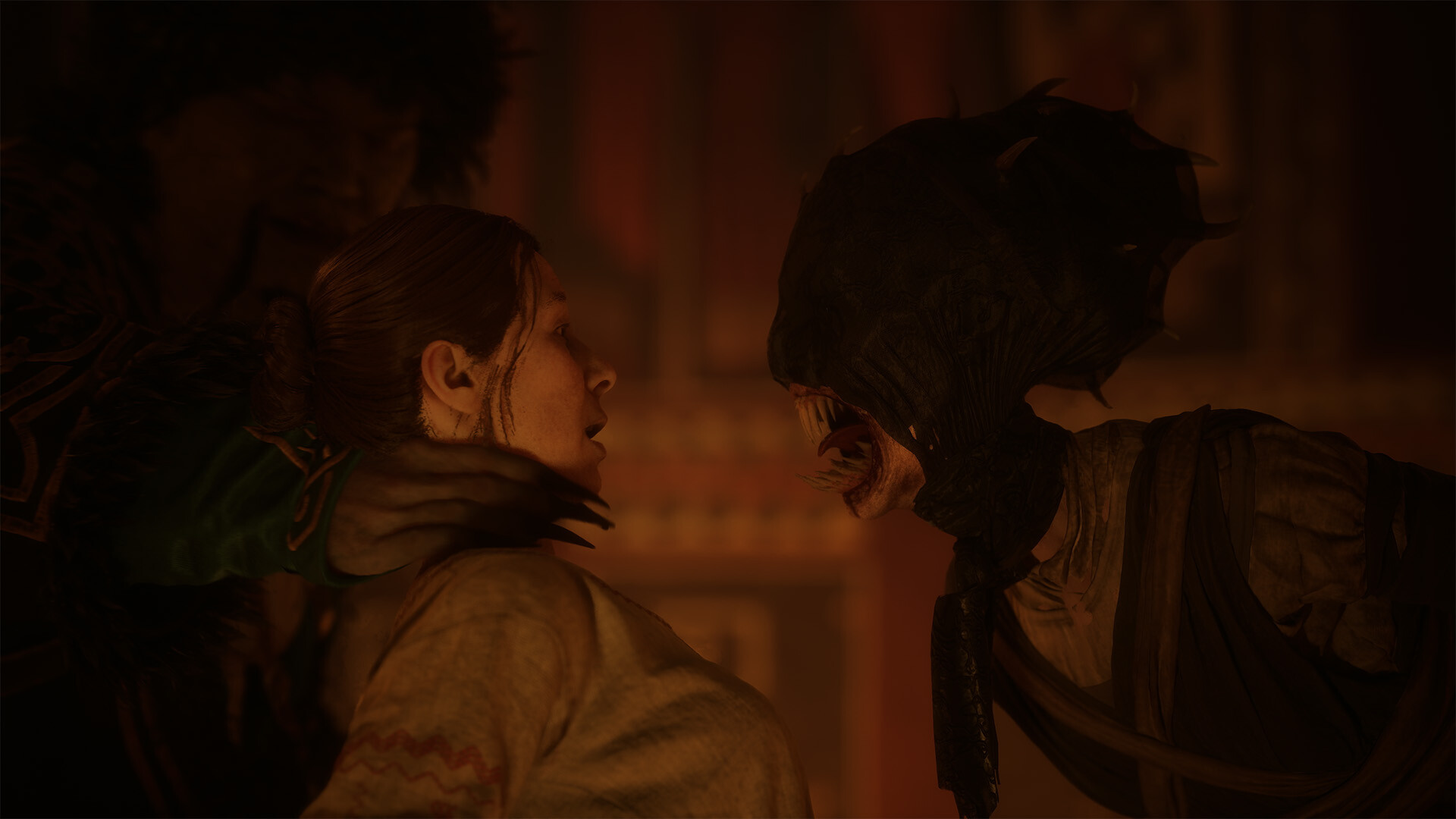
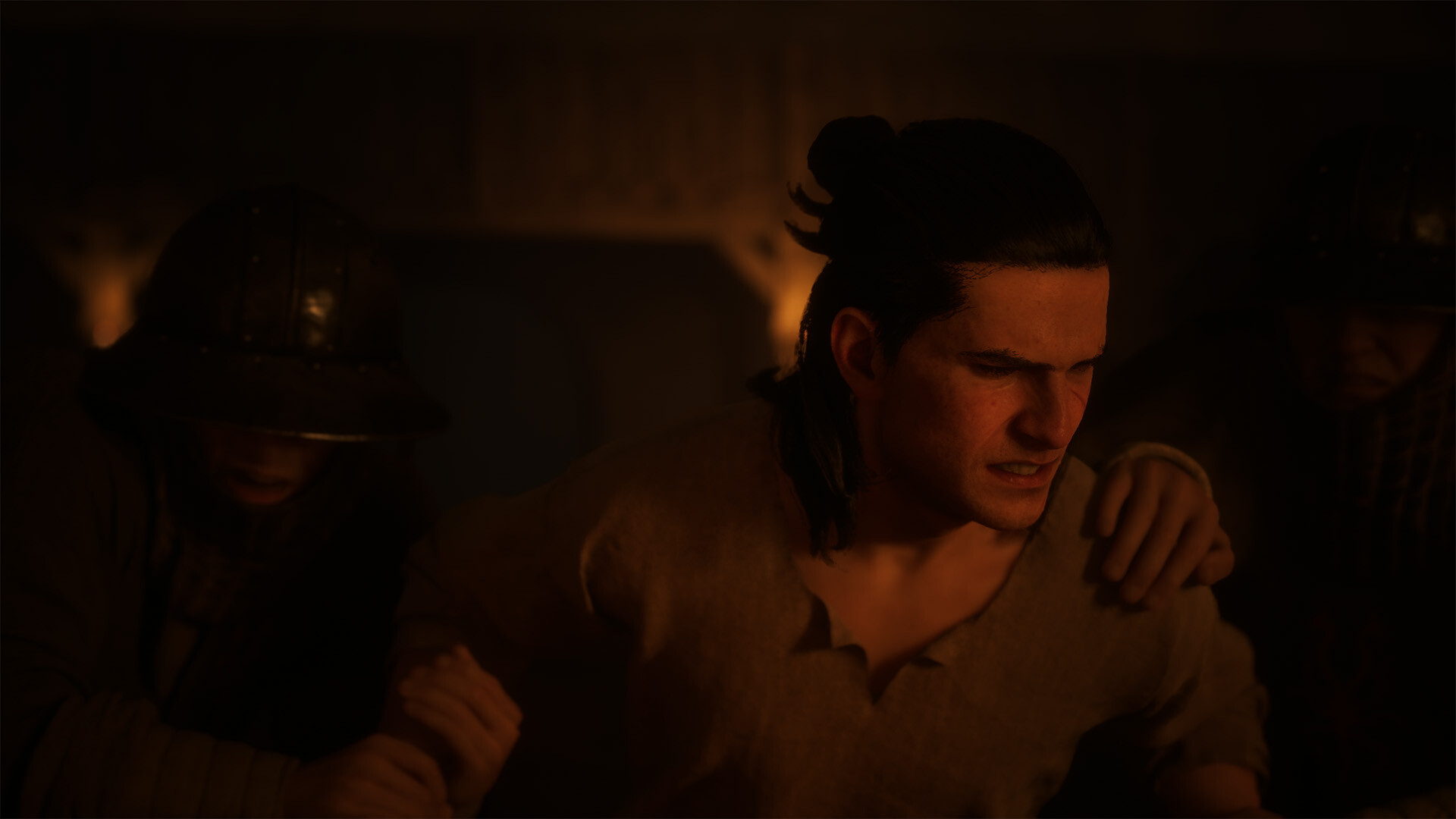
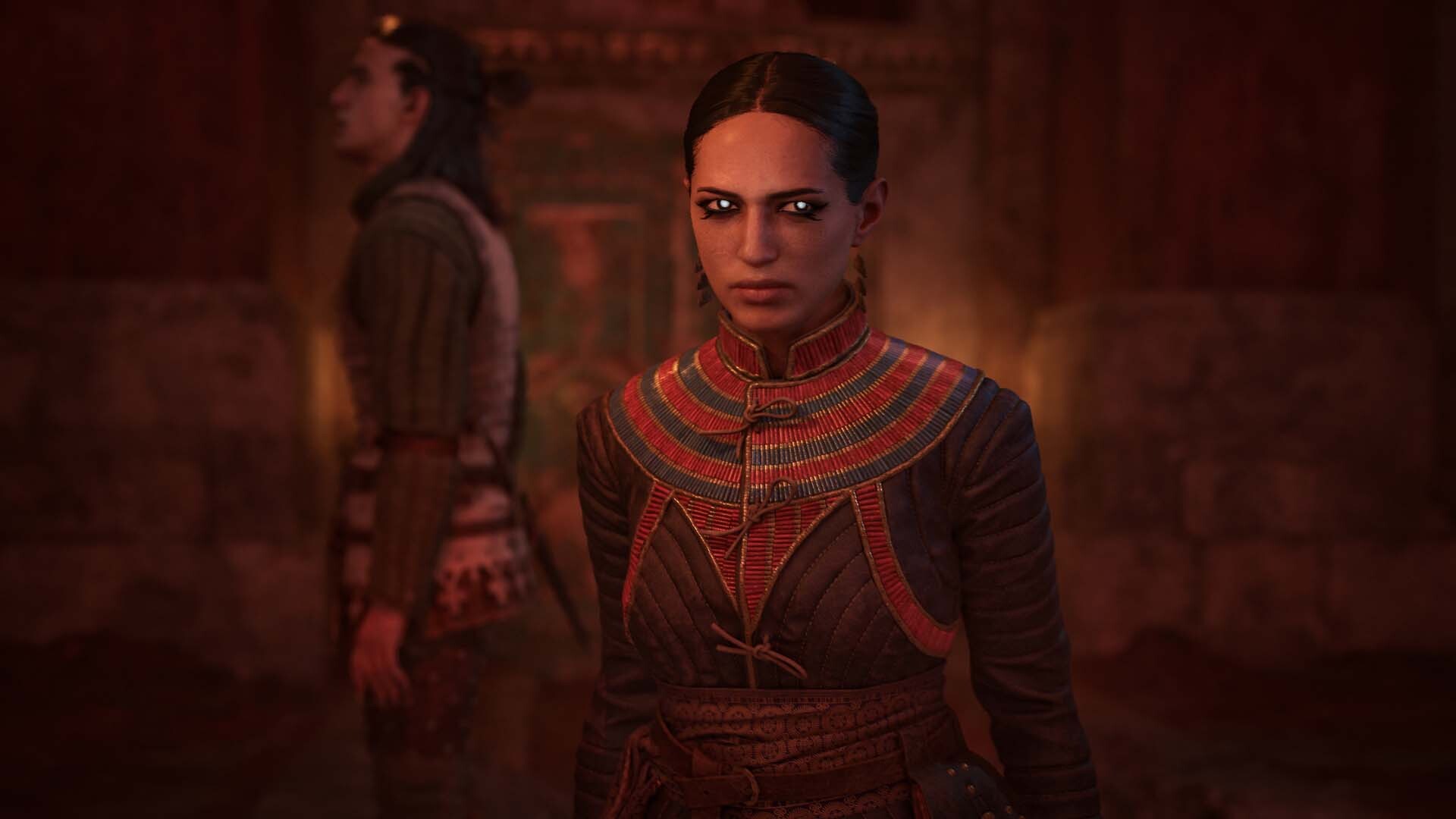
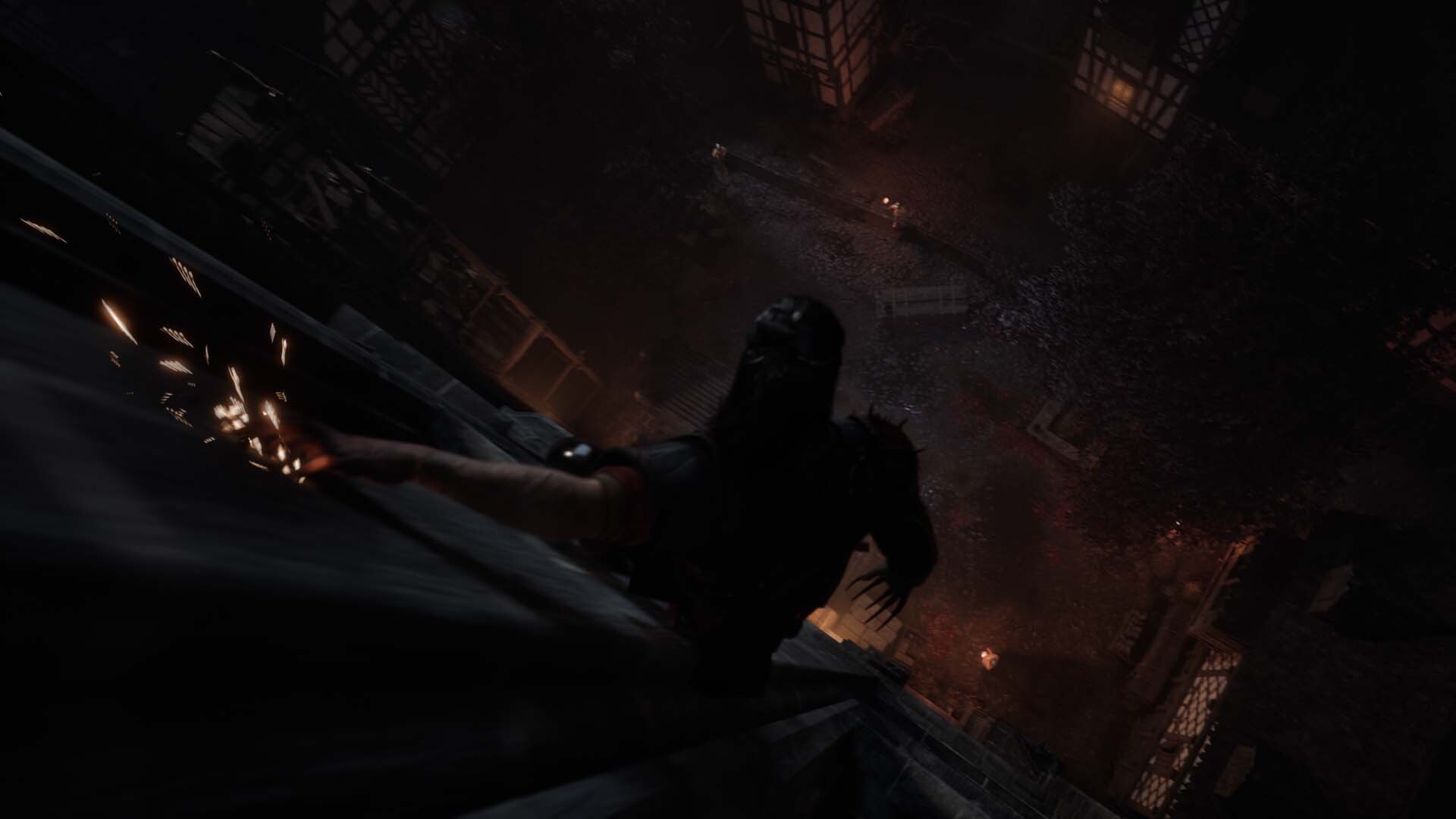
If you ever wished The Witcher 3 had fangs and a literal ticking clock, Rebel Wolves' debut is built exactly for you. You play Coen, a young man turned Dawnwalker in plague-ravaged 14th-century Europe, torn between saving his family and avenging his sire. By daylight you swing a sword, sling elemental magic, and investigate like a witcher; after dark you scale walls, teleport, and tear through enemies with brutal vampire powers. Every quest, skill purchase, and conversation burns a slice of a finite 30-day clock, so your choices about who to help, when to act, and what to leave undone genuinely shape the ending you reach. The setting is steeped in Nosferatu-grade atmosphere, the writing leans into morally grey consequences, and the developers have openly planned this as the first entry in a saga spanning different eras.
What the game actually feels like
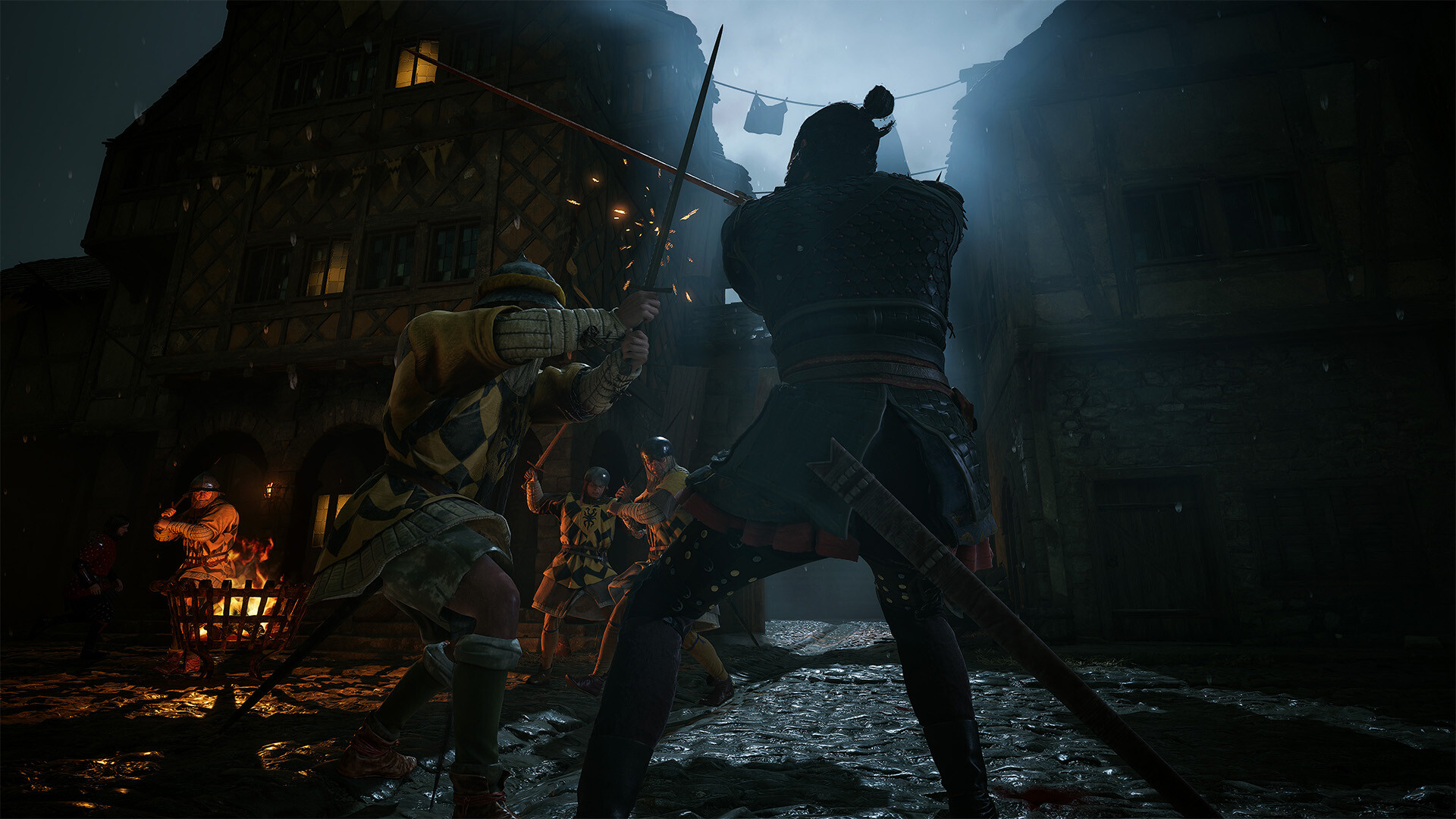
Playing two distinct characters in one body: a sword-and-magic investigator during the day and a wall-crawling, blood-biting predator at night, with combat, traversal, and dialogue options that genuinely shift between the two forms.
Feeling the weight of a finite time budget, because quests, upgrades, and even skill purchases consume time slots, forcing you to choose who you help, which mysteries you chase, and which lives you accept you cannot save.
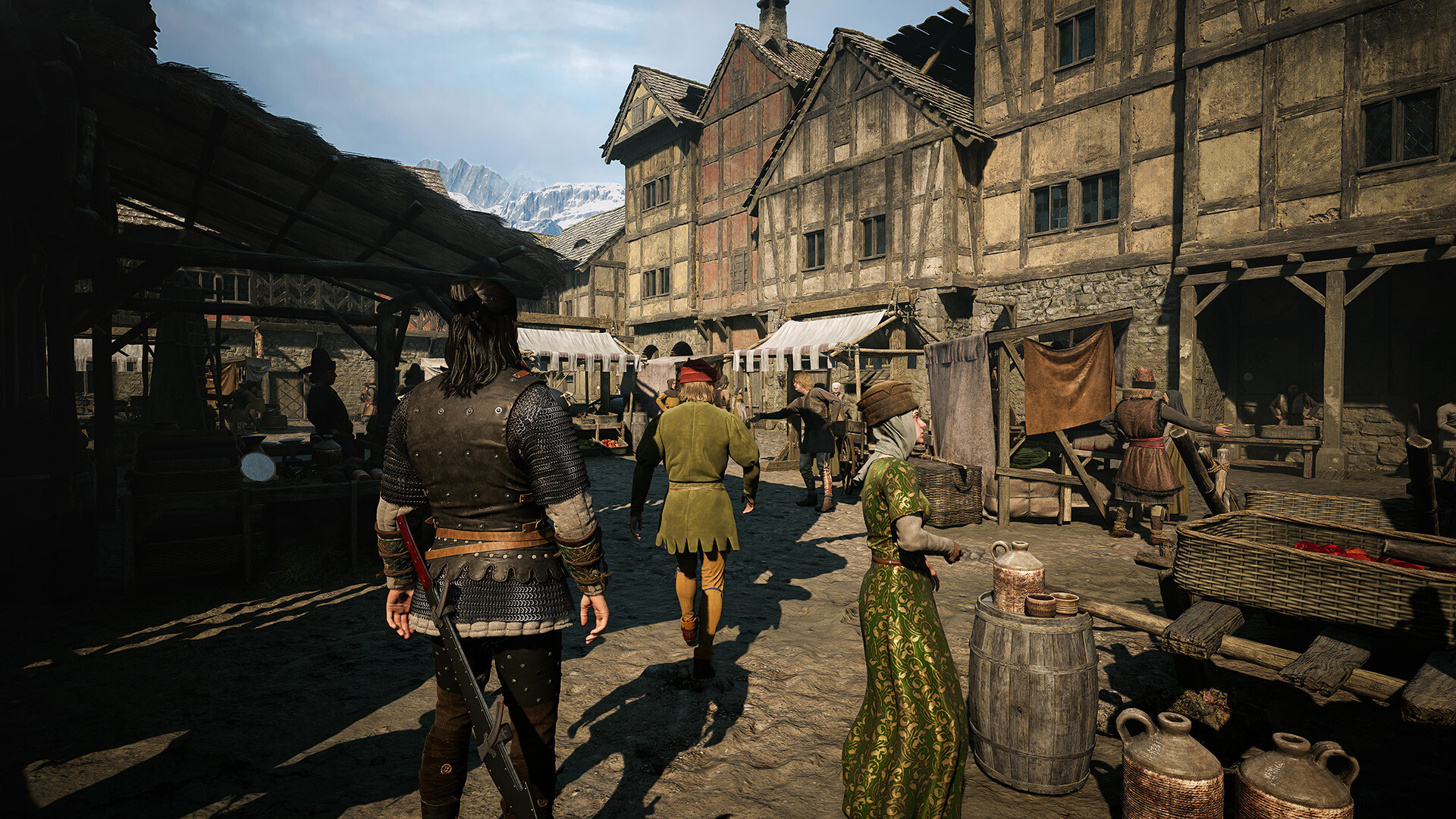
Exploring a hand-crafted open world of plague-ravaged medieval Europe built in Unreal Engine 5, from forests and swamps to mountaintops and forgotten ruins, packed with side stories that quietly alter the main campaign.
Reading morally grey writing from ex-Witcher 3 writers, where conversations branch, NPCs remember your deeds, and small side quests can pivot into something that reshapes your ending.
What early players are seeing
What is landing
- Multiple reviewers call it the best vampire RPG in years and the closest thing yet to filling the void left by the original Vampire: The Masquerade - Bloodlines, praising the atmosphere, voice acting, and character writing.
- The day-and-night form swap is widely described as one of the freshest mechanics in modern RPGs, with combat that starts stiff but clicks into satisfying, skill-driven encounters once the prologue opens up.
- Players highlight the time pressure as a genuine design strength, comparing it to Lightning Returns and saying it makes every decision feel meaningful because you cannot do everything in a single playthrough.
- The 40-hour main campaign, ten-plus endings, and a planned trilogy across different eras have fans already talking about replay value and long-term franchise potential.
What still needs watching
- Performance and optimization are uneven on PC, with multiple players reporting frame-rate dips in dense areas, cutscene FPS caps, letterboxing, scaling issues in windowed mode, and forced post-processing effects, so temper expectations on mid-range hardware until patches land.
- Combat has a learning curve that catches players off guard, including a directional parry and block system, a twitchy target lock that swaps enemies too readily, blocking locking you in place, and no key remapping, which can frustrate players used to traditional action-RPG inputs.
Is The Blood of Dawnwalker worth buying now?
Current decision
Worth tryingThe blend of Witcher-style writing, Bloodlines-style vampire fantasy, and a genuinely fresh day/night and time-budget loop is rare enough that patient RPG fans will find a lot to love, even if they should expect to push through a rough first hours and a divisive prologue.
Who this is for
A good fit if you…
- Fans of story-driven, choice-heavy action RPGs who love The Witcher 3 and want something with a darker, vampire-themed spin
- Players who have been waiting for a modern spiritual successor to Vampire: The Masquerade - Bloodlines and enjoy morally grey, atmospheric gothic worlds
- Anyone who enjoys replayability and branching endings, since the time system forces trade-offs and the developers are openly building toward a multi-game saga
- Open-world explorers who prefer dense, hand-crafted maps full of optional quests over checklist-style maps, and who don't mind learning a directional combat system
- Single-player PC players with a reasonably powerful rig who want a long, narrative-led adventure with full controller support
Wait if you…
- You are on a mid-range or older PC and cannot tolerate rough optimization, frame drops, or the need to fiddle with DLSS, fullscreen mode, and community mods at launch
- You strongly dislike any time-limited structure, finite quest budgets, or being told you cannot finish everything in one playthrough
- You want polished, fluid action-RPG combat on a par with genre leaders out of the box, since many reviewers say the directional parry and target lock need patches and personal adjustment
- You only play on Steam Deck or other handhelds, since the store page does not confirm compatibility
If The Blood of Dawnwalker is not quite your game

SIMILAR OPTION
RimWorld
Choose it ifChoose RimWorld if you want a systems-driven sandbox where you manage many lives at once, and choose The Blood of Dawnwalker if you want to inhabit a single character in a hand-crafted gothic world
How it comparesPlayer-driven stories where your choices and time management meaningfully reshape outcomes RimWorld is a top-down sci-fi colony sim focused on emergent storytelling through simulated colonists, while The Blood of Dawnwalker is a third-person narrative action RPG where you personally play one character through a vampire story
SIMILAR OPTION
Kingdom Come: Deliverance II
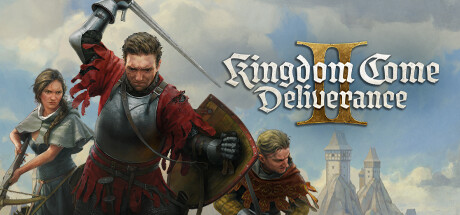
Choose it ifPick Deliverance II if you want the most polished and combat-refined experience in this style, and pick Dawnwalker if you want vampire fantasy, the form-swapping hook, and a saga you can follow across multiple games
How it comparesStory-driven open-world medieval action RPG with directional combat, morally grey writing, and quests that branch based on your choices Kingdom Come: Deliverance II is a bigger, more polished sequel with refined directional swordplay and no supernatural systems, while Dawnwalker layers a vampire transformation and a 30-day time mechanic on top of a smaller, more focused map
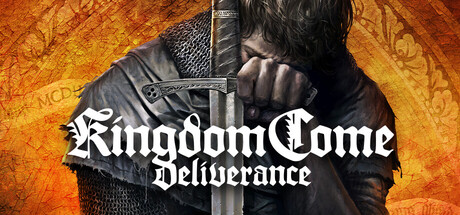
SIMILAR OPTION
Kingdom Come: Deliverance
Choose it ifChoose Kingdom Come: Deliverance if you want a purely grounded medieval sim with deep realism, or choose The Blood of Dawnwalker if you want that medieval European backdrop with a dark fantasy, vampire-driven twist
How it comparesMedieval European setting, grounded swords-and-magic combat, and a focus on investigation and morally weighted quest choices Kingdom Come: Deliverance is a strictly human, historically grounded RPG with skill-based combat and no supernatural or vampire mechanics, while Dawnwalker adds a literal day-as-human, night-as-vampire form swap and a finite time budget that forces branching outcomes
Share this article