NEW ON STEAM
Future Knight






At a glance
Future Knight game facts
Steam store information checked 2026-08-27。- Studio
- Studio Koba Published by Aeternum Game Studios
- Release
- Aug 13, 2026 Released
- Official genres
- Action · Adventure · Casual · Indie
- Play mode
- Single-player
- Desktop platforms
- Windows
- Steam Deck
- Unknown No additional compatibility detail
- Controller
- Full support
- Steam features
- Achievements · Cloud · Family Sharing
- Languages
- 10 listed languages English, French, Italian, German
What that means for your setupFuture Knight comes from Studio Koba, published by Aeternum Game Studios, and it launched on August 13, 2026, as a single-player Windows release tagged Action, Adventure, Casual, and Indie. The game lists full controller support, Steam Achievements, Cloud saves, and Family Sharing, and it ships with text in English, French, Italian, German, Spanish, Simplified and Traditional Chinese, Korean, Japanese, and Brazilian Portuguese, which should make the story beats and menus accessible to a wide audience. Steam Deck compatibility is officially listed as Unknown, even though two players specifically praised handheld performance in their reviews, so if you are a Deck owner you will want to try the demo or wait for an official verification before treating portable play as a sure thing. There is no Mac or Linux build mentioned, and no multiplayer modes, so this is strictly a solo Windows experience. The studio is small and the price sits at $14.99 USD with no launch discount, which is fair given the genre but worth noting before you buy.
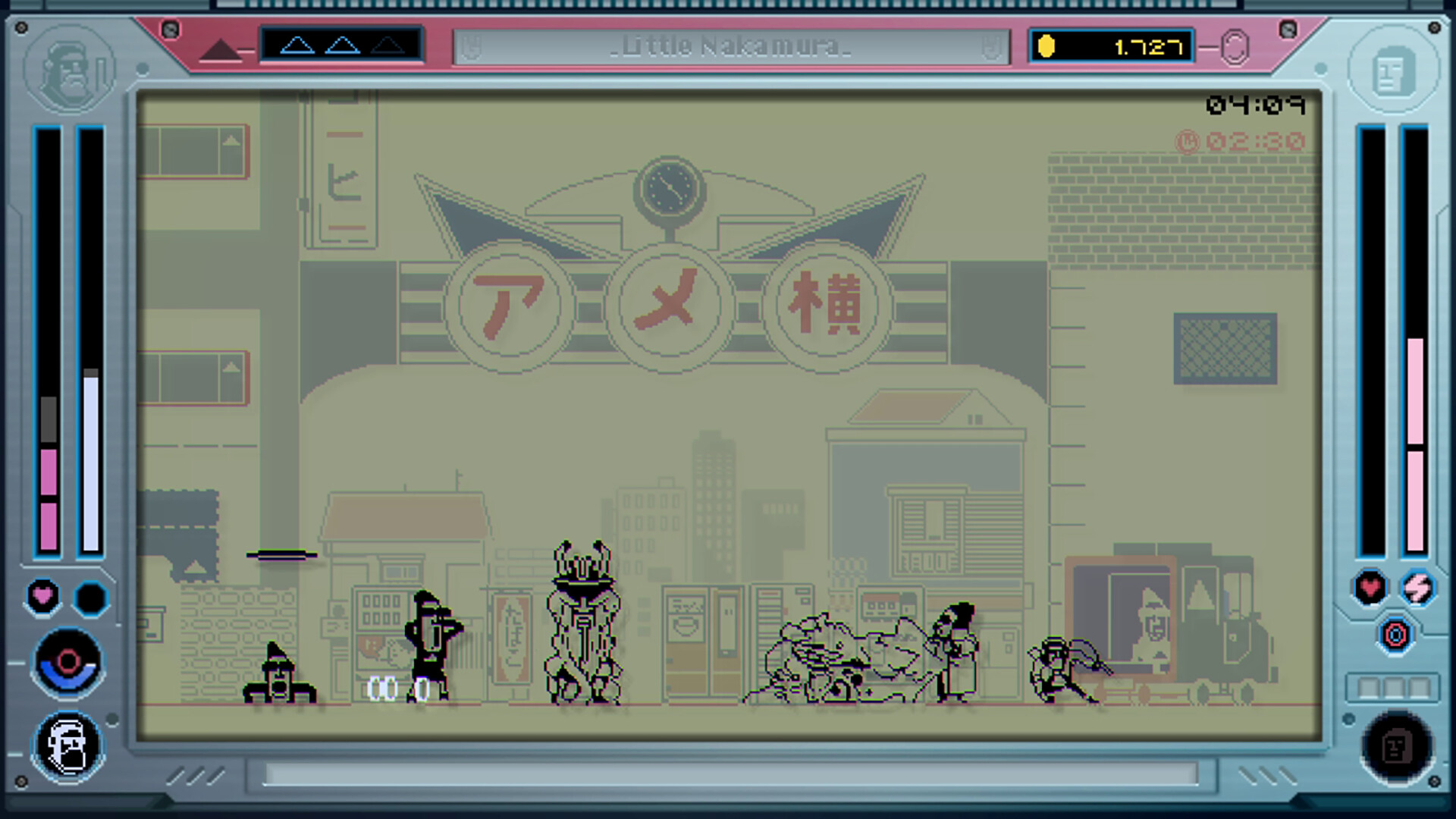
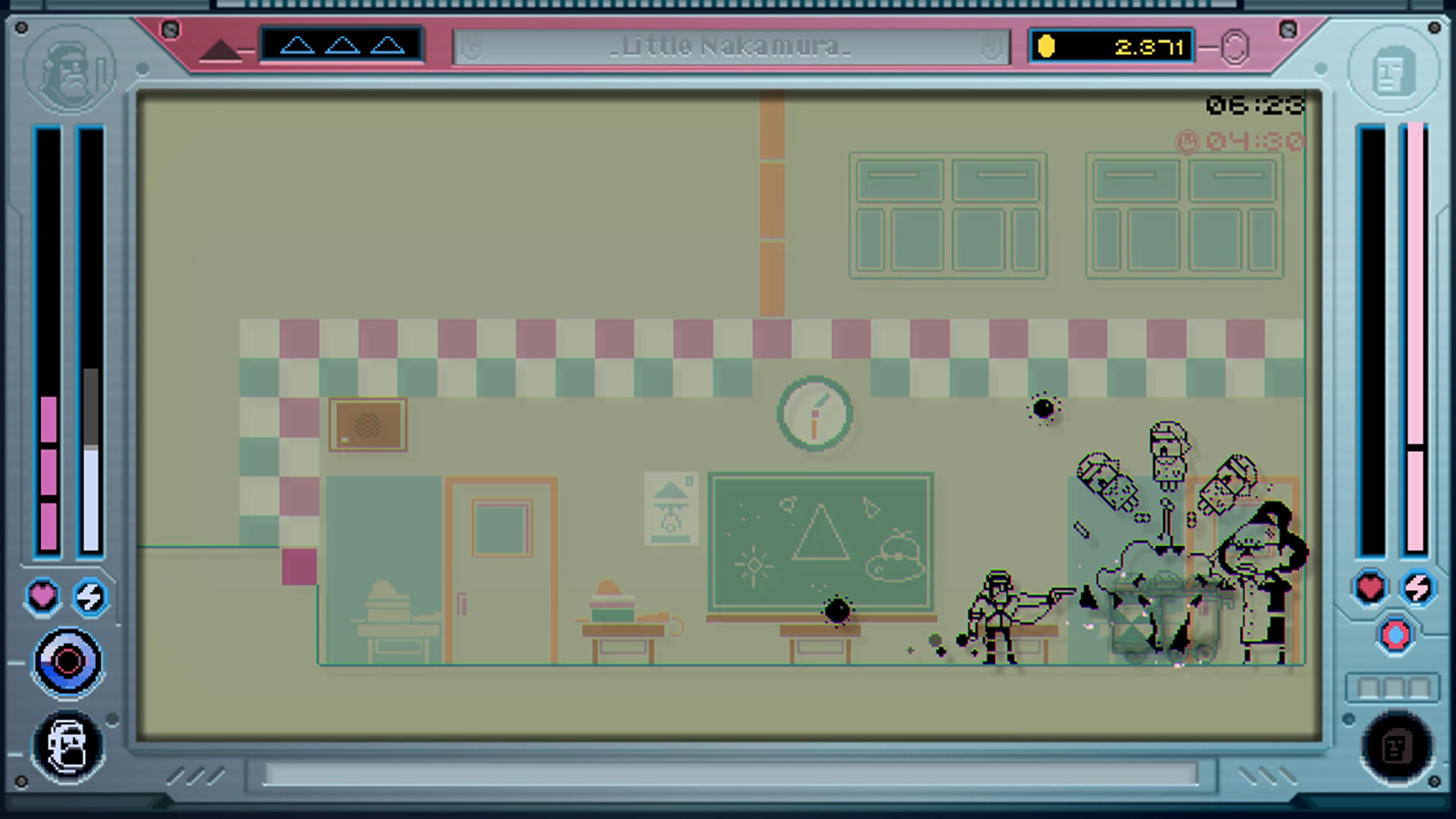
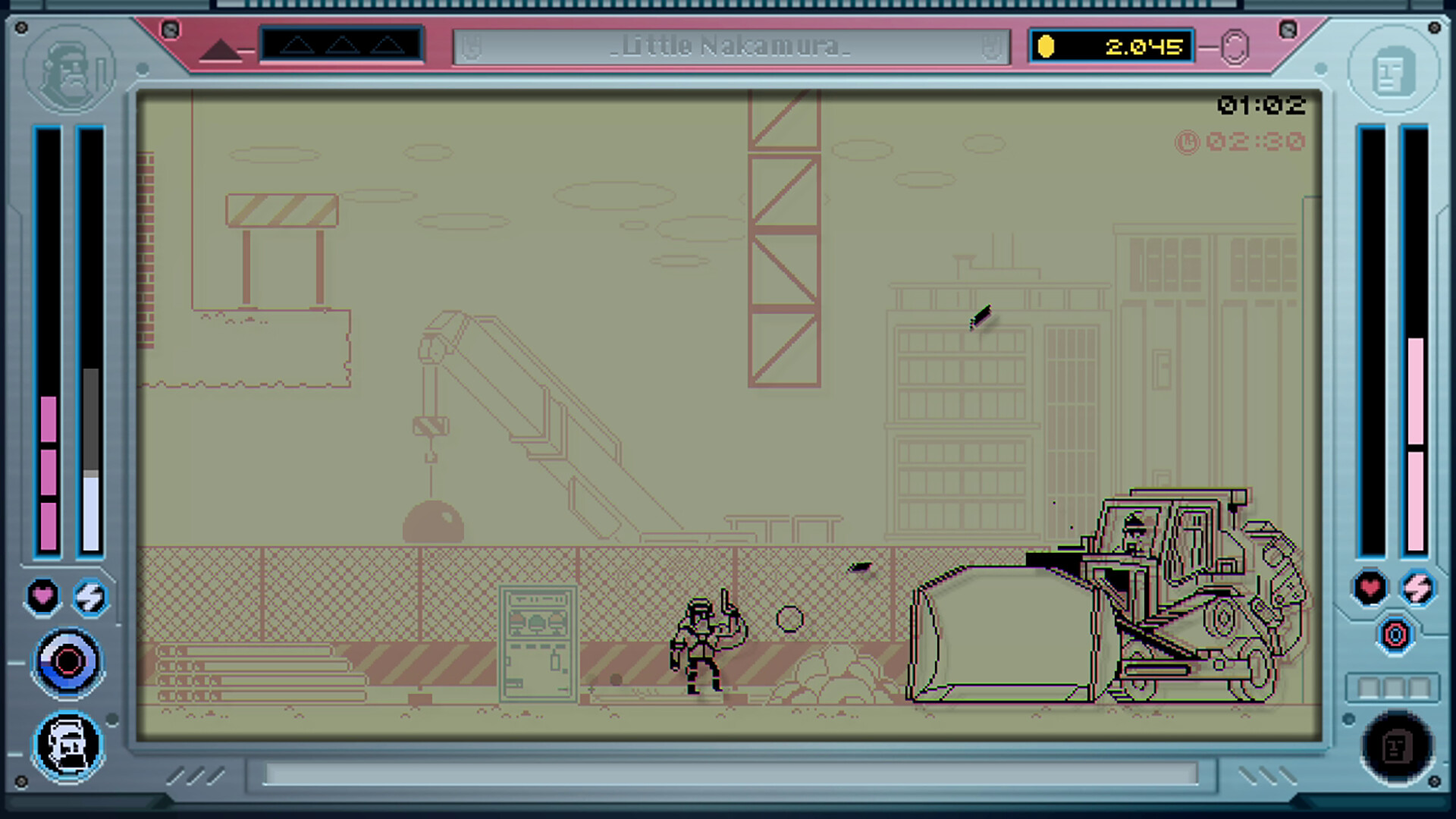
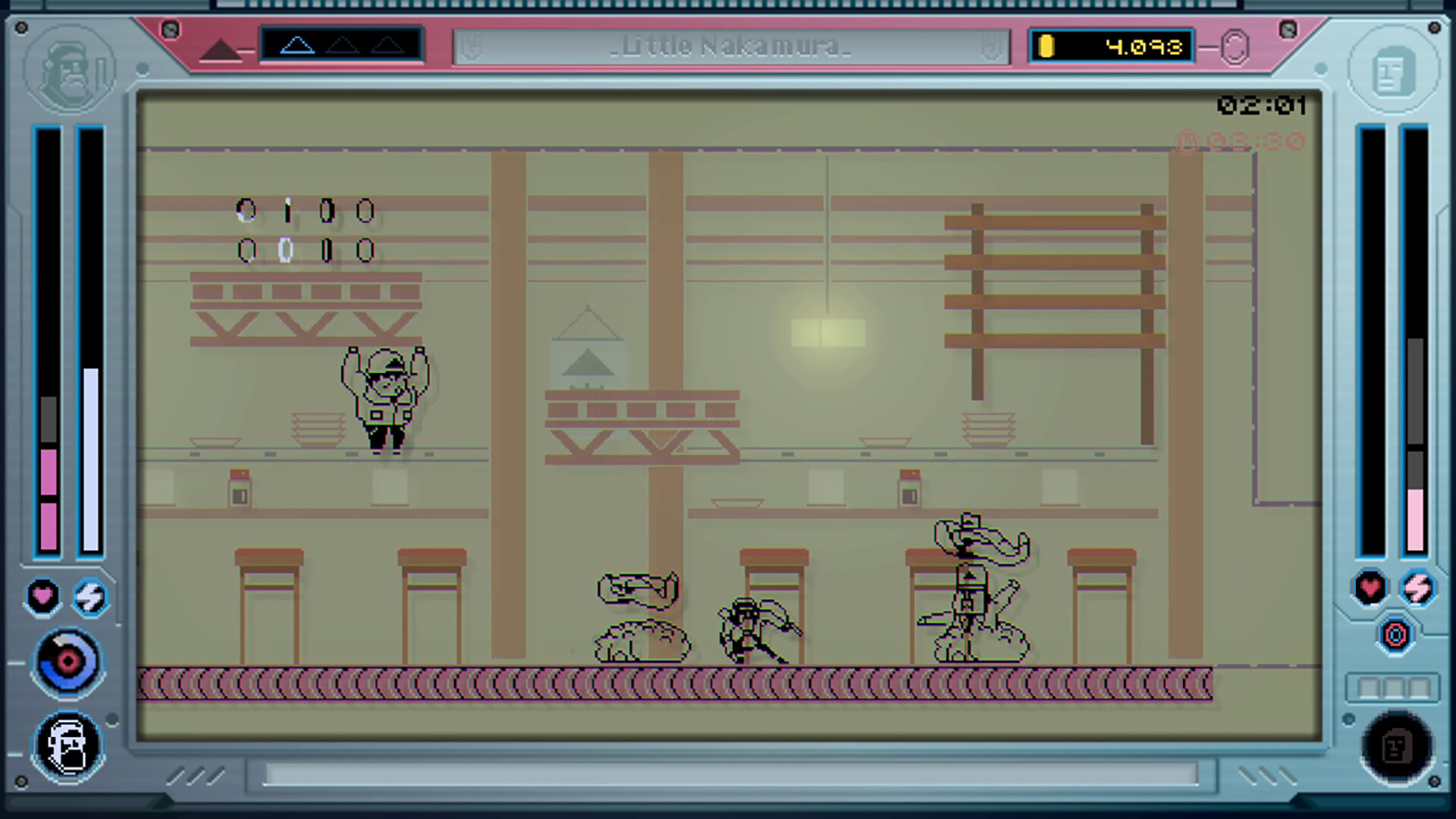
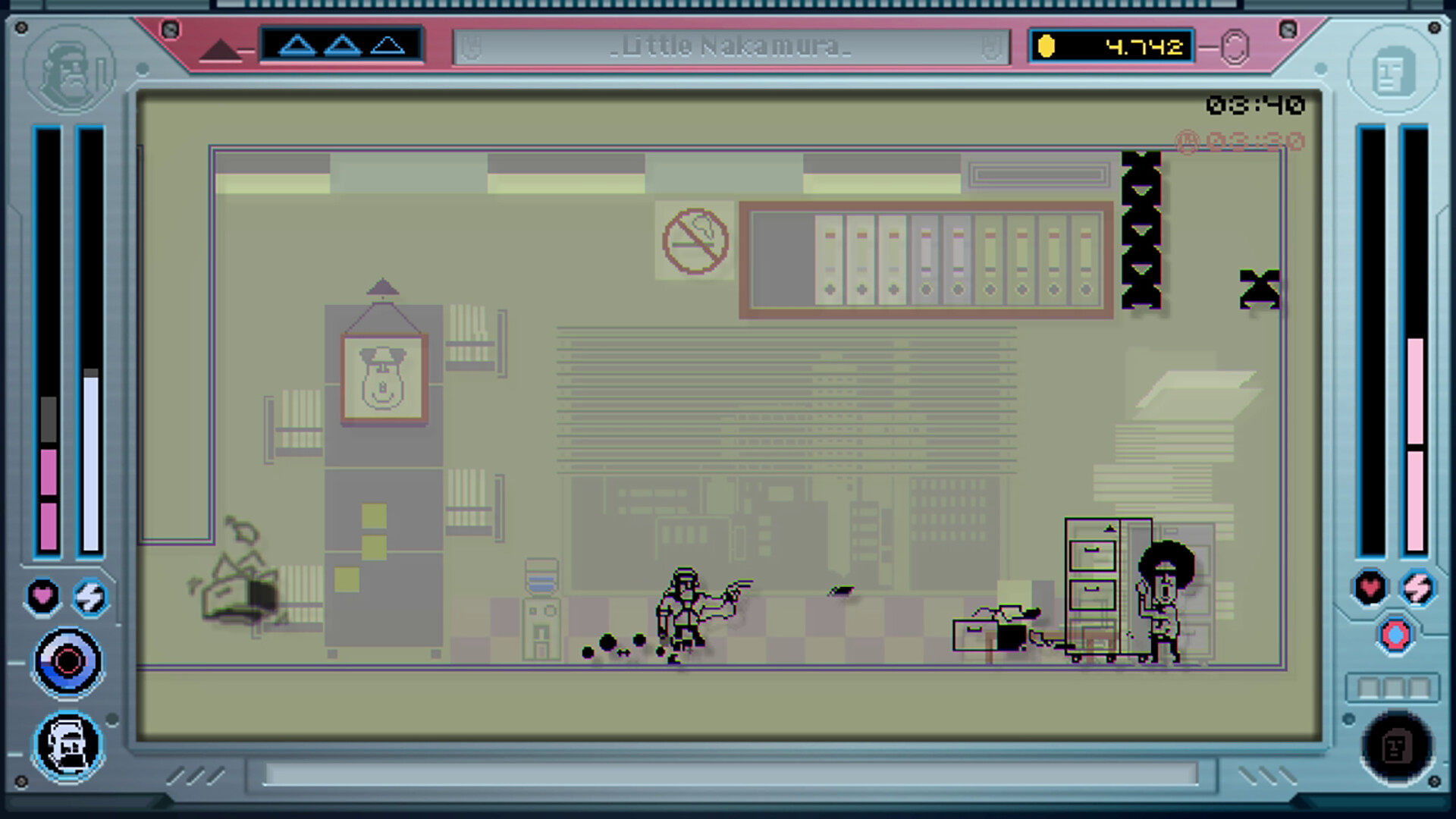
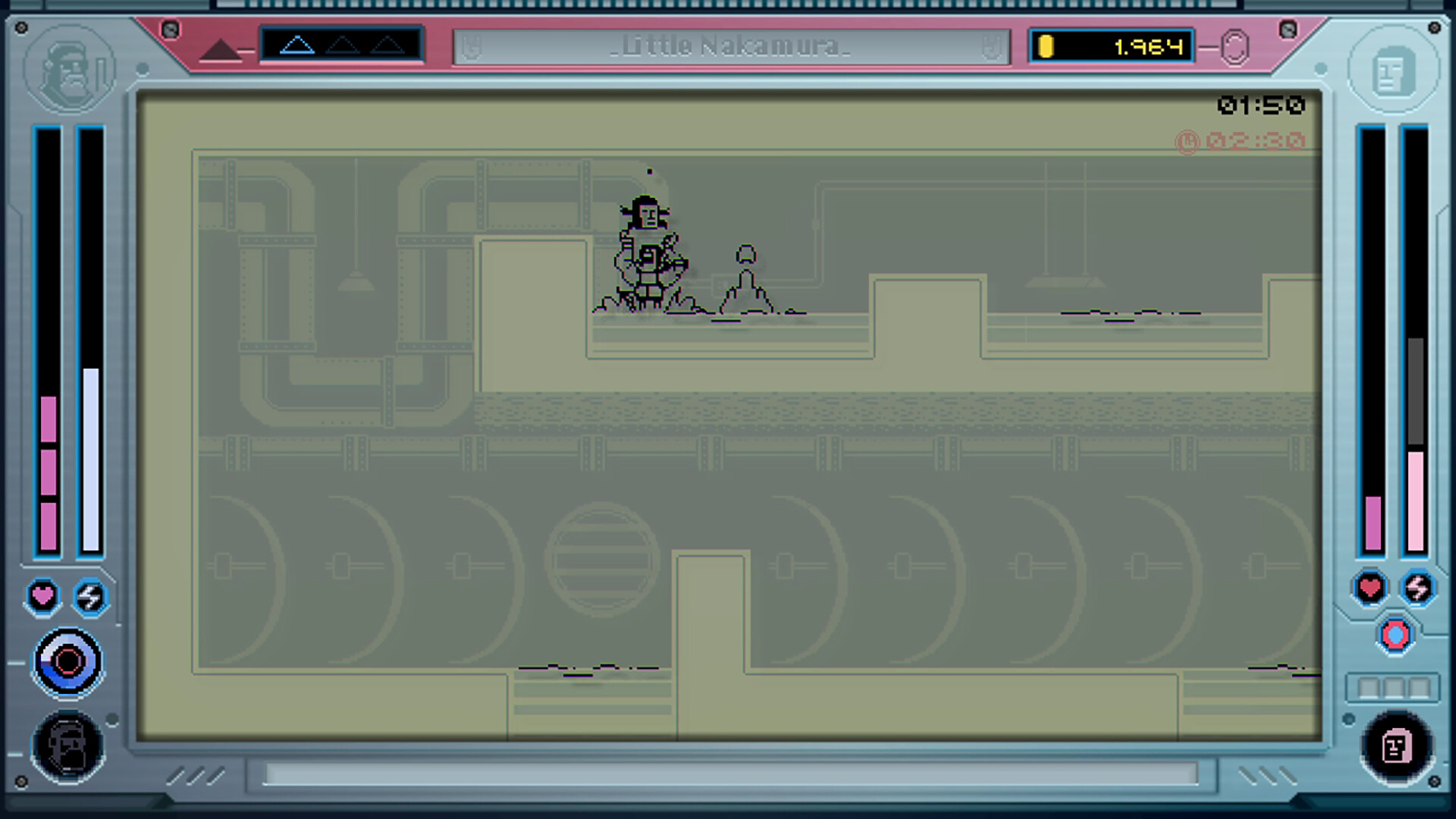
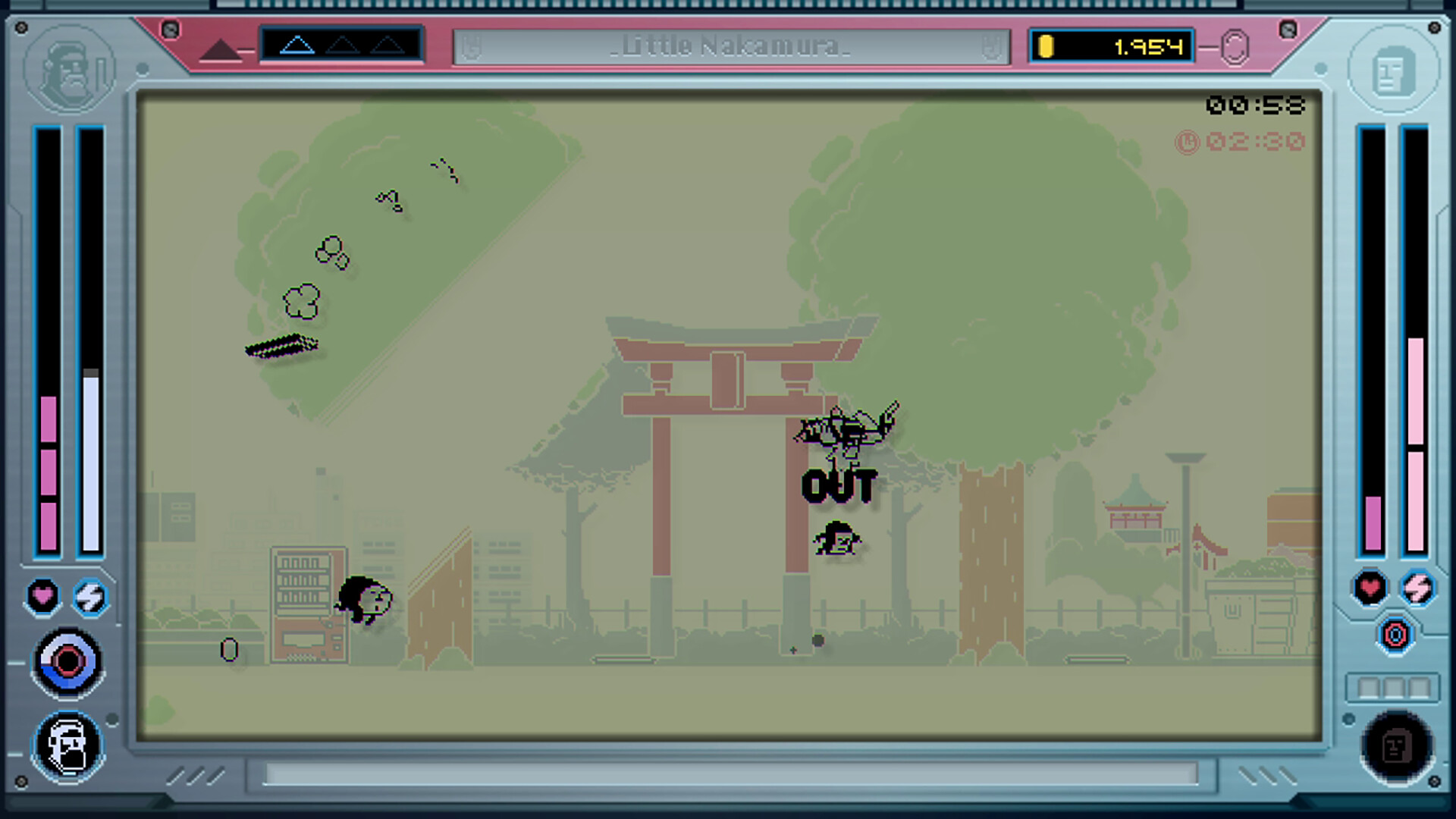
There is something genuinely fresh about a shoot 'em up that asks you to think of two characters as a single weapon, and Future Knight leans into that idea harder than most side-scrollers on Steam. You play a robot built from a nineties soap opera actor and a sentient benign tumor named Two More, and the entire combat loop rewards you for swapping between them on the fly. Fire your techno blaster as Future Knight, then eject your slimy partner to dash, climb walls, and squeeze through gaps you cannot reach in tank form. Recoil back to recover health, switch again to refill Two More's energy, and what looks like a nostalgic LCD shooter turns into a small, frantic dance of positioning and pressure. It is the kind of mechanical hook that made me want to keep restarting stages just to try cleaner runs, even though I have not personally played it yet.
What the game actually feels like
The switch-and-shoot core is the headline feature, because Future Knight frames its robot and his tumor not as two heroes but as one toolkit you swap between mid-fight, and that constant role switching changes how every encounter breathes.
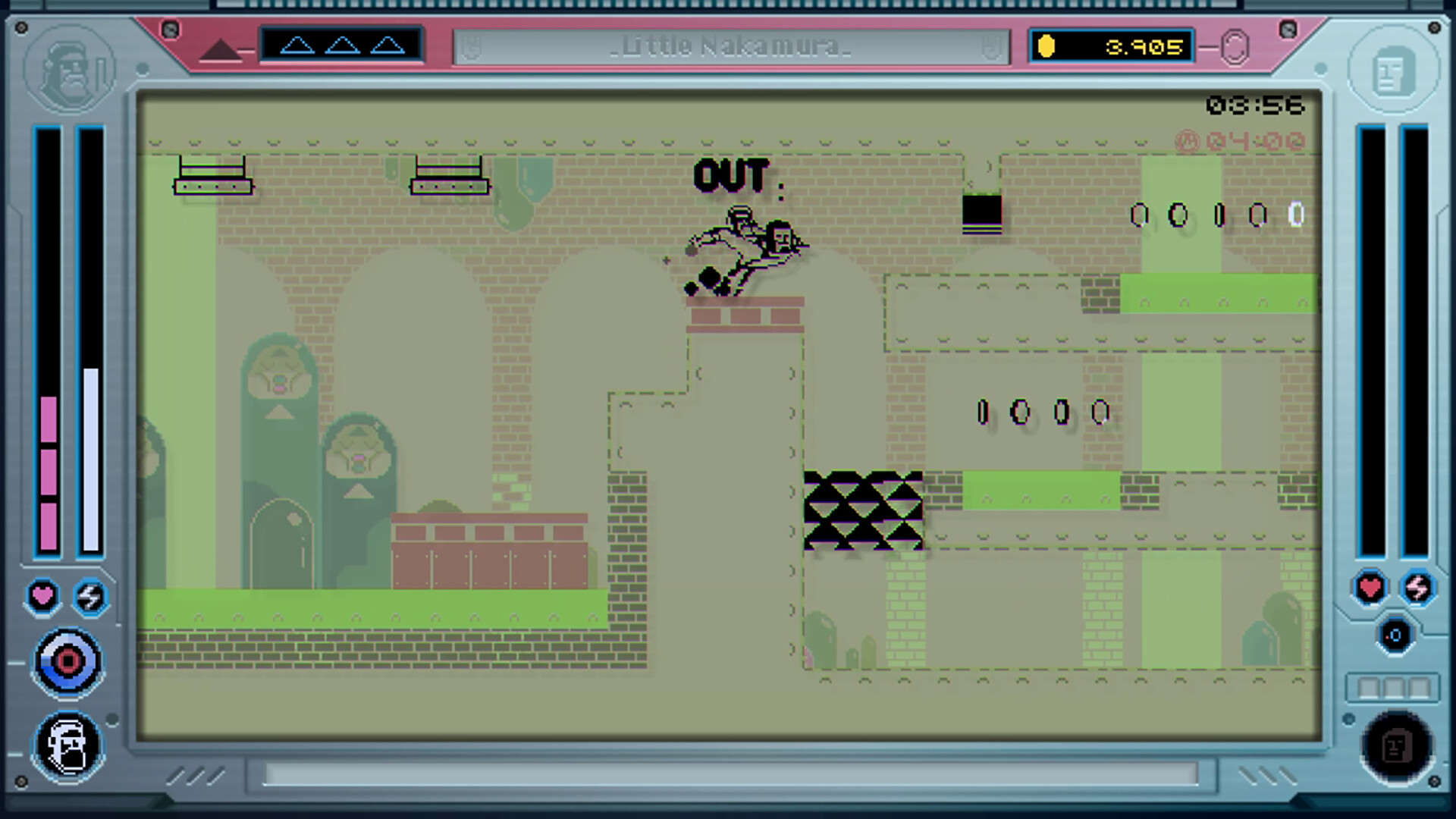
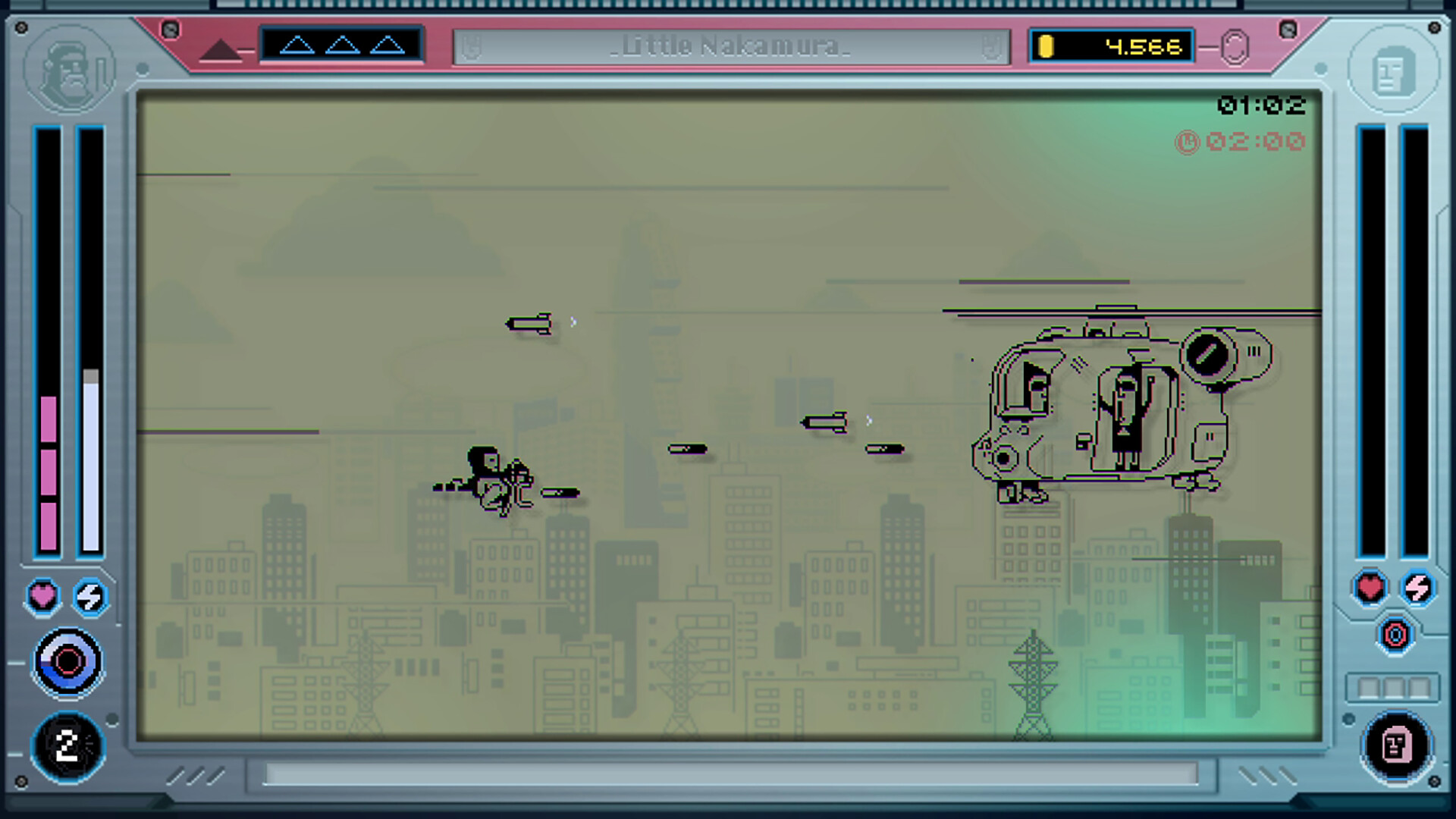
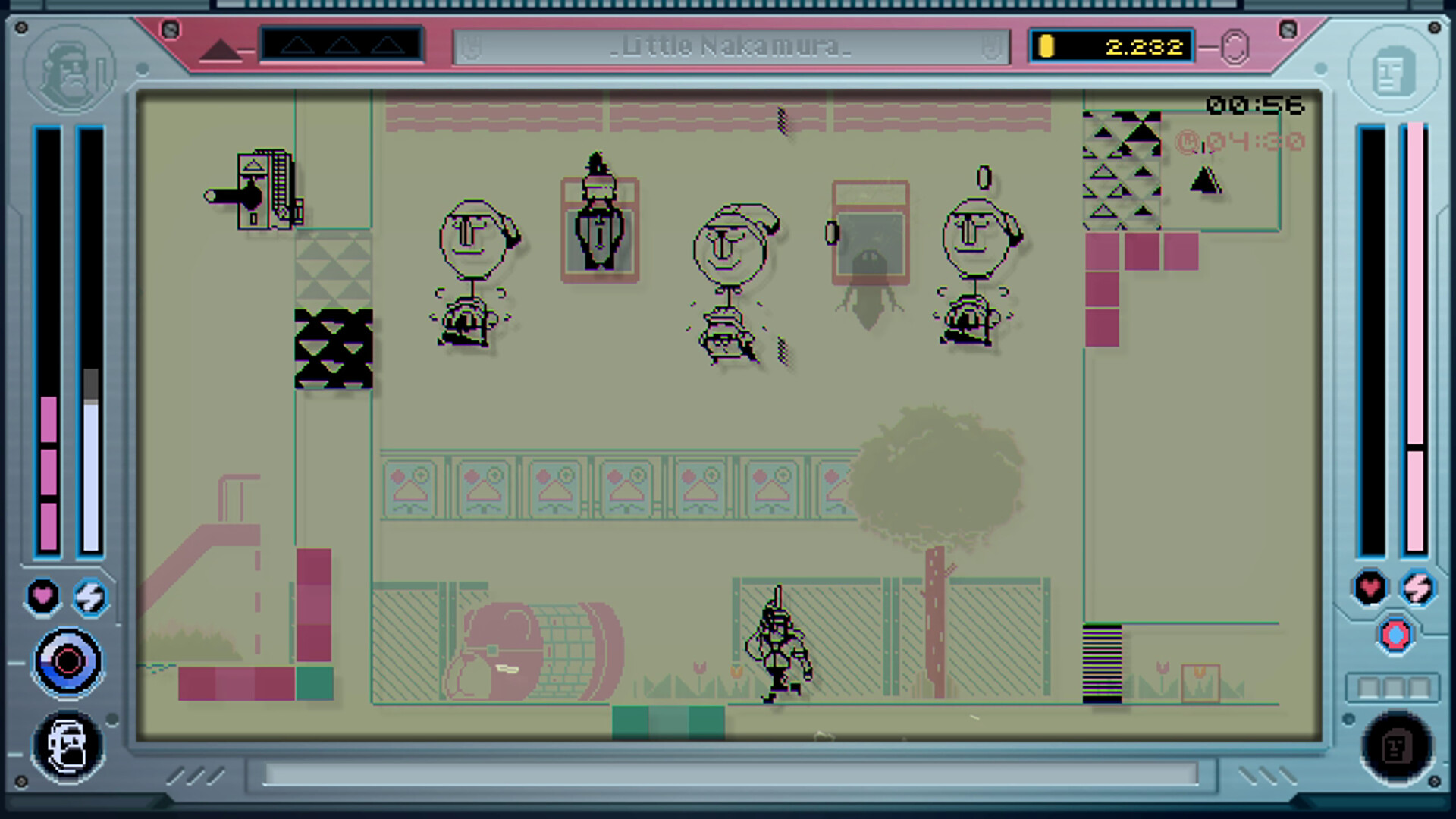
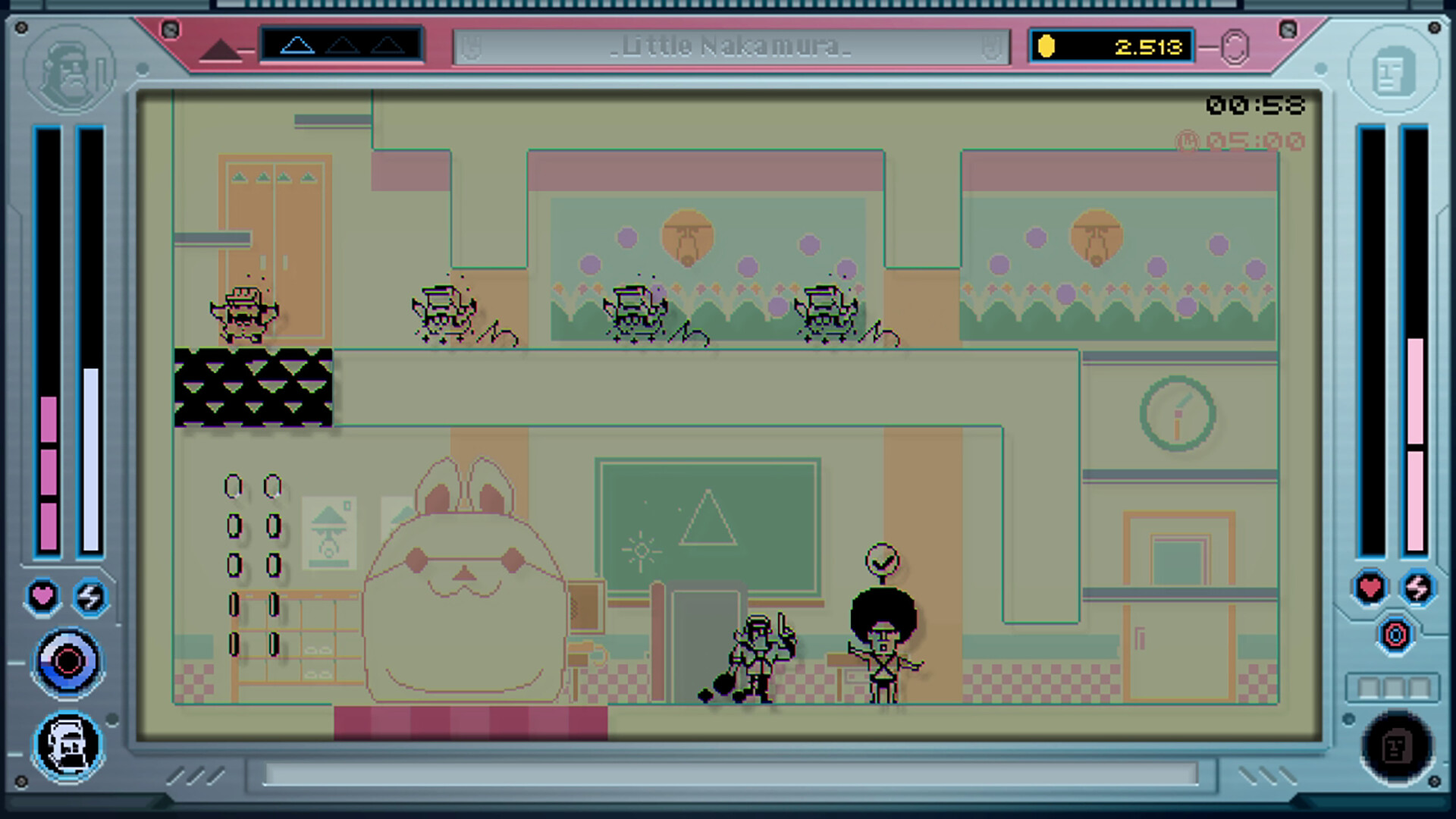
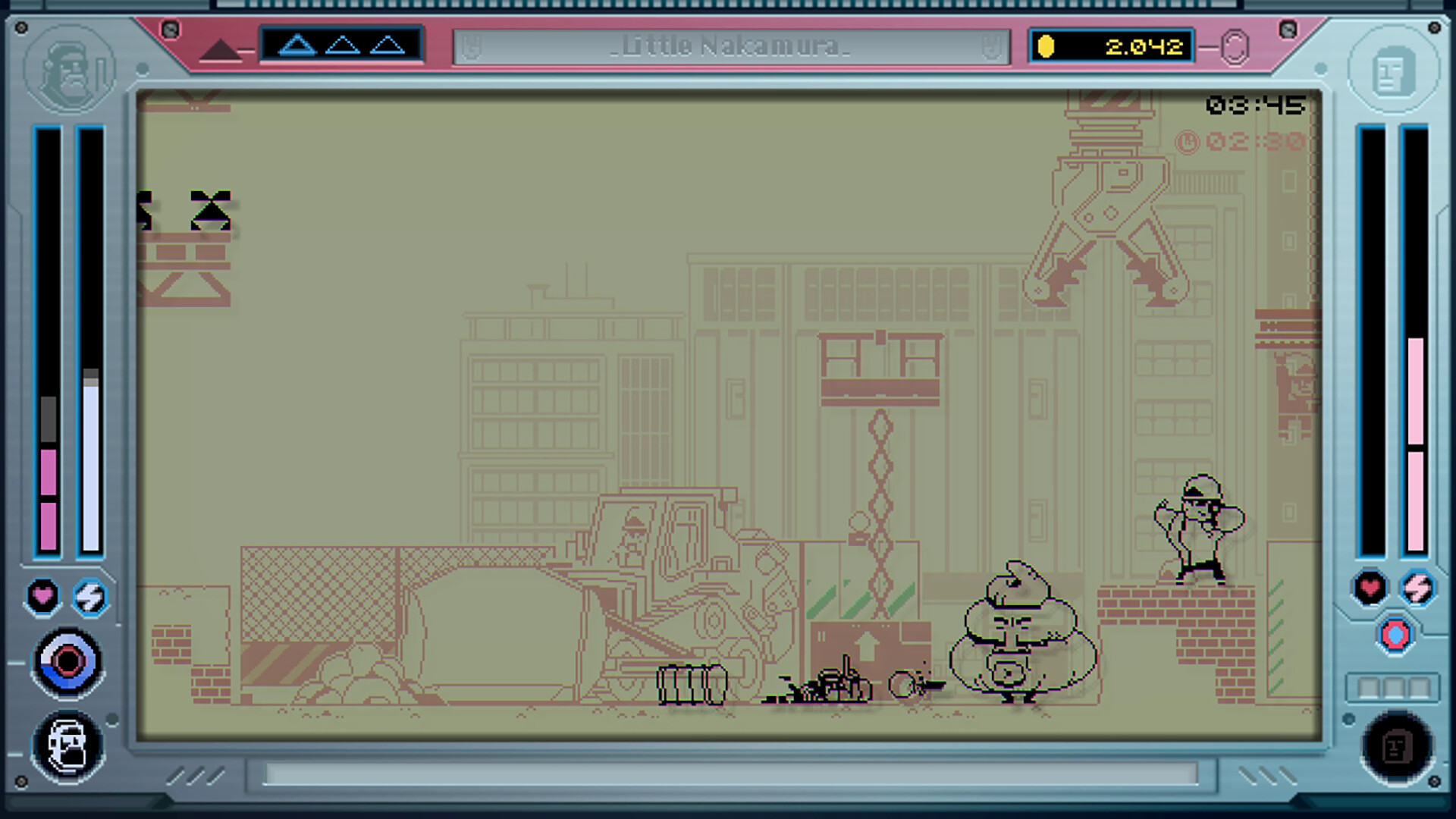
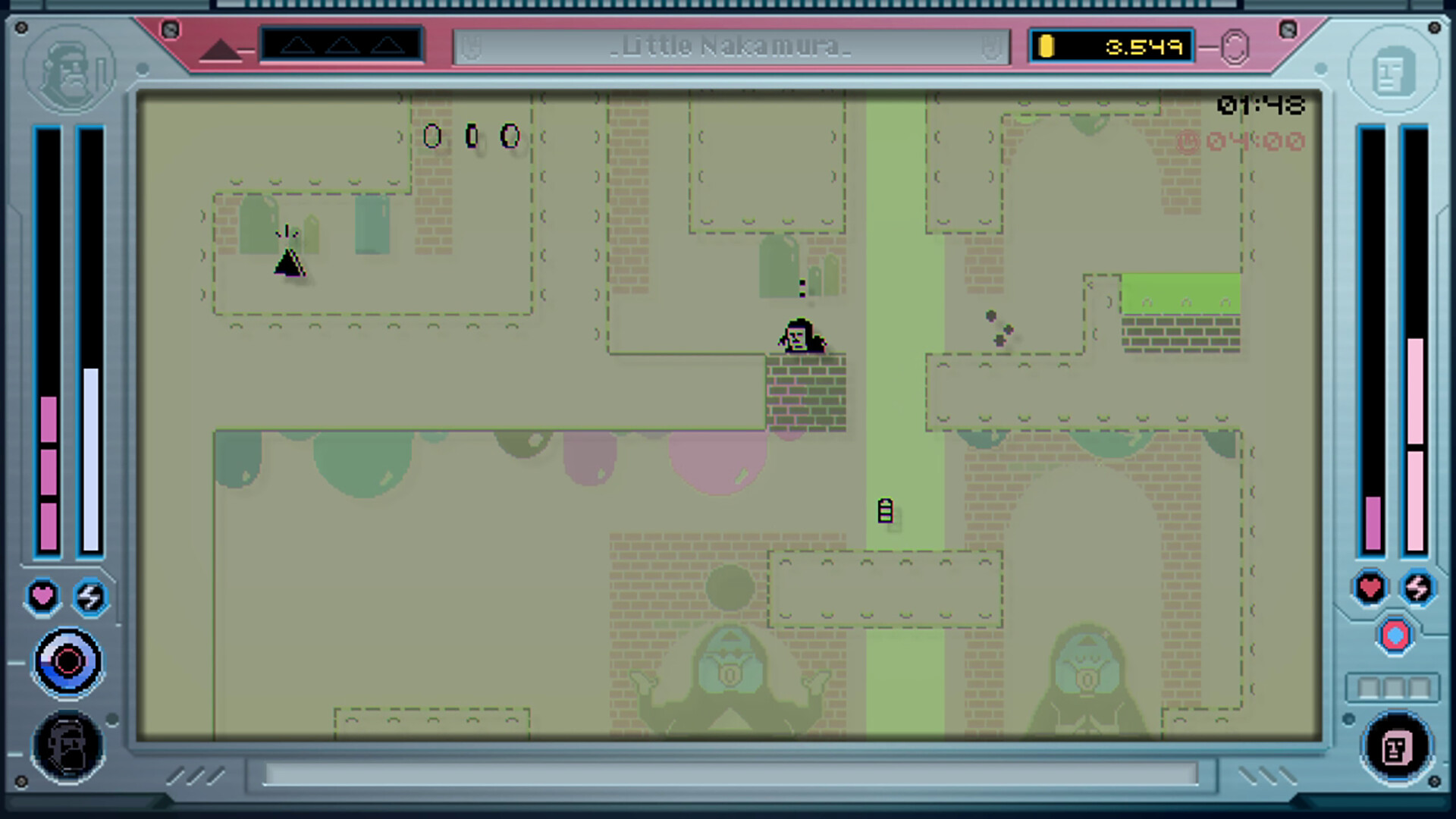
The eight-biome structure is more than a backdrop, since each hour-long level represents a slice of the villain's day, from construction sites to sushi conveyor belts, and alternating horizontal and vertical scrolling keeps the camera moving in ways most shooters do not bother with.
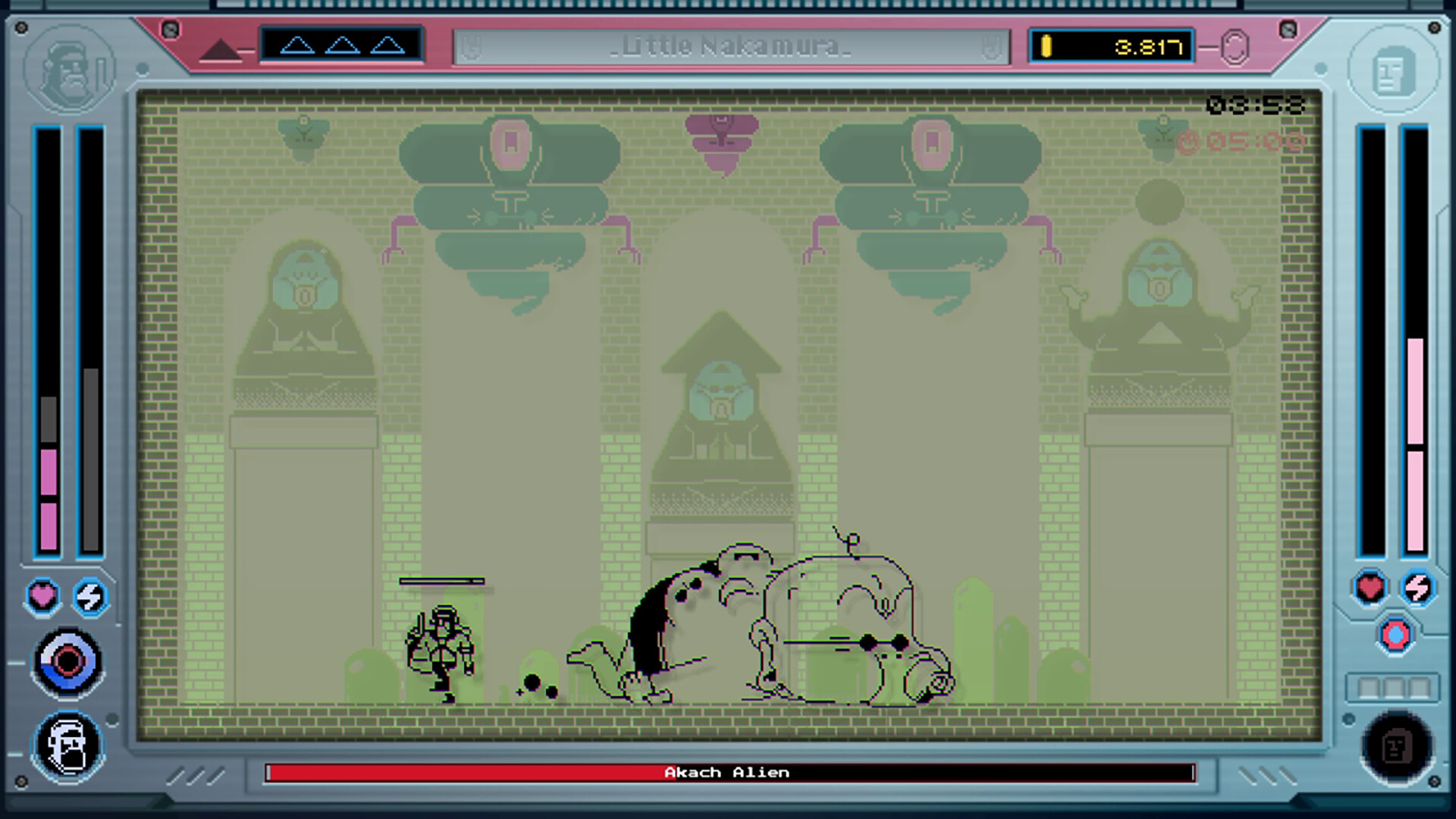
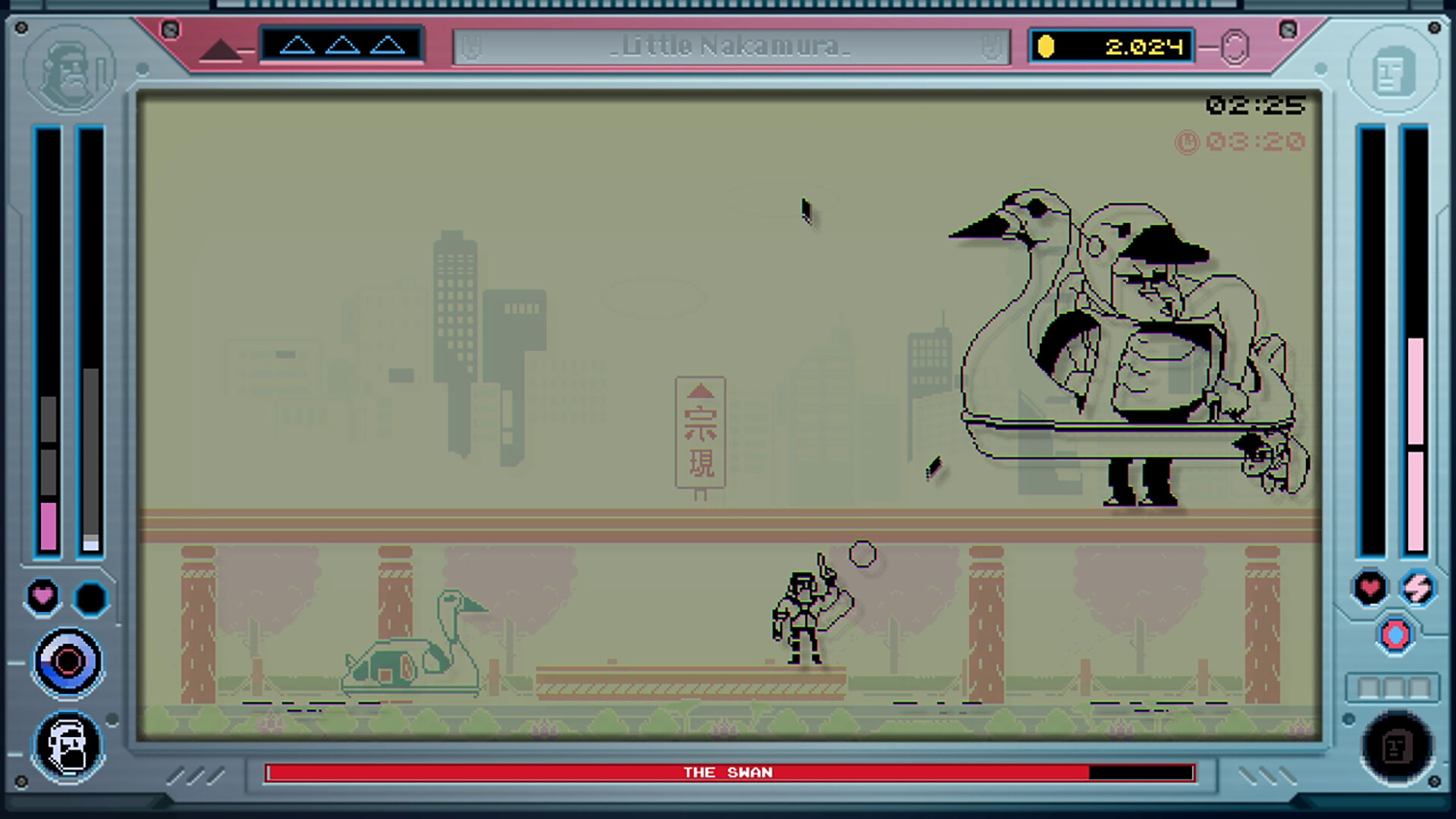
Boss design is clearly a love letter to the era the game is riffing on, with grotesque, imaginative encounters that one player compared to a less punishing Cuphead, and the difficulty curve appears to lean on hard mode as a real test rather than a palette swap.
The Liquid Crystal pixel art direction is doing serious aesthetic work, with hand-drawn ink-blot animation, sprite shadows that arrive before their owners, and enemy death effects that crack the screen like a battered Game & Watch, giving the whole package a distinct visual signature.
What early players are seeing
What is landing
- Several players called the art direction phenomenal, with one review highlighting how enemy deaths cause the screen to break and bleed liquid crystals, a detail that suggests real craft in the moment-to-moment feedback, and multiple reviewers described the soundtrack as peak synthwave with one even shouting about an electronic a cappella arrangement they could not stop humming.
- A handful of buyers who have already pushed through four stages praised the balance between Normal and Hard, noting that the split-up mechanic has real depth and that deaths tend to teach rather than punish, which lines up with the developer's emphasis on a lethal dance rather than memorization.
- Two players specifically tagged Future Knight as excellent on Steam Deck, praising how well the visual style and controls translate to handheld, even though Valve has not officially verified the game yet, which is a promising sign if you were hoping to play in short sessions on the couch.
What still needs watching
- The Steam Deck status is officially Unknown, and because two reviews praise handheld play without any verification badge, you are effectively trusting early adopter impressions if you buy specifically for portable use.
- The save system uses checkpoint saves instead of autosave, according to one reviewer who compared it to hardcore Metroidvania design, so anyone who dislikes replaying chunks after a failed run should know that going in.
- One player asked for more robust controller support in a future patch, which suggests the current implementation is functional but not fully polished, and at full price that is a fair thing to weigh.
Is Future Knight worth buying now?
Current decision
Worth tryingFuture Knight offers a genuinely inventive combat loop, a standout art direction, and a soundtrack that multiple players call memorable, all from a small studio with a clear identity, and at $14.99 it is an easy recommendation for anyone who likes shoot 'em ups, LCD nostalgia, or character-swap action. The concerns are real but manageable: Deck verification is not official, the checkpoint save system will frustrate some players, and controller support has minor rough edges, yet none of those overshadow the strength of the core experience that players keep pointing to.
Who this is for
A good fit if you…
- Fans of 2D shoot 'em ups who want a twist on the genre and enjoy learning layered mechanics rather than relying on bullet memorization alone
- Players who love distinctive pixel art styles, especially anything inspired by Game & Watch, LCD handhelds, or Japanese weirdness in the spirit of Satoshi Kon
- Anyone looking for a short, focused solo action game, since the eight-biome structure promises a tight campaign rather than an open-world time sink
- Controller and Steam Deck players who want a stylish single-player title that runs well in short couch sessions, with the caveat that Deck status is not yet officially verified
Wait if you…
- You refuse to play on Windows, since there is no Mac or Linux build listed and play modes are strictly single-player.
- You rely on official Steam Deck verification and do not want to gamble on unofficial handheld impressions.
- You strongly dislike checkpoint-based saves and would rather have frequent autosaves or a casual difficulty option that lets you brute-force encounters.
- You wait for deep sales as a habit, since this is a brand-new release with no launch discount and likely plenty of runway ahead.
If Future Knight is not quite your game
SIMILAR OPTION · 30% OFF
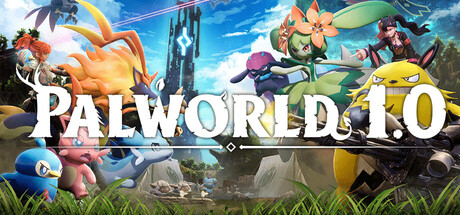
Palworld
Choose it ifChoose Future Knight if you want a short, stylish solo run, and choose Palworld if you want long-session co-op and creature collection.
How it comparesAction-driven indie with strong stylistic identity Palworld is a multiplayer open-world survival and crafting game about taming creatures, whereas Future Knight is a tightly scoped single-player 2D shoot 'em up built around a switch mechanic and an LCD aesthetic.
SIMILAR OPTION · 70% OFF
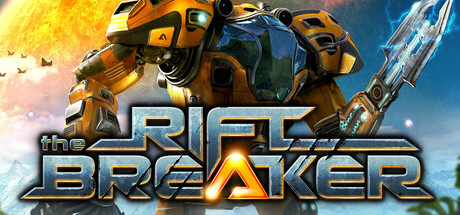
The Riftbreaker
Choose it ifChoose Future Knight if you want a focused, controller-friendly arcade experience, and choose The Riftbreaker if you want a deeper survival loop you can play with a friend.
How it comparesSingle-player action with base-building and survival layers The Riftbreaker is a solo or co-op base-building survival game with action-RPG combat against alien hordes, while Future Knight is a side-scrolling shooter with no base-building and no co-op at all.
Share this article