Catch up on the essentials
- The incentive package is expected to be presented to foreign investors at the Pakistan Minerals Investment Forum on November 12–13, according to the lead report.
- The government is also considering extending the exemption after production starts for export-oriented projects where input sales tax may remain unadjusted.
- The National Mineral Policy document was reportedly ready, but the absence of an accompanying fiscal package could limit its ability to attract investment and address sector challenges.
Selected from this article · 2026-11-04
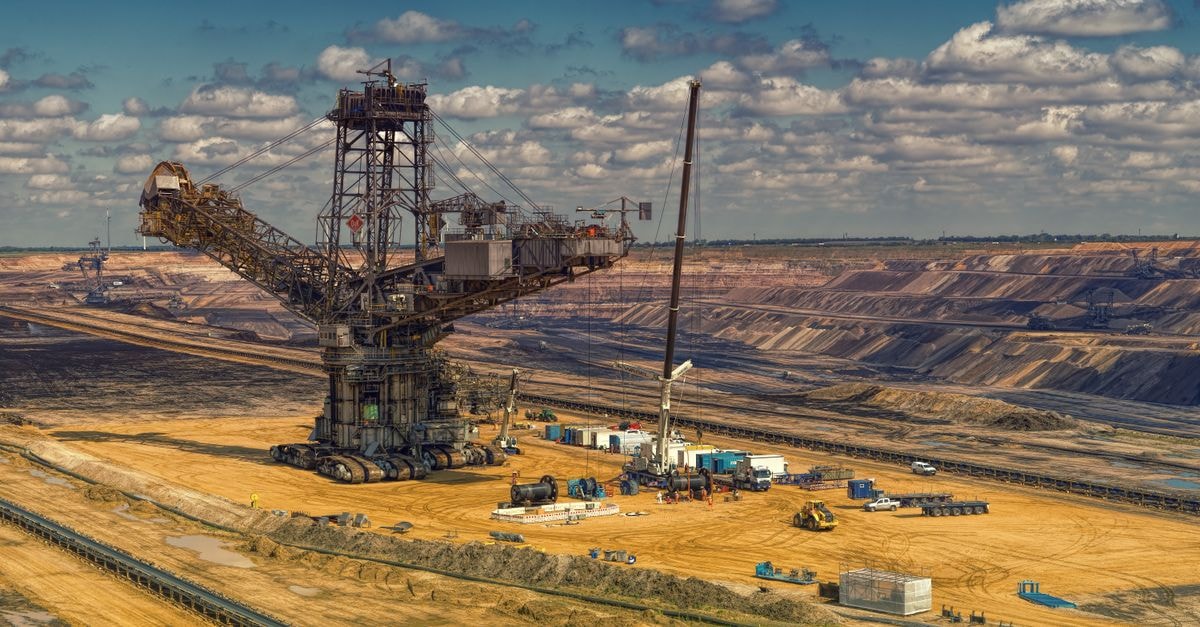
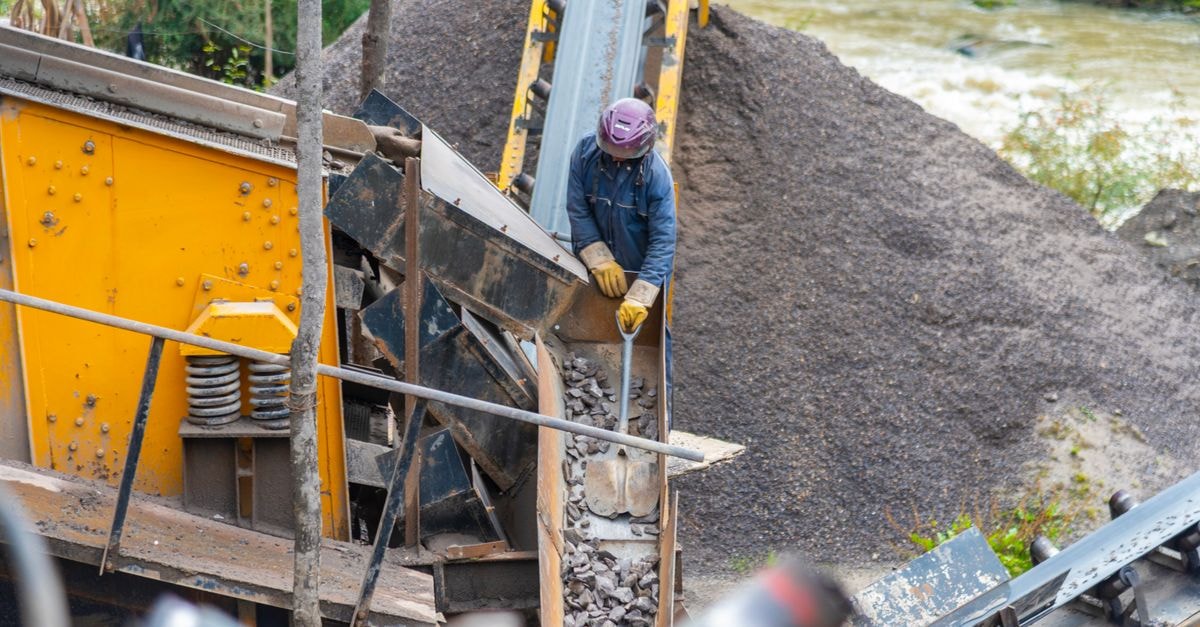
Read on for the full picturePakistan is preparing a fiscal package intended to improve the economics of copper and gold mining projects, but the measures remain proposals rather than an approved investment regime. The incentive package is expected to be presented to foreign investors at the Pakistan Minerals Investment Forum on November 12–13, according to the lead report.
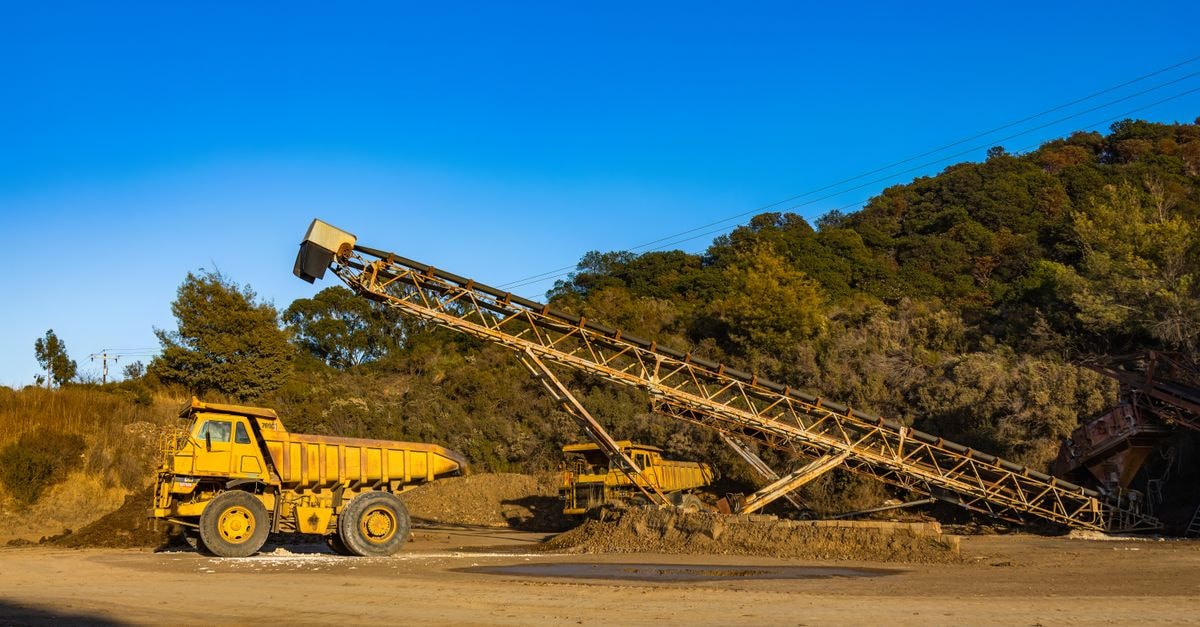
The proposals, developed with a model from consultancy Wood Mackenzie, include tax reductions, exemptions and deferred payments intended to support mining investment. The government says Pakistan’s copper and gold reserves are worth an estimated $8 trillion, while the wider mineral potential is also described as $8 trillion. That scale is a resource estimate, not evidence of committed investment, production or revenue.
Incentives target project economics
One proposal would provide a 30-year exemption from general sales tax on imported and locally purchased goods and services used during mining exploration and development, continuing until commercial production begins. The government is also considering extending the exemption after production starts for export-oriented projects where input sales tax may remain unadjusted.
Under the Wood Mackenzie model, withholding tax on local goods would fall to 4%, while the rate for local services would be 8%, with payment deferred until mining production begins. The package also proposes import-duty exemptions for capital goods and project equipment used during exploration, development and construction. These measures could reduce the upfront tax and customs burden on long-duration projects, although their effect cannot be quantified until the final terms are approved.
A more substantial proposed change would replace conventional corporate income tax with a 1% presumptive tax on export proceeds, plus a 0.5% development surcharge. The package also proposes a 30-year exemption from super tax for mining projects and a 15-year exemption from withholding tax on dividends distributed after commercial production begins. Inter-corporate dividends within mining project structures may also be exempt to prevent tax cascading.
Wood Mackenzie identified corporate income tax treatment as the largest influence on an investor’s internal rate of return. Its proposed framework also includes fiscal-stability clauses to protect tax terms when an exploration concession or agreement is awarded, drawing on provisions available to Pakistan’s oil and gas sector. Exploration losses would also be eligible to be carried forward indefinitely.
Approval remains the gating step
The proposals were submitted to the Finance Division during the current year’s budget process, but a comprehensive program was not introduced then. The Petroleum Division has asked the Finance Division to prioritize the package; the lead report says Finance Division approval is still required. The National Mineral Policy document was reportedly ready, but the absence of an accompanying fiscal package could limit its ability to attract investment and address sector challenges.
The forum is therefore a presentation milestone, not evidence that the incentives have been adopted. The reviewed reporting does not establish a committed project pipeline, purchase orders, equipment suppliers or procurement process arising from the proposals.
Broader risks could limit returns
Context reporting highlights security concerns, policy uncertainty, infrastructure constraints and coordination with provincial authorities as issues affecting mining investment. Mining and quarrying contributed about 1.5% of Pakistan’s GDP in 2024, according to the context report’s use of US Geological Survey data, despite the country having identified 92 minerals, with 52 commercially extracted.
The Reko Diq project illustrates the importance of policy continuity: it stalled in 2011 after a dispute over its mining lease, followed by an arbitration award of approximately $5.97 billion against Pakistan in 2019 and a restructured settlement in 2022. The project is now jointly owned by Barrick Mining, federal state-owned enterprises and the Balochistan government, but security concerns have again slowed development, with a possible production delay to 2030 reported in the context coverage.
Tax relief alone may not establish durable project value. The context report also raises questions about local employment, refining and processing, environmental safeguards, infrastructure and the government revenue forgone through long-term exemptions. Those are analysis points, not confirmed consequences of the proposed package.
The policy is not yet an investment signal
The immediate industry signal is a proposed effort to improve mining project economics, not confirmed procurement demand or a finalized contract award. The next observable test is whether the Finance Division approves the package and whether the forum presentation produces specific commitments; the reviewed reporting does not identify committed projects, named suppliers or sourcing deadlines.
Industry and product implications
Industry / product | Disclosed fact | Demand interpretation | Verification signal | Main risk |
|---|---|---|---|---|
Pakistan copper and gold mining investment | The government is preparing a fiscal incentive package to attract investment in Pakistan’s copper and gold reserves, estimated at $8 trillion, as part of the National Mineral Policy 2026. [1] | Qualified inference; planned. Tax reductions, exemptions and deferred payments are intended to improve mining-project economics and attract foreign investment. | Finance Division approval and presentation of the package at the Pakistan Minerals Investment Forum. | The proposals remain unapproved and do not establish committed projects, procurement or production. |
Pakistan Minerals Investment Forum | The incentive package is expected to be presented to foreign investors at the Pakistan Minerals Investment Forum on November 12–13. [1] | Qualified inference; planned. Presentation of proposed mining fiscal terms to prospective foreign investors. | A subsequent disclosure that the package was presented, together with any resulting investment commitments. | Presentation is not approval, a project award or evidence of actual capital spending. |
Share this article