Catch up on the essentials
- Kioxia CEO Hiroo Ota ruled out a deeper manufacturing relationship with SK Hynix, citing antitrust hurdles and the company's existing joint production arrangements with Sandisk.
- Ota said Kioxia's priority is to keep memory chip prices at their current elevated levels rather than push them higher, even as the company expands capacity to meet AI-driven demand.
- Investors including the chair of SK, SK Hynix's parent, have argued that manufacturing partnerships could help lower the risk of the large capital commitments required to meet surging AI-related orders.
Selected from this article · 2026-09-11
Read on for the full pictureKioxia's position on a potential SK Hynix partnership

Kioxia CEO Hiroo Ota ruled out a deeper manufacturing relationship with SK Hynix, citing antitrust hurdles and the company's existing joint production arrangements with Sandisk. Speaking in an interview, Ota said, "We can't just say, 'Well then, let's make it three companies,'" and added that Kioxia and SK Hynix are not in talks about joint production. He also said he had "no idea" what prompted SK Chairman Chey Tae-won to raise the prospect of a tie-up in an earlier Asahi Shimbun interview. An SK Hynix representative said Chey was speaking in general terms and that no discussions are ongoing.
Pricing strategy and the broader AI supply squeeze
Ota said Kioxia's priority is to keep memory chip prices at their current elevated levels rather than push them higher, even as the company expands capacity to meet AI-driven demand. "Prices have already risen enough," he said, warning that further increases could dent long-term AI demand. Memory makers are seeing double- or even triple-digit price gains as AI service providers lock in multiyear contracts for advanced chips.
Capacity build-outs across Japan and South Korea
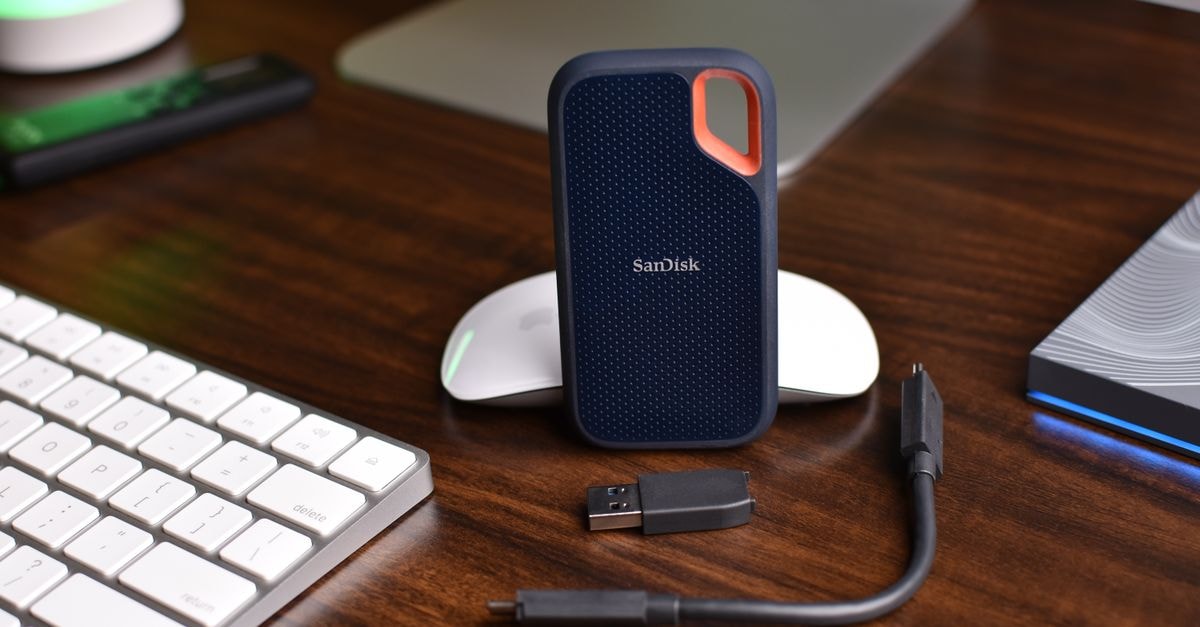
Kioxia and Sandisk have together earmarked more than ¥5 trillion ($33 billion) to expand their jointly owned NAND flash production facilities in northern and central Japan. SK Hynix has outlined a 54 trillion won ($40 billion) expansion of its South Korean chipmaking sites and is constructing an advanced memory packaging facility in West Lafayette, Indiana. Kioxia specializes in NAND flash memory chips used for high-capacity mass data storage, and sources DRAM for some of its solid-state drives from SK Hynix.
Existing links and investor ties
Kioxia and SK Hynix already collaborate on nonvolatile magnetic memory development, and Sandisk works with SK Hynix on high-bandwidth flash memory. SK Hynix also holds bonds that can be converted into a lead 14.19% stake in Kioxia. Investors including the chair of SK, SK Hynix's parent, have argued that manufacturing partnerships could help lower the risk of the large capital commitments required to meet surging AI-related orders.
Market reaction
SK Hynix shares fell 4.7% as memory chip stocks pulled back following a recent rally driven by AI demand, erasing part of the gains that had pushed the sector higher in prior sessions.
Follow-up signals
Watch for further Kioxia and Sandisk spending updates tied to the ¥5 trillion-plus expansion of their Japan facilities, and for Micron Technology's earnings report scheduled for Sept. 30, which will test whether the price discipline signaled by Ota is holding across the memory market.
Share this article