A city of quiet contrasts

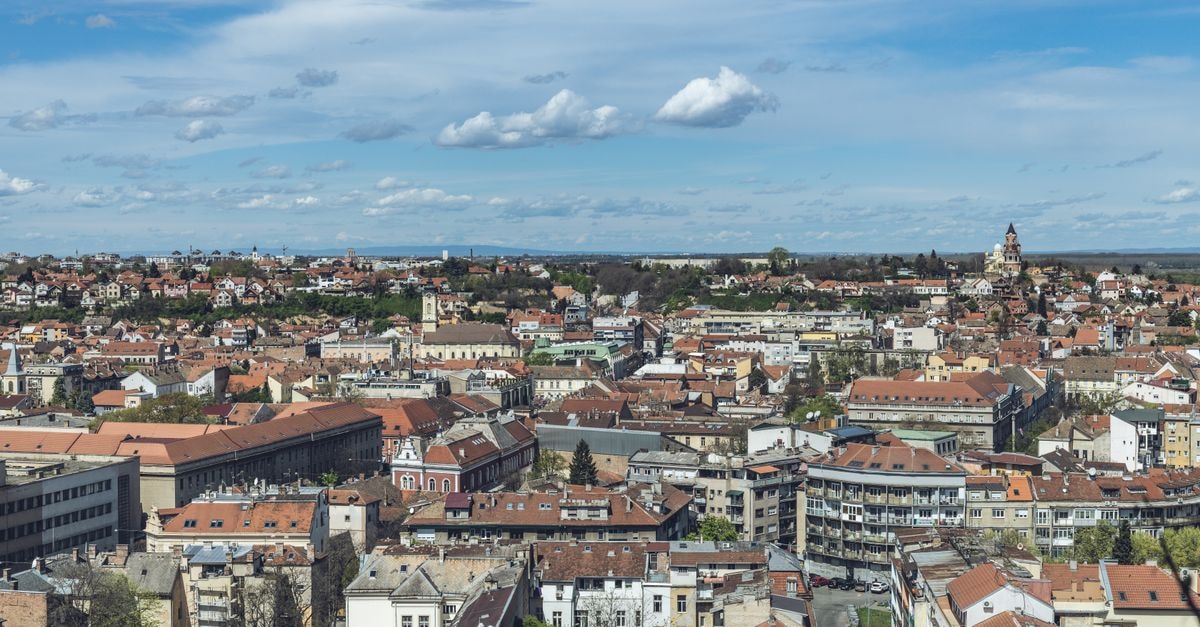
Aalborg has a way of surprising first-time visitors. It feels compact enough to read on foot, yet its story stretches back to the Viking age and reaches forward into a contemporary waterfront lined with bold architecture. Set on the south bank of the Limfjord, the city carries the rhythm of a working Danish port while keeping a relaxed, human scale. Travelers who like destinations where old timber-frame houses and sleek cultural buildings share the same horizon tend to find Aalborg especially rewarding.
The guide below keeps the focus on what the approved sources actually support, so you can plan around a few clear anchors: the atmosphere of the city itself, what makes the setting distinctive, and how visitors tend to approach getting around and orienting themselves.
Where Viking heritage meets modern waterfront
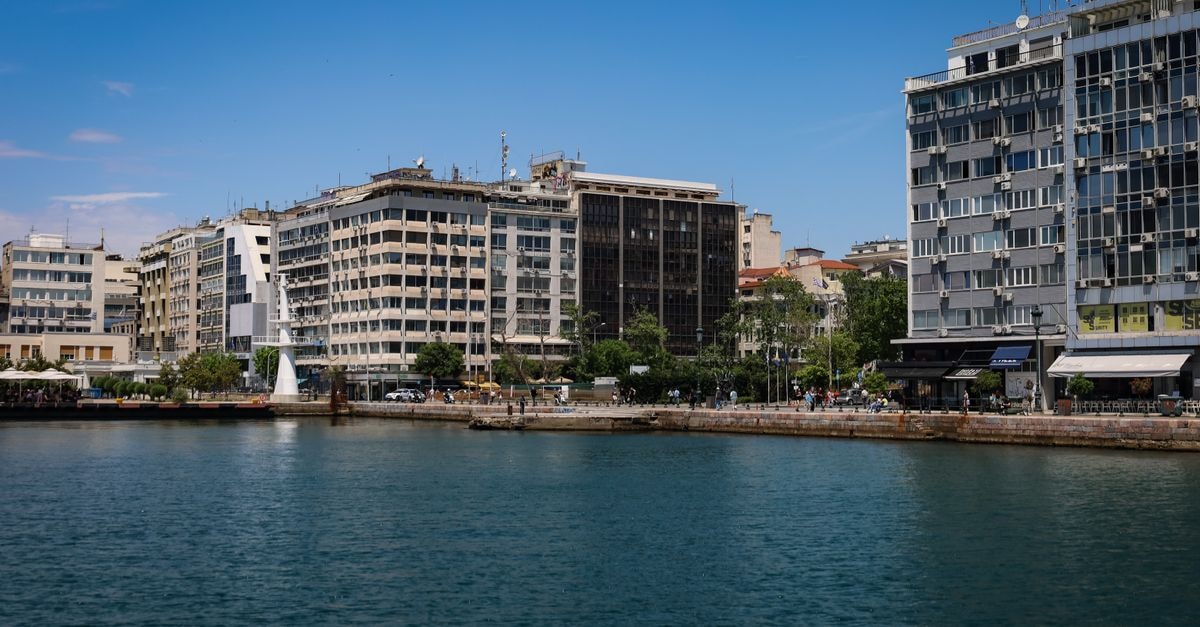
Aalborg is often described as a place where layers of time sit unusually close to one another. The Limfjord, a shallow channel that cuts through the Jutland Peninsula and connects the Kattegat with the North Sea, runs right through the city, and the waterfront has become one of its most recognizable features.
A few framing notes can help you read the city before you arrive:
- Aalborg has been recognized internationally as a cultural destination, including being named in The New York Times' Top 10 Places to Go in 2019. - The harbor area is known for its mix of fishing boats, yellow buildings, and a red lighthouse, which together give the waterfront a warm, recognizable palette. - The city blends Viking history with contemporary art and architecture, often described as a place where "Viking ships once sailed past" alongside modern cultural venues. - In the historic city center, travelers are pointed toward landmarks such as Jens Bangs Stenhus and Vor Frue Kirke (the Abbey of Our Lady), both referenced as anchor sights. - The wider region is also described as a setting for ancient Viking history and burial sites, framed as one of Scandinavia's better-preserved examples.
What this means in practice is that Aalborg rewards slow wandering. You can step out of a modern museum or concert hall and be looking at a centuries-old timber house within minutes. Many of the points of interest sit within an easy walk of each other, which makes the city forgiving for visitors who prefer to set their own pace rather than chase a packed schedule.
The old town in particular is where this layering becomes visible: traditional Danish buildings, church spires, and cultural landmarks share a small, walkable footprint. For travelers who arrive curious about Viking-era Denmark, the city offers a starting point for that story rather than a single crowded attraction.
Setting on the Limfjord
Aalborg's geography is part of its charm. Because the Limfjord is a shallow channel that links two bodies of water, the city feels like a meeting point, with shorelines, bridges, and harbor edges shaping the experience of being there.
Travelers often find that the Limfjord sets the tone for the visit:
- The waterfront is treated as a destination in its own right, not just a backdrop, with cultural buildings giving it a distinct contemporary edge. - The harbor's fishing boats and the red lighthouse are regularly cited as defining visual features of the city. - The city's position on the south bank of the fjord means that water views and bridge crossings are part of everyday orientation rather than special outings.
That geography also explains why Aalborg tends to feel intimate even though it is one of Denmark's larger cities. You can walk along the fjord in the morning, cross into another neighborhood by afternoon, and still feel oriented by the water.
For visitors who enjoy cities with a strong sense of place, this is one of Aalborg's quiet strengths: the fjord acts as both compass and companion throughout a stay.
Weather and what to expect
Because direct monthly weather evidence for the target period is not part of the approved sources, this guide is written as evergreen city guidance rather than seasonal advice. The supported facts describe what visitors can generally expect from the city's atmosphere and harbor character rather than specific temperatures.
What the approved sources do support:
- The harbor area, including its fishing boats, yellow buildings, and red lighthouse, is described as being "bathed in rich warm tones," a cue that the waterfront reads as visually warm and atmospheric at many times of day. - The city is framed as one that pairs Viking-era landmarks with contemporary cultural buildings, suggesting an environment where indoor and outdoor experiences can be mixed across a visit. - Visitors are encouraged to pace their days around walking between landmarks in the historic center, where Jens Bangs Stenhus and Vor Frue Kirke are cited as reference points.
Because no specific temperature, rainfall, or daily-condition figures are backed by the current evidence, the safest approach is to think in terms of layering. A typical northern Jutland visit benefits from a light jacket for fjord-side breezes, comfortable walking shoes for cobbled streets, and a flexible plan that moves between indoor cultural stops and outdoor harbor walks. Travelers who want precise conditions for their travel dates should check an up-to-date forecast closer to departure.
Getting around and approaching the city
Aalborg is set up for travelers who prefer to explore on foot, especially within the historic core. The city's compact layout and the concentration of landmarks referenced in approved sources make walking the most natural way to get a feel for the place.
A few approved notes help frame how visitors typically approach the city:
- Aalborg is described as a destination for a "captivating" multi-day journey through the city and the wider North Denmark region, framed as an itinerary-style experience. - The city is presented as a blend of vibrant city culture and ancient Viking history, suggesting that visitors are encouraged to mix cultural stops with historical walking. - Aalborg is repeatedly framed as a culturally vibrant hotspot, particularly along its waterfront of iconic architectural buildings. - The city's position on the Limfjord is described in a way that suggests harbor walking and fjord-side routes are central to the experience.
Because the approved sources do not provide specific bus routes, timetables, ticket prices, or driving directions, this guide intentionally avoids those details. For practical movement decisions, such as which local transport option fits your itinerary or how to reach a specific district, official Aalborg transport resources and the city's visitor information channels are the right place to check before you travel.
A few grounded travel notes
Aalborg is the kind of city where the quality of a visit depends less on a checklist and more on how you let the layers reveal themselves. Because the historic center, the harbor, and the cultural waterfront are all within walking distance of one another, a relaxed rhythm usually works better than rushing between sights.
The approved sources support a few practical instincts:
- Plan time for both the old town landmarks and the modern waterfront, since they are described as equally central to the city's identity. - Treat the harbor as part of the itinerary, not just a transit point, given its recurring role in how the city is presented. - Keep the visit flexible enough to step into churches, museums, or cultural buildings when the weather or your energy shifts, since the city is framed as culturally rich and walkable. - For visitors interested in Viking-era Denmark, think of Aalborg as an atmospheric entry point that connects to the wider North Denmark region, rather than a single-site stop.
Nothing in the approved evidence supports listing specific restaurants, daily budgets, opening hours, or current events. Where those details would normally appear, the responsible approach is to check official channels closer to your visit.
A final verification note
Travel conditions change, and the supported facts above are meant as a durable introduction to Aalborg rather than a substitute for up-to-date information. Before you go, confirm opening hours, transport options, and any seasonal variations through official Aalborg and Denmark tourism channels so your plans reflect current conditions.
Share this article
TOOLS FOR THIS PLAN
Make the Aalborg plan measurable
Choose a tool only when it answers the next question in your trip. Your values stay in the browser, and each tool offers a route back to this planning context.