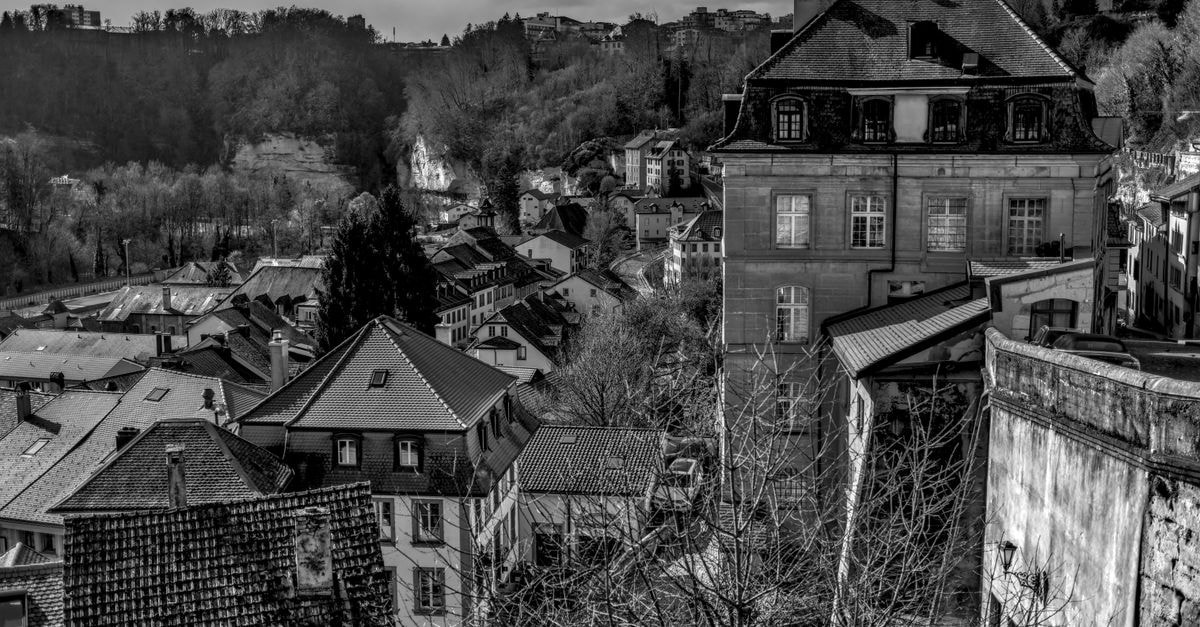
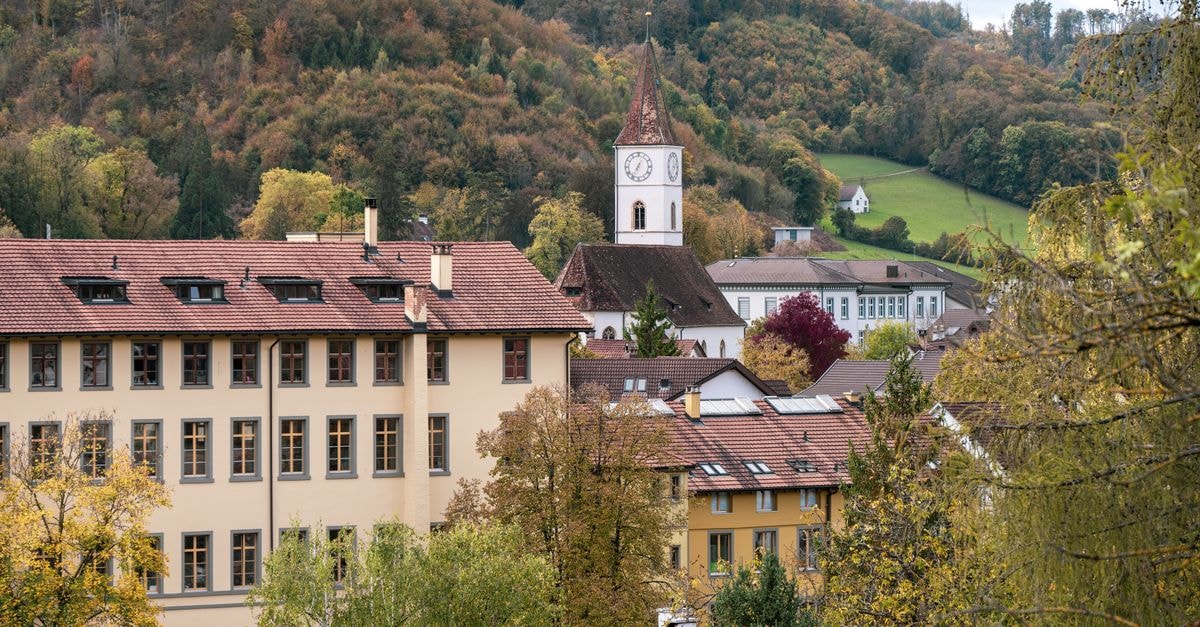
There is something immediately calming about Aarau, a compact Swiss city where the River Aare runs right through the center and the pace feels a touch gentler than in the country's larger urban hubs. Travelers who prefer wandering on foot, lingering over a meal, and soaking up a place's everyday rhythm rather than racing between headline sights tend to feel at home here. The blend of culture, gastronomy, and nature is exactly what national tourism material highlights about the city, and it makes a useful frame for planning a visit.

Weather and seasonal context
Aarau's pull is not really about a single dramatic landscape or monument; it is about a layered feeling of culture meeting everyday Swiss life. Because the city is described as offering a varied mix of culture, gastronomy, and nature, the weather tends to shape how much time you spend outdoors versus in museums, cafés, and old-town lanes. Switzerland's climate varies by region, so visitors can feel cool mornings, warmer afternoons, and the occasional rainy spell, all within the same day. Pacing the day around that rhythm, with a flexible plan that can shift between indoor discoveries and riverside walks, often suits the city better than a packed schedule.
Getting around
Aarau's identity is tied closely to the Aare. The city takes its name from the river that flows directly through it, and that waterway has long shaped how the place looks and breathes. Looking back over the city's history, the lowlands along rivers and streams were once shaped naturally by water rather than by dams; today, the river still organizes the urban landscape, threading past green edges, bridges, and walking paths. Travelers who enjoy a city where nature is woven into the urban fabric rather than pushed to the edges may find Aarau especially satisfying, because the Aare is essentially part of the town itself.
For getting around, the practical appeal is that a place this compact, with its river as a natural axis, rewards slow exploration on foot or by short local rides. The same logic that made the riverside landscape lively before modern dams now makes the modern city pleasant to traverse: water still defines sightlines and routes. Consider planning a route that follows the Aare at some point in the day, even if just for a stretch, because that simple thread tends to connect otherwise scattered corners of the city into a coherent experience.
Food and local context
While the approved facts point to Swiss cuisine as the wider backdrop, it helps to think of eating in Aarau as sampling Switzerland at a comfortable, unhurried tempo. Swiss cuisine itself reflects influences from Germany, France, and northern Italy, shaped by varied farming traditions and climatic conditions across the country. That cross-border kitchen shows up across Switzerland's culinary map, which splits into distinct language regions, each with its own beloved dishes and habits. Knowing this helps set expectations: menus you encounter can lean toward German-speaking Swiss staples, with neighboring regional influences woven in depending on where you travel after Aarau.
For travelers who enjoy combining meals with scenery, a useful nationwide habit to be aware of is the Swiss tradition of Bergrestaurants, mountain restaurants that pair dining with views. In a low-lying city like Aarau, this translates into looking for restaurants that lean into the surrounding landscape, whether that means a terrace with a view, a spot near the river, or a venue that frames the gentle hills beyond the old town. If you prefer a meal that feels like a pause in the day rather than just refueling, consider choosing places that emphasize setting alongside the plate. Equally, if your priority is a quick, classic Swiss bite between activities, the city's compact layout makes it easy to keep meals simple and keep moving.
Choosing what fits your trip
A few tradeoffs are worth thinking through before you arrive. Because Aarau's draw is its mix of culture, gastronomy, and nature rather than a single blockbuster attraction, travelers who like a packed checklist of headline sights may want to pair the city with another stop, while those who enjoy slower urban exploration will likely feel well served by a few unhurried days. The river is the connective thread: routes that follow the Aare tend to feel more memorable than those that ignore it. For meals, accepting that you are eating within a broader Swiss context, rather than chasing a hyper-local Aarau specialty, leaves you free to enjoy whatever the kitchens and terraces you find are doing best. Keep the day loose enough to move between indoor and outdoor moments as the weather shifts.
Before you go
Factual travel conditions can change, so it is worth checking official Swiss tourism and local channels for the latest opening hours, transport details, and any seasonal notes before departure. Because this guide focuses on durable context rather than a fixed date, one helpful question to verify ahead of your visit is which specific riverside walks or cultural venues you most want to prioritize, so you can confirm access and timing in advance.
Prices, opening hours, schedules, reservation rules, and local conditions can change; verify them through official channels before departure.
Share this article
TOOLS FOR THIS PLAN
Make the Aarau plan measurable
Choose a tool only when it answers the next question in your trip. Your values stay in the browser, and each tool offers a route back to this planning context.