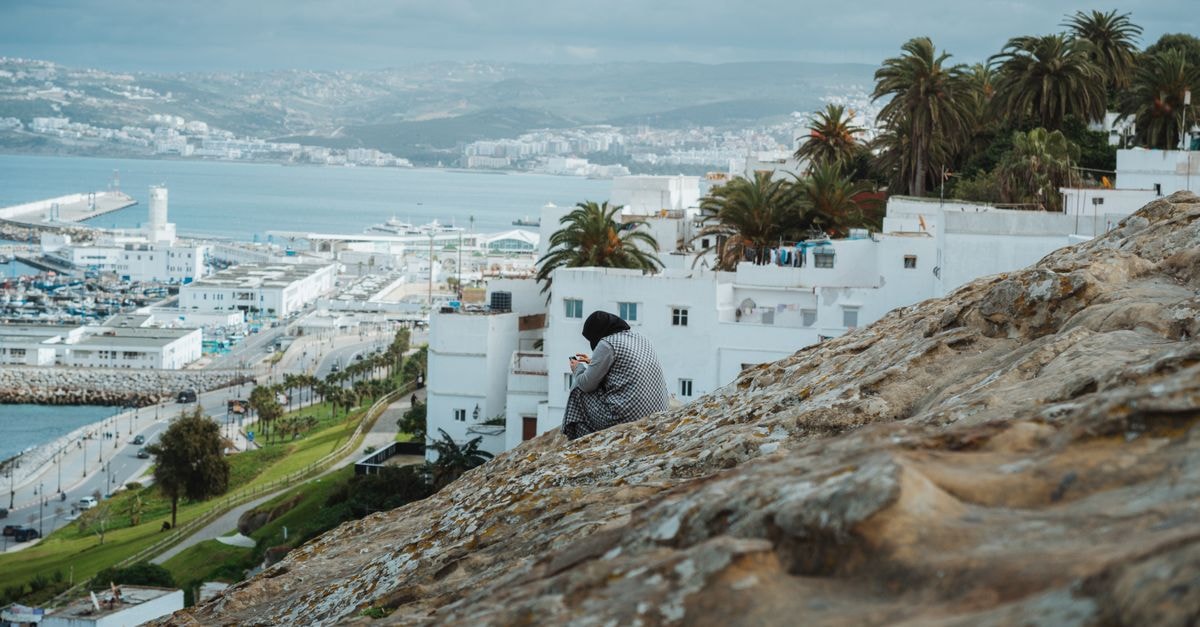
A first impression of Agadir

Agadir sits where the western ridge of the High Atlas Mountains meets the Atlantic, giving the city its distinctive dual personality: a working port paired with a wide, breezy beach resort that the brochures describe as year-round sun. The skyline is unusually modern for Morocco, a legacy of the 1960 earthquake that reshaped the city, but the surrounding Souss-Massa region still carries deep Amazigh (Berber) roots, and that blend of coast and culture gives Agadir an easygoing, sun-warmed rhythm that travelers tend to notice within the first afternoon.
Getting around
Agadir is laid out generously along its corniche, which means distances can feel longer than they look on a map, and a little transport planning goes a long way. The local bus network is the simplest way to orient yourself: Alsa buses serve Agadir and its immediate suburbs, and they cover most of the city and surrounding neighborhoods that visitors are likely to want to reach. For travelers who prefer to keep their day flexible, hopping on a bus for the beachfront run or the inland ride toward the souk area is usually the most relaxed option.
A few practical notes that make the bus network friendlier: keep small change ready, expect stops to be announced informally, and remember that the buses thread through both the modern hotel zone and the older residential streets, so a single route can take you from a beach morning to an afternoon of browsing in town without much fuss. Taxis and rental cars are common around the resort strip, but for a first visit, the Alsa network is a useful baseline that lets you decide later whether you want the freedom of your own wheels.
Attractions and planning
The single most recognizable landmark on the Agadir coast is the 300-metre hill at the end of the beachfront, crowned with the vestiges of the old citadel, known locally as the Oufella. From along the corniche, the silhouette is almost always in view, and it acts as a natural wayfinding point for anyone walking the long seafront promenade. The citadel itself is more about atmosphere than architecture today, but the hilltop vantage offers a striking look back at the city, the port, and the curve of the bay.
At the opposite end of the beach, the Marina Agadir anchors the northern stretch of the seafront. It is described as a modern, premium marina complex, and it functions as a pleasant counterweight to the long sandy sweep of the main beach: a place to pause for a coffee, browse a few shops, or watch the boats before turning back south toward the resort zone. The marina also works well as a slow-morning stop, especially if you want to break up a beach day with a change of scenery.
For a deeper layer of the city's identity, the cultural institutions inside Agadir carry the Amazigh heritage forward in a compact, approachable way. The Museum of Berber Arts and Traditions showcases Amazigh heritage, and it gives visitors a window onto the crafts, jewelry traditions, and everyday objects that connect the modern city to the broader Souss-Massa region. It is the kind of stop that pairs naturally with a slower afternoon, and it adds context that you might not pick up from the beach alone. A loose rhythm that many travelers enjoy here is beach and marina in the morning, museum and citadel viewpoint in the later part of the day, when the light over the Atlas ridge softens.
Food and local context
Agadir's cuisine reflects its coastal position, and that single sentence unlocks a lot of the menus you will see across the city. Because the Souss-Massa region is rich in both farmland and sea, the local cooking tends to swing between market-fresh vegetables, slow-simmered meats, and the day's catch, often served in combinations that feel generous and family-style. According to the regional gastronomy description, "each family has its own magic recipe," with meat or fish accompanied by vegetables or dried fruits, and the Sousi (the people of the Souss) lean on the many products of their region to keep the flavors varied.
On the plate, a few dishes are easy to look for as anchor points. Tagine appears in several forms, including a vegetable version and a chicken version, and it tends to show up on menus across the city, often as a slow-cooked centerpiece. Berkouk, described as part of Amazigh cuisine, is another regional dish worth asking about, especially in smaller, family-run spots where recipes tend to be closer to home cooking. Couscous is widely treated as a national dish in Morocco and accompanies major events, so don't be surprised to find it served with pride at both weekday meals and celebratory tables in Agadir.
A practical note before you go
Factual travel conditions can change, so it is always worth double-checking bus routes, museum opening arrangements, and any ticketed sites through official channels or your accommodation before you set out. Small details like exact timetables and entry fees are not covered in this guide on purpose, because they shift more often than the broad character of the city does. What stays durable is the simple shape of a visit: a sunlit corniche, a hilltop citadel in plain view, a marina at one end of the beach, a museum that anchors the region's Amazigh story, and a table that reflects the sea and the Souss plain at once.
Share this article
TOOLS FOR THIS PLAN
Make the Agadir plan measurable
Choose a tool only when it answers the next question in your trip. Your values stay in the browser, and each tool offers a route back to this planning context.