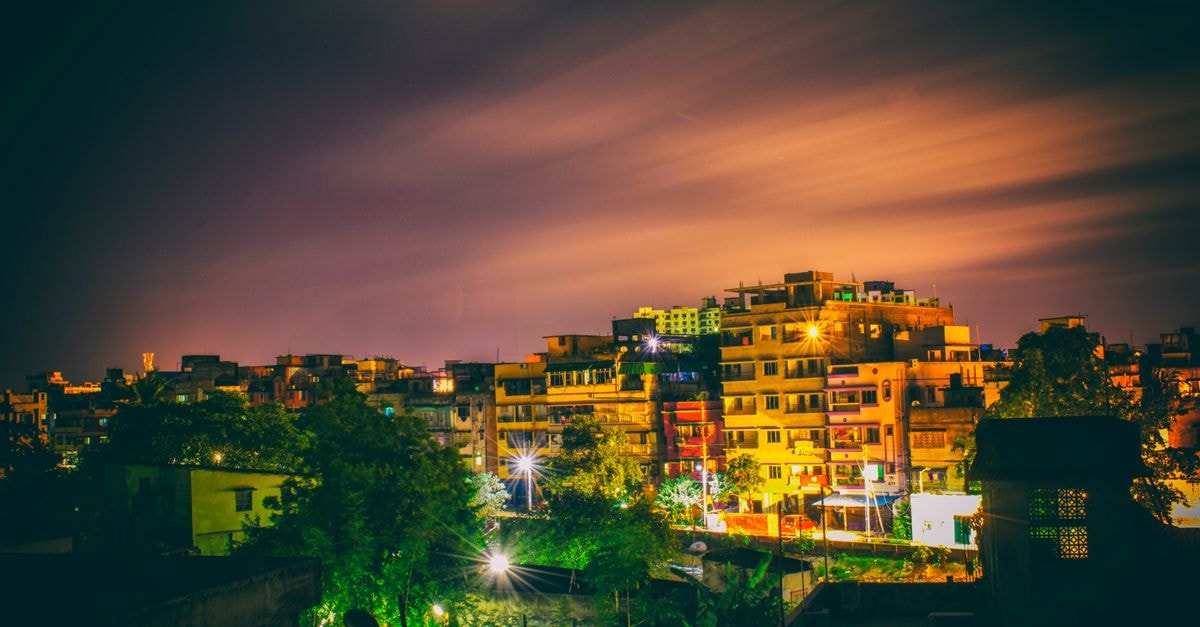
An unhurried welcome to Agartala

There is something gently offbeat about arriving in Agartala. As the capital of Tripura, it sits comfortably close to the Bangladesh border and reads like a city where palace courtyards, temple spires and leafy boulevards share space with everyday neighborhood life. The skyline is low, the pace is gentle, and the air often carries the green smell of the wider Northeast. For travelers who like destinations that feel rooted rather than polished for visitors, Agartala offers an inviting first impression.
The city is often described as a meeting point of nature and culture, and the landmarks scattered through its neighborhoods reflect that pairing. Palaces, heritage temples and wildlife sanctuaries all sit within reach of the center, which means you can build a varied day without long transfers.
Weather and seasonal context
Agartala's climate is shaped by the monsoon, and rainfall is a defining part of the city's character for a significant stretch of the year. Heavy showers can arrive in steady bursts, sometimes soaking the streets for hours, and the surrounding greenery rewards that rain with vivid color. Because showers can interrupt outdoor plans, consider keeping your sightseeing flexible, with an indoor backup like a museum, bookstore or palace interior in mind.
For travelers who prefer dry walking days and open-air sightseeing, the cooler and drier window from October through March is widely regarded as a comfortable time to explore the city and its surroundings. If you do arrive during the wetter months, expect humidity to linger into the evenings, plan shorter midday outdoor stretches, and keep an umbrella or light rain layer close at hand. Stays and flights tend to be priced higher around the busy travel windows, so booking a little in advance can make the difference between a fair rate and a frustrating one.
One small comfort is that the monsoon rhythm is predictable in spirit rather than in minute detail: mornings can open bright, afternoons can darken, and the city resumes its rhythm once the rain passes. Travelers who enjoy watching a place reset under rain, rather than fighting it, often find Agartala quietly charming in this season.
Getting around and feeling at ease
Agartala has the relaxed scale of a state capital that has not yet been swept up in heavy metropolitan traffic, which makes moving around feel easier than in many larger Indian cities. Auto-rickshaws, app-based cabs and shared taxis handle most short hops between the main palace, temple and heritage sites in the central area. For any heritage site that sits slightly outside the core, a pre-booked car or a half-day taxi is a comfortable way to keep the day simple.
During daylight hours, the city and its main heritage sites generally feel secure with normal city precautions. That means the usual awareness of your belongings, a sensible eye on quieter lanes after dusk, and the same care you would take in any unfamiliar urban area. Keep a local contact number handy and ask your host or hotel front desk about the current feel of any specific neighborhood you plan to visit in the evening.
A small detour that often delights readers who love place-based reading is Jnan Bichitra Bookzone, a bookstore that carries works by local authors and material on Tripuri culture. It is the kind of stop that turns a city from a checklist into a conversation, especially if you like to arrive in a place by reading your way into its stories before you walk through it.
A city shaped by heritage and nature
Agartala is best understood as a small capital with two strong identities: palaces and temples on one hand, and surrounding nature on the other. Landmarks like Ujjayanta Palace, the lakeside setting of Neermahal Water Palace, Chaturdasha Devata Temple, Tripura Sundari Temple, Jagannath Temple and the rock-cut figures of Unakoti all give the city its cultural spine. Sepahijala Wildlife Sanctuary and Heritage Park Agartala add the green counterweight, and they pair well with a slower afternoon when the city heat or rain has thinned the crowds.
Because these places are spread across the city and a little beyond, consider grouping them by neighborhood or direction rather than by category. A morning in the central heritage pocket, an afternoon at a palace or sanctuary on the outskirts, and an evening reserved for a bookstore, café or bazaar walk is a comfortable rhythm for first-time visitors.
Finding what fits your trip
A few small tradeoffs are worth thinking through before you set your days in motion. Travelers who dislike long, sticky walks in humid conditions may want to lean on taxis between heritage sites rather than trying to connect them on foot. Readers who love landscape and birds often appreciate giving Sepahijala a fuller half-day rather than squeezing it between two palace visits, since sanctuaries reward patience. Anyone with a soft spot for local culture will likely enjoy pairing a temple visit with time at Jnan Bichitra Bookzone, which lets the visual experience settle into something more reflective. On the other hand, visitors who crave dense urban energy and packed itineraries may find Agartala's slower pace too quiet; in that case, treating the city as a base for short heritage loops, with rest hours built in, usually works better than trying to compress it into nonstop sightseeing.
Practical notes before you go
A few small habits go a long way in Agartala. Carry small change for auto-rickshaws and small shops, keep a light rain layer within reach, and confirm opening hours for any palace or sanctuary the morning of your visit, since schedules can shift with the season or local events. If you are planning to step into temples, carry something that covers shoulders and knees out of respect for local custom.
For connectivity, a local SIM or a roaming data plan makes taxis and bookstore stops easier to manage. For longer stays, ask your host about the best neighborhood to base yourself in; central areas shorten trips to the main landmarks, while quieter residential pockets can feel more restful after a day of sightseeing.
A short verification note: confirm the daily opening hours of Ujjayanta Palace, Neermahal Water Palace and Sepahijala Wildlife Sanctuary with the official tourism channel or your hotel before you travel, since timings can change with season and local conditions.
Travel conditions, prices and schedules can shift over time. Treat this guide as a starting point, cross-check the essentials with official tourism sources before you depart, and let the city reveal its quieter corners at your own pace.
Prices, opening hours, schedules, reservation rules, and local conditions can change; verify them through official channels before departure.
Share this article
TOOLS FOR THIS PLAN
Make the Agartala plan measurable
Choose a tool only when it answers the next question in your trip. Your values stay in the browser, and each tool offers a route back to this planning context.