A first look at Agra

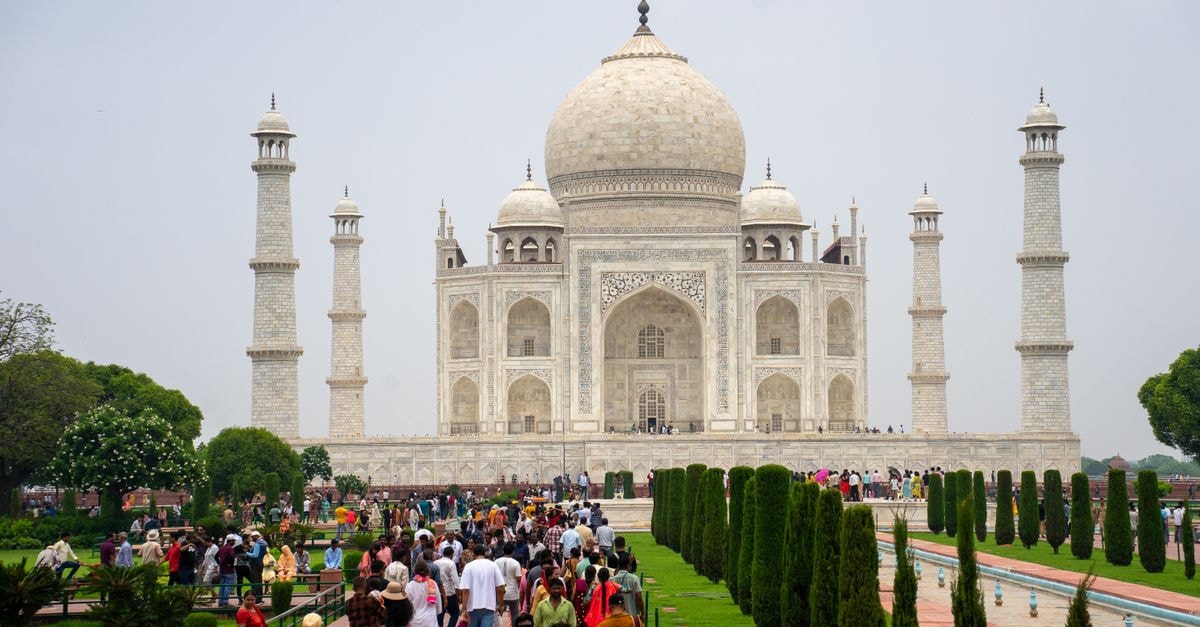
Agra is one of those places whose name carries a single, enormous image with it: the white marble silhouette of the Taj Mahal rising over the river. Even a short visit tends to orbit that monument, and that is precisely what makes a little pre-planning feel so rewarding. Knowing where you are staying in relation to the Taj, how you will move through the city, and how you want to spend the unhurried hours between sightseeing can turn a rushed stop into a genuinely memorable one.
This guide keeps things intentionally focused. Rather than scatter across every possible attraction, it zooms in on the two things most first-time visitors ask about first: the rhythm of the weather that shapes a comfortable day, and the simple logistics of getting around a city where the landmark itself tends to set the pace.
Weather and seasonal context
Because of this rhythm, it helps to think of your sightseeing day in two halves: a focused morning visit to the headline monument, and a slower afternoon that might mean retreating to your hotel for a rest, a swim, or a long lunch in air-conditioned comfort. Pacing the day this way is less about the calendar month and more about treating Agra as a city that rewards a gentle schedule.
If you are choosing where to stay, the climate argument nudges strongly toward properties that offer both proximity and comfort. Stays at the higher end of the scale, such as 5-star hotels like The Oberoi Amarvilas with views of the Taj Mahal from the room, are part of a luxury travel pattern where the room itself becomes part of the sightseeing: you can watch the light change on the marble without stepping outside, step out briefly for sunrise, and retreat when the day grows warmer. That is less an extravagance and more a practical response to how the city feels across a long day. Mid-range and budget travellers can recreate the same logic at a smaller scale — pick a hotel or guesthouse close enough to the main sights to make early mornings and short rest breaks easy, and the heat becomes far less of a story.
A small packing list shaped by the climate goes a long way: breathable fabrics, sunglasses, a hat, sunscreen, and a refillable water bottle. These are the kind of details that read as obvious in a checklist but genuinely change how a day on foot feels between monuments.
Getting around
Agra is a city where almost every practical question eventually loops back to the Taj Mahal. The landmark is so dominant in the popular imagination that even general orientation advice tends to start there, and once you accept that, the rest of the logistics falls into place more easily. The city becomes inseparable from its most iconic landmark: utter the name ‘Agra’, and two words instantly spring to mind — Taj Mahal. That single association quietly shapes how visitors plan their days, where they choose to stay, and the routes they take between monuments.
What this guide deliberately leaves out
There is no nearby-destination or day-trip itinerary here, even though Agra sits within a wider region that visitors sometimes pair it with. Suggestions of that kind tend to depend on the traveller’s own pace, the season, and the road or rail conditions on a given day, so they are better made by you, on the ground, with current information, rather than locked into a city guide. The same is true for restaurant recommendations, shopping lists, and ranked “top things to do” — Agra has many of each, and a guide that pretends to know which one is right for you does not really serve you.
What this guide does try to do is more modest and, hopefully, more useful: frame the city around the experience most travellers come for, give you a sensible way to think about the climate and the heat of the day, and offer a few honest notes on how the transport around the Taj actually feels in practice.
A note before you go
Travel conditions in Agra — from monument opening hours and ticketing rules to local transport availability and hotel services — can change, and the details that matter most on the day of your visit are the ones worth double-checking before you leave. Treat this guide as a starting frame for how to think about your trip rather than a final schedule, and confirm anything time-sensitive through official channels or your accommodation closer to your travel date.
Share this article
TOOLS FOR THIS PLAN
Make the Agra plan measurable
Choose a tool only when it answers the next question in your trip. Your values stay in the browser, and each tool offers a route back to this planning context.