A softer pace in western Maharashtra

Ahilyanagar sits in western Maharashtra as a quieter counterpart to the busier circuits around Shirdi, Pune and Mumbai. Long-term climate records describe a place where seasonal temperatures shift gently, with monthly means drifting across only a narrow range. The effect on the ground is subtle rather than dramatic: shade and a light layer tend to matter more than a hard weather plan, and the rhythm of the city moves at a relaxed pace that rewards unhurried exploration.
Travelers who land here tend to be those drawn to old temple architecture, regional food traditions and the kind of unhurried town atmosphere that has not been smoothed over by mass tourism. A short visit can comfortably combine a heritage stop or two with a relaxed meal and a slow walk through older lanes.
Weather and seasonal context
Climate data for Ahilyanagar points to a city with mild seasonal variation rather than sharp swings. Monthly mean temperatures tend to drift across roughly nine degrees across the year, which means visitors can usually expect conditions to feel workable for most outdoor plans. The takeaway is less about bracing for extremes and more about pacing: long afternoons outside tend to be pleasant, while midday sun in open temple courtyards can feel stronger than the thermometer suggests.
For practical planning, this climate profile supports flexible itineraries. Layers work better than a single heavy outfit, and a reusable bottle is useful because the air can feel dry in the warmer stretches. Because long-term averages describe a gentle range rather than a fixed forecast, it is sensible to check the short-range outlook a day or two before arrival so that any rain showers or temperature dips can be planned around without rearranging the trip.
Getting around
Ahilyanagar is well connected to the rest of Maharashtra by road and rail, which makes overland arrivals straightforward. State transport buses, along with private tour buses, run from many cities within the state to the city, while state transport buses and private taxis handle travel to and from Ahilyanagar on the broader road network.
For travelers coming from further afield, regular daily trains connect Ahilyanagar with Shirdi, Mumbai (Dadar) and Pune, as well as many other cities. This rail and road mix gives flexible arrivals: a train into the city works well for those linking a visit with Mumbai or Pune, while a bus suits travelers already moving around Maharashtra. Independent visitors who prefer to keep moving on their own schedule may find a private taxi useful for the local stretches around the heritage sites, while those happy to slow down can rely on the public bus network for the simpler point-to-point hops.
Attractions and planning
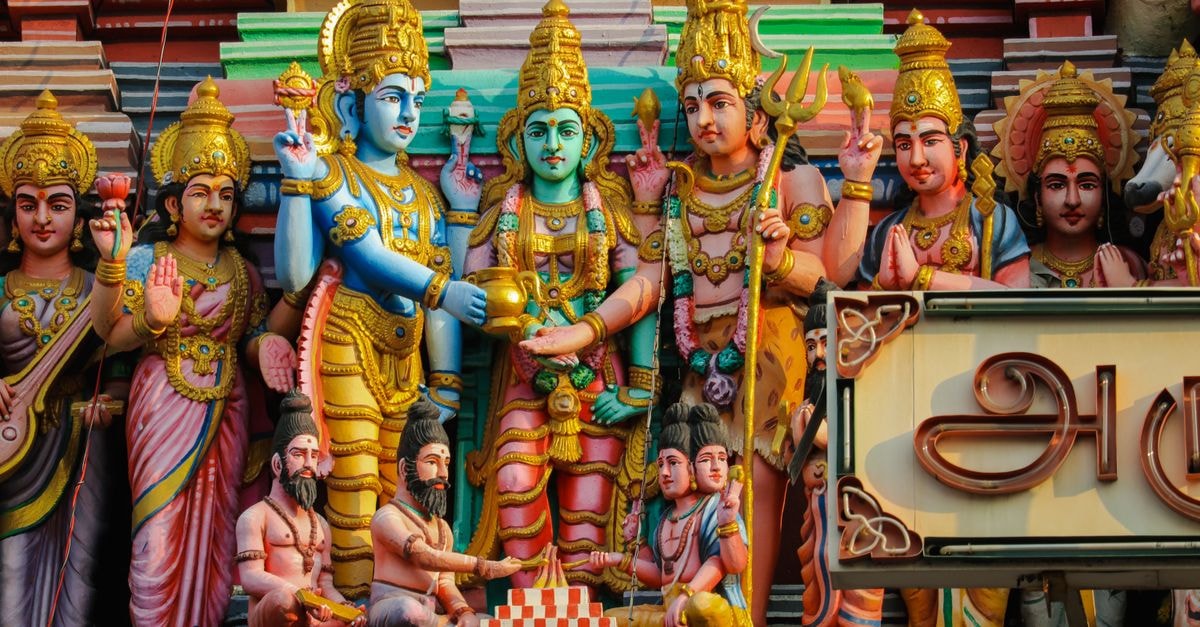
The heritage circuit around Ahilyanagar leans on temple architecture with deep local roots. The historic and religious site of the Shiv temple and Mallikarjun temple at Karjat includes a Shiv temple known as Naktich Deul, an old shrine that draws visitors interested in the region's older building styles. For travelers with an interest in pre-medieval temple forms, this stop offers a focused look at carved stonework and a quieter atmosphere than larger pilgrimage centers.
Planning a visit here is more about time than logistics. Because the approach is straightforward by road, a half-day is enough to see the site at a comfortable pace, with time to walk around the compound and sit in the cooler corners. Those who want a fuller sense of the area's heritage layers can consider combining the temple visit with a slow walk through older parts of the city, where smaller shrines and traditional lanes offer context.
Food and local context
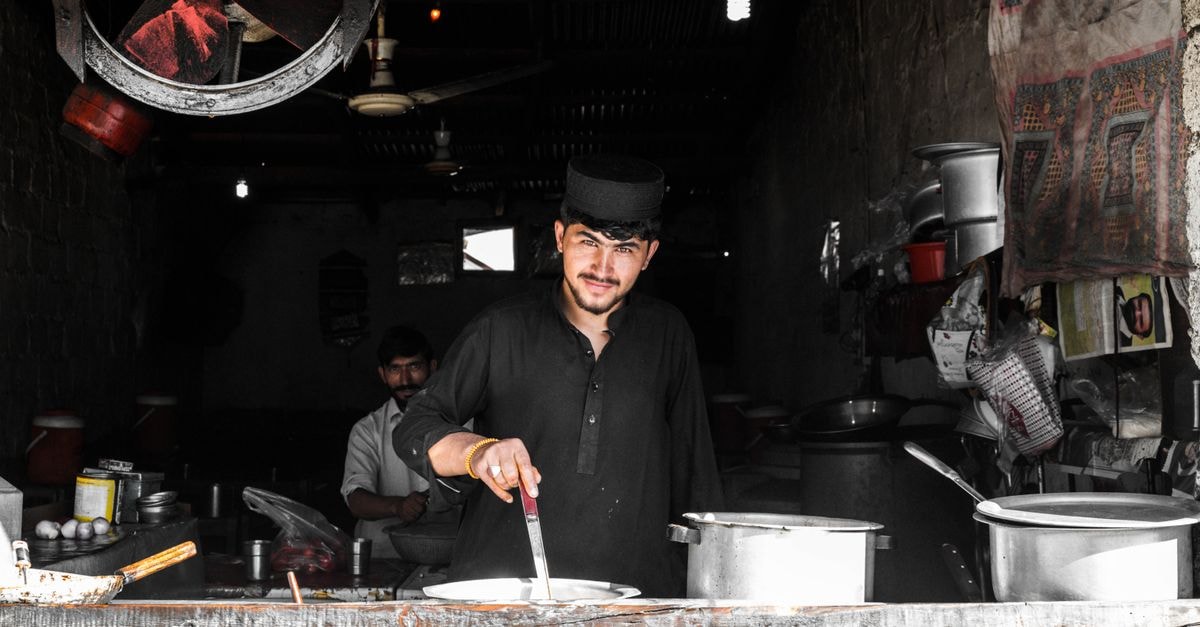
Food in Ahilyanagar sits within a wider Maharashtra setting where family-style meals, snack culture and festival cooking all play a role. Local traditions recorded around the city include preparations such as papad bhaji, and seasonal or festival dishes tied to occasions like Bhogi, Ganesh Chaturti, Narali Poornima and wedding food. Ashirvad Chiwda and Kailas Udpi street food are part of the everyday eating-out scene, alongside neighborhood staples that turn up at weddings and bhandaras.
For visitors, the practical picture is that meals here tend to be unhurried and grounded in local produce, and it is common to come across pickles, tiffin boxes and small prepared snacks that reflect the rhythm of home cooking. Travelers who enjoy digging into regional food culture may find it worth asking about seasonal specialties, since festival cycles shape what is prepared and served. Those with simpler tastes can rely on the everyday street food and thali-style meals that form the backbone of eating out in the area.
Choosing what fits the trip
Because the evidence here is light on ticketed attractions and packaged tours, the trip naturally suits travelers who prefer a slow, self-directed visit. A heritage-focused day centered on the Karjat temples pairs well with travelers who like shorter walking tours and quieter sites, while those building a longer Maharashtra circuit can use Ahilyanagar as a calm midpoint between Pune, Mumbai and Shirdi thanks to the train and bus links.
A note before you go
Conditions on the ground can shift between writing and travel, so it is worth confirming train timings, bus schedules and any local advisories through official transport channels before departure. Climate averages describe the long-term pattern only, and short-range weather can vary. Where a detail matters for a specific booking or visit, a quick local check is the simplest way to keep plans on track.
Prices, opening hours, schedules, reservation rules, and local conditions can change; verify them through official channels before departure.
Share this article
TOOLS FOR THIS PLAN
Make the Ahilyanagar plan measurable
Choose a tool only when it answers the next question in your trip. Your values stay in the browser, and each tool offers a route back to this planning context.