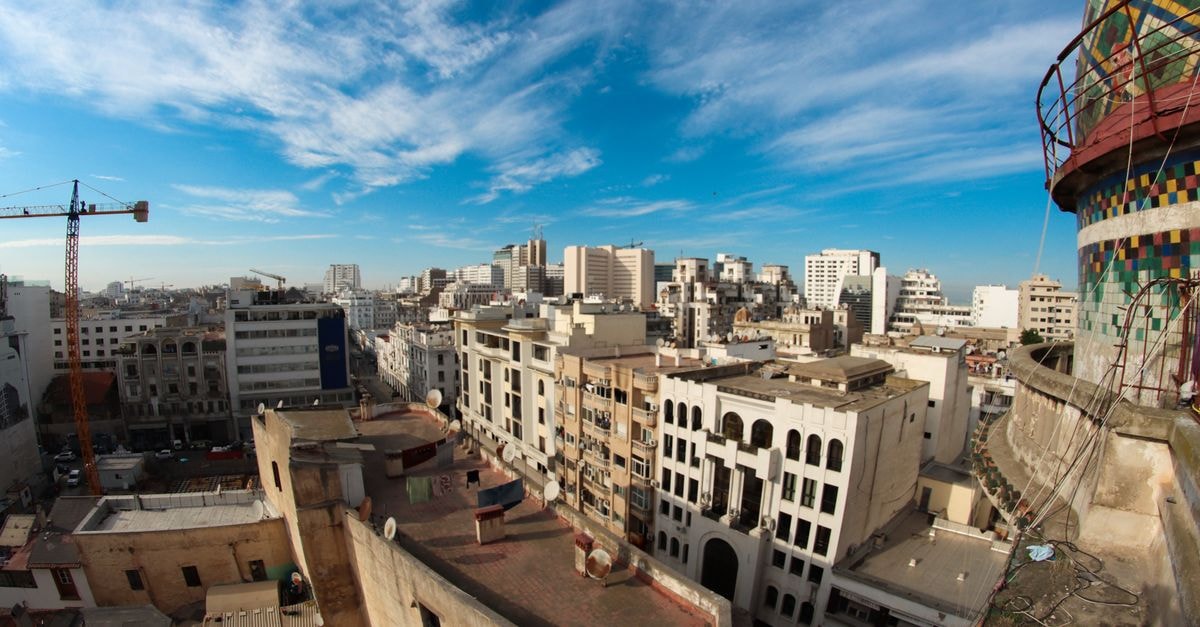
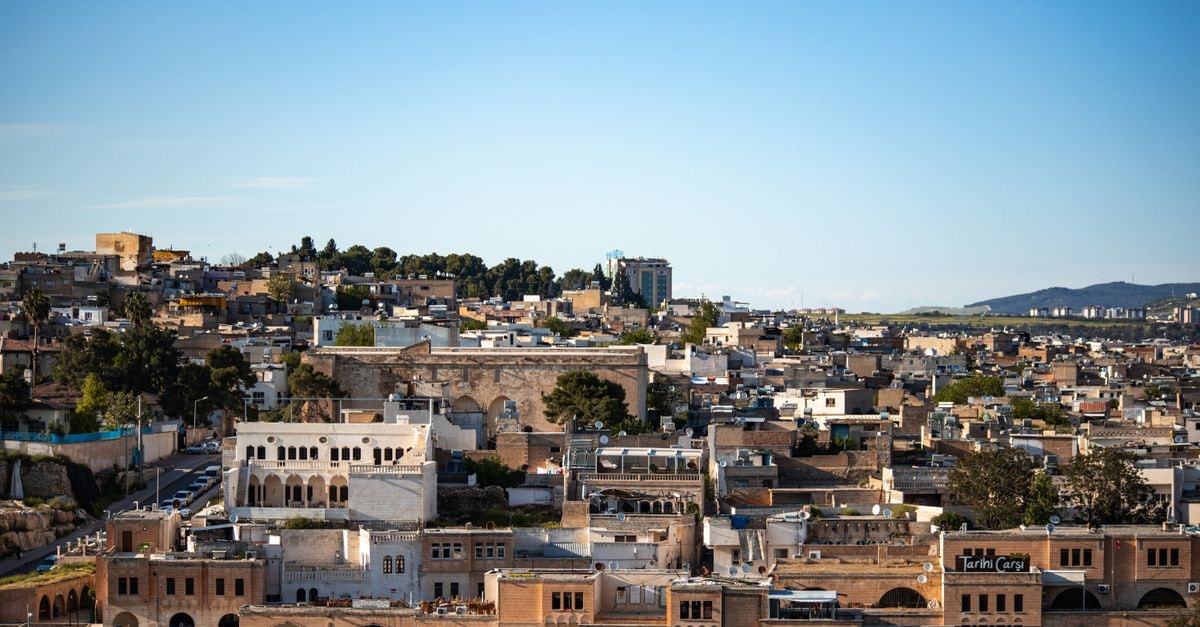
Travel guide: where history meets the everyday
The city has a Mediterranean continental highland climate, so conditions can feel quite different between valley and higher ground. Its historic character is most tangible around Miliana, where a hilltop kasbah dominates the town. A stroll along historic streets and a visit to local markets offer chances to watch daily life unfold.
Weather and seasonal context
Aïn Defla’s climate is described as Mediterranean continental highland, which helps explain the combination of warm, dry summers and mild, wet winters. The broad seasonal pattern is useful when planning outdoor activities, especially if you prefer slower sightseeing and scenic viewpoints rather than rushing between attractions.
Conditions vary noticeably with elevation. In the valley, summer temperatures are reported at 24–35°C, while the mountain area around Theniet El Had is cooler at 18–25°C. If you are visiting during hot weather, consider choosing a cooler rhythm and using the higher-ground setting as an alternative to the warmer valley. Winter is generally mild and wet, so travelers who enjoy strolling through town may want to keep rain in mind.
For orientation beyond weather, an interactive city map can help place Aïn Defla among other cities, landscapes and regions. It may be especially useful if you prefer gathering a visual sense of the area before setting out. A digital postcard feature is another light, creative way to preserve a chosen view of the city as a personal memory.
Getting around and finding your bearings
Aïn Defla lies about 150 km southwest of Algiers, giving useful geographic context for the journey into the city. The surrounding foothills of the Tell Atlas create a distinctly rural Algerian setting, with green valleys and olive groves contributing to the scenery.
Strolling along the town’s historic streets and visiting local markets are documented ways to explore the area and watch everyday life unfold. A practical approach is to allow time for these activities rather than assume a fixed route between them. If you prefer cultural sightseeing combined with everyday street scenes rather than a tightly scheduled checklist, this particular mix of strolling and market visits may suit your travel style.
Historic places around and Miliana
The strongest historical focus is Miliana and its surroundings, where fortified outposts and rural heritage reveal different layers of the area’s past. The Kasbah of Miliana is the signature sight: a hilltop fortress that dominates the town and brings together military history with panoramic views. It is a natural choice for travelers interested in architecture and the relationship between settlement and landscape.
Beyond the kasbah, the remnants of past civilizations invite reflection on life in the region centuries ago. This is less about a single monumental visit than about reading the landscape and surviving structures as connected pieces of local history. If you prefer a more place-focused trip, spending time around Miliana’s built heritage can provide more depth than moving quickly through a checklist of sites.
Strolling along the town’s historic streets is another part of the experience. Pausing near local markets and watching daily life unfold offers a way to connect the monumental and the everyday. The area supports a relaxed itinerary shaped by curiosity rather than a prescribed sequence.
Choosing what fits your trip
Aïn Defla works best for visitors who want a measured blend of scenery, heritage and everyday life. Those drawn to architecture and historical landscapes can begin with the Kasbah of Miliana and the fortified heritage in its surroundings. If your interest is more street-level, strolling along historic lanes and visiting local markets may provide an introduction without a demanding sightseeing schedule.
The city’s elevation-related temperature differences can also shape the trip. Travelers who prefer cooler conditions may appreciate the mountain context around Theniet El Had, while those drawn to valley scenery may prefer the olive groves and green valleys around Aïn Defla itself. These are complementary ways to read the landscape rather than a guaranteed itinerary.
Before setting out, check current travel conditions and confirm practical details through official or locally reliable channels. Climate patterns, transport arrangements and access conditions can change, so no guide should substitute for live information.
Prices, opening hours, schedules, reservation rules and local conditions can change; verify them through official channels before departure.
Share this article
TOOLS FOR THIS PLAN
Make the Ain Defla plan measurable
Choose a tool only when it answers the next question in your trip. Your values stay in the browser, and each tool offers a route back to this planning context.