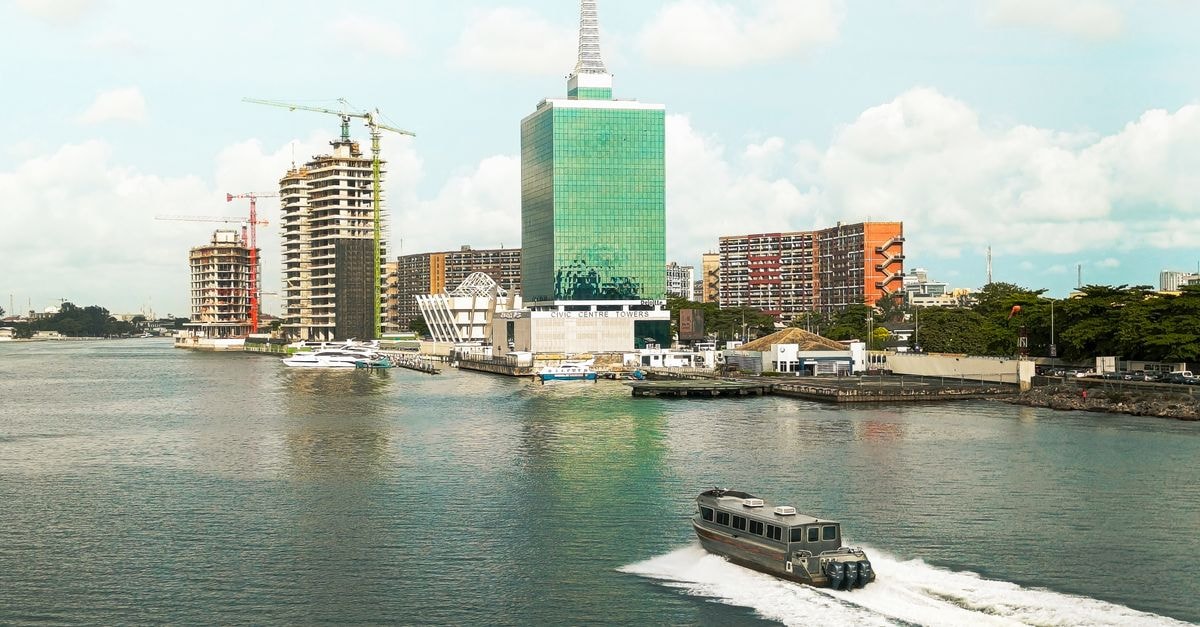
A first look at Ajegunle

Ajegunle sits on the Lagos mainland as a densely settled district with a long-standing reputation as a working-class neighborhood. The Wikipedia entry for the area simply identifies it as a district of Lagos State, Nigeria, recorded at coordinates around 6°26′N, 3°21′E. That bare description matters, because much of what circulates about Ajegunle elsewhere comes from music, journalism, and cultural writing rather than from visitor infrastructure. Travelers who arrive expecting a curated tourist quarter will find something quite different: a residential, commercial, and trading district where everyday life is the main activity, and where outside visitors tend to come with a specific purpose rather than a checklist of sights.
For most travelers, the honest way to approach Ajegunle is as a Lagos district to pass through, work in, or visit with local contacts, rather than a standalone destination with its own tourist trail. The remainder of this guide is built around what is actually documented rather than what the district is often associated with culturally.
Weather and seasonal context
The most concrete weather figure available for Ajegunle describes an average temperature of around 26°C (about 79°F), with daytime highs reaching roughly 29°C (85°F) and overnight lows dropping to about 23°C (74°F). That range sits within a tight, warm band typical of coastal southern Nigeria, and it points to a climate where the difference between day and night is modest and humidity tends to be a bigger presence than temperature swings.
The wider context that travelers should plan around is water rather than heat. Ajegunle's low-lying terrain and the way its neighborhoods have grown informally make the area susceptible to rapid inundation during the monsoon. In plain terms, heavy rain can quickly turn streets into channels, and movement around the district can slow or stall for hours at a stretch. Pacing the day around the rain pattern rather than against it, and building slack into any scheduled meeting, is a sensible approach for anyone spending time here. Travelers who dislike heat-driven, slow afternoons or who are uncomfortable navigating flooded streets may want to reconsider how long they plan to be out and about on foot.
Getting around
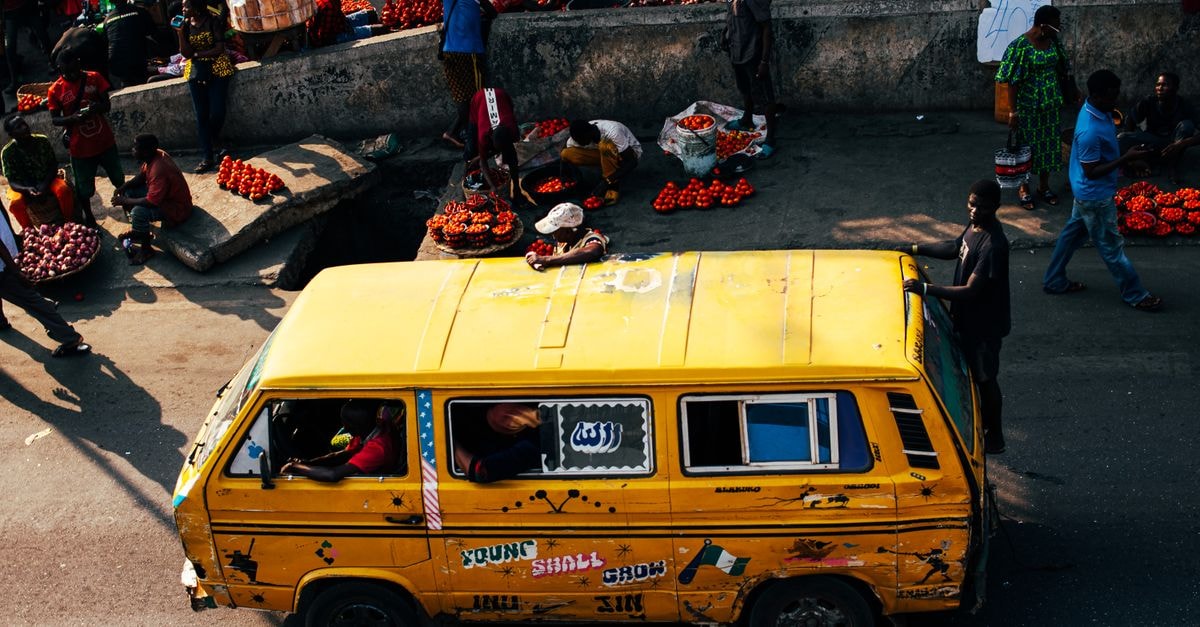
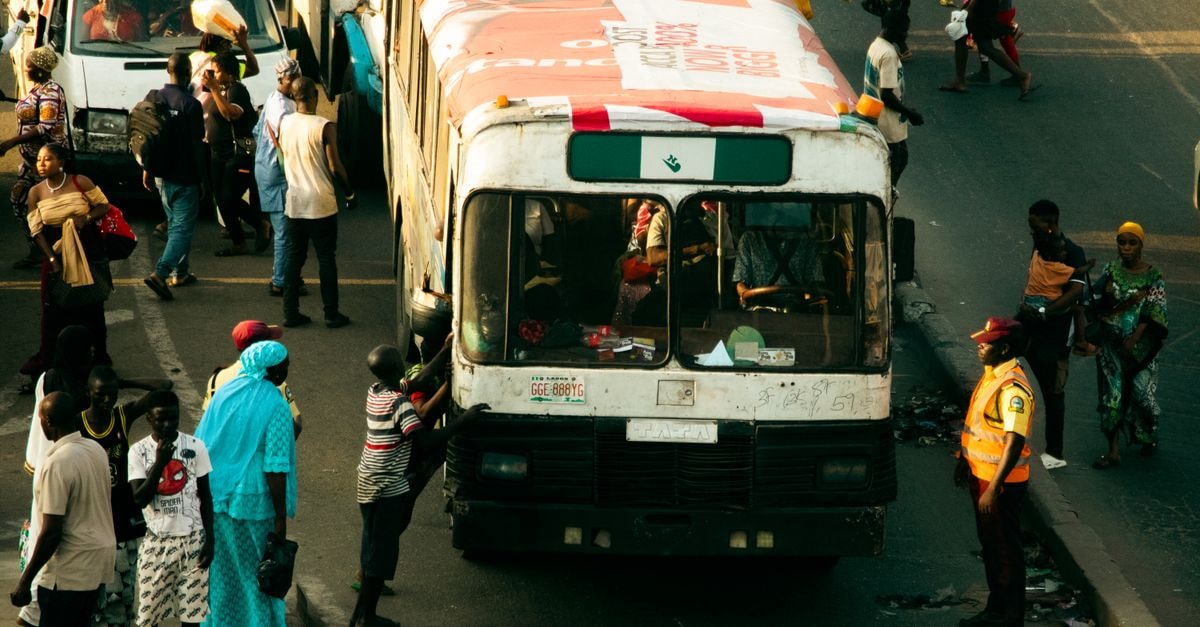
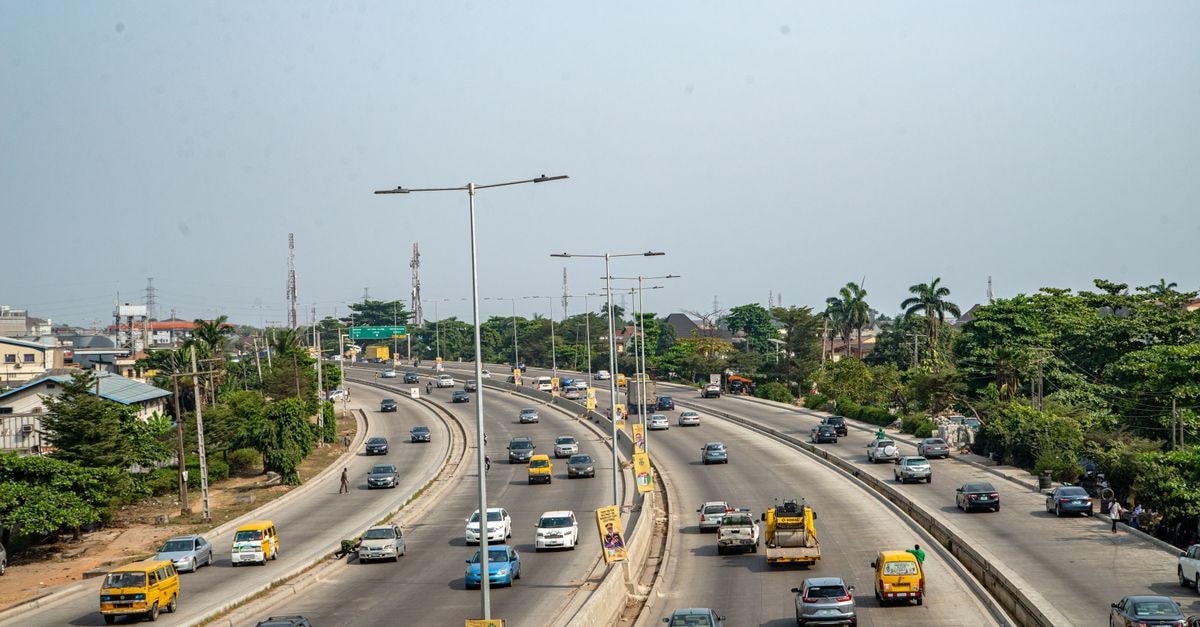
Movement in and out of Ajegunle is shaped by two consistent realities. The first is that informal public transport is the dominant way people get around the district. Shared minibuses, motorbike taxis, and other small-scale options form the everyday network, and these are what most residents use. The second is that alternative choices, including taxis and ride-sharing services, do exist for travel to and from Ajegunle, offering varying levels of comfort and safety compared with the informal options.
A practical point that catches some first-time visitors off guard is payment. All public transport in Ajegunle needs cash. That includes the informal minibuses and shared taxis that make up the bulk of the local network, and it generally extends to taxis operating within the district as well. Cards and mobile wallets are not a reliable substitute on board a minibus, and even some ride-sharing pick-ups may default to cash on arrival in this part of Lagos. Travelers who prefer card-only or app-based payments may want to reconsider relying on them here, and should arrive with small-denomination notes ready for fares, drop-offs, and any last-minute change of plan.
Attractions and planning
The most important thing to know about sightseeing in Ajegunle is what is officially documented as not being there. Major museums are listed as none within Ajegunle, and the same source records archaeological attractions and ruins as none within Ajegunle. There is no formal heritage trail, no listed monument circuit, and no curated museum row for a visitor to walk. Ajegunle is not set up as a sightseeing destination in the conventional sense, and arriving with a list of landmarks to tick off will not match the reality on the ground.
That absence does not make the district empty of interest, but it does change what "attractions" means here. The Wikipedia entry treats Ajegunle as a Lagos State district, and that framing is the one that holds up under scrutiny. Travelers who enjoy observing everyday urban life, trading districts, and densely built residential neighborhoods will find plenty to look at, while those expecting a structured set of visitor sites should plan their time elsewhere or frame Ajegunle as part of a wider Lagos stay rather than a self-contained sightseeing day. The same note applies to anyone hoping to combine a museum visit with a market wander: the formal institutions are not here, and the appeal, if any, lies in the streets themselves.
Food and local context
Dining infrastructure in Ajegunle is also thin on formal options. Fine dining establishments are listed as none located within Ajegunle, and mid-range restaurants are likewise not found within the district. Visitors who associate Lagos with polished restaurant scenes should adjust their expectations before arriving; the district is not set up to host travelers looking for a reservation-led dinner.
What does exist is more informal and more local. The Wikivoyage entry for Ajegunle notes that there are local markets scattered all around the district, and these markets are the everyday answer to the question of where to eat and what to buy. It also points to a place described as "a place from home offering Nigeria and continental cuisine," which is a useful signal of what visitors are likely to find on the ground: Nigerian staples alongside a broader, pan-African and continental selection, served in a setting that feels familiar to residents rather than designed for outside guests. Travelers who enjoy street food, market meals, and asking locals where to sit down will find this approach easy to slot into. Travelers who prefer air-conditioned dining rooms with printed menus and printed prices may want to reconsider how much of their trip they center on the district itself.
Choosing what fits the trip
The shape of a visit to Ajegunle depends almost entirely on why a traveler is there. Someone with work, family, or community ties in the district will find a familiar Lagos neighborhood with functioning informal transport, scattered markets, and food that draws on Nigerian and wider African cooking. A sightseeing-focused traveler, by contrast, will not find the museums, ruins, or formal attractions that the documented sources list as absent, and may want to anchor Ajegunle inside a broader Lagos itinerary rather than treating it as a standalone stop. Weather planning matters in a practical sense rather than a dramatic one, with the monsoon-driven flooding and a steady warm temperature range shaping how the day can be paced. Cash readiness is the single most useful pre-trip step, since all public transport in the district runs on cash and most everyday purchases follow the same rule.
A note before you go
Conditions on the ground in any Lagos district can change quickly, and Ajegunle is no exception. Flooding during heavy rain, transport availability, and the mix of informal and formal options can all shift without much warning. Before traveling, check current conditions through official Nigerian channels and trusted local contacts, and treat any fares, schedules, or accessibility details you come across elsewhere as a starting point rather than a guarantee.
Prices, opening hours, schedules, reservation rules, and local conditions can change; verify them through official channels before departure.
Share this article
TOOLS FOR THIS PLAN
Make the Ajegunle plan measurable
Choose a tool only when it answers the next question in your trip. Your values stay in the browser, and each tool offers a route back to this planning context.