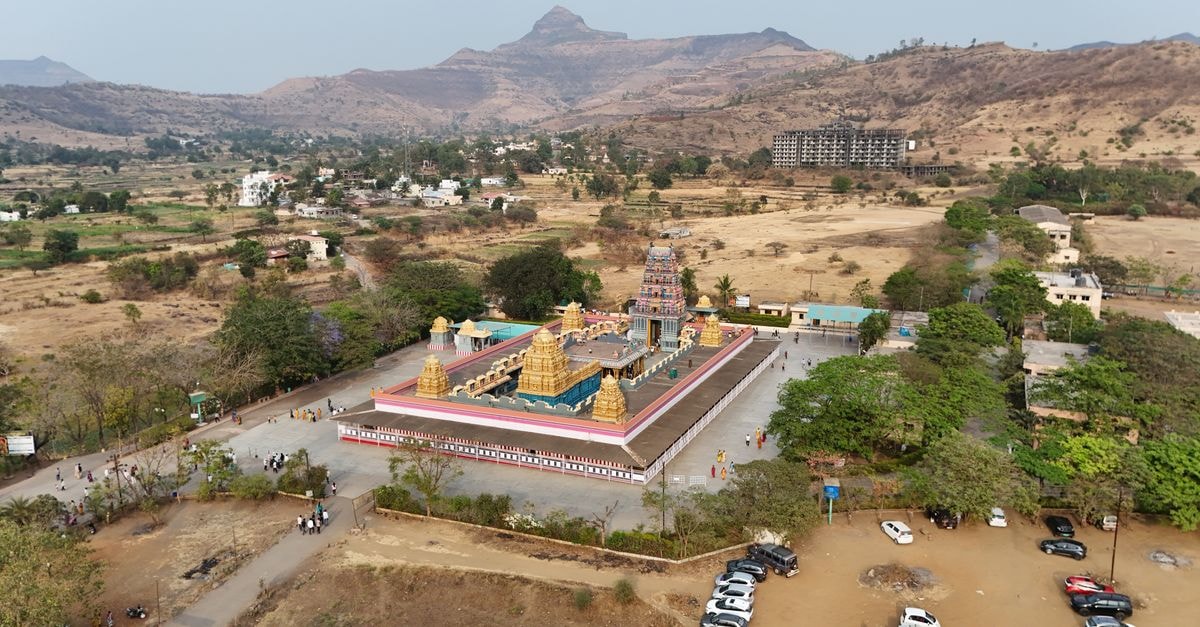
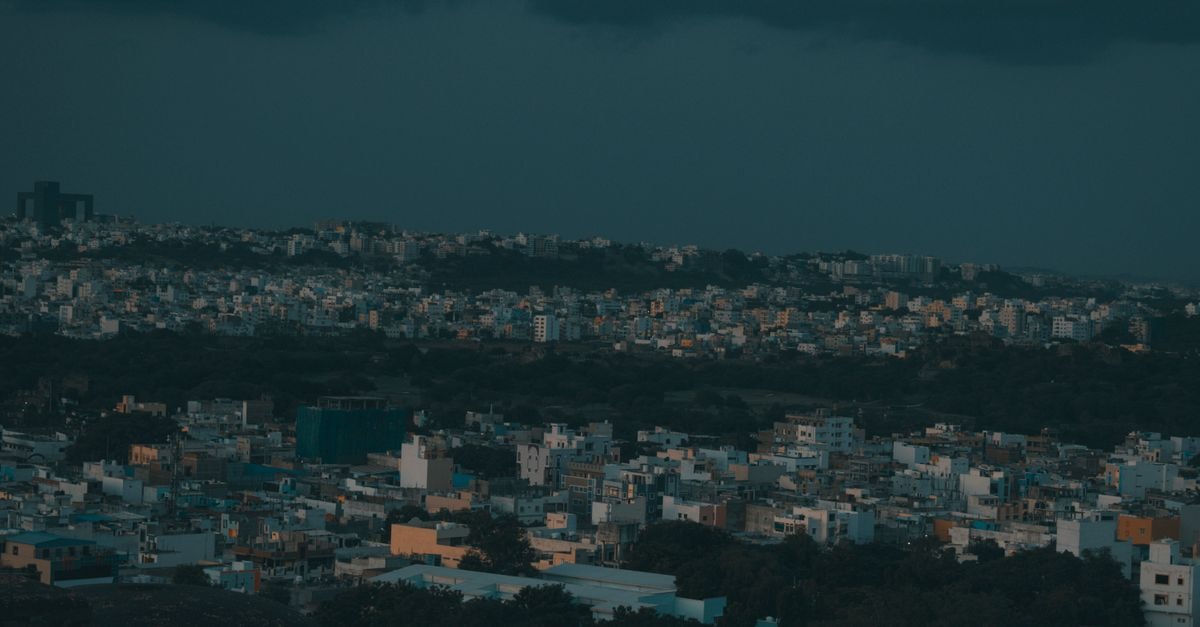
There's a particular pleasure in arriving at a Maharashtra city that tourism hasn't quite polished smooth yet. Akola, tucked into the state's Vidarbha region, rewards visitors who come with curiosity rather than a checklist. The pace feels unhurried, the lanes open out onto tree-shaded chowks, and the conversation quickly turns from "what should we do" to "what do we have time for." This guide is for the traveler who prefers layered heritage over headline attractions, and who likes to feel the texture of a place through its food, its forts, and the everyday rhythm of getting around.

Weather and seasonal context
Akola sits in a part of Maharashtra where the climate tends to run hot for much of the year, with a long, warm stretch that can feel intense in the middle of the day. Because detailed seasonal data isn't part of this guide's evidence base, the safer approach for visitors is to think of Akola as a city to be explored in the cooler morning and late-afternoon hours, with a slower midday pause built in. Light fabrics, a hat, and a refillable water bottle tend to be more useful than any rigid weather plan.
That said, the city has plenty of reasons to be outside. Akola Fort, also referred to as Asadgad Fort, is a Mughal-era structure that reflects the city's past strategic importance, and travelers with an interest in history often make it a focal point of the trip. Beyond the fort itself, the surrounding landscape includes forested views and a rewarding trek to a historic hill fort that once protected regional trade routes — the kind of outing where the climb is part of the experience rather than an obstacle. Travelers who prefer to limit stair climbing or rough ground can still appreciate Akola Fort and Balapur Fort, both recognized as the main historic fortifications in the area, without committing to longer hill treks. If a trek appeals, it may suit those who enjoy combining light hiking with heritage visits; if it doesn't, the two forts alone offer a satisfying day.
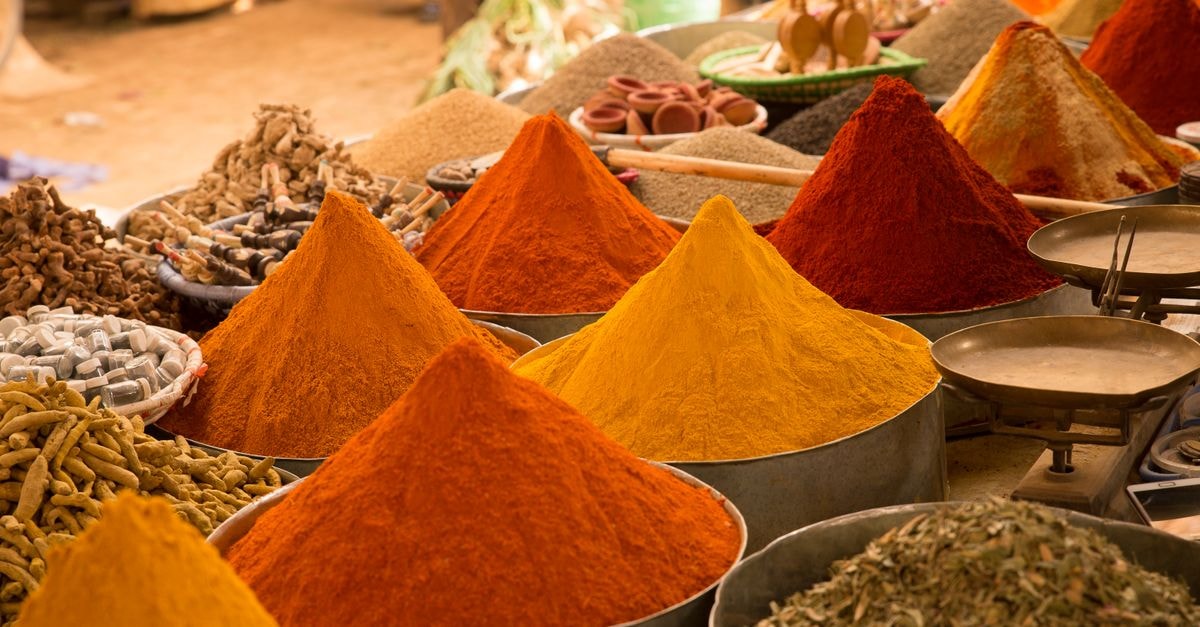
Food is where Akola's everyday warmth comes through most clearly. The food culture in the city is democratic: both small family diners called "bhojnalayas," serving unlimited vegetarian meals (thali), and bustling street stalls are popular. That balance between a sit-down thali and quick street bites gives visitors an easy way to graze through the day rather than commit to a single heavy meal. Alcohol is available in specialized bars and hotel restaurants, but it does not play a major role in everyday street food culture — useful context for travelers who want to understand where the city's food energy actually lives. This is a wider India pattern visitors will encounter in many cities, framed here as country-level context rather than a city-specific claim. Travelers who prefer leisurely, set-menu meals may feel most at home in the bhojnalayas, while those who like sampling as they walk will find the street stalls rewarding.
Getting around
Akola rewards travelers who keep their plans loose. The city has an active bus network within its limits, and buses are one of the easiest ways to travel longer distances — a practical option when you want to cover ground without negotiating fares every few kilometers. For shorter hops and a more flexible rhythm, auto-rickshaws and cabs fill in the gaps comfortably, and rideshare apps that work elsewhere in India generally function here as well, though coverage can vary by neighborhood.
It is also quite common for tourists to hire mini vans and buses for excursions and exploring the many well-known places to see in Akola. If you're planning to combine Akola Fort, Balapur Fort, and any of the surrounding viewpoints in a single day, a hired vehicle removes the friction of piecing together return bus trips and lets you linger where the light is best. Travelers who prefer independence and low costs may favor the city bus network and short rides between sights, while those with limited time or who want a relaxed pace may find a hired van a better fit for a single fort-focused day.
A few practical notes help the transport picture settle. The Akola Fort area is central enough that most rides from the main market won't take long, and the city is compact enough that walking between nearby chowks is realistic in cooler hours. If you intend to visit a religious site, dress modestly and check locally whether phones or cameras are restricted inside; Gurudwara Guru Nanak Darbar is described as a serene place of worship that attracts visitors seeking peace and spirituality, and similar etiquette applies across sacred sites in the city.
For longer-distance planning, Akola sits within reach of regional rail and road connections, and the city's bus station and railway station are the natural anchors for arrivals and departures. From there, local transport takes over.
Choosing what fits your trip
The trade-offs in Akola are gentle rather than sharp. If your interest runs to Mughal and regional history, prioritizing Akola Fort and Balapur Fort will give you the most concentrated experience. If you'd rather balance heritage with the rhythm of the city, alternate mornings at the forts with afternoons spent between bhojnalaya thalis and street-side snacks. Travelers who enjoy walking and unhurried exploring may find the bus-and-foot combination ideal, while those with a tight schedule or who want to combine multiple forts in one outing may prefer hiring a van. Food preferences matter too: those who love a long, seated meal will gravitate toward the thali houses, while grazers will do well around the stalls. None of these choices exclude the others; they simply shape which version of Akola you'll take home.
A few things worth checking before you go
Factual travel conditions in any Indian city can shift quickly, and Akola is no exception. Bus routes, fort access hours, and the operating status of smaller eateries are best confirmed locally on the day or through your accommodation. If a specific fort visit or a particular bhojnalaya matters to you, a quick check with your guesthouse or hotel front desk on arrival will save guesswork. Carry small-denomination cash for street stalls, and keep an umbrella or light rain layer handy during the monsoon months, when showers can arrive quickly even on otherwise bright days.
*Disclaimer: Travel conditions, opening hours, and local services can change. Always verify current details through official channels or your accommodation before departure.*
Share this article
TOOLS FOR THIS PLAN
Make the Akola plan measurable
Choose a tool only when it answers the next question in your trip. Your values stay in the browser, and each tool offers a route back to this planning context.