A Gentle Welcome to Akure

Akure, the capital of Ondo State in southwestern Nigeria, has a relaxed, lived-in feel that rewards travelers who like unhurried city days. The setting is green, the pace is human, and most visitors find themselves weaving between everyday neighborhoods rather than racing between big-ticket sights. This guide pulls together the practical facts a thoughtful visitor actually needs: how the climate shapes a day here, how to move around the city, and where to begin with attractions.
A note before we begin: the practical details below are evergreen. Specific conditions, prices, and schedules shift, so confirm anything load-bearing for your trip closer to departure through local contacts or your accommodation.
Weather and Seasonal Context
Akure sits in a tropical zone, and the climate shapes the rhythm of any visit. Average daily temperatures hover around 24°C, with daytime highs that can reach about 32°C and cooler nights that dip toward 20°C. That range means light, breathable clothing and a plan for warm afternoons, even if mornings feel gentle.
Rainfall is a real part of life here, and at times the sky opens up with the kind of downpour that reorganizes your afternoon. Long-term patterns show rainfall easing gradually across the latter part of the year, though showers can still arrive. If you prefer not to be caught out, consider building a flexible daily plan that leaves room for a heavy shower and a slower pace through the warmest hours. Travelers who dislike humidity or who want long unbroken outdoor days may want to time their visit during the drier stretch of the year, when conditions tend to feel more forgiving for hiking and extended time outside.
Pack with humidity and warmth in mind: quick-dry fabrics, a compact umbrella, and shoes that can handle wet pavement. Even on warm days, an air-conditioned space or a shaded veranda can feel like a small luxury after midday.
Getting Around
Akure is a mid-sized city, and moving through it is relatively straightforward once you understand the lay of the land. Akure Airport (AKR) serves the city, and taxis can be arranged there. As with many smaller airports, the most practical approach is to agree on the fare before setting off; discussing the price upon arrival is a sensible habit that keeps the start of your trip calm.
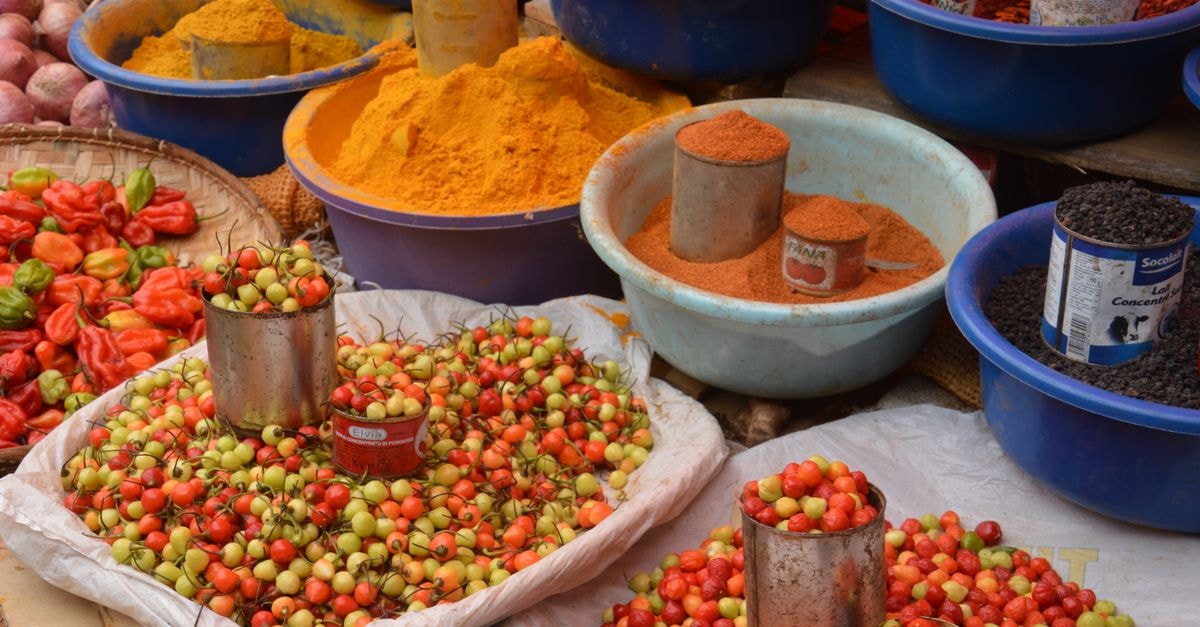
Inside the city, the busiest transport hubs are the market areas. Places like Akure Main Bazaar and Oja Oba are natural navigation anchors: if you are catching a ride, meeting a driver, or simply orienting yourself, these markets are where the city's movement concentrates. They are also useful reference points even if you are not shopping, because drivers and locals tend to give directions in relation to them.
If you prefer independence, consider arranging a car for at least part of your stay. The combination of a hired car for specific days, paired with taxis or rides from the markets for shorter trips, suits travelers who like to set their own pace without relying entirely on one mode. Visitors who dislike negotiating fares in busy hubs may want to lean more heavily on pre-arranged transfers or hotel-arranged drivers.
Attractions and Planning
Akure is not a checklist destination; it is a city you read slowly. One piece of context visitors sometimes enjoy knowing: a significant share of the acclaimed Nigerian historical film *October 1st* was shot around Akure and Ilara Mokin in Ondo State. Even if you are not a film devotee, it is a small, pleasant fact that frames the city as a place with cinematic landscapes and recognizable locations.
For outdoor plans, the long-term advice locals give is to favor the drier part of the year for hiking and exploring the surrounding natural attractions. Travelers who love being outside and dislike retreating from rain may want to consider this when planning their trip; visitors who are happy to mix a museum morning, a market wander, and a slow afternoon with short outdoor segments can still enjoy Akure in other seasons by leaning into indoor and sheltered experiences.
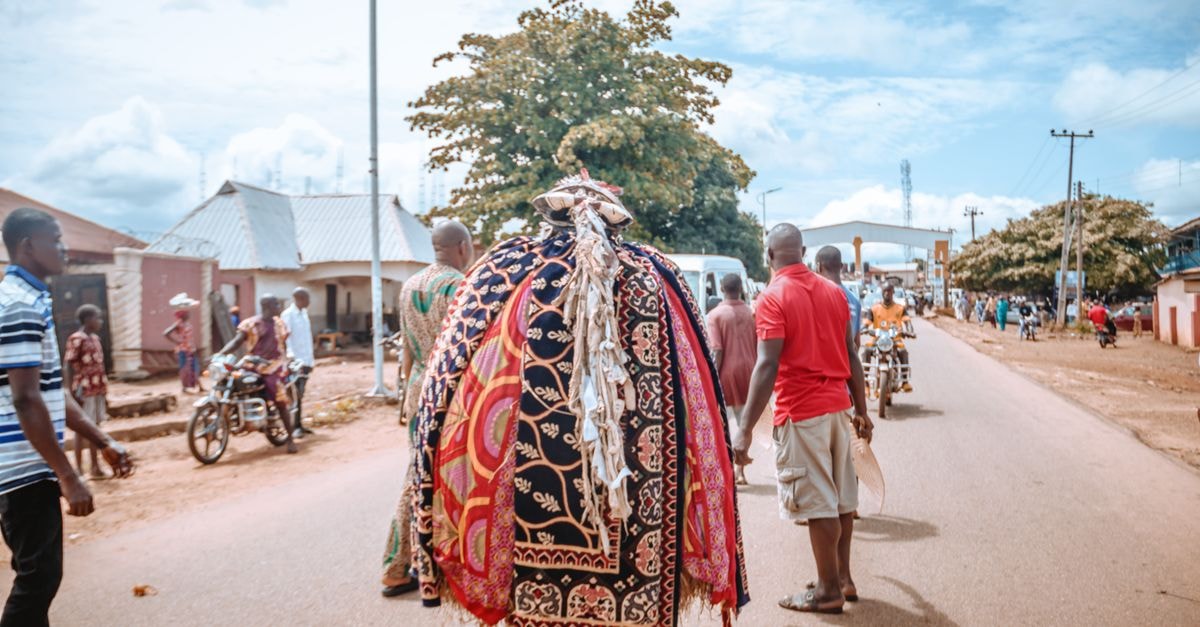
Beyond the headline draws, the city rewards unhurried exploration. Walking the neighborhoods around the bazaars, pausing in shaded spots, and accepting invitations to chat are how many visitors come away feeling they actually met Akure rather than just passed through it.
Choosing What Fits Your Trip
A few tradeoffs worth weighing before you go: if your priority is long outdoor days and you dislike retreating from heavy rain, you may find Akure more rewarding during its drier months, when hiking and nature exploration are easier to plan around. If your travel style leans toward cultural texture, markets, and conversation, those experiences remain alive across seasons, and the weather becomes more of a pacing detail than a deciding factor. Travelers who strongly dislike negotiating fares in busy hubs may want to lean on pre-arranged airport transfers and hotel-arranged drivers, while those who enjoy the energy of a working market will likely feel at home around Akure Main Bazaar and Oja Oba.
A Closing Note
Akure rewards travelers who arrive curious and unhurried. Pack for warmth and rain, plan your airport transfer in advance, use the markets as your compass, and let the city's everyday rhythms set the tempo. Before you travel, confirm current weather, transport options, and any local guidance through official channels or your accommodation, as conditions on the ground can change.
Is there a specific type of outdoor activity you are most hoping to do in Akure? Knowing that would help me point you toward the most relevant planning notes.
Share this article
TOOLS FOR THIS PLAN
Make the Akure plan measurable
Choose a tool only when it answers the next question in your trip. Your values stay in the browser, and each tool offers a route back to this planning context.