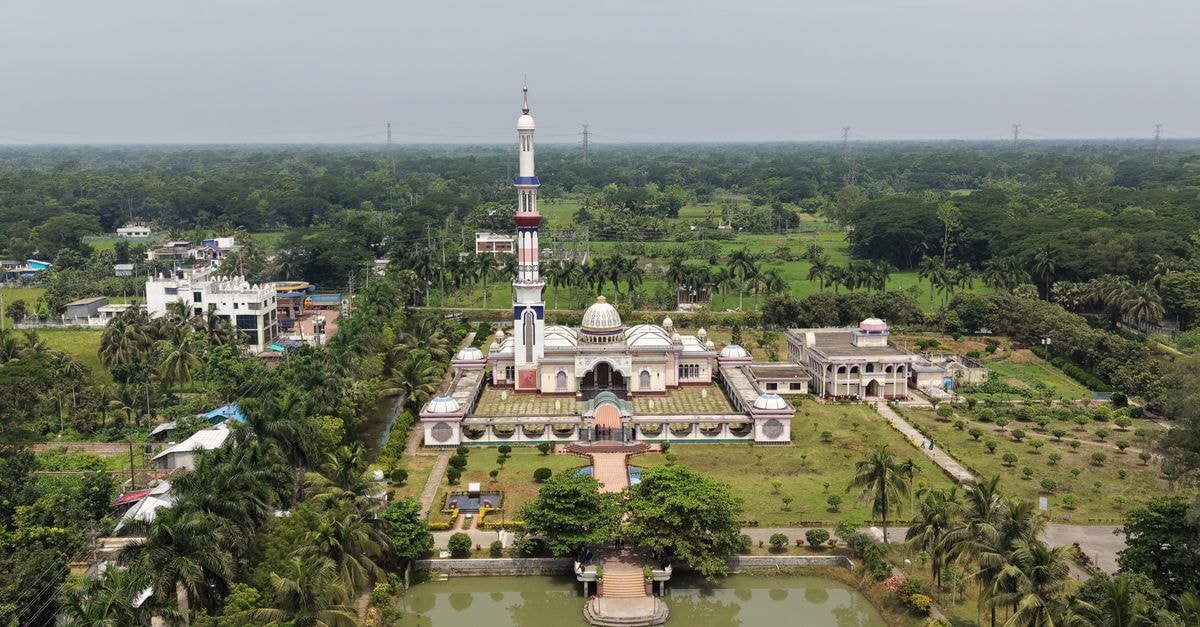
A first look at Al Ahmadi
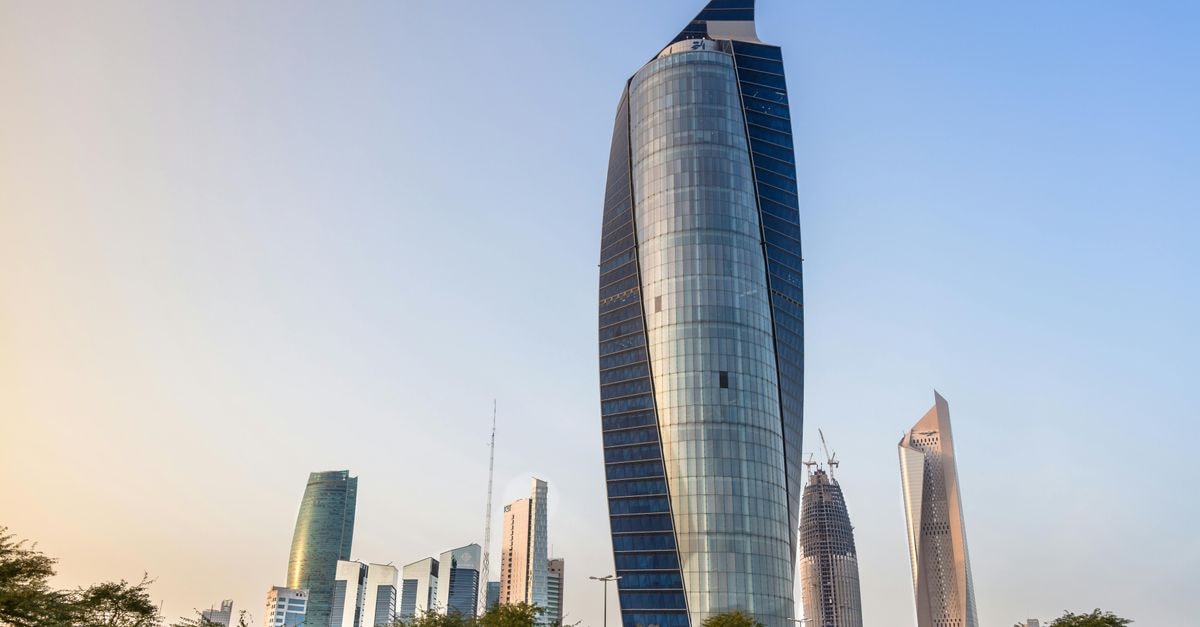
Al Ahmadi sits inside Kuwait as part of the country's oil story rather than its high-rise capital energy. The city carries a different rhythm from Kuwait City, and travelers who enjoy places where industry meets the desert tend to find it quietly absorbing. It is a destination where museums, working infrastructure and wide horizons coexist, and where the most rewarding visits often come from slowing down and paying attention to the contrasts.
For travelers who like context as much as sightseeing, this is a city that rewards reading the landscape. The oil heritage gives the place a clear identity, while the surrounding desert and coastline shape what a day actually feels like.
Weather and seasonal context
Al Ahmadi sits in a hot desert climate, and that single phrase does most of the work in setting expectations. Summers here are genuinely extreme, and the long-term climate pattern shows very hot summers that peak in July, paired with cool winters that reach their lowest temperatures in January. Travelers thinking about comfort rather than endurance should know that the comfortable window for outdoor exploring typically falls in late autumn through early spring, roughly November through March, when conditions are milder and drier.
Long-term temperature ranges across the year stretch from around 18°C (64°F) in January up to about 43°C (109°F) at the August peak, which gives a clear sense of the swing between seasons. Because the climate source is drawn from the wider Kuwait region, it is best read as a regional pattern rather than a precise daily forecast, and any plan built around it should leave room for the desert to do what deserts do.
A practical note for visitors: if you prefer gentler days and longer time outside, consider aligning a visit with the cooler stretch. If you arrive in the hotter months, pace the day differently, lean into shaded indoor stops, and save the brightest hours for rest.
Attractions and planning
Al Ahmadi is best approached as a small, focused city rather than a checklist destination. The top attractions in and around the city are tightly clustered around its identity as Kuwait's oil city, and most visitors will find their time best spent leaning into that theme rather than trying to stretch a wider itinerary.
The standout cultural stop for context is the Ahmad Al-Jaber Oil and Gas Exhibition, which depicts Kuwait's history of energy and gives visitors a window into how oil shaped both the country and this specific community. It is the kind of museum that adds a layer of meaning to the drive into the city, especially for travelers who want to understand why Al Ahmadi looks and feels the way it does.
Around the museum and the surrounding district, the city presents a quite different aspect of oil than anywhere else, and that difference is part of the appeal. Where other places frame oil as abstract economics, Al Ahmadi frames it as a lived environment of museums, working infrastructure and coastal edges. Visitors who arrive curious about energy history, industrial heritage or the human side of the Gulf's twentieth century tend to find the most to work with here.
For travelers who like a more contemplative pace, this is a city where a single well-chosen museum stop can anchor the day, with quieter time around it for reflection rather than rushing between sights.
Food and local context
Food in Al Ahmadi is shaped more by Kuwait-wide dining habits than by a single city-specific culinary scene. Fine dining is mainly found in premium hotels in Kuwait City, where international cuisine is the dominant offering, and visitors to Al Ahmadi who want that kind of formal evening will usually be looking at a short trip into the capital.
Within Al Ahmadi itself, the picture is more everyday. Travelers tend to eat where locals eat, and the experience is shaped by casual Kuwaiti and regional dining patterns rather than curated restaurant lists. For visitors who care about food as part of cultural context, this is a place to observe how a working Gulf city eats, not to chase a headline dining scene.
A practical approach for travelers is to treat meals as part of the daily rhythm. If you prefer a wider hotel-based international spread, consider an evening in Kuwait City. If you prefer local character, stay in Al Ahmadi and let the simpler cafés and family restaurants set the tone.
Choosing what fits the trip
Al Ahmadi rewards travelers who arrive with a clear center of gravity rather than a long list. If oil and energy history genuinely interests you, the museum stop can carry an entire day, with the rest of the time left open for the surrounding landscape and the coast. If you want a more polished dining and hotel experience, plan a night or two in Kuwait City and treat Al Ahmadi as a focused daytime visit. If you prefer cooler conditions and gentler pacing, the late autumn to early spring window is the more comfortable setting for walking the city. If you arrive in summer, lean into indoor stops, plan shorter outdoor windows and build rest into the middle of the day.
The tradeoffs here are not about skipping the city but about matching your expectations to what it actually offers. Al Ahmadi is a place of context and identity, and the visitors who enjoy it most are usually the ones who let that be enough.
A note before you go
Factual travel conditions can change, and official channels should be checked before departure for current opening hours, transport options and any local guidance. Climate patterns described here are long-term regional context and should be read as a guide to what the city typically feels like across the year, rather than a forecast for any specific day.
Share this article
TOOLS FOR THIS PLAN
Make the Al Ahmadi plan measurable
Choose a tool only when it answers the next question in your trip. Your values stay in the browser, and each tool offers a route back to this planning context.