A city that rewards slow looking

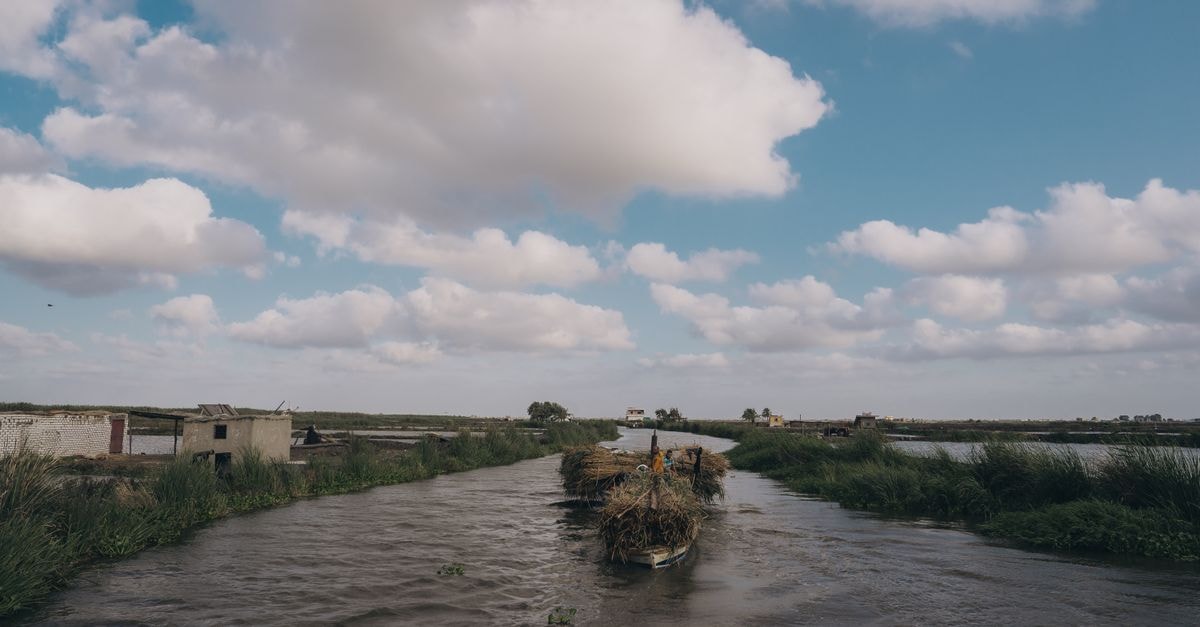
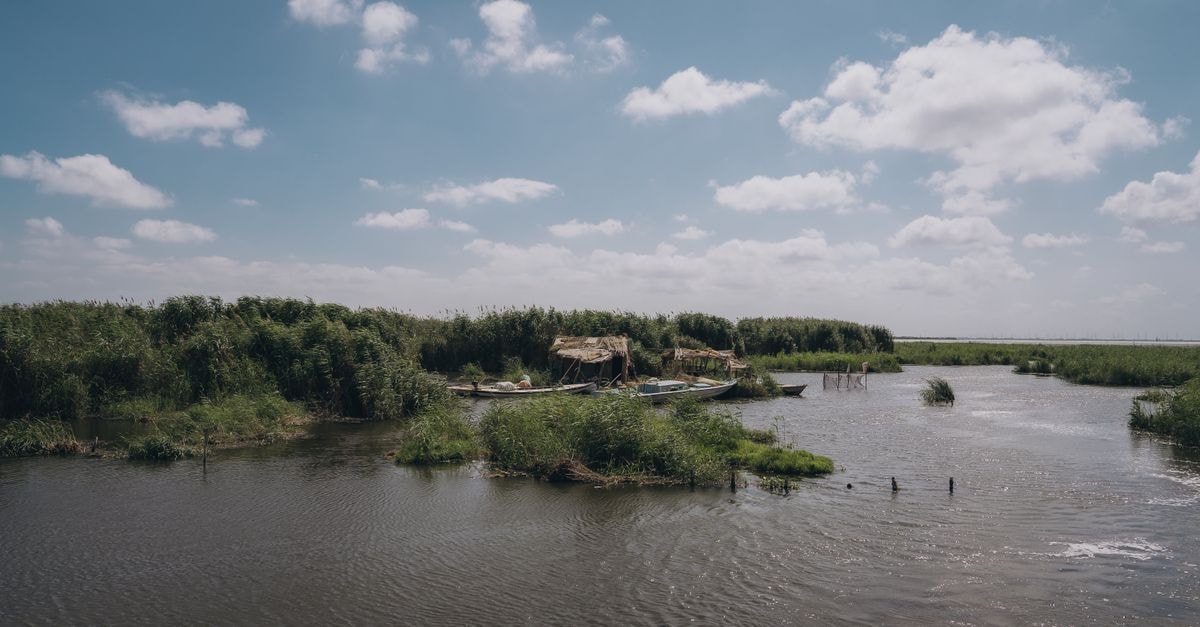
Al Mansurah, the capital of Ad Daqahlīyah Governorate, sits in the heart of Egypt's Nile Delta, a region shaped by water, agriculture, and centuries of layered history. It is not the loudest stop on an Egyptian itinerary, and that is part of its charm. Travelers who enjoy reading a city through its museums, mosques, markets, and meals tend to find Al Mansurah a quietly absorbing place. This guide gathers what is verifiably known from the approved sources, framed for visitors who want cultural depth, a sense of the urban fabric, and a clear picture of what the local food scene feels like.
The notes below are intentionally evergreen. They describe the city as it appears in the source material, without dated weather promises or shifting schedules. Where a practical detail would normally require confirmation closer to the trip, the closing section offers a simple verification prompt instead of guessing.
Heritage sites and planning your stops
For visitors drawn to history and architecture, Al Mansurah offers two anchors that the source material explicitly highlights.
**Al-Mansoura Museum** is presented in the approved attraction material as a destination aimed at history enthusiasts and tourists exploring the city. It is described as a place to engage with the area's past, and travelers with a curiosity for regional history may want to give it real time rather than treating it as a quick photo stop. Because the source characterizes it as suited to history lovers, visitors who prefer contemporary nightlife, shopping districts, or large-scale monuments may find their interest in this particular stop more limited, and could consider a shorter visit or pairing it with a walk through the surrounding neighborhood.
**Al-Mansoura Mosque**, by contrast, is framed in the same material as a site of spiritual significance and a touchstone of Islamic heritage in the area. Travelers seeking a reflective moment, an appreciation of religious architecture, or a connection to the long arc of the city's identity may find this stop especially meaningful. Visitors whose interests run more toward museums than places of worship may want to be mindful of appropriate dress and quiet behavior when entering, and may prefer to visit outside of prayer times for a calmer experience.
A practical way to approach these two sites is to read them together. The museum offers context for the events that shaped the region, while the mosque embodies the continuing cultural life that grew out of that history. Travelers who enjoy pairing indoor and outdoor stops often find this rhythm works well in delta cities, where midday heat can make a museum's shade especially welcome. If you prefer a slower pace, consider visiting one site in the morning and the other late in the afternoon, allowing time to sit in a nearby café or public square between them.
Markets, streets, and the feel of the city
A small note for travelers who prefer low-key wandering: because the source emphasizes streets that link markets to residential pockets, much of the city's character is best experienced on foot. Comfortable shoes and a flexible plan tend to serve visitors well, especially those who like to pause when something catches their eye rather than racing between fixed appointments.
Food and local context
Eating in Al Mansurah is best understood against the wider Egyptian table, then appreciated for the regional accent the Delta brings.
In broader Egyptian food culture, the country's everyday cuisine is built around familiar staples: breads, legumes, rice, vegetables, grilled meats, and a generous use of herbs and spices. Visitors traveling anywhere in Egypt, including Al Mansurah, encounter this shared baseline in everyday meals. Travelers who already enjoy Egyptian food elsewhere will recognize the foundation, while those new to the cuisine can expect generous portions, bright flavors, and an emphasis on fresh produce.
The approved food overview highlights that Al Mansurah's culinary identity is shaped by its location in the Nile Delta. The source notes that the food shares similarities with general Egyptian cuisine but features an abundance of fresh produce drawn from the fertile Delta lands. In practice, this often translates into dishes that lean on seasonal vegetables, herbs, and grains that thrive in the region's agricultural landscape. Travelers who enjoy market browsing may find the produce stalls themselves part of the food story, offering a visible link between the surrounding farmland and what arrives on the plate.
Because the approved material speaks to the city's culinary identity at a high level rather than naming specific restaurants, prices, or signature dishes, visitors planning their meals may want to balance the source-supported context with on-the-ground discovery. Ask locally for current recommendations, observe which spots are busy with residents at mealtimes, and use the market-to-table rhythm as part of the experience.
Choosing what fits your trip
A short synthesis may help if you are still deciding how to weight each theme.
- If your priority is **everyday urban atmosphere**, spend unhurried time walking between markets and residential streets, treating food and incidental encounters as the main event. - If your priority is **food culture**, use the broader Egyptian culinary baseline as your reference point and look for the Delta-fresh accent in vegetable-heavy dishes and market produce, confirming specifics on the ground.
These tradeoffs are not exclusive; many visitors combine them. The point is to set an emphasis that matches your energy and curiosity, rather than feeling obligated to cover everything evenly.
A note before you go
Prices, opening hours, schedules, reservation rules, and local conditions can change; verify them through official channels before departure.
Share this article
TOOLS FOR THIS PLAN
Make the Al Mansurah plan measurable
Choose a tool only when it answers the next question in your trip. Your values stay in the browser, and each tool offers a route back to this planning context.