A first impression of Albuquerque

Albuquerque has the kind of easy Southwestern welcome that makes a first-time visitor feel oriented within an hour of landing. The light is wide and golden, the streets run long and straight, and the city rewards slow wandering as much as it rewards a planned itinerary. There is a particular rhythm here: morning coffee with a view of the Sandias, a midday walk through a cultural neighborhood, and an unhurried evening centered on a table full of food that tells the story of the place.
This guide keeps things practical and grounded. It covers the basics of arriving and moving around, what to expect from the city's attractions, and how to approach Albuquerque's distinctive food scene with confidence. Nothing here is a personal diary; every concrete detail is drawn from published visitor information, and any reader-facing check (hours, menus, transit updates) should be confirmed closer to travel.
Getting around
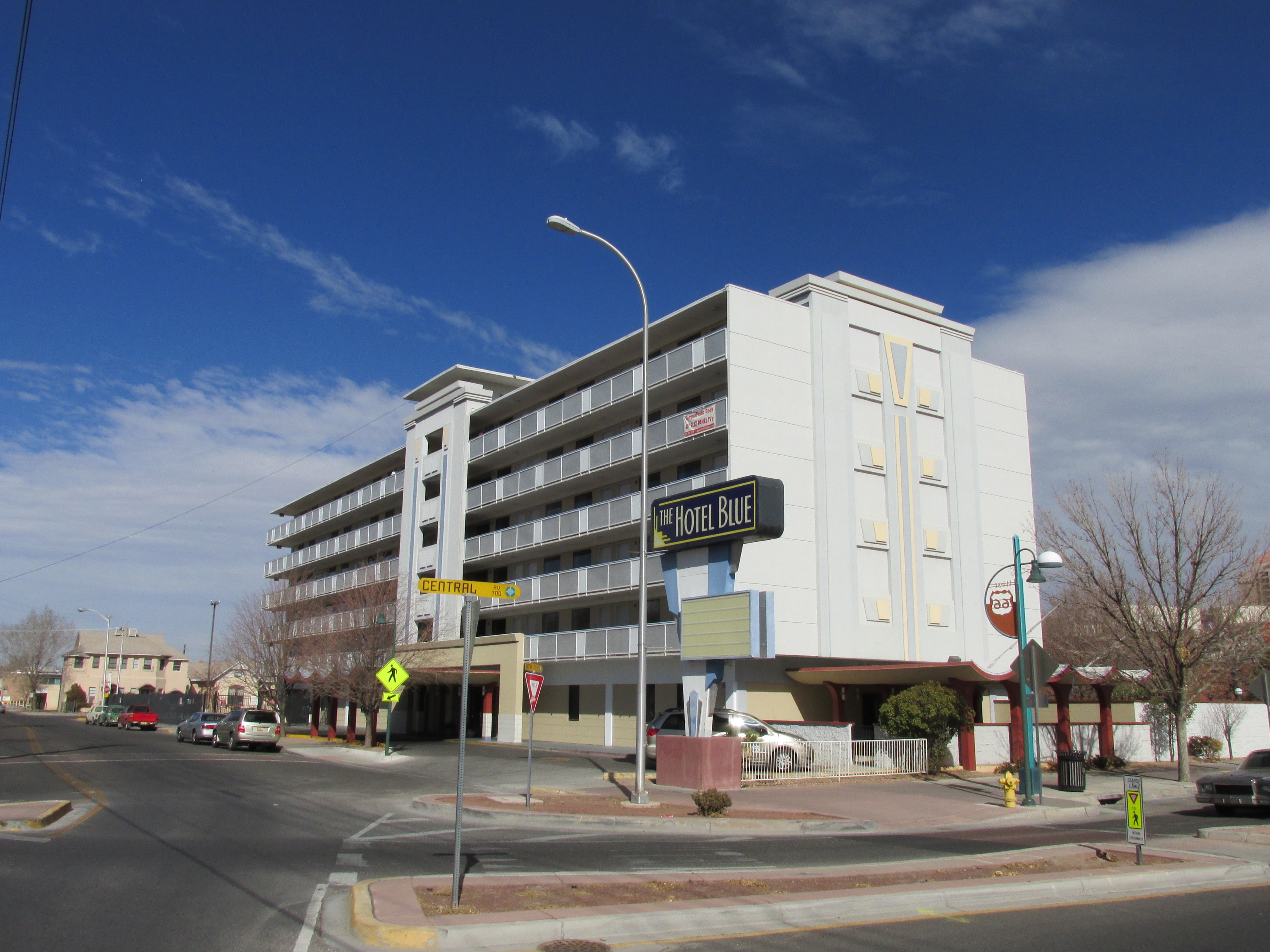
Once on the ground, the city has a quirk worth knowing about right away. Legendary Route 66 can still be traveled today; it is now Central Avenue, Albuquerque's "main street." That single piece of trivia reshapes how a visitor reads the map, because the long east–west corridor most visitors instinctively walk, drive, or ride along is the same ribbon of road that carried cross-country travelers decades ago. Lining up hotels, museums, restaurants, and nightlife along Central Avenue makes it easier to plan a stay that minimizes backtracking.
Attractions and planning
Albuquerque is packed with activities, cultural attractions, and distinctive sightseeing opportunities, and the city's official visitor materials treat it as a destination that rewards both checklist travelers and wanderers. Because the source guidance is broad rather than venue-specific, the practical move is to pick one or two anchor interests before arriving, then leave breathing room for spontaneous stops.
A few planning principles follow naturally from that framing. First, the attractions are spread along recognizable corridors rather than concentrated in a single walkable zone, so clustering visits by neighborhood tends to save time. Second, cultural institutions, outdoor spaces, and historic Route 66 landmarks all coexist within the city, which means a day can move comfortably from a museum morning to an open-air afternoon without a long transfer. Third, because the official visitor page groups everything under a single umbrella of "activities, cultural attractions, and distinctive sightseeing," it is worth treating the city's attractions site as a working list rather than a ranked top ten.
For visitors who like structure, sketching a loose plan by theme—cultural institutions one day, historic and Route 66 corridors another, scenic overlooks a third—mirrors how the city actually unfolds geographically. For visitors who prefer flexibility, anchoring a stay near Central Avenue gives easy access to most of what visitors come for, with the option to drift outward as curiosity calls.
Food and local context
Food is one of the most expressive parts of any Albuquerque trip, and it is where the city most clearly tells you where you are. New Mexico chile, specifically both red and green varieties, is the undisputed signature of Albuquerque's cuisine. These chiles are not a garnish or an optional heat source; they are woven into the way the city cooks, and they shape the everyday restaurant order as much as any menu does. They represent the heart and soul of Albuquerque's culinary landscape, setting it apart from other regional cuisines in the country.
The wider story behind the plates is equally worth knowing. Albuquerque cuisines reflect the rich heritage and diverse cultural influences of New Mexico, making it a true culinary gem in the Southwest. That heritage shows up not only in restaurant kitchens but in the broader food ecosystem around the city. Visitors who want a deeper read on how those flavors came together can engage with the food scene in a few different ways at once.
A practical starting point is to treat local farms, food tours, and cultural festivals as legitimate ways to gain insight into Albuquerque's rich culinary heritage. That single sentence from the city's own culinary page is a useful itinerary prompt: even a visitor with only a few days can usually fit in one of those three experiences, whether that means a morning at a market, a guided tasting walk, or a check of the local festival calendar for the visit window. Each offers a different angle on the same story.
When sitting down to eat, the cultural cue is straightforward. Ask whether a dish comes with red or green chile, embrace the "Christmas" option if you want both, and expect the heat to be part of the flavor rather than an afterthought. Outside of New Mexico, the same dishes prepared without the local chile tradition are simply not the same dish, which is part of what makes eating here feel like travel rather than routine dining.
A few grounded notes before you go
A practical Albuquerque trip is one where the planning is loose enough to follow a tip or a local recommendation mid-stay. Keep the airport code (ABQ) handy for booking and ground transport, use Central Avenue as your mental map spine, and lean into the food scene as a primary attraction rather than a side activity. The city rewards visitors who treat it as a destination in its own right rather than a waypoint to somewhere else.
Travel conditions can change, so confirm flight schedules, transit options, attraction hours, and any food-tour or festival details through official channels close to your travel date. Treat this guide as a starting framework, not a fixed itinerary.
*Factual travel conditions can change. Always verify current details through official airline, transit, and attraction channels before departure.*
Share this article
TOOLS FOR THIS PLAN
Make the Albuquerque plan measurable
Choose a tool only when it answers the next question in your trip. Your values stay in the browser, and each tool offers a route back to this planning context.