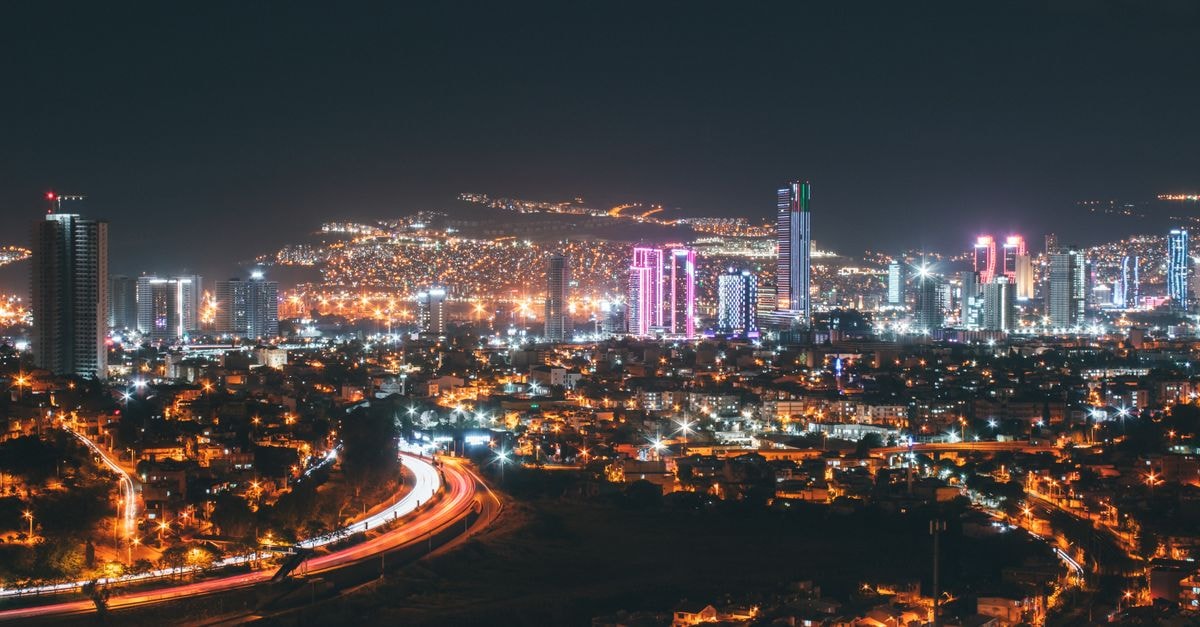
A first look at Ambato

Set in the Tungurahua Province, Ambato is one of the central Andes' quietly industrious cities, where commerce runs at a steady hum and the surrounding highlands feel close enough to touch. Travelers tend to arrive expecting a quiet stop along the route to the mountains or the coast, and leave surprised by how quickly the city absorbs them into its daily rhythm. A useful thing to keep in mind from the first morning is that Ambato is built around money in a literal, practical sense: it functions as a regional banking hub, and the practical effect for visitors is that finding a working ATM in the center is rarely a chore.
Beyond the practicalities, a visitor to Ambato is also stepping into the wider cultural conversation that runs through Ecuador. The country layers indigenous, coastal, and highland influences in everyday ways, and in a central-Andean city like Ambato, those layers tend to surface in the sounds, the language, and the pace of the street rather than in a single landmark. That mix of the everyday and the regional is the most useful frame for thinking about what to expect, and it shapes both the practical tips below and the broader notes on food and culture.
Weather and seasonal context
There is no detailed monthly weather record included in the source material for this guide, so the safest way to write about Ambato's climate is in broad, non-specific terms that any traveler can apply. What the approved evidence does speak to is how the city's commercial layout intersects with its weather patterns in practical ways.
Because Ambato sits in the central Andes, the highland climate tends to produce cooler mornings and evenings, with a window of warmer light around midday. Travelers who prefer a slower start may want to ease into the day, especially if they plan to spend time outdoors, since the morning air can feel brisk. Layers are a simple way to stay comfortable as the temperature shifts between shaded streets and sunlit plazas over the course of a single outing.
The more concrete, evidence-based guidance in this section comes from how the city handles payments, which is itself a kind of seasonal reality, since it changes with each visit. Ambato functions as a regional banking hub, with ATMs located on nearly every block in the center. That density of cash access is the kind of detail that can quietly shape a trip: knowing you can pick up local currency within a short walk of almost anywhere in the center reduces the friction of stepping into a market or a smaller shop on a whim.
The second practical reality is that not every transaction flows through that banking network. While restaurants and malls in the city accept cards, the city's vast markets operate strictly on cash. For travelers who prefer to settle most of their spending on a card, this is the one place where that habit meets a hard limit. Bringing enough local notes to cover market browsing is the simplest workaround, and it pairs well with the ATM density already described: a quick stop at one of the many downtown machines before heading into a market is a routine that fits the city's layout rather than working against it.
If you prefer to keep your wallet light and rely on cards for most of the day, the cash-only rule of the markets is worth planning around rather than discovering at the stall. Travelers who like to wander slowly through busy marketplaces and pick up small items as they go may want to set aside a small cash float specifically for that purpose, while keeping the rest of the day's spending on a card where it is welcome.
Food and local context
A guide to Ambato that talked only about banking and markets would miss a layer that travelers tend to notice quickly, which is how strongly Ecuador's food culture is tied to memory, region, and everyday ritual. The approved evidence frames Ecuador's cuisine as a form of edible memory, a way for the country to tell its own story through what is grown, cooked, and shared at the table. For visitors to Ambato, that framing is useful because it explains why even a simple meal can feel rooted in something larger than appetite.
The wider cultural picture helps here too. Ecuador is a country where small details carry a great deal of meaning: the sound of a Kichwa lullaby sung over a Spanish waltz, the sight of Andean ponchos sharing space with coastal marimba drums, even the different words people use for the same cup of coffee depending on where they are. None of these details is unique to Ambato, and they should not be presented as if they were, but they are the kind of context a visitor is likely to notice at some point during a stay in a central-Andean hub like this one, since it sits at a crossroads of regional influences.
Travelers who are curious about everyday food culture rather than fine dining may find Ambato's market halls especially rewarding, precisely because they operate outside the card network and reward cash, patience, and conversation. The wider Ecuadorian approach to food, in which cuisine is treated as a kind of cultural storytelling, tends to come through most clearly in those everyday settings, where a vendor's routine and a shopper's question can turn a transaction into a small exchange of regional knowledge.
Choosing what fits the trip
Two practical realities tend to shape most visits to Ambato, and it is worth thinking about them together before the first day begins. The first is that the city is unusually well supplied with ATMs in the center, so anyone who plans to lean on cash rather than cards will not have to plan routes around finding a machine. The second is that the markets, which are often the most appealing part of a stay for travelers interested in everyday Ecuadorian life, do not accept cards, so that same cash lean is the only way to participate in them fully.
Travelers who prefer a card-first day with the occasional market browse may want to set a small cash budget specifically for market time, leaving the rest of the day on a card where it is welcome. Travelers who prefer to slow down, browse widely, and let the day be shaped by what they find may find that withdrawing a comfortable amount at the start of the day makes the markets easier to enjoy, since there is no waiting for a machine between stalls. Both approaches work with the city's layout; the difference is simply how the ATM density and the cash-only rule are balanced against the rest of the day's plans.
A note before you go
The practical details in this guide come from approved source material and are written to remain useful across visits, rather than tied to a single month or season. Banking layouts, payment habits, and cultural context can shift over time, so it is worth confirming current conditions through official channels before departure. If a specific market, restaurant, or service matters to the trip, a quick check closer to the date of travel is the most reliable way to make sure the details in this guide still match what you will find on the ground.
Share this article
TOOLS FOR THIS PLAN
Make the Ambato plan measurable
Choose a tool only when it answers the next question in your trip. Your values stay in the browser, and each tool offers a route back to this planning context.