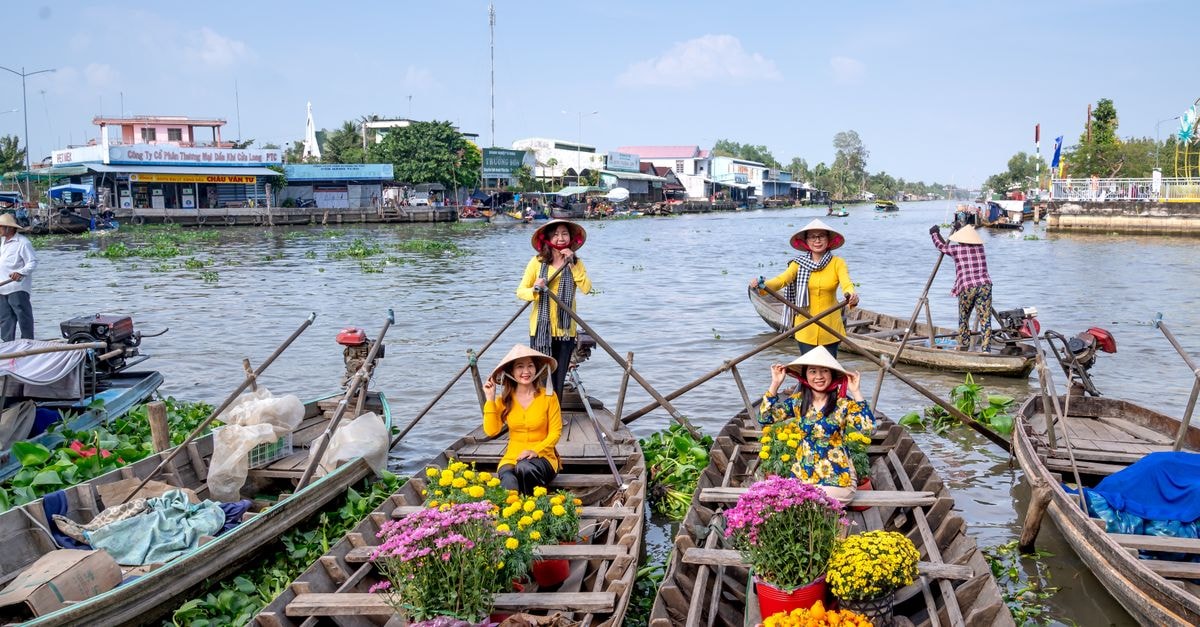
A quiet corner of the Central Highlands

The practical reality for visitors is straightforward: this is a town where independent travel is very possible, but where a little planning makes everything feel smoother. The two themes below cover what the evidence actually supports — how to get around, and how the wider Vietnamese food culture shapes what you eat on the road.
Getting around An Nhon
Moving through An Nhon is best thought of as a layered system rather than a single mode. Within the town and to nearby heritage sites, a rented scooter or a xe ôm (motorbike taxi) handles most short trips flexibly. For longer journeys, intercity coaches are the workhorse option, and Pleiku's airport opens up the wider region for travelers flying in or out. The key thing is to plan transfers in advance and to leave yourself a buffer, because road conditions can change and connections do not always line up tightly.
If you are deciding between a scooter and xe ôm for local travel, a few considerations may help. Riders who are confident on Vietnamese traffic and comfortable with basic bike mechanics may prefer renting for the freedom it gives over a couple of days. Riders who would rather not navigate unfamiliar roads themselves, or who are arriving without much local experience, may find xe ôm more practical for short hops, with intercity coaches reserved for longer distances. Either way, the same caveats apply to everyone on two wheels.
Roads outside the main towns can be rough when wet, so a few small preparations go a long way. Carry a helmet, bring basic tools, and check the bike before you set out — tire condition, brakes, and lights are worth a quick look. These checks are not a guarantee against trouble, but they reduce the chance that a minor issue becomes a lost afternoon.
Food and the wider Vietnamese context
Eating in An Nhon is part of eating in Vietnam, and a few words of wider context make local menus easier to read. Across the country, food is treated as a living expression of identity, from royal banquet traditions in Hue to street stalls in Hanoi. Approved country-level coverage describes Vietnamese food culture as something visitors experience through flavor — how a single dish can carry regional history, family habit, and everyday hospitality at the same time. That sense of flavor as language is a useful frame for approaching meals here, whether you are eating at a simple com ga spot or sharing a hotpot with traveling companions.
The same openness that makes Vietnamese food culture rewarding is also what makes it worth a little patience on the road. Regional specialties vary, and the version of a familiar dish in Binh Dinh may not match what you tried elsewhere. Approaching each meal as its own small event, rather than a checklist item, tends to produce the best results.
Heritage framing for slow exploration
For travelers who enjoy slow exploration of historical streets, An Nhon's open-air heritage framing may suit them well. The town is described as an open-air museum for visitors who appreciate historical heritage, which means the experience rewards walking, looking, and lingering rather than tight scheduling. Riders comfortable on Vietnamese roads will get the most out of a scooter for moving between scattered heritage corners, while visitors who would rather not drive themselves can lean on xe ôm and intercity coaches, with a little more advance planning around transfers.
Prices, opening hours, schedules, reservation rules, and local conditions can change; verify them through official channels before departure.
Share this article
TOOLS FOR THIS PLAN
Make the An Nhon plan measurable
Choose a tool only when it answers the next question in your trip. Your values stay in the browser, and each tool offers a route back to this planning context.