A quieter corner of South Korea

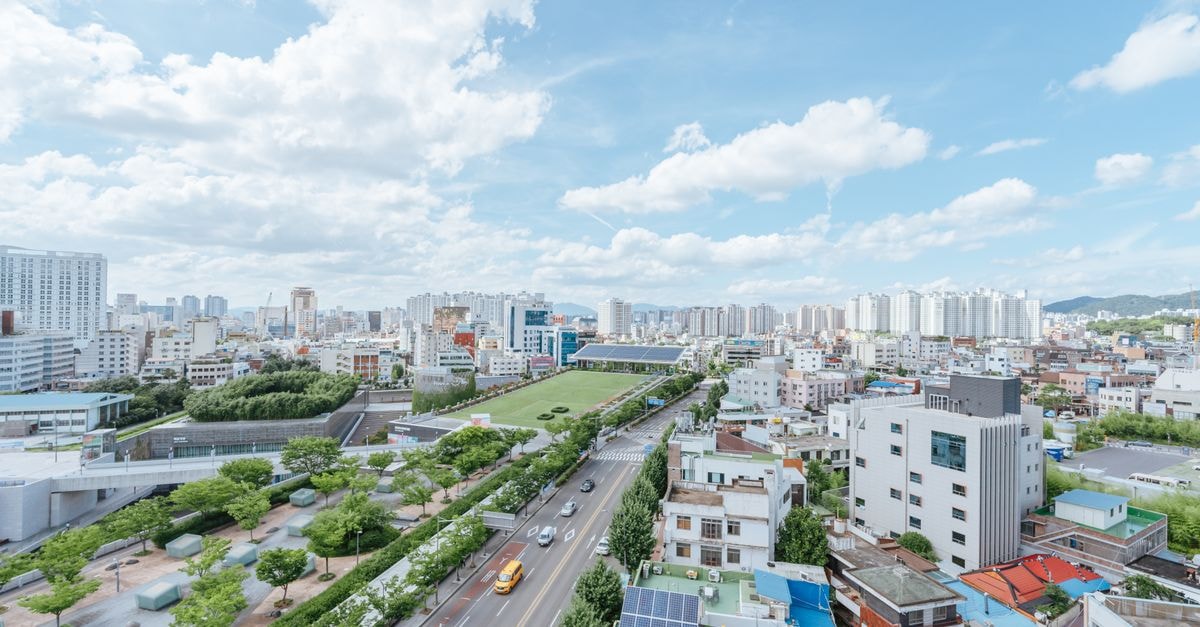
Andong sits in the heart of North Gyeongsang Province, where small valleys, river views, and a slower rhythm of daily life make it feel like a step away from the bustle of Seoul or Busan. It has the kind of atmosphere that rewards unhurried travelers: museum-lined streets, the kind of folkloric texture that gives a place its identity, and the everyday rhythm of a Korean city that has not been polished into a theme park. For visitors who want a measured, culturally rich stop rather than a packed checklist, Andong offers a refreshing change of pace.
This guide focuses on the practical realities that shape a stay: what the climate can feel like at different points in the year, how people move around the city, and what to expect from the local food scene.
Weather and seasonal context
The wider climate picture is the more useful framing for an evergreen visit. Spring and autumn usually bring milder temperatures and clearer skies, which is often when travelers feel most comfortable exploring on foot. Winter can feel genuinely cold in this inland region, while summer carries the warmth and moisture typical of the Korean peninsula. Because conditions vary so much through the year, pacing the day around the weather — heavier sightseeing blocks indoors during the hottest or rainiest hours, and longer walks in the cooler parts of the day — is a sensible habit in any season.
For a fuller read on temperature ranges and rainfall patterns, the dedicated climate page for Andong is a useful reference point before packing.
Getting around
Local travel is typically handled by bus and taxi, the same pair of options that carry residents through their daily routines. Buses cover the main corridors and connect the central areas with outlying neighborhoods, while taxis are widely available and useful when you want to reach a specific address without waiting on a schedule, or when the weather makes a short, direct ride more appealing than a longer walk.
For longer-distance arrivals, Andong is connected into South Korea's wider transport network, and travelers arriving by intercity rail or long-haul bus will find terminals positioned within reach of the city center. The exact layout of those terminals and which services stop there is the kind of detail worth confirming through an official channel closer to the trip, since schedules and routes can shift over time. Within the city, however, the combination of bus and taxi is generally enough to cover most visitor needs without requiring a rental car.
Food and local context
Andong has a reputation for hearty, traditional Korean food, and the city is a natural place to explore the kind of cooking that families have prepared for generations. Visitors can expect a mix of casual local restaurants serving regional staples, often clustered near the cultural sites that draw most travelers. The Andong Folk Museum area, for example, is one neighborhood where you can step out of a morning of exhibits and find a place to eat within walking distance.
One of the more meaningful food experiences in this part of the country is the tradition of *jesa* — the ritual preparation of food offerings for ancestors. Several restaurants in and around Andong serve the kinds of dishes that belong to these ceremonial tables, which means visitors can encounter flavors and presentation styles that are not always easy to find elsewhere in Korea. It is a good way to taste a dish that carries real cultural weight, not just a recipe but a story.
Beyond those signature stops, Andong also fits into a broader South Korean food culture that prizes shared plates, seasonal vegetables, and the balance of flavors that defines Korean cooking. Expect banchan — the small side dishes that arrive alongside most meals — to be a quiet highlight of any meal, and expect portions to feel generous by international standards. It is the kind of city where eating well does not require a plan; it tends to happen naturally as you move through the day.
A few practical notes before you go
Because Andong rewards a slower pace, it pairs especially well with travelers who like to linger in one place rather than race between cities. A two- or three-night stay is often enough to settle into the rhythm, though longer visits open up more time for the surrounding countryside. Keep a flexible plan for weather, since inland North Gyeongsang can feel noticeably different from coastal Korea, and give yourself at least one indoor stop for each outdoor stretch.
It is also worth remembering that transport schedules, museum hours, and restaurant opening times can change. Before departure, it is a good idea to check current conditions through official tourism channels, the local bus or rail operator, and the websites of any specific site you plan to visit. This guide is intended as a starting point for that research, not a substitute for it.
Factual travel conditions — including weather, transport availability, and the operating status of local venues — can change. Always verify the latest details through official sources before you travel, and treat the guidance here as a foundation rather than a final word.
Share this article
TOOLS FOR THIS PLAN
Make the Andong plan measurable
Choose a tool only when it answers the next question in your trip. Your values stay in the browser, and each tool offers a route back to this planning context.