A small capital with a mountain rhythm

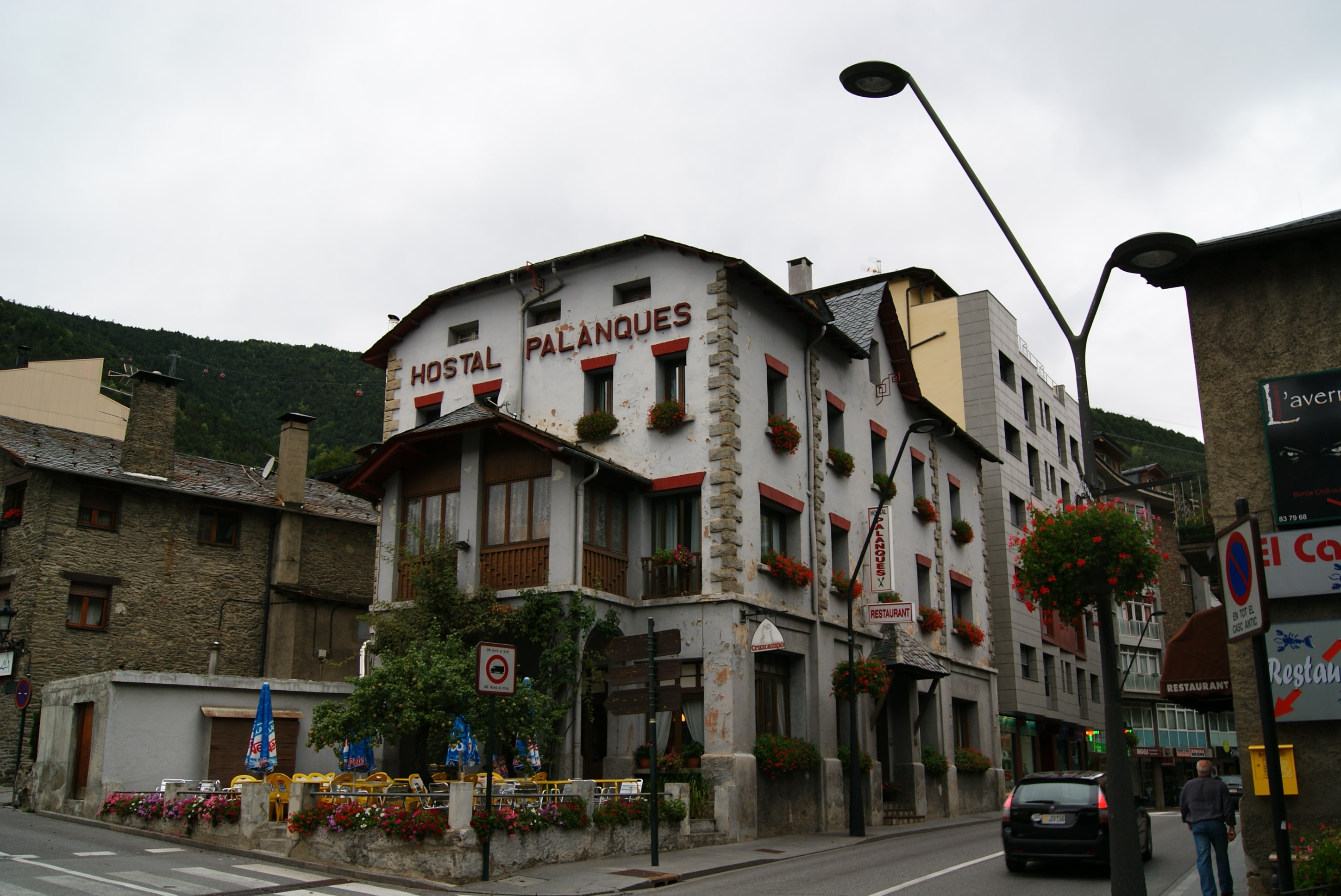
Andorra la Vella sits high in the eastern Pyrenees, tucked between France and Spain in one of Europe's smallest principalities. The capital has the feel of a place where commerce, alpine scenery, and a long human history share the same narrow valley. Visitors tend to arrive expecting a quick stopover between ski resorts, and then discover a slower layer underneath: stone churches, a working bus network, and a downtown shaped by its border-crossing trade.
This guide keeps the focus tight. Rather than chasing every possible activity, it concentrates on the two things the approved evidence actually supports: how people move around Andorra la Vella once they are here, and one historic site worth building a visit around.
Getting around
Andorra has no railway. For anyone used to stepping off a high-speed train into a capital, this is the single most important transport fact to internalise before arriving: **buses are the lifeline for all intercity travel** in the country. That detail quietly reshapes a trip, because the bus network is not a backup option here, it is the system.
Within Andorra la Vella itself, the same logic continues. Local bus routes use the main intercity station as a hub, which makes onward travel within Andorra relatively straightforward once a traveller has found that central point. The practical takeaway is simple: orient yourself to the bus station early in the day, learn which platform serves which direction, and treat it as the nerve centre of every move you make.
Because there is no rail alternative, a few small habits become more valuable than usual. Confirming return buses before heading out into the valley, carrying small change for onboard fares, and assuming that the last evening service may run earlier than expected are all sensible defaults. None of this is dramatic advice; it is just the kind of texture that makes a bus-led city feel easy rather than inconvenient.
Attractions and planning
The city's most evocative historic sight is not in the busy commercial centre at all. Just outside Andorra la Vella stands the **Church of Santa Coloma**, described in local sources as one of the country's oldest and most historically significant landmarks. Its setting, in the older parish of Santa Coloma, gives visitors a quiet counterweight to the modern shopping streets that define much of the capital.
Pacing and practical texture
Because Andorra la Vella is walkable across the centre and the historic church is within easy reach, the city does not demand a long stay. A relaxed morning of bus logistics, a midday stroll through the commercial streets, and a slow afternoon at Santa Coloma is a comfortable shape for a first visit. Evening plans tend to revolve around the same compact core, since the bus network is what brings people back from anywhere further afield.
A small piece of advice that comes from the transport reality rather than from any specific timetable: build a small buffer into your day. With buses as the only option for moving between parishes, the rhythm of the city is shaped by departures, not by your own schedule. Travellers who treat the bus station as a fixed appointment tend to have a calmer day than those who treat it as background infrastructure.
What this guide deliberately leaves out
You will not find specific price lists, opening hours, restaurant recommendations, or day-trip suggestions in this guide, and that is intentional. The approved evidence for Andorra la Vella supports clear claims about intercity and local bus travel, and about one specific historic landmark. Anything beyond those points would be padding dressed up as advice.
In particular, this guide does not treat nearby parishes, ski resorts, or thermal sites as part of an Andorra la Vella itinerary, even though they exist. A reliable city guide is one that does not invent journeys. If you want to explore further afield, the bus station will be your starting point, and it deserves the same careful attention you would give a train timetable in a larger capital.
A short note on verification
Travel conditions change. Bus routes, frequencies, fares, and heritage-site access rules can shift between seasons and from year to year. The factual core of this guide, that buses are the country's only intercity option and that the Church of Santa Coloma is a landmark of national historical significance, is durable, but the practical details around it are not. Before departure, check official channels for current transport information, confirm the church's opening arrangements, and treat any third-party listings as a starting point rather than a guarantee.
Used that way, Andorra la Vella rewards visitors who plan lightly but pay attention. The Pyrenean setting does most of the work; the buses do the rest.
Share this article
TOOLS FOR THIS PLAN
Make the Andorra la Vella plan measurable
Choose a tool only when it answers the next question in your trip. Your values stay in the browser, and each tool offers a route back to this planning context.