A waterfront welcome to Annapolis

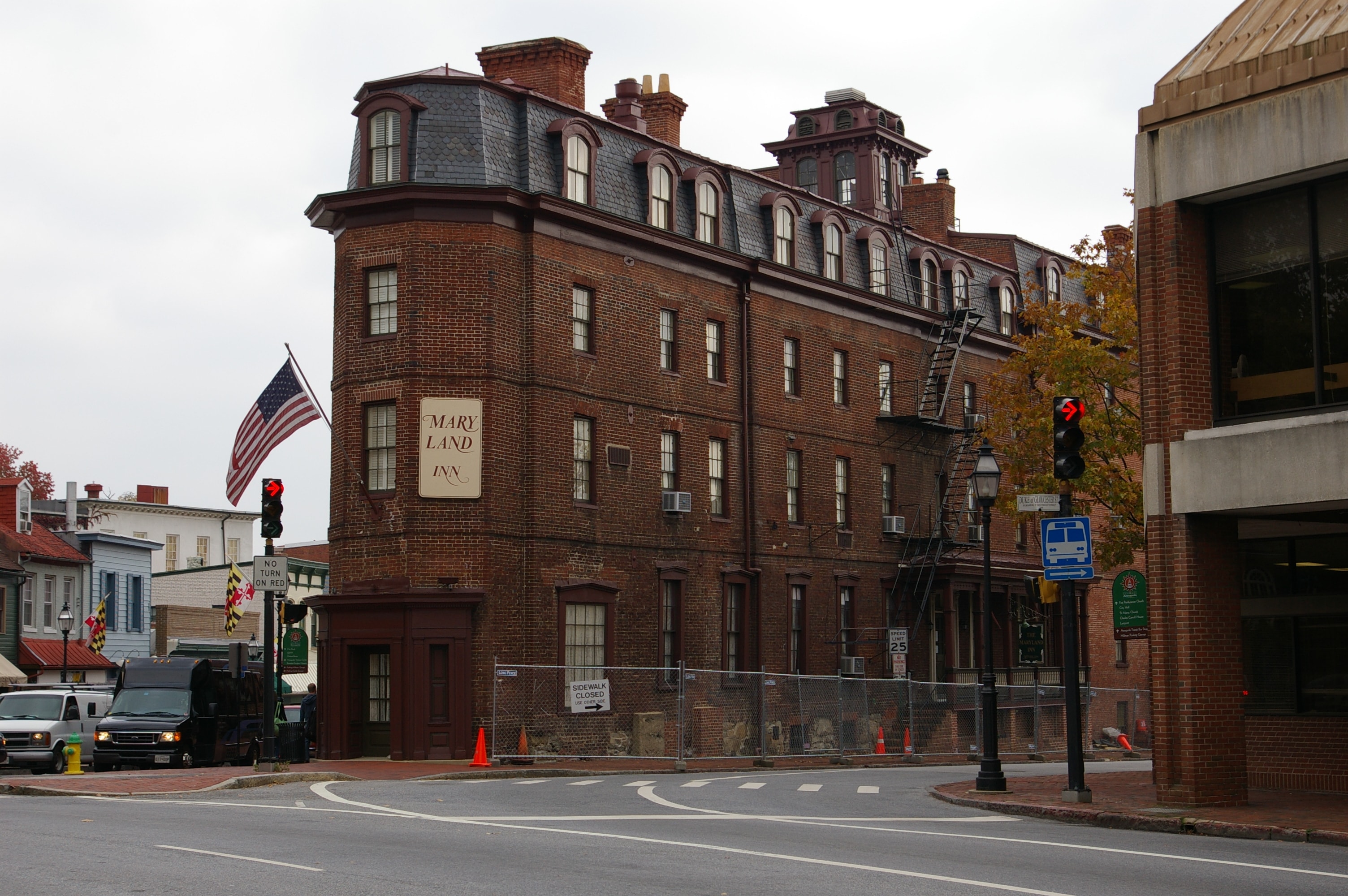
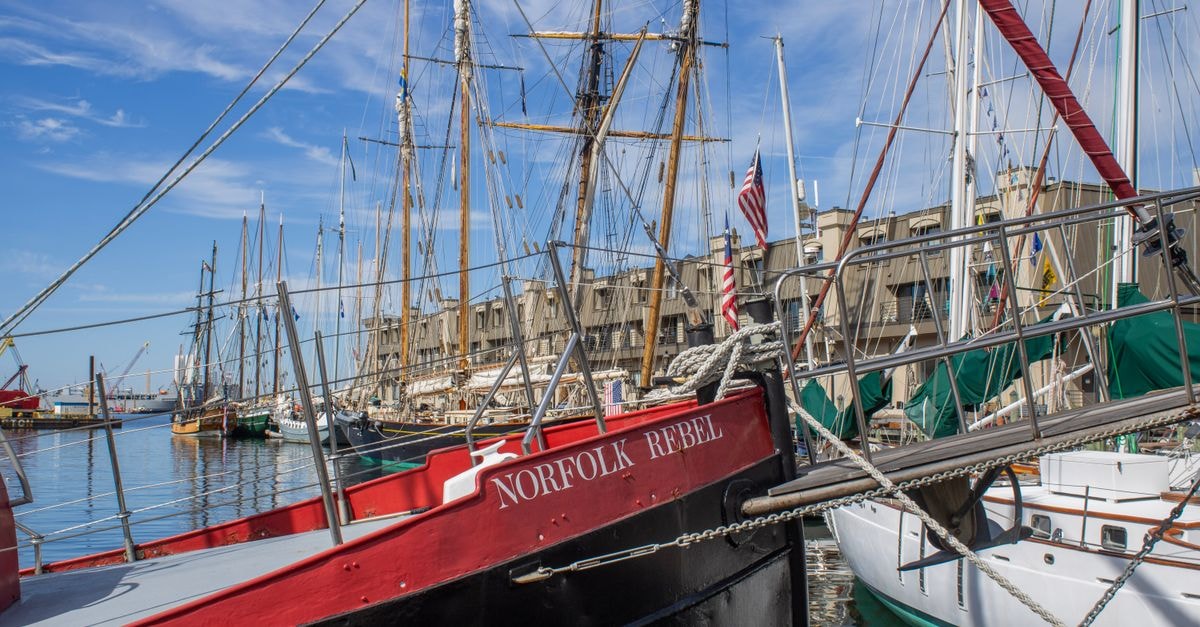
There's a particular kind of hush that settles over a harbor town in the early evening, the gentle clink of rigging, the soft rustle of historic brick, and Annapolis carries that feeling like a well-worn passport. Tucked along the edge of the Chesapeake Bay, the Maryland capital feels both intimately small and quietly significant. Its tidy streets, working waterfront, and centuries-old architecture offer a travel rhythm that rewards unhurried wandering just as much as purposeful sightseeing.
For first-time visitors and returning fans alike, Annapolis unfolds best when you approach it with curiosity rather than a rigid agenda. Below is grounded, practical guidance for making the most of a visit, from arrival logistics to the flavors that define the region.
Getting to and around Annapolis
For visitors arriving by rail, Amtrak operates more than 300 trains each day across more than 500 destinations nationwide, making it a flexible backbone for a trip that might combine Annapolis with another stop on the Eastern Seaboard. The rail network's reach and frequency mean schedules can comfortably accommodate a range of itineraries.
Once you're in town, Annapolis supports a notably relaxed pace. The City of Annapolis maintains a bus network designed for easy, convenient movement across the community. Routes and schedules are published by the city, so planning a day around a single drop-off point and walking from there is a perfectly sound approach. Annapolis Transit also operates a shuttle that connects the Navy-Marine Corps Memorial Stadium with the Central Business District, which is especially useful on days when sporting or waterfront events draw crowds and parking near the core becomes scarce. The combination of city buses and local shuttles makes exploring without a car entirely plausible.
Attractions and planning your days
Annapolis is anchored by its relationship to the water and to the institutions that give the city its civic identity, so it makes sense to let the waterfront lead your plans. Because BWI places Annapolis within comfortable travel distance of both Baltimore and Washington, D.C., the city also works well as a focused weekend on its own. Major attractions within Annapolis and Anne Arundel County are designed to be reached from the airport with relative ease, so even a short stay can feel substantive.
Practical planning starts with a simple orientation. The Central Business District, the historic core, and the harbor are compact and walkable, which means a single base in the center can comfortably serve most sightseeing. If you choose to drive, keep in mind that historic neighborhoods near the water can be tight on parking, particularly when special events are underway, which is precisely when the local shuttle becomes valuable.
A relaxed template for an evergreen visit might look like this: spend the first morning exploring the waterfront and historic streets on foot, use a midday break to check bus or shuttle schedules for the afternoon, and return to the harbor in the early evening when the light softens over the docks. That's a structure, not a fixed itinerary, and it adapts naturally whether you're visiting for one day or a long weekend.
Weather and seasonal context
Annapolis holds a different kind of beauty across the calendar. As local travel guidance notes, the charm of the city is not weather-dependent, with each season offering its own atmosphere. That's reassuring context for travelers who hesitate because of a forecast, and a reminder that layers, comfortable walking shoes, and a flexible plan will serve you in any season.
If you arrive in the warmer stretch of the year, expect a pace that leans toward water, outdoor tables, and longer evenings on the harbor. In cooler months, the city shifts inward, with museums, historic house museums, and cozy restaurants becoming the focus. Treating the weather as part of your experience, rather than a hurdle, is the local way. Pack for the day you're given rather than the day you imagined, and build in a slow afternoon so the schedule can breathe.
When planning, it helps to remember one practical truth: year-to-year conditions can shift, so checking the local forecast close to your travel date is more reliable than any general rule of thumb.
Food and local context
The flavors of the Chesapeake are woven into the Annapolis experience in a way that visitors notice almost immediately. The region's cuisine is diverse and delicious, and it's presented locally as an important part of what makes a stay here distinctive. Seafood is naturally at the center of that story, but the broader regional table also embraces farmers' market produce, bakery traditions, and the kind of slow-cooked comfort food that pairs well with a breezy day on the water.
Across the wider United States, food culture has grown more conversational in recent years. Diners increasingly ask where their fish was caught, how their bread was baked, and what produce is in season, and that curiosity is met enthusiastically throughout the Chesapeake region. Eating in Annapolis tends to feel like participating in a long conversation about place rather than simply sitting down for a meal. Markets, casual dockside spots, and dining rooms of varied formality all contribute to that texture, so it pays to wander a little and let your appetite lead the way.
If you have specific dietary needs or want to plan ahead, a quick look at neighborhood maps and restaurant listings before you arrive will help you match the area's offerings with your preferences. Reservations policies and hours vary widely by establishment, so confirming directly before you go remains the most reliable habit.
A short, practical checklist
- Confirm whether to base yourself in the Central Business District, where most sights and many transit stops cluster, or outside the center for easier parking. - Decide in advance whether you'll use the BWI Express shuttle from the airport, the city bus network, or a personal vehicle, since each shapes how you plan your days. - Carry layers appropriate to the season, comfortable walking shoes, and a willingness to alter plans around the weather. - Save room for at least one leisurely meal tied to Chesapeake cuisine, and consider asking locals for their current favorites.
A note on accuracy
Travel conditions shift, and details such as transit timetables, hours, and the operating status of particular attractions can change. Before you set out, it is worth confirming any time-sensitive details directly through the official Annapolis city transportation pages, the relevant attraction websites, or the visitor information services for the area. Treat this guide as a starting framework for an experience that you'll ultimately shape in the moment.
Safe travels, and enjoy the harbor light.
Prices, opening hours, schedules, reservation rules, and local conditions can change; verify them through official channels before departure.
Share this article
TOOLS FOR THIS PLAN
Make the Annapolis plan measurable
Choose a tool only when it answers the next question in your trip. Your values stay in the browser, and each tool offers a route back to this planning context.