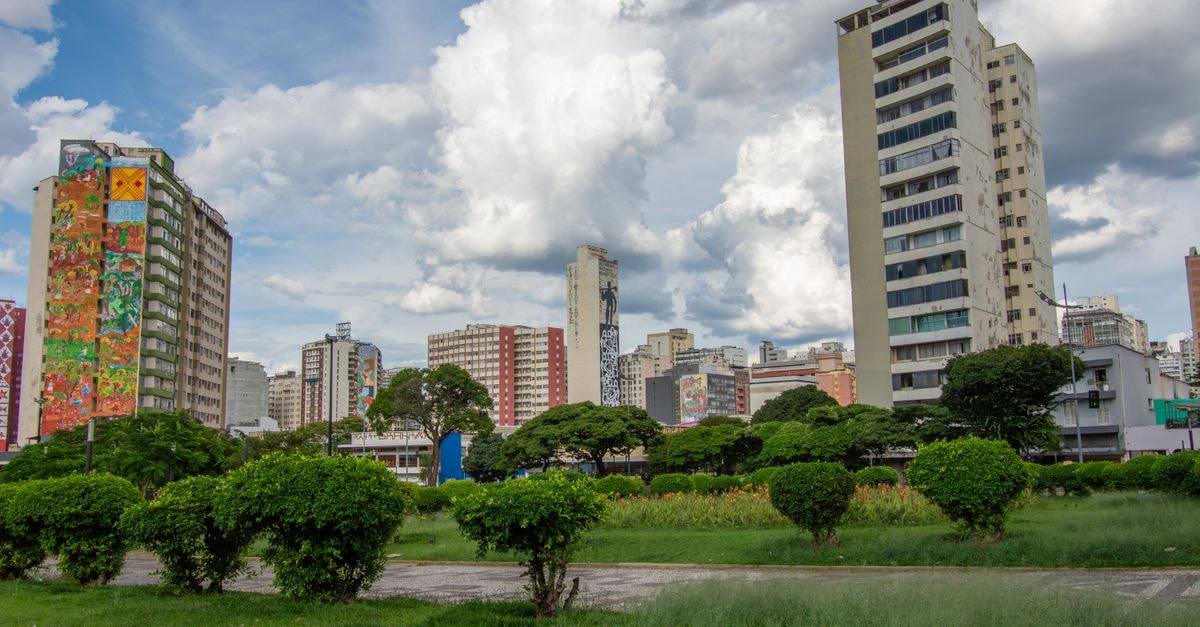
A first look at Aparecida de Goiânia

For travelers, the appeal is often less about a single landmark and more about the texture of an everyday Brazilian city: open avenues, neighborhood restaurants, and the easy flow between one municipality and the next. The guide below gathers the practical points that are useful to know before you go.
Weather and seasonal context
The climate data that is available for Aparecida de Goiânia points to a year-round warm profile, with travel-scoring systems suggesting that the most pleasant window for warm-weather activities runs from mid May to late August. If you prefer dry days with comfortable temperatures, this window may suit your plans more than other periods of the year.
Because specific temperatures and rainfall totals for any particular month are not detailed in the available sources, the safest approach is to plan for warm weather year-round and to consider a mid-year visit if your main goal is outdoor comfort. Packing light, breathable clothing, staying hydrated, and pacing longer outdoor plans for cooler parts of the day are gentle habits that tend to serve visitors well in this kind of climate.
Getting around
Aparecida de Goiânia has public transport services that operate within the city and connect it to the wider Região Geográfica Imediata de Goiânia. That regional framing matters: because Aparecida de Goiânia is part of the greater Goiânia metropolitan area, the transport network is best understood as a shared system between the two cities rather than as a standalone local network.
For practical planning, it is worth keeping in mind that the available sources describe the existence and scope of these services rather than specific routes, timetables, or fares.
Broader travel references for Aparecida de Goiânia also point readers toward general planning topics such as local SIM and internet access, language and translation, accessibility information, etiquette and cultural norms, and sustainable travel choices. These are useful starting points when you are thinking about how you will move around, communicate, and behave during your visit, even though the specifics are not spelled out in the available evidence.
Attractions and planning
Aparecida de Goiânia is covered in mainstream travel guides that list attractions, things to do, and bookable services such as hotels, homes, flights, trains, car rentals, airport transfers, attractions and tours, eSIMs, and combined flight-plus-hotel packages. These references tend to position the city as a stop within a wider Goiás or central-Brazil itinerary rather than as a standalone destination with a deep attraction list.
The same travel references organize planning around local experiences, attractions, stays, restaurants, stores, and a map view, which gives visitors a flexible structure for putting days together. They do not, however, specify exact venues, opening hours, or ticket details for Aparecida de Goiânia.
Some general guides also mention that, depending on location, a coastal or highland town nearby can offer a change of scenery from Aparecida de Goiânia. Since the available evidence does not name a specific town or describe a specific excursion, this is best treated as a hint that the broader region offers varied landscapes rather than as a confirmed day trip. Visitors interested in adding a side excursion can do so with the understanding that they will need to research the specific destination, distance, and transport options themselves.
If your main interest is in simply getting a feel for the city, a practical approach is to combine a short local sightseeing plan with time in the wider Goiânia metropolitan area, since the two cities share so much of their daily life.
Food and local context
The cuisine in Aparecida de Goiânia largely aligns with the wider Goiás state culinary traditions. That means menus tend to reflect the flavors that travelers often associate with Goiás: hearty rice dishes, chicken preparations, and regional ingredients that are common across the state.
Two dishes are specifically highlighted in the available sources. The first is pequi, which is described as one of the most popular dishes in Aparecida de Goiânia. Pequi is a fruit that is widely used in Goiás cooking and tends to show up in rice, chicken, and stew-style preparations. The second is galinhada, another popular dish in Aparecida de Goiânia, which is a chicken-and-rice combination that is often associated with home-style cooking in the region.
It is worth noting that fine dining options remain limited directly in Aparecida de Goiânia, which is itself a useful piece of practical information for visitors. Travelers who are looking for a more upscale sit-down meal may need to widen their search to the neighboring city of Goiânia or look at the broader metropolitan area, where the range of dining formats tends to be greater.
Picking the right fit for your trip
Because the warm-weather tourism score points to a mid-May through late-August window, travelers whose main goal is outdoor comfort may want to weight their dates toward that range, while those who do not mind a broader range of conditions can visit at other times with a more flexible plan.
Food-focused visitors will likely find the local Goiás kitchen rewarding, with pequi and galinhada as easy entry points, though anyone hoping for a wider range of fine dining formats may prefer to set aside time in the neighboring metropolitan area.
Prices, opening hours, schedules, reservation rules, and local conditions can change; verify them through official channels before departure.
Share this article
TOOLS FOR THIS PLAN
Make the Aparecida de Goiania plan measurable
Choose a tool only when it answers the next question in your trip. Your values stay in the browser, and each tool offers a route back to this planning context.