A first look at Arendal

Arendal sits along the southern coast of Norway, the largest city in the Aust-Agder region, and it wears its maritime character lightly. With a population of around 40,000, the city feels manageable rather than overwhelming, the kind of place where a single afternoon can carry you from a quiet cobbled square to the edge of the archipelago without ever feeling rushed. The compact scale also means that wandering on foot remains a genuinely pleasant way to read the town.
What tends to linger with visitors is the interplay between working harbor life and the painted wooden houses that climb gently up from the waterfront. Arendal reads as a town with a story, not a postcard, and the easiest way into that story is simply to start walking.
Getting around and planning your time
Because the urban footprint is so contained, moving through Arendal rarely demands a plan. Walking covers most of what first-time visitors want to see, and the relatively small population means the rhythm of the streets stays calm even in busier stretches. That sense of scale also shapes how a day tends to unfold: one or two anchor stops in the morning, a slow lunch, and an unhurried afternoon by the water.
Several guided experiences use Arendal itself as the main attraction. A city walk marketed as "Arendaler Spaziergang" departs from Kystveien 2, 4841 Arendal and frames the town as a coastal meeting point between science and tradition, while a parallel "Arendalsvandring" walking tour from the same Kystveien 2 starting point invites visitors to step into what it describes as the soul of southern Norway. Either route can work as a soft introduction for travelers who prefer a narrated entry point before exploring on their own.
For travelers who enjoy a self-directed rhythm, the compact layout makes it easy to mix a guided first hour with independent wandering afterward. Travelers who prefer a more physically active day may want to consider continuing toward the waterfront, where the views pull you naturally toward the boats.
Attractions and things to see
Arendal's main sights cluster close enough together that a single loop can hold them, and the most rewarding approach is usually the simplest: walk, pause, look out at the water, and repeat.
The Arendal Town Hall is one of the largest wooden buildings in Northern Europe, a striking reminder of the city's earlier prosperity and a useful anchor for orientation. Its timber facade rewards a slow look, especially from across the water, where the building's scale becomes easier to take in.
Families and anyone traveling with children may want to consider a stop at Lekeplassen på Torvet, a roughly 250 m² playground on Torvet in Arendal, set among surrounding cafés. It offers an easy reset point in the middle of a sightseeing day and a natural place to pause while the surrounding square does its thing.
For a slower cultural pause, KUBEN serves as the main local museum, covering Arendal and Aust-Agder history through buildings, interiors, and exhibitions in a restored town setting. It suits visitors who want context before they wander, and it pairs naturally with a walk through the older streets nearby.
Just outside the center, Merdøgaard museum offers a different texture: a working farm museum and cultural site with historic buildings, seasonal exhibitions, and family-friendly activities near Arendal centre. The setting tends to feel a step removed from the town, which is part of its charm for visitors who like a quieter half-day.
The water as a second sightseeing route
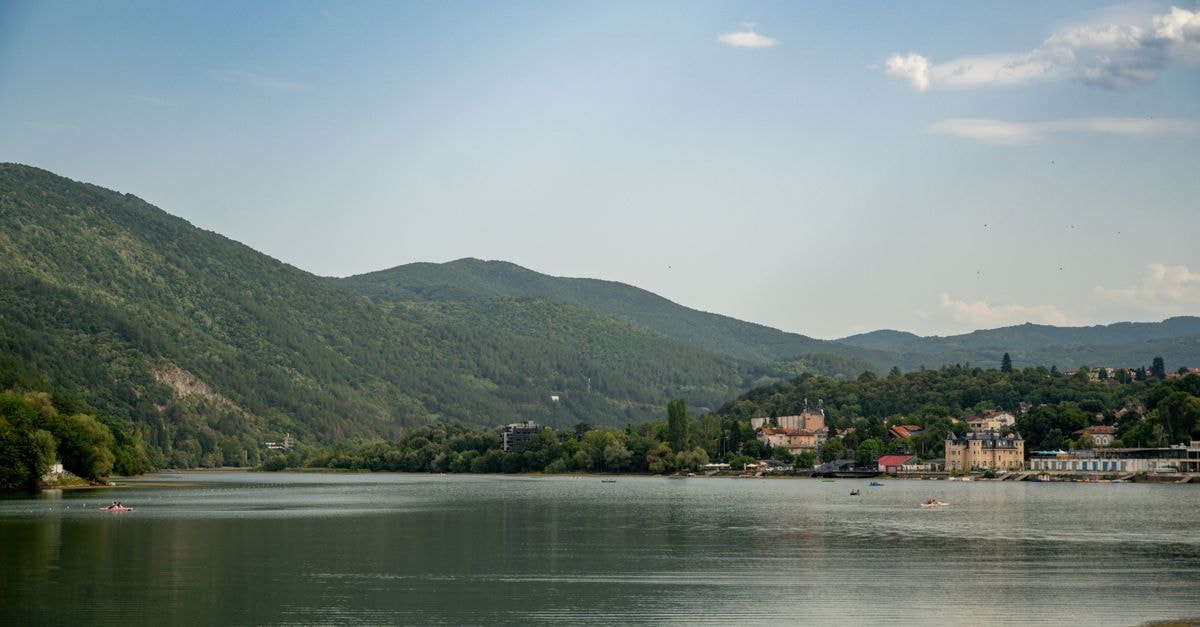
One of the simplest ways to feel Arendal's coastal setting is to step off the land entirely. The nearby archipelago invites visitors to rent a boat or kayak and explore the islands, offering a chance to see the city from the water and to find secluded bays for a quieter break. This approach suits travelers who are comfortable on the water and who want a more active counterpoint to the town walks; visitors who prefer to stay on dry land can still enjoy many of the same views from the harborfront.
The Pollen harbor pool, mentioned in general travel listings for Arendal, adds a small, distinctly local way to experience the harbor itself, and it gives the waterfront a more lived-in feel than a pure sightseeing promenade.
Food and local context
It helps to know a little about Norway's wider food culture before sitting down for a meal, because the habits that shape restaurants in Arendal reflect national patterns rather than city-specific quirks. Norwegian dining tends to lean into fresh coastal ingredients, seasonal produce, and a calm, unhurried service style, and visitors may encounter that rhythm in cafés and restaurants throughout the city.
Across Norway, food remains a fairly everyday pleasure rather than a performance, which means casual cafés and simple seafood-led plates often sit alongside more formal menus. Visitors can also expect to encounter Norway's broader cultural life through regional festivals, local markets, and fairs, which form a normal part of how Norwegians gather in towns of all sizes. Knowing this in advance tends to lower the stakes around mealtimes and lets the day breathe.
Within Arendal itself, the cafés around Torvet make a natural lunchtime base, especially for anyone combining a visit to Lekeplassen på Torvet with a slower afternoon. Travelers who enjoy a longer, more reflective lunch may want to consider building the day around one of these central squares rather than rushing between sights.
Choosing what fits your trip
A few tradeoffs are worth thinking through before setting out. If your priority is architectural character and a sense of place, the Town Hall and a guided walking tour pair well, with KUBEN adding depth on a rainy half-day. If your priority is fresh air and movement, the archipelago by kayak or rental boat changes the entire rhythm of the visit, while the Merdøgaard museum offers a calmer inland counterpoint. If you are traveling with children, the playground on Torvet works as a natural pivot point between slower cultural stops. The compact size of the city means none of these choices are mutually exclusive; they simply shape which moments of the day feel most alive.
Before you travel, it is worth confirming current opening hours and any seasonal schedules for the museums and the harbor pool, since these details can change. Factual travel conditions evolve, and official channels should always be checked closer to departure for the most up-to-date information.
Do you know which single anchor stop you would build your day around — the Town Hall, KUBEN, or a slow afternoon on the water?
Share this article
TOOLS FOR THIS PLAN
Make the Arendal plan measurable
Choose a tool only when it answers the next question in your trip. Your values stay in the browser, and each tool offers a route back to this planning context.