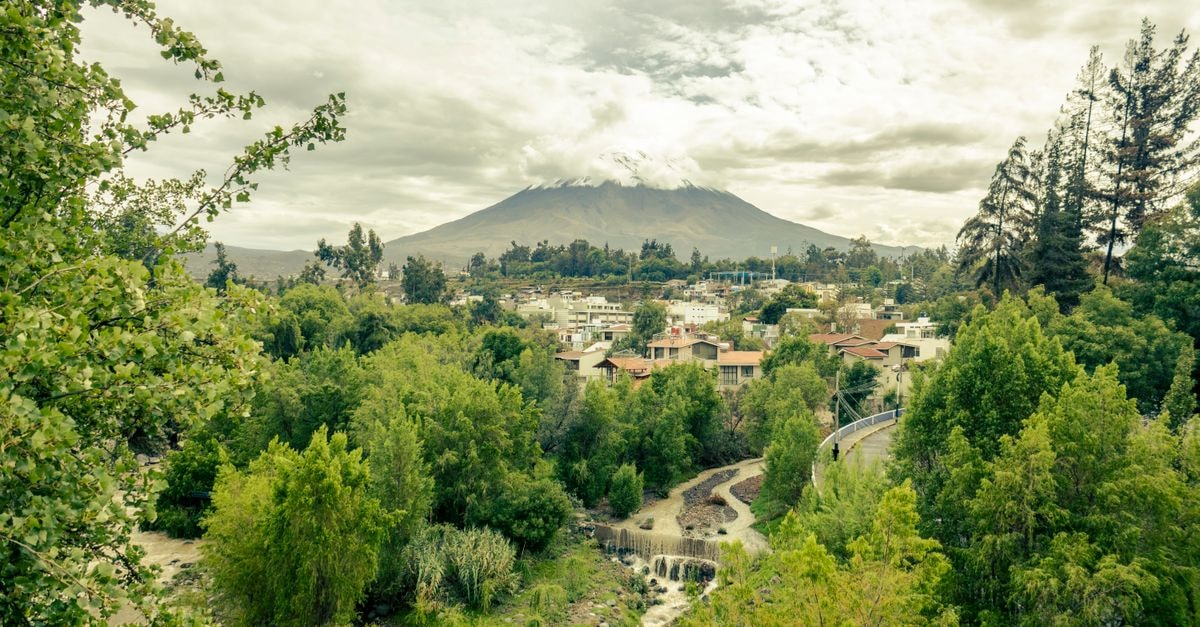
Weather and seasonal context

Arequipa's clearest skies generally line up with the stretch from April through November, once the rainy season is essentially over. That is the window most travelers gravitate toward, and it shapes a visit in a few gentle ways. Clearer days tend to read as bright and dry, which can make walking the historic center feel easier and more photogenic, while the higher-altitude sun still asks for pacing, water, and a layer for cooler mornings and evenings. Within that broad window, the city does see shifts month to month in temperature feel, crowd rhythm, and weekend energy, so a little flexibility goes a long way.
Because conditions are not static, the practical mindset is to plan a relaxed pace, build in shade breaks, and treat any weather snapshot you read online as a starting point rather than a guarantee. If you arrive during a shoulder of the dry season, the city can feel pleasantly unhurried, which suits slow coffee stops, long lunches, and unhurried sightseeing.
Getting around
Within the historic center, short taxi rides tend to be the most common way to bridge the gaps on foot that feel too long in the thin air, with fares that generally sit in a modest range for short hops around the core. Beyond the center, taxis remain the practical default for many visitors, especially after a long day of walking on cobbled streets. Like in many Peruvian cities, the easiest habit is to confirm or arrange your ride before you set off, and to keep small bills handy so the end of a ride is simple.
Arequipa also sits in a wider travel network, and many visitors use it as a pivot point between longer legs. Common onward directions include Cusco and the Sacred Valley, which is a long overland transfer that rewards planning for rest and timing; Puno and Lake Titicaca to the east; the south-coast stretch through Nazca, Huacachina, and Paracas; and Lima, reached by flight or long bus. Choosing between them mostly comes down to how much time you have, your tolerance for long rides, and whether you prefer traveling by day or overnight. The real friction that travelers most often mention in Arequipa itself tends to be small things, like petty theft and tired-end-of-trip negotiations, rather than anything more serious. A little attention at terminals and a calm approach to taxis goes a long way.
Attractions and planning
Arequipa rewards visitors who treat the historic center as the main event and then layer in a few focused stops. The colonial core, framed by sillar-stone buildings and plazas, is the natural spine of any visit, and a guided look at the Santa Catalina Monastery is a popular way to combine the convent itself with the surrounding streets in a single outing. It is the kind of place where a guide's stories turn pretty walls into a sense of daily life across centuries, which can matter as much as the architecture.
For a lighter stop, Mundo Alpaca sits in a colonial sillar building and offers a free, accessible window into Peru's alpaca and llama traditions, which are woven into the wider Andean identity. Pairing the monastery with a calmer museum-style stop tends to make for a balanced day: one big immersive visit, one easier pause, and the rest of the time left for wandering. Because details like opening hours and ticket prices can shift, it is worth checking current information close to your visit rather than relying on a single dated reference.
Food and local context
Arequipa is widely considered one of Peru's standout food cities, and the depth runs well beyond a short list of must-eat dishes. The city is officially recognized for both its historic center and its gastronomy, and there is a long tradition of picanterías and slow-cooked food that locals treat as part of daily life. Travelers often describe Arequipa as Peru's "other" food capital, and that framing is less about competition and more about the city's particular fondness for hearty, slow-simmered plates served in casual, lived-in rooms.
The White City's culinary reputation is tied to its kitchens rather than to any single venue, so the practical pleasure is in following the tradition across multiple meals. That means giving yourself permission to wander into a picantería for lunch, to sit a little longer than you planned, and to try a traditional dish when it appears on a menu. Arequipa's traditional cuisine is also part of a wider Peruvian food story, where altitude, regional farms, and family kitchens all shape what ends up on the table. Letting the food guide your day, rather than squeezing it between sights, tends to be how visitors get the most out of the city.
A practical mindset for the trip
A few small habits tend to make Arequipa feel easier. Build your day around the sun: brighter mornings and late afternoons for outdoor wandering, with a slower, shaded pause around midday. Keep a layer handy, since altitude can shift the feel of a day from warm to cool within hours. Give yourself one immersive guided experience, like the Santa Catalina route, and balance it with unhurried self-guided time. And treat food as a highlight rather than a side note, since Arequipa's kitchens are part of what gives the city its character.
Travel conditions, prices, and opening details can change, and the most reliable approach is to verify anything that affects a booking, a reservation, or a day's plan through official channels before you set off. Treat this guide as a feel-for-the-place starting point rather than a fixed timetable, and let the city's pace do the rest.
Share this article
TOOLS FOR THIS PLAN
Make the Arequipa plan measurable
Choose a tool only when it answers the next question in your trip. Your values stay in the browser, and each tool offers a route back to this planning context.