Welcome to Arima

Tucked into the foothills of Trinidad's Northern Range, Arima is one of three boroughs on the island and carries a name drawn from an Amerindian word meaning "water." That origin quietly hints at the landscape visitors encounter: green hills, river valleys, and a town that has long served as a meeting point between the coast and the interior. The rhythm of life here is unhurried, shaped by market mornings, school commutes, and the steady flow of shared transport heading west toward the capital.
For travelers, Arima works well as a base for exploring the Northern Range's natural attractions and as a window into everyday Trinidadian life. The climate rewards flexibility, and the transport network rewards a little curiosity.
Weather and seasonal context
Arima sits in a tropical belt, and the climate shapes the day as much as any itinerary. Temperatures generally hover in the low-to-mid twenties by morning and climb into the high twenties during the afternoon, with a typical range around 23° to 30°C. Humidity runs high and the air often feels warm rather than cool, even when the sun is behind clouds. Skies can shift quickly between bright and partly cloudy, and rainfall is a real presence: the broader Arima pattern shows significant rainfall totals, and short, heavy showers are part of the rhythm of the year.
What does this mean in practice? Light, breathable clothing is a practical choice. A compact rain layer or umbrella is worth keeping close at hand, especially if you plan to walk between transport stops or spend time on forest trails. Because the humidity and warmth can be tiring, pacing the day with a slower midday window or a café break can make outdoor exploring more enjoyable. If you prefer to avoid the heaviest rain, planning key outdoor visits for the morning hours often pays off, though weather can be unpredictable in any season.
Travelers who like lush, dramatic landscapes and don't mind working around the occasional downpour will find the climate rewarding; those who are very heat-sensitive may want to schedule restful indoor time midday.
Getting around
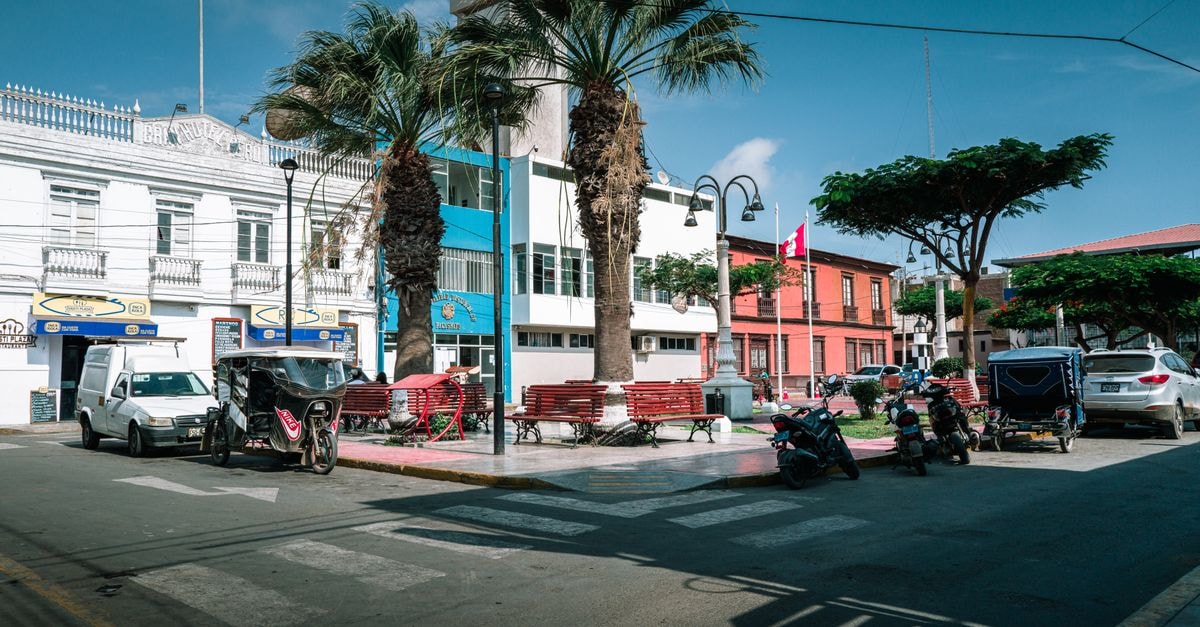
Arima is widely described as Trinidad's northeastern transportation hub. The road network funnels workers and travelers west toward Port of Spain and out toward oil-sector employment elsewhere on the island. The two main modes of public road transport are maxi taxis (minibuses that run on fixed routes) and PTSC buses, which together form the backbone of everyday movement in and out of the borough. For visitors, maxi taxis are often the easiest way to connect with neighboring towns and to reach the capital without a private vehicle.
If you're new to Trinidad's transport system, a few small habits help. Stops are sometimes informal; flagging down a maxi taxi along its route is normal practice. Routes follow main roads, so knowing whether you're heading toward Port of Spain, toward the Northern Range interior, or along the east coast is the most useful piece of information before boarding. Cash in small local notes makes fare handling smoother, since maxi taxi drivers may not carry change for large bills.
For travelers who want more independence, taxis and rental options exist, but the maxi taxi network is what gives Arima its everyday rhythm. It also means that several of the borough's points of interest are reachable without a private car, though some forest and waterfall destinations further into the Northern Range often involve additional planning or guided arrangements.
Points of interest within and around Arima
While Arima itself is a working town rather than a tourist resort, the borough and its immediate surroundings offer a mix of nature and visitor facilities. The Brasso Seco Visitor Facility, set deeper in the Northern Range, is described as a visitor center and acts as a base for exploring nearby forest, waterfalls, and birding areas. Closer to town, the Double River Falls and the Aripo Hummingbird Watch draw visitors interested in waterfalls and wildlife, respectively, both reflecting the wet, green character that gives the borough its name. Cocobel is a small specialty and gift shop in the area, useful for a short browse between larger outings.
About a mile from central Arima, Queen's Hall is a notable landmark that often appears on visitor lists, useful as an orientation point and a place where cultural events are occasionally hosted. These are useful anchors for planning a slow day of mixed sightseeing.
If you enjoy a mix of culture and nature, layering a town landmark like Queen's Hall with a half-day trip into the Northern Range can fill a satisfying day. Travelers who prefer waterfalls, birding, or guided forest visits will find the most to engage with; those seeking dense urban sightseeing may want to combine time in Arima with a Port of Spain visit.
Choosing what fits your trip
Arima suits travelers who are comfortable with warm, humid conditions and who enjoy a destination where nature and everyday life share the stage. The climate can feel intense for those unused to tropical humidity, so consider lighter outdoor commitments and an indoor break during the warmest part of the day. If you prefer structured urban sightseeing with constant activity, Arima works best when paired with a wider Trinidad itinerary rather than as a standalone city break. Those drawn to waterfalls, hummingbird habitats, and forest visitor centers will find the borough especially rewarding, while visitors who mostly want nightlife, large-scale museums, or a beach resort scene will want to look elsewhere on the island. Because the transport system runs on shared maxi taxis and buses, travelers who value flexibility and are happy to ask locals about routes will move with more ease than those expecting fixed timetables and stop-by-stop signage.
A few final notes before you go
Factual travel conditions can change, and details such as transport routes, visitor facility hours, and on-the-ground weather can shift. Before your trip, it is worth confirming current information through official channels and local advisories so your plans reflect the latest conditions. With that in mind, Arima rewards travelers who arrive curious, light on their feet, and ready for a town that sits comfortably between river, road, and forest.
Share this article
TOOLS FOR THIS PLAN
Make the Arima plan measurable
Choose a tool only when it answers the next question in your trip. Your values stay in the browser, and each tool offers a route back to this planning context.