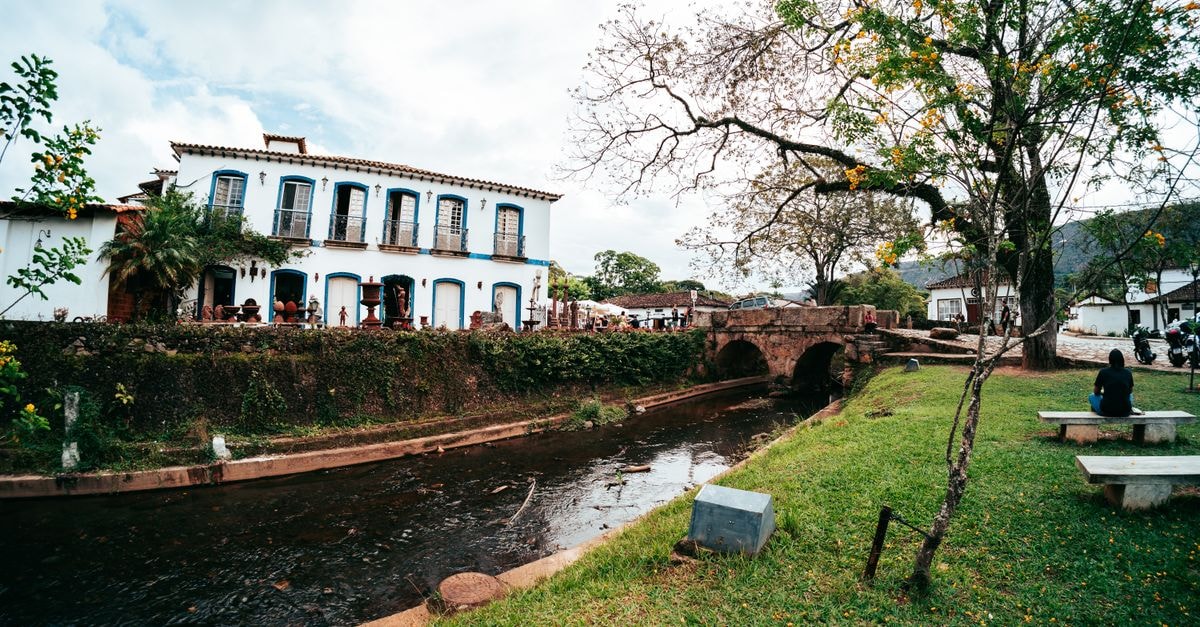
A Slow Look at Uruguay's Northernmost City

Artigas sits at the very top of Uruguay, close to the Brazilian border, and feels a world away from the bustle of Montevideo or the coastal beach towns to the south. It is a small, unhurried city known less for glossy landmarks and more for its working character, its gemstone heritage, and the everyday rhythms of northern Uruguayan life. Travellers who enjoy places that reward curiosity over checklist tourism tend to appreciate Artigas precisely because it does not try to be anything other than itself.
The city has a modest but meaningful set of attractions, anchored by its regional museum, and a local identity shaped by quarrying and gem trading. Food culture in this part of Uruguay also carries strong national traditions, so even a short visit tends to include a few classic Uruguayan culinary experiences. This guide focuses on what the evidence actually supports: the attractions worth planning around, and the wider food context visitors can expect to encounter while spending time in the city.
Attractions and Planning in Artigas
The cultural heart of Artigas, for visitors interested in history and regional identity, is the Artigas Regional Museum. The museum is a useful first stop for understanding the city and the wider department, and it is the kind of place where the visit tends to be more rewarding if you arrive curious rather than rushed. Its collections reflect the character of the northern frontier, an area defined by its proximity to Brazil and by a working history tied to the land and to the extraction industries that gave the region its modern identity.
According to the available guidance, the best time to visit the Artigas Regional Museum is during the spring months of September to November, when conditions are often described as comfortable for walking around and spending unhurried time indoors. Travellers planning a trip outside that window can still enjoy the museum, but those who have flexibility in their schedule may want to time a visit to coincide with spring if museum-going is a priority. As with any regional museum, opening hours and visitor policies can shift over time, so it is worth confirming current details with the museum or local tourism contacts before travelling.
Beyond the museum, Artigas has a distinct identity built around its semiprecious stone quarries and gem markets. The city is famous in Uruguay for this heritage, and gem trading is part of how the local economy has long expressed itself. For visitors, this means that even a brief stay tends to include encounters with stone sellers, small lapidary workshops, and a tradition of craftsmanship that is part of daily life rather than a staged attraction. It is worth treating the gem markets as a cultural experience as much as a shopping one, asking questions, watching the cutting and polishing work, and taking time to understand what is being sold.
Planning around these two anchors, the museum and the gem markets, gives a small city like Artigas a natural shape for a stay. There is no need to over-schedule; the appeal of the city is that it can be experienced at a calm pace, with time left over for simply walking the streets and observing local life.
Food and Local Context in Uruguay
Food in Artigas sits within a wider Uruguayan food culture that visitors are likely to encounter throughout their time in the country. Understanding that broader context makes it easier to appreciate what shows up on tables in the north, from neighbourhood parrillas to family kitchens.
The most iconic culinary and social tradition in Uruguay is the asado. The asado is less a single dish than a ritual, built around slow-cooked meat shared over long conversations. In a northern city like Artigas, asado is part of how people gather, celebrate, and mark ordinary days, and visitors who are invited into one, or who simply order a parrillada at a local restaurant, are participating in something that runs through the heart of Uruguayan identity. It is worth treating the experience as social first and culinary second; the pace, the company, and the gradual arrival of different cuts of meat are as important as the eating itself.
Uruguayan food culture also has its own rhythm when it comes to timing. The first thing many visitors notice is not what is being eaten but when. Meal times tend to be later than in some other countries, with dinner often pushed well into the evening, and social eating woven into the daily routine in a way that can feel generous and unhurried. Travellers who arrive expecting the meal patterns of home may find themselves adjusting, and that adjustment is part of the experience of being in Uruguay.
Within this national framework, Artigas has its own regional character. The city is hottest in the summer months, which can make outdoor markets and informal food stops especially appealing during that season, while spring and autumn offer warm, comfortable conditions for moving between meals, markets, and the gem district. Because Artigas sits in the north, summer heat here can be more intense than in coastal or southern parts of the country, and the seasonal rhythm shapes how locals eat and gather, with simpler, lighter dishes often appearing alongside the heartier asado traditions.
For independent travellers, the practical takeaway is simple. Be ready for asado as both a meal and an event, accept the later dinner rhythm, and treat local food stops as part of understanding the city rather than as fuel between sightseeing slots. Even a few days spent eating the way locals eat tends to leave a more lasting impression than a long list of restaurants ticked off in a hurry.
A Note on Practical Verification
Because Artigas is a small northern city with attractions and services that can shift over time, a little preparation goes a long way. Confirm museum hours and any visitor requirements with the Artigas Regional Museum directly before travelling, and check current local guidance for gem markets and workshops, as independent sellers can change their schedules. Factual travel conditions, including opening times and seasonal availability, can change, so official channels and local tourism contacts should always be checked before departure.
This guide is written as evergreen city guidance rather than advice tied to a specific month, so it focuses on what stays useful across seasons: the role of the regional museum, the cultural weight of the gem markets, and the wider Uruguayan food traditions that shape daily life in the city.
Share this article
TOOLS FOR THIS PLAN
Make the Artigas plan measurable
Choose a tool only when it answers the next question in your trip. Your values stay in the browser, and each tool offers a route back to this planning context.