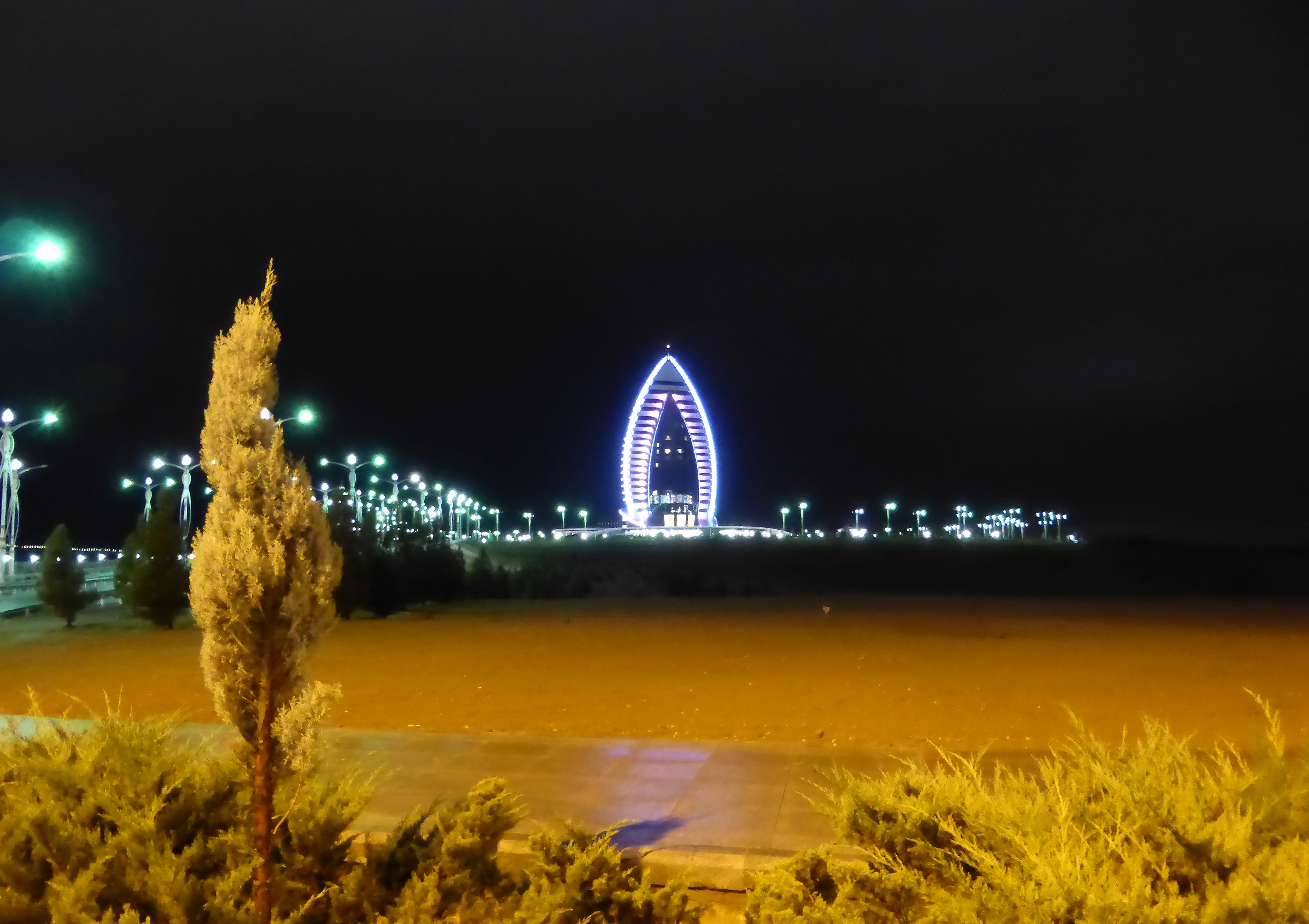
A first look at Ashgabat

Ashgabat is the capital of Turkmenistan and one of the more visually distinct capitals a visitor can wander through. Wide boulevards run between buildings clad in white marble, and the city has a reputation for monuments, plazas, and a sense of space that feels closer to a film set than a typical Central Asian capital. That look, however, is paired with a few practical realities that shape any visit, from the way sunlight hits the sidewalks to the way cameras are used in public. Getting those two details right sets the tone for the rest of the trip.
This guide is built around the travel details that an outsider can confirm before arriving: how the visual landscape of the city behaves, what photography rules apply, and the small set of practical notes that should sit in every visitor's pocket before stepping out the door.
Weather and seasonal context
The most consistent thing visitors notice about walking around Ashgabat is the light. The white marble architecture that defines much of the central city reflects a remarkable amount of sun, and even in cooler months that reflection is strong enough to feel almost like an extra light source at street level. Sunglasses are highly recommended even in winter because of the intense glare bouncing off the buildings, footpaths, and polished stone facades, and they are obviously useful in warmer months as well. If you normally pack sunglasses as an afterthought, think of them here as kit, not an accessory.
The city sits in a climate where summers are long and hot, and winters, while short, can still feel bright and dry. Because the approved evidence is firmly evergreen, this guide does not pin a specific temperature or condition to any calendar slot, but the visual effect of the marble is consistent year-round, and that is the part worth planning for. Travelers who are sensitive to glare, wear prescription lenses, or have young children should treat sun protection as seriously as they would in a beach destination. A wide-brimmed hat helps as much on a winter walk as it does at the height of summer.
It also helps to pace the day with the light in mind. Mornings and late afternoons tend to be the most comfortable window for outdoor wandering, while the middle of the day can feel especially bright on open plazas. Carrying water and planning a shaded break in a café or museum is a sensible rhythm rather than a reaction. Treat the visual environment as a working factor, not a backdrop, and Ashgabat becomes much easier to enjoy.
Getting around
Moving through Ashgabat is its own small study. The wide avenues that give the city its open feel also make distances feel longer than they look on a map, and pedestrian crossings and underpasses are often spaced further apart than visitors expect. Comfortable shoes and a willingness to walk a few extra blocks pay off here. Where the distance or the heat makes walking impractical, taxis and ride services are the most common ways to bridge the gap, and the experience is generally straightforward for travelers who arrange a pick-up through their hotel or a familiar app.
Because the city's own details around transport pricing, schedules, and apps are not part of the approved evidence for this guide, the practical advice is simple: confirm fares and routes with your hotel concierge or a local host before setting out, and treat any journey as a small conversation rather than a transaction. That includes asking whether a particular service is running, whether cash is the expected payment method, and how long the ride is likely to take at that time of day. A little up-front checking is the difference between a smooth afternoon and a stranded one.
A final note on movement that matters more than it sounds: the city is calm, orderly, and visually striking, but the rules around what you can point a camera at are strict. Plan your movements with the photography section below in mind, and the rest of the practical side of the trip tends to fall into place.
Photography rules and visitor etiquette
The single most important practical rule in Ashgabat is about the camera, not the suitcase. Photography is strictly regulated, and visitors are expected to avoid photographing government buildings, military installations, or the presidential palace. The rule is enforced more seriously than in most capitals, and misunderstanding it can end a visit's good mood very quickly. Treat anything that looks institutional, fenced, or guarded as off-limits unless a local contact has clearly confirmed otherwise.
In practice, this means the camera is wide open for the white marble architecture, public fountains, and central plazas, but the lens should stay down when in the vicinity of ministries, military zones, and the presidential area. Even a casual phone snap taken from a passing car can attract attention, so the safest habit is to put the phone away in those zones rather than debating in the moment. When in doubt, ask before you shoot, and frame the question to your guide or driver rather than to officials on the street.
The same caution extends to bystanders. Photographing people without permission is considered poor form in many places, and in a city where official buildings are sensitive, locals are sometimes cautious about appearing in a frame. A quick nod and a smile before raising the camera goes a long way, and turning the camera away gracefully is always the right move if anyone seems uncomfortable.
A practical pre-departure checklist
Because Ashgabat rewards preparation more than improvisation, a short list is more useful than a long one. Pack strong sunglasses as a baseline item, not a weather-dependent extra. Carry a small amount of local cash for taxis and small purchases, since card acceptance is not guaranteed everywhere. Save your hotel's address in both Latin and Cyrillic script, or take a screenshot of the map, in case the ride ends in a part of the city where the street grid is unfamiliar. Keep your phone charged and easy to reach for translation and for confirming directions.
It is also worth saving a small note on your phone listing the kinds of places that are sensitive to photograph, so that you do not have to think about it in the moment. Government buildings, military installations, and the presidential palace are the headline categories; anything that looks like a guarded compound, a checkpoint, or a uniformed presence is best treated the same way.
Finally, treat the city as a place where the official and the everyday sit very close together. A boulevard that looks like a postcard backdrop can be a working government route. A marble plaza can be a regular walking space for residents. The trick is to enjoy the visual drama of the city while staying aware of the quieter rules underneath it, and the trip becomes far more rewarding for it.
Verification note
Factual conditions in any capital can change without warning, and Ashgabat is no exception. Opening arrangements, transport availability, photography enforcement, and entry requirements can all shift between visits and between seasons. Treat the details above as a starting framework, and check the latest guidance from your foreign ministry, your accommodation, and the relevant official channels before departure so that the trip you plan is the trip you actually take.
Share this article
TOOLS FOR THIS PLAN
Make the Ashgabat plan measurable
Choose a tool only when it answers the next question in your trip. Your values stay in the browser, and each tool offers a route back to this planning context.