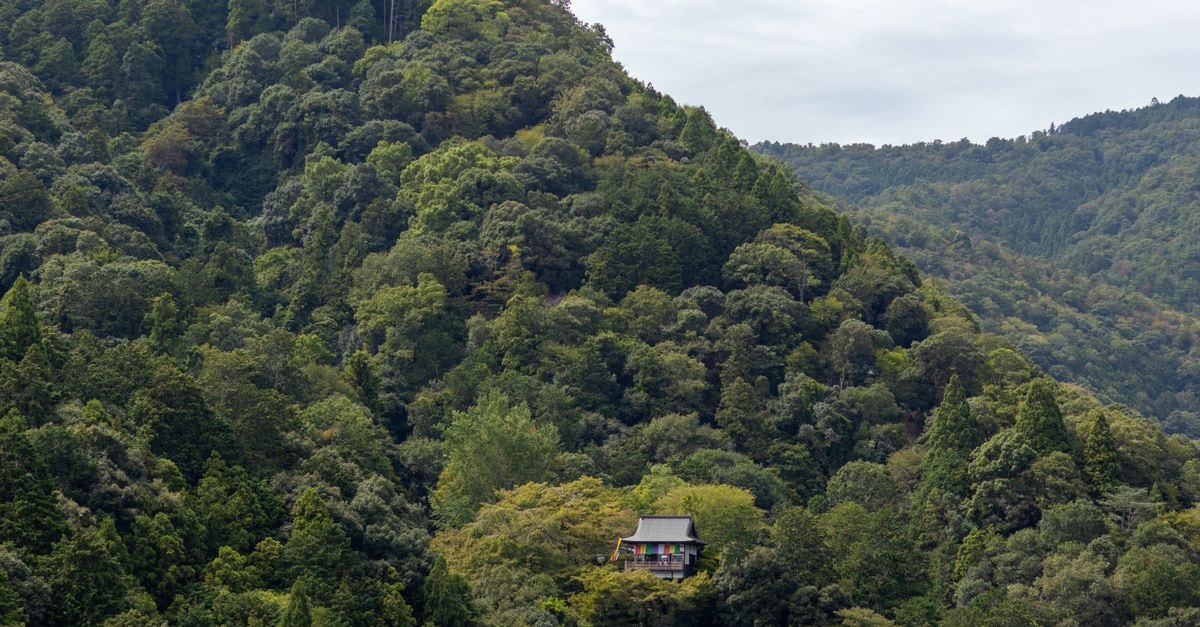
A Sacred Stay Inside World Heritage Koyasan

Tucked into the cedar-scented slopes of Koyasan, Hoon-in is a working temple that opens its doors to travelers seeking a quieter rhythm of travel. Set within a landscape recognized as a UNESCO World Heritage site, the temple offers a window into centuries of Japanese Buddhist culture, where morning rituals, seasonal vegetarian meals, and quiet gardens shape the day. The address — Hoon-in, Koya Tenkawa Line, Koyasan, Kōya, 648-0211, Japan — places it firmly on the sacred mountain map of Wakayama, surrounded by the moss-covered lanes and towering trees that define Koyasan.
The Setting on Mount Kōya
Koyasan itself is the draw, and Hoon-in sits right at the heart of the experience. The temple is documented at its mapped coordinates within the World Heritage Koyasan designation, giving travelers a sense of arrival long before they step through the gate. Independent sources describe Hoon-in as a temple located in World Heritage Koyasan, framing it within the wider story of the mountain's spiritual heritage. For visitors, this means the surrounding temples, pilgrimage trails, and ancient cedars are part of the same cultural tapestry.
Shukubo Heritage and Shojin Cuisine
The temple carries the shukubo tradition — a centuries-old practice of welcoming pilgrims and travelers into monastic lodgings. Hoon-in continues this hospitality today, with one especially compelling feature: traditional Shojin dishes prepared in the ancient post-shukubo style. Shojin ryori is the plant-based cuisine born from Buddhist principles, where every ingredient reflects seasonality and mindful preparation. Dining here is not simply a meal but a continuation of the temple's living history, a thread that connects modern guests to the same flavors once shared by monks on the mountain.
Culture, Ritual, and Reflection
A stay at Hoon-in is shaped by Japanese Buddhist culture, where accommodations are designed for stillness rather than spectacle. Independent sources describe the experience as an immersion in traditional settings and unique spiritual activities, allowing guests to participate — at their own pace — in the rhythms of temple life. The atmosphere is contemplative, suited to travelers who want to slow down, observe, and absorb.
Practical Considerations
Hoon-in is reached via Koyasan in Wakayama Prefecture, with its address on the Koya Tenkawa Line serving as the orientation point. Because details such as meal times, ritual schedules, and guest arrangements can shift with the temple calendar, travelers should confirm current arrangements when planning. As a living religious site rather than a conventional hotel, expectations are best set around cultural respect, quiet hours, and a willingness to follow the temple's daily rhythm.
Why Hoon-in Stands Out
What makes Hoon-in distinctive is the combination of its World Heritage location and its commitment to the post-shukubo culinary lineage. Few places offer the chance to sleep within a sacred mountain complex and to eat Shojin dishes prepared in a style preserved specifically by temples like Hoon-in. For travelers drawn to cultural depth over urban polish, the temple represents an authentic thread into Koyasan's enduring story.
Share this article
Place data: Geoapify and OpenStreetMap contributors.