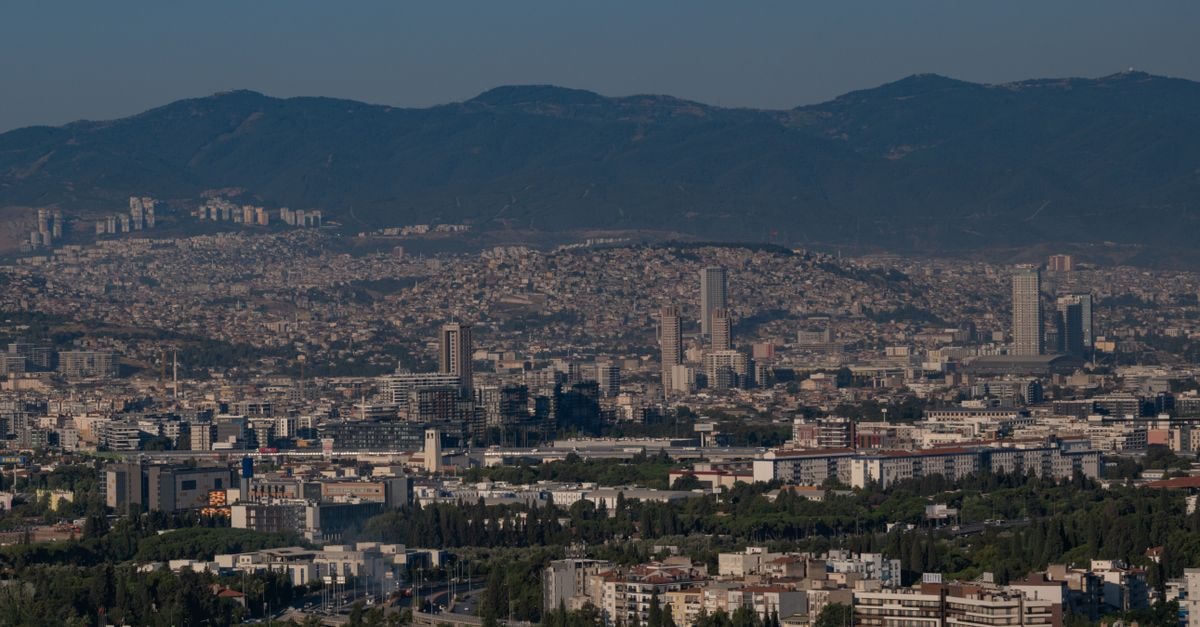
Athens in July at a Glance

Athens is one of Europe's oldest continuously inhabited capitals, with more than 5,000 years of visible history wrapped around a modern Mediterranean city. The Acropolis, the Acropolis Museum, the Ancient Agora, and the National Archaeological Museum sit in a compact central core that is walkable from almost any centrally located hotel. July is the city's peak tourist month: the hottest, the most crowded, and the most expensive time to visit. Travelers who know this going in — and plan their days around the heat — can still have an excellent trip. Travelers who arrive expecting spring-like weather will struggle.
July Weather and the Heat Reality
July is the hottest month in Athens. Daily highs average around 33°C, with lows in the low 20s. Rainfall is minimal — roughly 6 mm across the whole month — and the city sees around 12 sunshine hours per day. Sea temperature near the coast sits around 26°C, which is useful if you want to add a beach day.
The bigger concern is heatwaves. Heatwaves exceeding 40°C do occur in July and August, and the urban basin — surrounded by mountains and full of heat-absorbing concrete — amplifies temperatures. Greek news outlets reported on July 17, 2026 that Greece's first summer heatwave was set to begin that weekend, with Attica forecast to exceed 38°C on Sunday and approach 40°C on Monday and Tuesday before easing. During peak heat in recent summers, authorities have temporarily closed the Acropolis during the hottest hours to protect visitors and staff.
Practical advice for July:
- Plan outdoor sightseeing for before 11:00 and after 18:00. - Treat the 13:00–17:00 window as a retreat period — air-conditioned museums or shaded cafés work well. - Carry water, wear a hat, and don't underestimate the sun at open sites like the Acropolis, which has little shade. - If a heatwave is forecast during your trip, build flexibility into your itinerary so you can swap outdoor days for indoor ones.
Getting There and Getting Around
Athens International Airport (Eleftherios Venizelos) is connected to the city by metro and express bus. The metro (Line 3) runs directly to Syntagma Square and the city center, with a one-way fare of €9. The Airport Express Bus also serves Syntagma, Piraeus, and the intercity bus stations, with a one-way fare of €5.50 according to the OASA operator.
Inside the city, the OASA network (metro, tram, trolleybus, and bus) is the most efficient option. A public transport ticket costs €1.20 and is valid for 90 minutes across all urban transport. For short stays, the 24-hour ticket is €4.10. A 3-day Tourist Ticket covers unlimited urban travel plus one ride to and one ride from the airport on the express buses or metro. A 5-day ticket covers unlimited urban travel but excludes airport transfers. OASA also accepts contactless bank cards (including Apple Pay and Google Pay) on the metro, tram, trolley, and bus for these products, so you can skip the ticket line.
Taxis are widely available. Make sure the meter is running — "1" indicates standard daytime rates, "2" indicates double rates from midnight to 6 a.m. Avoid unmarked cars; use official yellow taxis or a ride-hailing app.
Things to Do in July
The Acropolis is the centerpiece — the Parthenon, the Propylaea, and the Temple of Athena on a hilltop UNESCO site overlooking the city. Pair it with the Acropolis Museum at the foot of the hill, the National Archaeological Museum (one of the world's largest collections of ancient Greek artifacts), and the Ancient Agora for context. For a quieter view of the city, hike (or take the funicular up) Mount Lycabettus, the highest point in central Athens.
July 2026 has a busy cultural calendar:
- **Athens Open WTA 250** tennis tournament, 13–19 July 2026. - **AEF2026: The Oranges of Palaia Epidaurus**, 17–18 July 2026. - **City of Athens "Summer in Athens 2026" Performances and Music**, running 20 June – 20 July 2026. - **Godsmack at the Lycabettus Theatre**, 23 July 2026. - **Park Your Cinema 2026**, outdoor film screenings 3 July – 21 August 2026. - **Park Your Cinema Kids 2026**, 4 July – 22 August 2026. - **Unseen Museum: The 'Flagellated' Satyr** at the Acropolis Museum, 9 June – 24 August 2026. - **Grand Tour at the Benaki Museum**, running through 25 August 2026.
Tickets for outdoor concerts and the tennis are likely to sell out; book them well in advance.
Tickets, Sites, and Queue Planning
July is peak demand for major sites. Current admissions:
- Acropolis: €20 (or €30 for a 5-day combined ticket that includes several other archaeological sites). - Acropolis Museum: €15 in summer. - National Archaeological Museum: €12 in summer. - Lycabettus funicular: €10 return, €7 one-way.
The Acropolis opens at 8:00. In July, visiting after 11:00 is genuinely uncomfortable because there is almost no shade on the hill. The Acropolis Museum and National Archaeological Museum are air-conditioned and make ideal midday refuges when temperatures peak. Timed entry tickets are recommended for the Acropolis and the Acropolis Museum during summer weekends — both have been known to reach capacity.
For Lycabettus concerts, book early and check the venue's official site for seat maps; shows like the Godsmack concert on 23 July 2026 are one-off events with limited capacity.
Where to Stay and Booking Pressure
July is the most expensive month for accommodation in Athens, so book early if your dates are fixed. The central neighborhoods of Plaka, Monastiraki, and Syntagma put you within walking distance of most major sights and the metro. Koukaki, next to the Acropolis Museum and the pedestrian walkway linking the city's ancient monuments, is fashionable and well-connected. Kolonaki is more upscale and leafy; Psiri is grittier with a strong food and bar scene.
For travelers catching an early ferry from Piraeus, staying near the port the night before saves time. For travelers with a late-night airport arrival or early departure the next morning, the airport's Sofitel is a stress-free option. Families and longer-stay visitors often prefer apartment rentals in central neighborhoods, which give more space and a kitchen.
Food: What and Where to Eat in Athens
Athens has a serious food scene beyond the tourist tavernas around Plaka. Local neighborhoods matter: the historical-commercial triangle of Syntagma–Omonoia–Monastiraki mixes old markets with newer bistros; Petralona, Thissio, and the side streets near the Acropolis are good for a meal with a view; the Athenian Riviera and Piraeus are the spots for fresh fish and seafood; and Cape Sounio (Poseidon's Temple) is a classic sunset-and-meze destination.
For specific street food and pantry stops:
- **Tylixto Greek Wrap** (Aiolou 19, central Athens) for gyros with spicy and vegetarian options. - **Lórda** (Spirou Trikoupi 3, Exarchia) for grilled souvlaki skewers — pair with a cold Mythos or Fix. - **Diḗrēs**, near the Athens Central Market (Varvakios), for extra-virgin olive oil pressed from Attican olives; the freshest stock is in October–November, but you can taste and buy year-round. - **Melira Honey** (Ripidou 50) for locally produced honeys, including thyme honey with a strong antibacterial reputation.
Classic dishes to look for on menus: moussaka (layered eggplant and minced lamb with béchamel), souvlaki (grilled meat skewers), spanakopita (spinach and feta pie), and a long spread of meze — small plates of dips, cheeses, olives, and grilled vegetables. The Central Market (Varvakios) is worth a wander even if you don't buy anything — the butchers, fishmongers, and produce stalls are a slice of daily Athenian life.
Safety, Costs, and Money
Athens is generally safe, but pickpockets are active in crowded tourist areas (the Acropolis, Monastiraki) and on public transport at peak hours. Keep valuables in front of you, use a zipped crossbody bag, and avoid leaving phones in back pockets.
Tap water in Athens is safe to drink. The pan-European emergency number is 112 for medical, police, and fire services.
Greece uses the euro (€). Currency exchange is widely available at the airport, banks, and hotels; rates are competitive but always compare the published rate to the mid-market rate. Many shops and restaurants accept cards, but smaller tavernas, street-food vendors, and market stalls often prefer cash, so carry some euros for incidentals. Note that published exchange rates move constantly — treat any rate you see as a reference only and check the live rate before exchanging.
Travel costs in July are at peak: hotels in central neighborhoods are at their highest rates, and restaurant prices near major sights can be inflated. Two easy ways to keep costs in check are to eat where locals eat (a few streets back from the Acropolis) and to use the public transport day passes rather than taxis for sightseeing days.
A Final Note
Athens in July rewards travelers who take the heat seriously. Start early, hydrate often, and use the air-conditioned museums as midday retreats. Book Acropolis tickets, concerts, and hotels well in advance, and keep an eye on the weather forecast — heatwaves during this period are common, and the Acropolis has been closed during peak temperatures in recent summers. Factual conditions, prices, and event schedules can change; always confirm with official channels (the OASA site for transport, the Acropolis and museum sites for tickets, and event organizers for concerts) before you travel.
Share this article
TOOLS FOR THIS PLAN
Make the Athens plan measurable
Choose a tool only when it answers the next question in your trip. Your values stay in the browser, and each tool offers a route back to this planning context.