Introduction

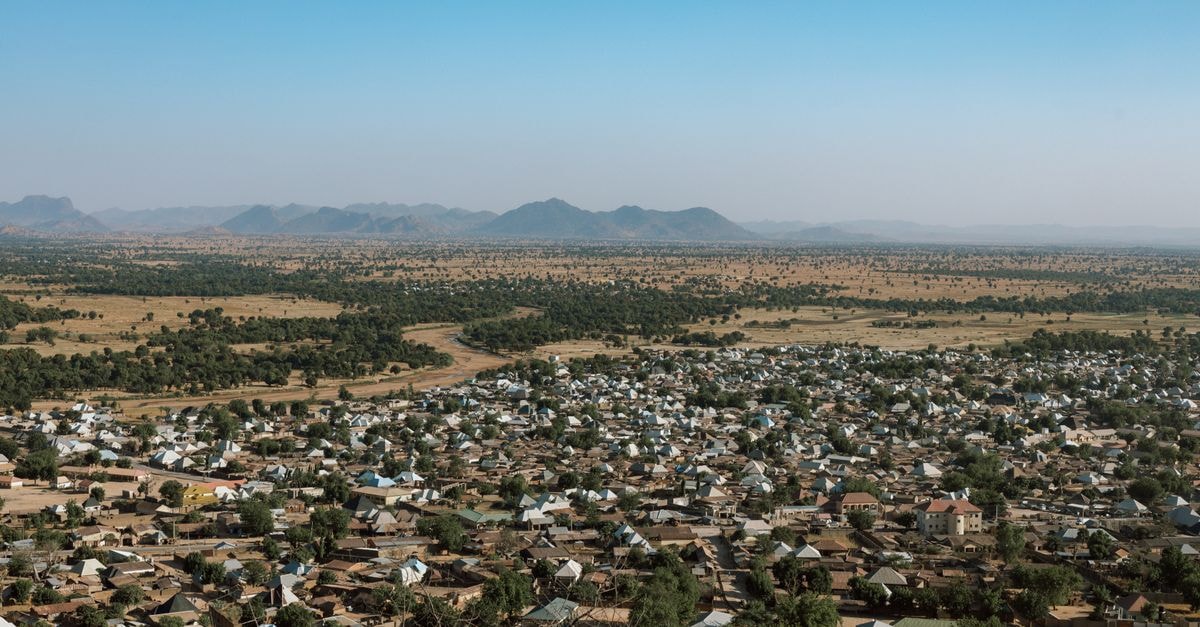
Ati sits in the heart of the Batha Region of central Chad, a place that rarely features on mainstream itineraries but rewards travelers drawn to quiet Sahelian landscapes and unhurried regional life. It is the kind of small, sun-bleached administrative town where the rhythm of daily errands, livestock markets and the call to prayer shape the day, and where a visitor's curiosity counts for more than a guidebook checklist.
This guide focuses on the practical side of visiting Ati with care: how the climate tends to behave, what the transport picture actually looks like on the ground, and which nearby natural feature is most worth planning around. Because the area sees relatively few independent travelers, expectations should be calibrated accordingly. Treat the notes below as a starting point, then confirm the details that matter most to your trip through official and local channels before departure.
Weather and seasonal context
Ati follows a classic Sahelian climate pattern, with a long dry stretch and a shorter rainy season. The period just before the rains tends to bring the most intense heat, while the window from November through February is generally described as the more comfortable time to travel, with milder temperatures and more reliable conditions on the ground. Because rainfall can affect road quality and daily movement in this part of Chad, that cooler, drier window is often the easier one for visitors to plan around.
If you are choosing when to go, aim for the cooler months rather than the peak of the hot, pre-rainy stretch. Travelers sensitive to heat should plan lighter activity for the middle of the day and lean toward early mornings and late afternoons when the air is more forgiving.
Getting around
Ati's transport picture is shaped by its geography in central Chad. There is no passenger rail service in the country, so traveling to or from Ati by train is simply not an option; rail travel is not a route to or through the town. Reaching Ati therefore means road travel by bush taxi or similar regional vehicle, typically from larger hubs such as N'Djamena, and your experience will depend heavily on the condition of the roads and the season.
Local transport infrastructure is limited. The road network around Ati is rudimentary and air connectivity is minimal, so visitors should expect a journey that is longer and more hands-on than they might be used to elsewhere. Build in generous buffers between connections, carry water and basic supplies for the road, and confirm current road and security conditions locally before setting out, since broader regional instability in the Sahel has, at times in the past, affected travel conditions in parts of central Chad through indirect pressures such as refugee movements and heightened security concerns. That does not describe a permanent crisis in Ati itself, but it is a reminder that flexibility and good local advice matter here more than a fixed schedule.
For moving around Ati once you have arrived, plan to rely on walking, motorbike taxis or hired vehicles. Signage is minimal, landmarks such as the central market or the regional administrative buildings tend to serve as the practical reference points, and asking locals for directions is part of the normal flow of getting around.
If you prefer a destination with smoother logistics and more developed transport options, you may want to reconsider whether central Chad fits your travel style right now. A traveler who enjoys slow, self-directed trips and is comfortable with simple infrastructure, on the other hand, will find that the limited transport network is part of Ati's character rather than a barrier.
Attractions and planning
The headline natural draw near Ati is Binga Falls, a striking waterfall set in lush surroundings that offers a refreshing contrast to the surrounding Sahelian terrain. The falls are framed by natural scenery that lends itself to photography, gentle walks and quiet picnic spots along the water, and they are widely described as a must-see for visitors who want to experience the natural beauty of Chad beyond the usual stopovers.
Plan a relaxed half-day or full day around the falls rather than treating them as a quick photo stop. The setting rewards unhurried exploration, so bring time for a slow walk, a calm picnic and the kind of lingering that is hard to do when you are racing between sights. Wear footwear suited to uneven, possibly slippery ground near the water, and carry out anything you bring in, since waste management infrastructure in this part of Chad is limited.
If you are drawn to nature and photography, Binga Falls may suit you very well. If your travel priorities lean more toward structured museums, urban sightseeing or highly developed visitor infrastructure, you may want to weigh that against the simpler offerings of the Batha Region before committing to the trip.
Choosing what fits your trip
Ati works best for travelers who are genuinely curious about central Chad, comfortable with basic infrastructure, and happy to let the landscape and local rhythm set the pace. The cooler, drier window is the easiest to travel in, the road journey in will be long but manageable with realistic expectations, and Binga Falls is the clear centerpiece for nature-focused time in the area. If that profile matches how you like to travel, Ati can be a quietly rewarding stop; if you are looking for a destination with more developed transport, services and sightseeing variety, you may prefer to pair Ati with broader time elsewhere in Chad rather than treating it as a standalone trip.
Before you go
Conditions in Ati and the wider Batha Region can change quickly, from road conditions after rainfall to local security assessments. Before departure, check current travel advisories from your government, confirm road and security conditions with contacts on the ground, and verify any entry requirements for Chad. Treat the guidance above as a durable framework, then layer in up-to-date local knowledge for the specific dates of your trip.
Prices, opening hours, schedules, reservation rules, and local conditions can change; verify them through official channels before departure.
Share this article
TOOLS FOR THIS PLAN
Make the Ati plan measurable
Choose a tool only when it answers the next question in your trip. Your values stay in the browser, and each tool offers a route back to this planning context.