A first look at Aveiro

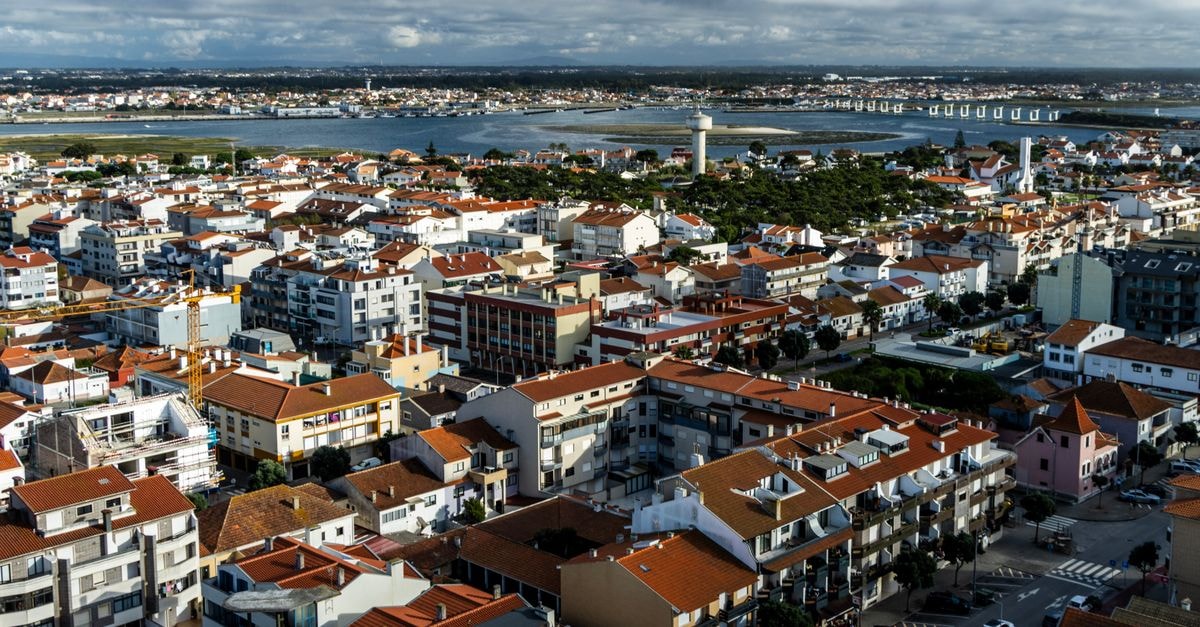
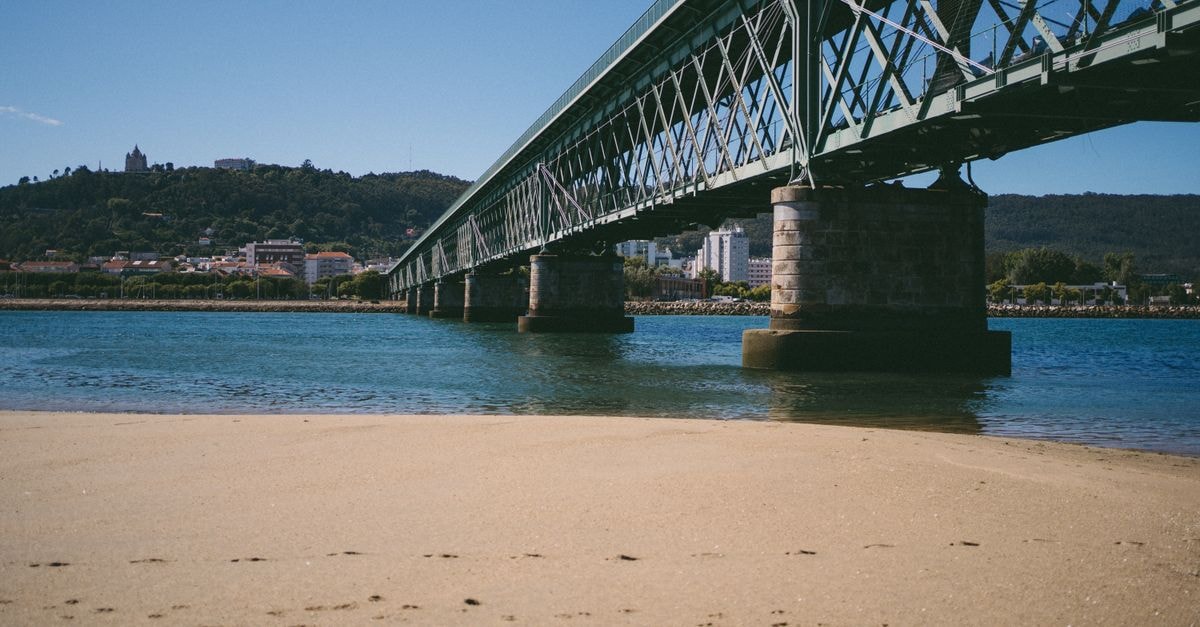
There is something quietly magnetic about Aveiro, a small Portuguese city wrapped around water. The defining feature is the Ria de Aveiro, a broad lagoon that meets the Atlantic, and the three channels of the Ria that reach into the city itself. Those channels split the urban fabric into clear reference lines, creating a natural division between the oldest neighbourhoods and the newer ones (F2-1). The result is a compact, walkable core where reflections of pastel façades and painted boats seem to follow you from one street to the next.
Because the city is both next to the sea and to the lagoon, the light has that soft coastal quality, and movement feels unhurried. Travellers who enjoy harbour towns and slow waterfront promenades may feel especially at home here, while visitors who want to cover a lot of ground on foot can still move easily between sights. The language you will hear most often on the streets is Portuguese (F6-2), so a few useful phrases can go a long way.
Getting around and reading the canals
Aveiro is best understood as a city of water, and the easiest way to start is by following the channels rather than a map. The Ria sends three channels into the city, and those waterways act as orientation lines, naturally dividing the older quarters from the newer ones (F2-1). For visitors, the most rewarding route is a self-paced wander along the canal banks, dipping into side streets as something catches your eye. An Accessible Itinerary linking several points of interest is suggested for travellers who want a structured path through the city (F2-2), and it can be a useful starting point if you prefer to move with a clear plan rather than improvise.
The most photographed feature of the canals is the moliceiro. These slim, colourful vessels used to be used to collect algae and seaweed, and today they are used for sightseeing trips through the channel network (F4-2). Gliding past waterfront façades on a moliceiro offers a different perspective than walking, and the experience often feels closer to drifting than commuting (F5-1). For travellers who enjoy slow, scenic transport over faster point-to-point options, the moliceiros can be a highlight rather than a checkbox.
Where to wander in the city centre
The channel network is the spine of the city, but the streets on either side hold their own rewards. The split between older and newer neighbourhoods, shaped by the three channels of the Ria, means you can walk from quiet, tile-fronted squares to more open, modern avenues without ever losing sight of water (F2-1). Because the geography is so legible, it is hard to feel disoriented for long.
A practical way to spend a first day is to follow the Accessible Itinerary through several points of interest (F2-2), then return on foot to the spots that pulled you in. Travellers who prefer to linger over one neighbourhood rather than tick off a list may enjoy anchoring themselves near one channel and exploring outward, returning to the same café or viewpoint at different times of day.
If you have a soft spot for colourful seaside architecture, the nearby Costa Nova is famous for its picturesque striped houses, called palheiros, that line the beach, and it is reached with a short trip from the city centre (F5-2). That pairing, water in town and stripes by the shore, captures two sides of the same lagoon in a single outing.
Food and local context
Aveiro's food culture is rooted in the lagoon and the Atlantic. The Mercado do Peixe, or Fish Market, is a must-visit for anyone curious about the seafood the region is known for, and it is a lively place to read the rhythm of local life before sitting down to eat (F7-1). Markets like this often tell you more about a place than any guidebook, a feeling many visitors share about Portugal's food culture more broadly (F9-1).
Beyond Aveiro itself, Portuguese food is one of the best ways into the country, with markets, street stalls and family-run restaurants offering a layered introduction to local habits (F9-1). Visitors who like to eat by instinct, choosing whatever looks best at the market rather than ordering from a pre-planned list, will find Aveiro's waterfront particularly rewarding.
Festivals and the rhythm of the year
Food and festivals are closely linked in Aveiro, and local celebrations tend to centre on the cuisines the city is known for (F7-2). Without naming specific dates or editions, it is fair to say that visiting during a local festival can add an extra layer of colour, music and street cooking to an already festive-looking city. Travellers who prefer a quieter pace may want to check the calendar before booking, while those who enjoy stumbling into a town gathering tend to welcome the spontaneity.
Choosing what fits your trip
Aveiro suits travellers who are happy to let water set the pace. If you enjoy slow canal transport and harbour scenery, build time around a moliceiro ride and a long walk along the channels (F4-1, F4-2). If you would rather anchor yourself in a single neighbourhood and explore outward, the canal-based layout of the city makes that easy to do without missing the highlights (F2-1). Travellers with a soft spot for striped seaside architecture may want to leave room for a short side trip to Costa Nova's palheiros, just a short trip from the city centre (F5-2). For food-led visitors, the Mercado do Peixe and the wider Portuguese table offer a layered way into local life without needing a fixed plan (F7-1, F9-1).
A note before you go
Factual travel conditions can change over time, from boat timetables and market opening hours to festival dates and local services, so it is always worth checking official channels close to your visit before making final plans.
Share this article
TOOLS FOR THIS PLAN
Make the Aveiro plan measurable
Choose a tool only when it answers the next question in your trip. Your values stay in the browser, and each tool offers a route back to this planning context.