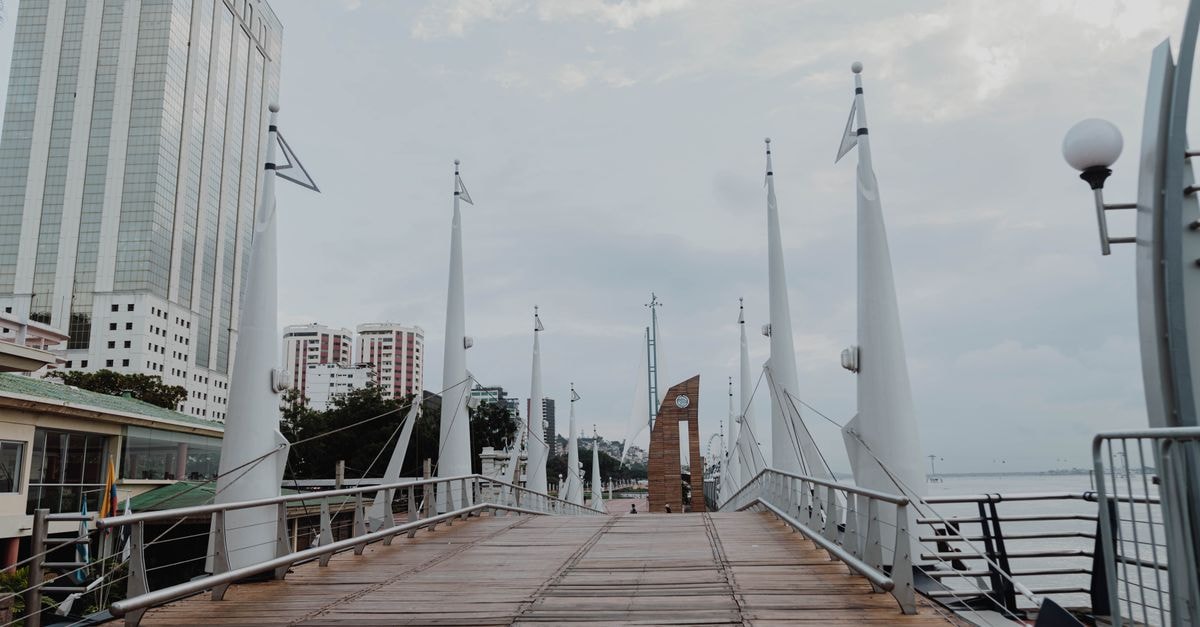
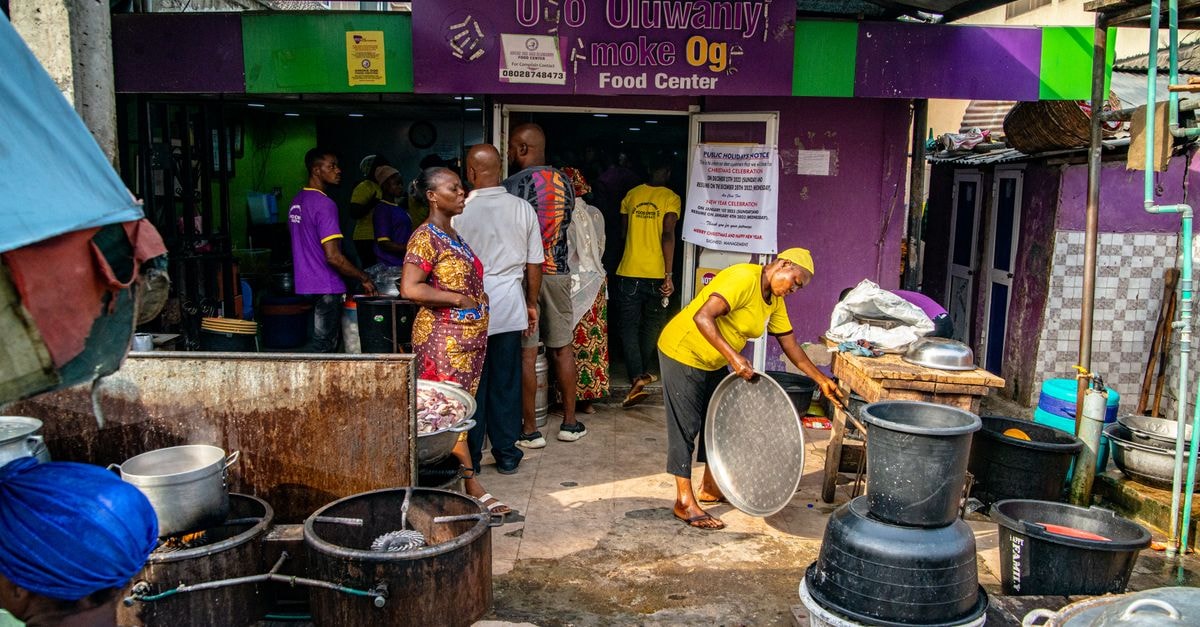
A grounded welcome to Awka

Awka is the capital of Anambra State in southeastern Nigeria, a city that sits at the meeting point of Igbo heritage and modern urban life. Travellers who enjoy getting a feel for a place beyond its headline attractions tend to appreciate what Awka offers: busy junctions, university energy, and a sense of daily life that moves at its own pace. This guide pulls together only the details the public record supports, so you can plan a stop here with realistic expectations rather than inflated promises.
Because the approved sources for this destination are intentionally light, the guide leans on careful framing rather than invented specifics. Where a topic — restaurants, exact opening hours, current ticket prices, named day trips — cannot be confirmed from the available evidence, it is simply left for you to verify rather than guessed at. Treat every note below as a starting point for your own planning.
Weather and seasonal context
The public sources used for this guide do not include a direct weather reading for Awka in any specific month, so the safest framing is durable rather than date-bound. As a southeastern Nigerian city, Awka generally sits within a tropical climate belt where rain and warmth shape much of the year, and daytime humidity can be noticeable to visitors arriving from drier regions.
That broad context matters less for what to pack and more for how you pace a day. If you are sensitive to humidity, consider scheduling outdoor time for the cooler early-morning window and building in rest or a shaded break around midday. Travellers who are used to equatorial conditions may find Awka comfortable throughout a typical day, but anyone unaccustomed to the climate should treat the first day as a settling-in period rather than a packed schedule.
No source consulted offers a verified month-specific forecast or rainfall figure for the city, so anything more precise — a daily high, a rainy-season probability, a specific temperature — should be checked with a current forecast before you travel.
Getting around
Approved guidance on movement through Awka is limited, but a few practical anchors do exist. A referenced city itinerary notes that routes can be personalised to take you from point A to point B to point C, suggesting that a flexible, stop-by-stop plan is more useful than a rigid sightseeing list. That same itinerary context references a property described as 1 km from the city centre, which gives a useful sense of scale: the central area is compact enough that short-distance moves are a natural part of any visit.
A referenced city-context source lists Awka departure points including Unizik Junction, Amawbia Park, and the Eke Awka market area. These names are useful orientation points rather than confirmed transport terminals, but they map onto how people actually move through the city: major junctions and market areas are where shared transport, motorbike taxis, and informal transport hubs typically cluster. If you are arranging onward travel or simply navigating within Awka, these landmarks are sensible places to ask directions and compare options.
No source consulted confirms specific bus routes, fixed ticket prices, ride-hailing coverage, or driving conventions for Awka, so any decision about hiring a car, using a particular app, or booking intercity transport should be verified locally before you commit.
Attractions and planning
The approved attractions source lists Awka under a general "Places to visit in Awka" heading but does not specify which individual sites belong to that list in the city itself. The accompanying examples shown in the source — a Sepilok Orang Utan experience and a Sandakan-based nature tour — are clearly tied to a different region entirely and cannot be carried over as Awka activities. This is a useful reminder that search-result style listings sometimes mix neighbouring or unrelated destinations, and that a careful traveller should rely on city-specific confirmation rather than the title alone.
What this means in practice: the public record consulted here supports the existence of a curated attractions page for Awka, but it does not yet support a verified list of named sites, entry fees, or opening hours. If sightseeing is central to your trip, the responsible step is to ask locally, check a current tourism page for Anambra State, or speak with your accommodation about what is currently open and worth your time. Pages that mention specific ticket figures or guarantees should be treated as leads to verify, not as confirmed plans.
For visitors who prefer to plan loosely, this is honestly good news: a city without a fixed sightseeing checklist is a city where neighbourhood walks, market visits, and people-watching become part of the experience rather than filler between attractions.
Food and local context
No approved source documents a specific Awka dish, restaurant, or food market, so city-level food recommendations cannot be drawn from the evidence available here. What the ledger does support is broader Nigerian context that visitors may encounter while spending time in Awka or anywhere else in the country.
Nigerian eating customs are often centred around communal meals, with food served from large shared dishes and typically eaten with the hands. This is a useful piece of cultural framing rather than a city-specific tip: it tells you how meals are often experienced socially, and it gives a thoughtful visitor a respectful default when joining a meal with locals or at a shared venue. If hand-eating is unfamiliar to you, watch how others at the table approach the dish before joining in; it is usually appreciated when guests take the customs seriously rather than defaulting to cutlery without asking.
A separate nationwide context entry confirms a range of standard national details — the official name, the capital (Abuja), and a population figure — which are useful for grounding a visitor's general orientation without making any city-specific claim. None of these figures should be quoted as a tight description of Awka itself.
Choosing what fits your trip
Because the approved evidence for Awka is deliberately narrow, the most useful planning advice is to match your expectations to what can actually be confirmed. Travellers who enjoy a flexible, locally guided rhythm — picking up pointers from hosts, exploring by neighbourhood, and letting markets and junctions set the day's pace — may find Awka easy to enjoy with minimal advance booking. Visitors who arrive expecting a polished, ticketed sightseeing circuit, with named attractions and printed opening hours, may want to verify those specifics before they travel rather than assume them from a generic city listing.
If the Igbo cultural context is what draws you to Anambra State, treat your time in Awka as a base for grounded conversation and observation: communal meals, market life, and university-town energy are all the kind of texture the available sources can support without overstating them. If your priority is a checklist of named landmarks, the responsible move is to confirm current options through an official Anambra State tourism channel or your accommodation before relying on any list, including this one.
A note on verification
Conditions for any city — transport options, weather, opening hours, prices, and on-the-ground services — can change quickly, and the public sources used for this guide do not by themselves offer a live, current reading for Awka. Treat the points above as a careful starting framework, and confirm any checkable detail through an official channel or a trusted local contact before you travel.
Share this article
TOOLS FOR THIS PLAN
Make the Awka plan measurable
Choose a tool only when it answers the next question in your trip. Your values stay in the browser, and each tool offers a route back to this planning context.