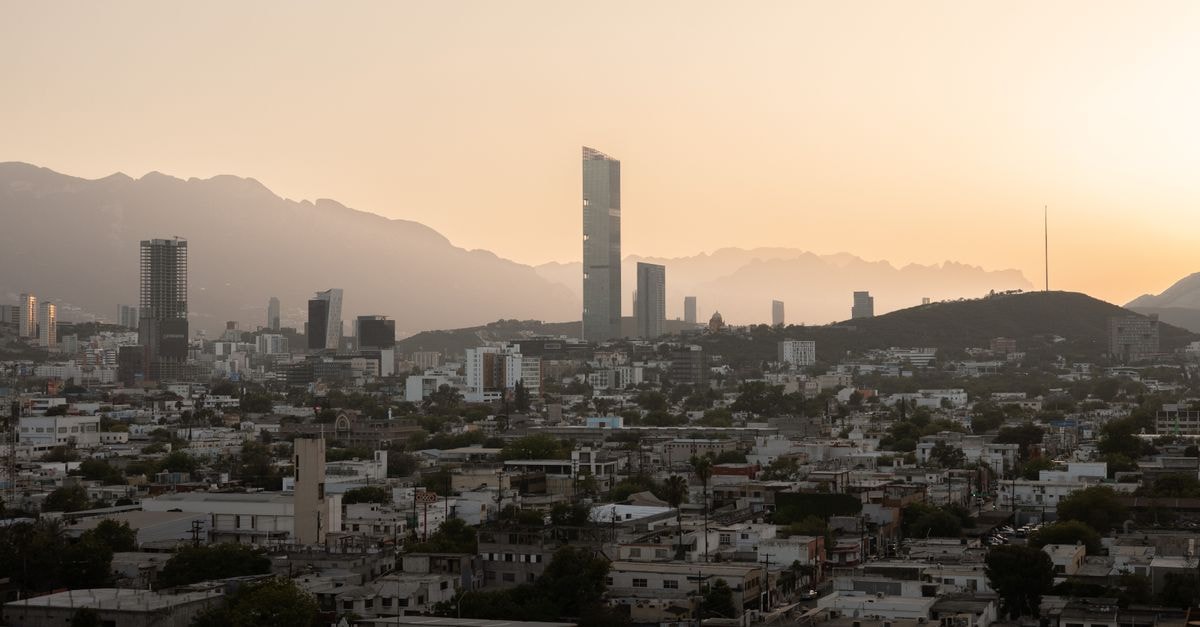
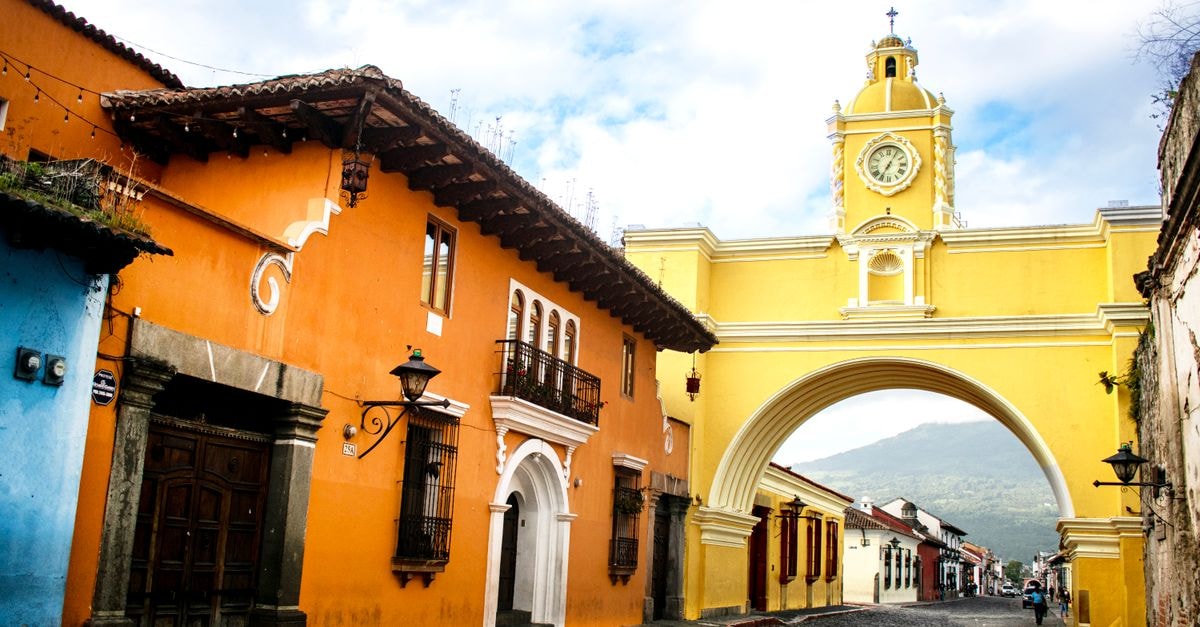
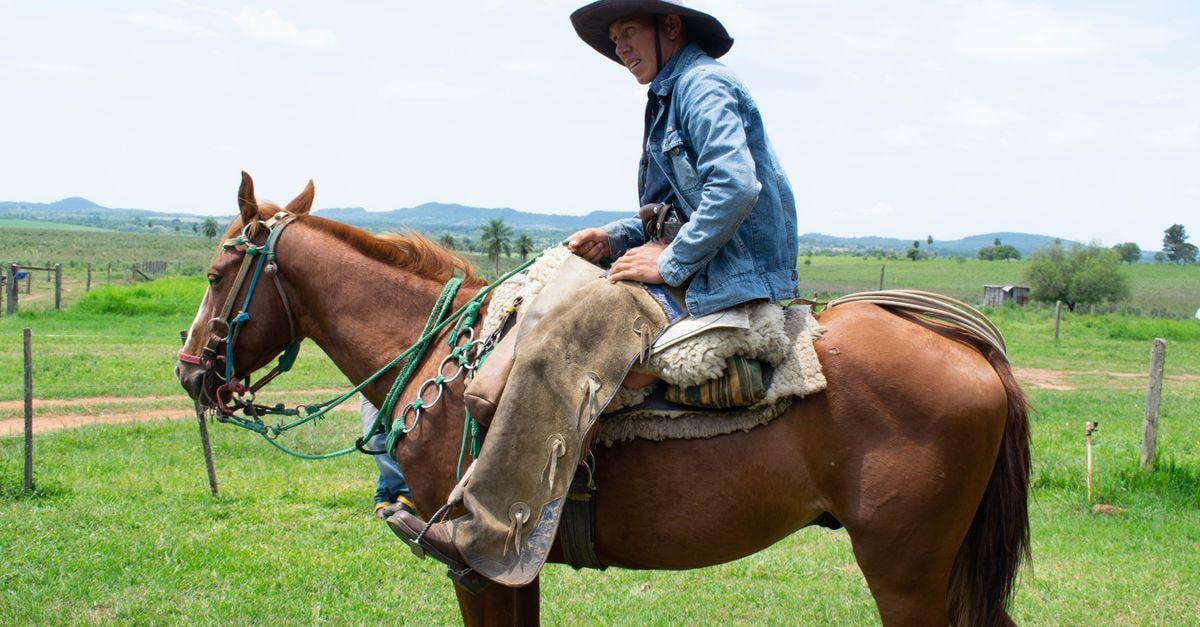
Tucked into Peru's central highlands, Ayacucho carries the quiet rhythm of a city built around plazas, stone churches, and the open sky of the sierra. It sits in the central sierra of Peru at an elevation higher than what most coastal visitors are used to, so the air is thinner than at lower altitudes. The city rewards travelers who arrive with a slower pace in mind: morning light over colonial balconies, long conversations over lunch, and an unhurried walk through streets that feel suspended between mountain and valley.
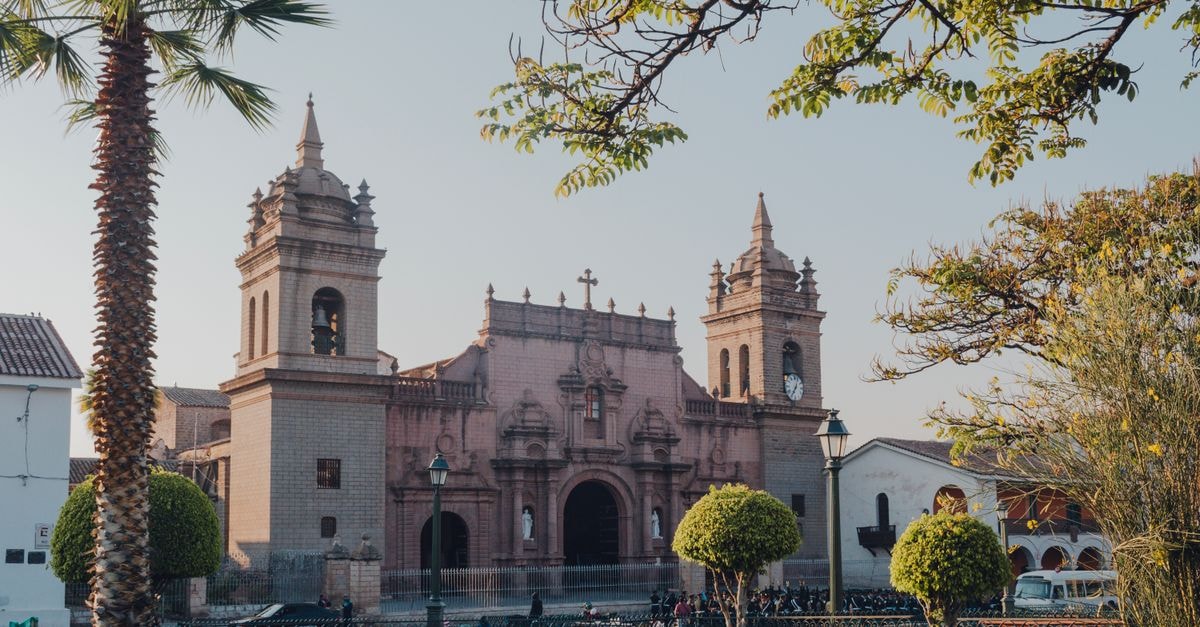
For first-time visitors, a few practical anchors help frame the trip. The city sits among a network of overland routes that connect it to Lima, Cusco, Huancayo, Huancavelica, and Ica, and the main bus terminal sits on Javier Pérez De Cuellar in Ayacucho, the gateway most travelers use when arriving by road. Understanding these distances, and how the altitude shapes the climate, makes the rest of the trip feel much easier.
Setting and altitude
Ayacucho rests in the central sierra of Peru, with higher points such as Chalcos also documented in regional reference material. For travelers coming from Lima or from sea level, that elevation is the single biggest practical adjustment of the trip. Walking uphill, climbing stairs, or even carrying a backpack can feel harder for the first day or two, and visitors who plan a more active stay may want to pace themselves accordingly. The local reference describes climate ranges across the year, with the warmest stretch running roughly from December into March and cooler, drier months following. Mornings and evenings can be cool enough for a light layer even when the midday sun feels warm, so packing layers rather than a single-season wardrobe tends to suit the city's daily rhythm. Anyone sensitive to altitude, or who plans day walks into higher surrounding terrain, may want to consider a gentler first day before tackling longer routes.
Getting to and around Ayacucho
Overland travel is the most natural way to reach Ayacucho, and the road distances from several major Peruvian cities give a useful sense of scale. The local reference describes these distances and drive times as part of how travelers typically plan the journey. From Lima, the route covers about 565 kilometers and takes roughly 7 hours by car. Cusco sits around 512 kilometers away, a longer drive at about 14 hours that reflects the winding Andean roads rather than a straight highway. From Huancayo via Ancco, the distance is about 257 kilometers and the drive takes around 7 hours. From Huancavelica via Rumichaca, travelers cover roughly 245 kilometers in about 7 hours, and from Ica, the journey is about 389 kilometers and roughly 5 hours.
These long drives reward travelers who enjoy the scenery of the Andes and who treat the road itself as part of the experience. Drivers wind through mountain valleys and small highland towns, and the rhythm of the journey tends to be slower than coastal travel. Anyone who prefers to minimize time on the road may want to weigh which entry point offers the shortest drive from their starting city, while travelers who enjoy scenic overland routes may find the longer Cusco or Ica drives especially rewarding.
Once in the city, the main bus terminal sits on Javier Pérez De Cuellar in Ayacucho, where long-distance services arrive and depart. From there, the compact historic center makes it easy to explore on foot, and most of what visitors come to see in Ayacucho is within walking distance of each other.
Choosing the right entry route
Because Ayacucho sits at the meeting point of several Andean roads, the way you arrive can shape the feel of the trip. Travelers coming from Lima or Ica are choosing the shortest routes in terms of drive time, which may suit visitors who want to spend less of their trip in transit and more time acclimatizing to the altitude. Travelers coming from Cusco or Huancavelica are accepting longer drives through the sierra, which may suit visitors who enjoy scenic mountain travel and want to arrive with a deeper sense of the surrounding landscape. Anyone who is sensitive to long, winding drives may want to reconsider the Cusco entry, where the journey can take around 14 hours, and look instead at the shorter routes from Lima, Ica, or Huancayo.
Food and the wider Peruvian context
Peru's culinary reputation is anchored strongly in Lima, which is widely described as a gastronomic capital of South America and home to internationally recognized restaurants such as Central, Maido, and Astrid y Gastón. That reputation reflects a broader national story: thousands of years of indigenous heritage blended with Spanish colonial influences and modern international innovation, which together shape what travelers encounter across the country.
Visitors to Ayacucho will find themselves inside that wider Peruvian food culture. Highland cooking in the sierra draws on the same traditions of fresh produce, slow-cooked stews, and Andean staples that define the country as a whole, even if the specific dishes and markets of any given city are best discovered on the ground. Travelers who arrive curious about the national food scene, rather than expecting a particular city specialty, tend to enjoy Ayacucho's table more fully, since the joy here is in eating what is in season locally and asking what is on the stove.
For visitors who already plan to spend time in Lima, it can be worth treating Ayacucho's meals as a quieter counterpoint to the capital's internationally ranked restaurants, rather than as a competing list. The pleasure of eating in the highlands is in the setting, the conversation, and the freshness of what is served that day.
Planning notes before you go
A few practical considerations can shape how smooth the trip feels. First, the altitude is real and worth respecting: plan a slower first day if you are arriving from sea level, drink water steadily, and avoid booking the most demanding walks before you have acclimatized. Second, because most travelers reach Ayacucho by road, the condition of your chosen route and the time of your arrival can matter; long drives ending late in the evening feel different from those that let you arrive in daylight. Third, give yourself room to explore the food scene on its own terms rather than hunting for a particular signature dish.
A few details are worth confirming closer to your trip, since conditions can shift over time. Travelers who rely on long-distance bus services may want to check current schedules and operators before they travel, especially for the longer routes from Cusco and Huancavelica. Anyone planning to use the main terminal on Javier Pérez De Cuellar may want to confirm the address and access details with their bus company in advance. For food experiences, asking locally about what is in season and what is being cooked that day is often the best guide.
Factual travel conditions can change, and official channels should always be checked before departure. This guide offers a grounded starting point, but the details of any trip come together most fully once you are on the ground.
Share this article
TOOLS FOR THIS PLAN
Make the Ayacucho plan measurable
Choose a tool only when it answers the next question in your trip. Your values stay in the browser, and each tool offers a route back to this planning context.