A city shaped by water

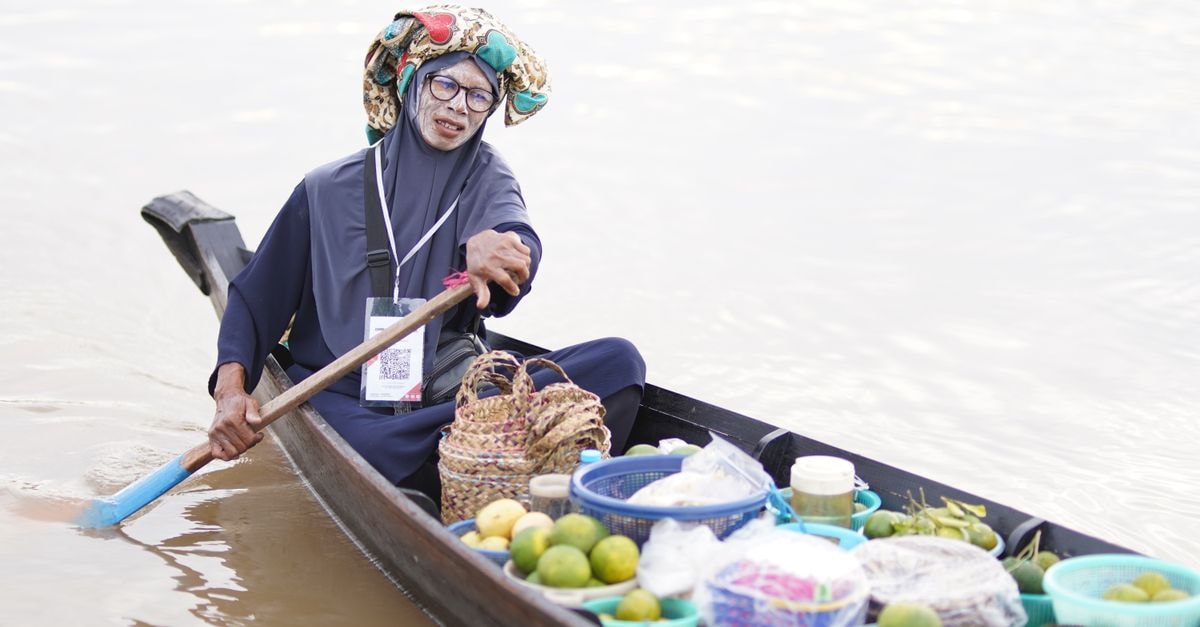
Banjarmasin, the capital of South Kalimantan, wears its waterways like a second set of streets. Long before visitors arrive, the name "City of a Thousand Rivers" hints at the rhythm travelers can expect: boats rather than backroads, stilted neighborhoods, and a marketplace culture that floats. For travelers who like destinations with a strong sense of place, Banjarmasin offers something genuinely different from Indonesia's better-known urban stops. The draw is less about skyline views and more about watching daily life bend to the river.
The city's identity is also unmistakably Banjar, a culture with its own language, cuisine, and traditions. That blend of river life and Banjar heritage gives the destination a feeling that is specific to this corner of Borneo, even for visitors who have spent time elsewhere in Indonesia.
Getting around
Banjarmasin's transport story is built around its riverine character. The waterways are not just scenic; they are woven into how the city functions, and the most authentic way to feel the place is by using its water transportation rather than treating the rivers as a backdrop. Travelers who arrive expecting a grid of metro lines or a familiar bus network should know that the experience here is different.
It is worth planning a portion of the trip around the boats. Even a short ride can change how the city reads, turning a map dotted with canals into a lived landscape of jetties, small craft, and riverbank homes. Travelers who enjoy slow, observational journeys may find this style of transport especially rewarding, while those who prefer fixed timetables and predictable routes may want to ask locally about current schedules and transfer points before setting out.
Attractions and planning
Banjarmasin's attractions revolve around its iconic river life and the deep-rooted Banjar cultural heritage that lives along its banks. Floating markets sit at the top of most wish lists, and historical sites add depth to a short stay. The mix of everyday commerce, local craft, and layered history gives the city an urban-adventure quality that feels distinct from beach-focused trips elsewhere in Indonesia.
Planning here is more about sequence than stamina. Start by mapping which rivers or districts your must-see sights sit on, then think of the water transport as the thread that links them. Travelers who like to piece a city together themselves, choosing each stop rather than following a set route, will probably enjoy this approach. Those who prefer a pre-arranged plan may want to confirm opening hours and access details with a local source before committing a full day to a particular neighborhood.
Because the appeal is spread across rivers and districts rather than clustered in a single old town, allow space between stops. Rushing from one landmark to the next works against the pace Banjarmasin seems to encourage.
Food and local context
Food is one of the most direct ways to meet Banjarmasin's Banjar culture. Traditional dishes in the city often revolve around freshwater fish and a layered use of spices that echo the region's long-standing place in the historic spice trade. For travelers who treat eating as a way to learn a place, this is one of the most rewarding threads to pull.
Wider Indonesian food culture offers useful context too. Across the country, meals often blend sweet, savory, and aromatic notes, with sambal and fresh herbs appearing on most tables. Visitors to Banjarmasin may recognize these shared touches while still finding local dishes that feel specific to Banjar kitchens.
Choosing what fits the trip
For travelers drawn to rivers and market life, Banjarmasin rewards a plan that builds the day around the water rather than around a checklist. Floating markets and river-transport rides pair naturally, while historical sites work well as quieter counterpoints between busier morning hours. Travelers who enjoy layering culture with everyday scenes, rather than separating them into different days, will probably find this city especially satisfying. Those who prefer large-scale guided bus tours or tight timed itineraries should know that the format here is more self-directed, and that asking locally about current schedules, jetty points, and opening details can make the difference between a rushed visit and a relaxed one.
A note before you go
Banjarmasin rewards travelers who arrive curious and a little flexible. River transport, floating markets, and Banjar heritage are the threads that hold the experience together, and each one deepens the others. Before traveling, verify current transport options, market operating hours, and any ticketed site access through an official or locally trusted channel, since conditions can change. With those basics confirmed, the city is the kind of place where a short stay can still leave a strong impression.
The factual details in this guide reflect widely available information about Banjarmasin and can shift over time. Readers should check official sources close to departure for the most current transport, ticketing, and access details.
Share this article
TOOLS FOR THIS PLAN
Make the Banjarmasin plan measurable
Choose a tool only when it answers the next question in your trip. Your values stay in the browser, and each tool offers a route back to this planning context.