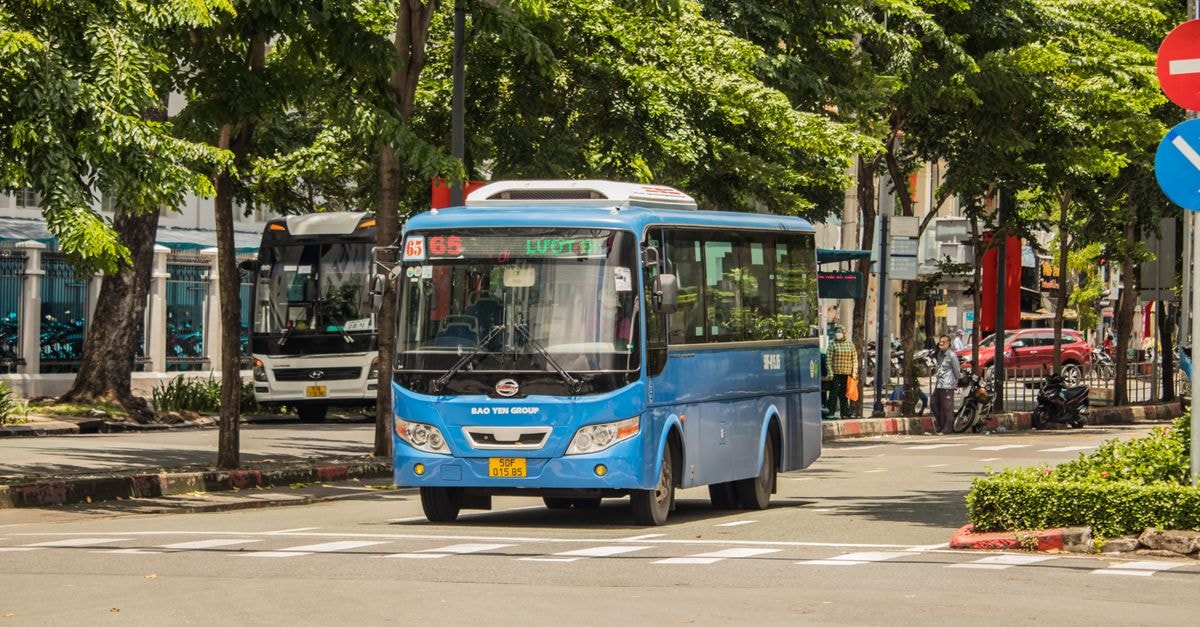
A first impression of Baoshan

What Baoshan offers the thoughtful traveler is space to settle in rather than a checklist of must-tick attractions. The climate is mild, the pace relaxed, and the reward is the kind of unhurried Yunnan encounter that rewards a few extra days. This guide walks through the practical layers that hold up a real stay: what the weather feels like across the year, how the city's transport hub is organized, and the wider dining culture visitors may find themselves stepping into.
Weather and seasonal context
Baoshan's climate is one of the quieter pleasures of visiting, and it is worth understanding before deciding how to pace a trip. The city sits in a part of Yunnan where the weather stays gentle for long stretches, with a clearly felt dry season running through the cooler months of the year and a wetter, greener stretch outside that window. In the cooler half of the year, the tourist season continues and the dry season is close to its peak, which gives a sense of just how long that dry window runs.
For a visitor, the practical implication is that weather rarely dictates the trip the way it does in harsher-climate cities. Layers are wise, but extreme heat or cold is not the central concern. Travelers who prefer clearer skies and cooler evenings tend to favor the dry stretch, while those drawn to lusher landscapes and more atmospheric mist may find the wetter months equally rewarding. Either way, Baoshan rewards a relaxed approach rather than a tightly packed daily mileage count.
Long-term climate context can help travelers plan wardrobe and daily rhythm, but it should never be treated as a real-time forecast. Conditions on the day of travel should always be checked through a current weather source before departure, since mountain-adjacent Yunnan weather can shift faster than broader regional reports suggest.
Getting around
Baoshan's transport layout is anchored by the railway station in Longyang District. Baoshan Railway Station, written in Chinese, sits within Longyang District and serves as the main point of arrival and departure for rail travelers. Local buses connect the station to other parts of the city, and the station is the natural orientation point once a visitor steps off the platform.
For travelers arriving by train, the practical takeaway is that the station itself is straightforward to navigate: it functions as a single focal hub rather than a spread of terminals. From there, onward movement into the rest of Longyang District or toward nearby towns is handled through the local bus network. Travelers who want a gentler arrival often arrange ground transport in advance, especially if coming in with luggage or arriving later in the day.
Independent travelers who like to keep plans flexible will find that Baoshan's transport feels manageable without being overwhelming. The city is sized so that a short local ride covers most of what a first-time visitor needs, while the railway station keeps longer-distance movement simple. For anyone continuing onward into deeper Yunnan, the station's position within Longyang District also makes it easy to combine a Baoshan stay with broader rail-based travel across the province.
When planning the journey itself, it is worth confirming current timetables and ticket availability through official channels closer to departure. Train schedules and bus routes can shift, especially around Chinese public holidays, and a quick check before arrival removes most friction from what is otherwise an easy transit experience.
Food and local context
Eating in Baoshan opens onto something wider than a single regional menu. Visitors here are likely to encounter the kind of food culture familiar across much of China: communal tables, shared plates, regional noodle traditions, and an emphasis on fresh ingredients. Yunnan cooking as a whole is known for mushrooms, herbs, and a confident use of chili, and travelers will taste versions of those flavors throughout the city.
The wider dining context also shapes the practical rhythm of meals. Lunches often run later than Western travelers expect, dinners stretch into the evening, and street food and small family-style restaurants form an important part of everyday eating. Markets bustle in the morning, and tea houses offer a slower counterpoint later in the day. None of this is unique to Baoshan, but it is the texture visitors will notice as they settle in.
Safety around food and daily movement is generally comfortable for travelers. Yunnan, like the rest of mainland China, is considered relatively safe, and standard awareness is usually sufficient. That said, the city's position along the border with Myanmar adds a small layer of caution: it is wise to be attentive near border crossings and in busier market areas. Common sense, awareness of personal belongings, and respect for local customs go a long way here, just as they do across most of China.
For travelers with specific dietary needs, it helps to learn a few key phrases in Mandarin or to have a translation app ready. Vegetarian and halal options exist across much of the country, but availability varies, and asking ahead is simpler than improvising on arrival. Likewise, travelers who want to try local specialties should expect the best guidance to come from asking hosts, hotel staff, or neighbors rather than from advance research alone, since smaller family restaurants rarely publish English menus.
Planning a slow Baoshan stay
The most rewarding way to experience Baoshan is to give it time. Because the city is sized for walking and short rides, a stay of several days feels generous rather than excessive, and it lets travelers settle into the rhythm of Longyang District without pressure to rush. Mornings are good for unhurried walks and market visits, afternoons for the quieter side of the city, and evenings for the food culture that comes alive after dark.
Travelers who like to combine a Baoshan stop with other parts of Yunnan will find the rail connection in Longyang District useful for onward planning. Those who prefer to dig deeper locally should expect to spend most of their time within the district itself, getting to know the streets, the food, and the everyday pace rather than racing between sights. Both approaches work well, and the choice comes down to what kind of traveler one happens to be.
A note on staying prepared
Conditions on the ground in any Chinese city can shift between planning and arrival. Train timetables, weather patterns, and the availability of certain services may change, especially around public holidays. Before departure, checking official transport channels, current weather forecasts, and any travel advisories is the simplest way to keep a Baoshan plan feeling easy rather than improvised.
For currency, travelers should note that any exchange references are only a starting point: live rates fluctuate, and the rate received will depend on the channel used. Cards and mobile payment platforms such as Alipay and WeChat Pay are widely accepted across China, but carrying some cash remains useful for smaller vendors and rural stops. A small amount of local currency set aside before arrival removes a layer of friction on the first day.
The factual basis for this guide is deliberately narrow, focusing on what survives careful checking. Where details could not be confirmed against an approved factual source, they have been left out rather than guessed. That is the trade-off of an evidence-led guide: less speculation, more confidence in what is shared.
Share this article
TOOLS FOR THIS PLAN
Make the Baoshan plan measurable
Choose a tool only when it answers the next question in your trip. Your values stay in the browser, and each tool offers a route back to this planning context.