Setting the scene in Bardhaman

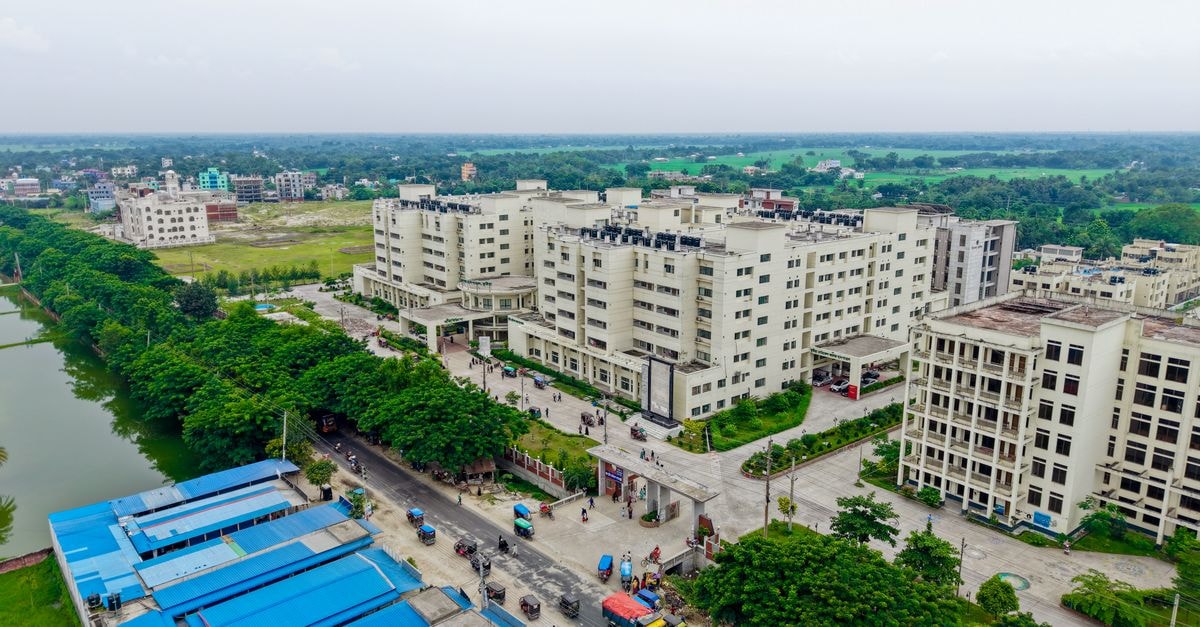
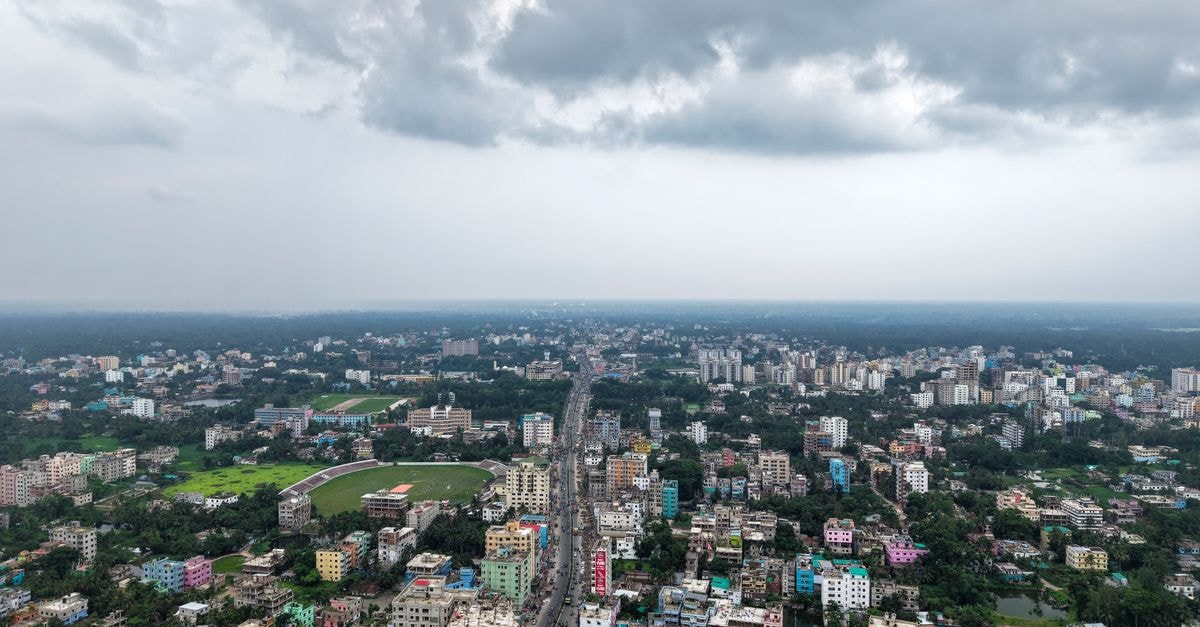
Bardhaman sits in the Burdwan region of West Bengal, a city whose identity is rooted in long history rather than the bustle of the Bay of Bengal's edge. Travellers who come here are usually drawn by the district's catalogue of historical sites and the slower rhythm of an inland Bengali town. The climate follows four basic seasons, and the area carries an old regional charm that feels distinctly different from Kolkata's busy arc, even though both belong to West Bengal. This guide sticks to what is supported: the weather patterns, the transport picture, and a couple of named historical places that anchor a Bardhaman visit.
Weather and seasonal context
Bardhaman's climate can be divided into four basic seasons, which is a useful way to think about how the city feels through the year. Summer temperatures reach a maximum of about 38°C and a minimum around 20°C, while winter temperatures settle between a maximum of about 24°C and a minimum close to 10°C. The district receives an average rainfall of around 150 millimetres, and the altitude is roughly 98 feet. Sources familiar with the region often point to the cooler half of the year, generally October to March, as the most comfortable window for visiting, though the city's appeal is not strictly seasonal and the warm months can suit travellers who prefer fewer crowds and quiet afternoons.
For a practical read, summer in Bardhaman can feel genuinely hot, especially around midday, so pacing the day with a long break indoors is often more enjoyable than pushing through the peak heat. Winter days are mild and pleasant, with cooler mornings and evenings that invite longer walks. Rainfall is modest on average, but local conditions in any given week can shift the feel of a day, so a flexible plan that leaves room for an indoor pause tends to serve visitors well.
Getting around
Bardhaman sits within a district that is reasonably well connected by air and rail, which shapes how most travellers approach the city. The Kazi Nazrul Islam airport is present within the district, giving visitors an air option without the detour into a larger metropolitan hub. For rail arrivals, the district has two major railway stations: Asansol Railway Station and Durgapur Railway Station. Both are useful reference points when planning tickets, since they are the principal rail gateways for the wider district area rather than the smaller city station alone.
Travellers who prefer rail may want to consider the Asansol and Durgapur stations as their practical touchpoints, since they are the major stations named in official district information. Visitors arriving by air will find the Kazi Nazrul Islam airport within the district itself, which simplifies the final transfer compared with landing in a more distant city. From any of these gateways, the onward journey into Bardhaman town itself tends to involve road transport, and planning arrival during daylight hours is often more comfortable in this region, particularly for first-time visitors.
Attractions and planning
Bardhaman district is famous for its historical sites, and two named places give a clear sense of what the historical thread looks like here. Ichhai Ghosher Deul, also called a tower temple or rekha-deul, is a historic site located near Gourangapur in West Bengal. Its name literally evokes a temple tower, and the rekha-deul form is a classic mode of Bengali temple architecture, which gives visitors a chance to engage with the religious and architectural history of the region in a single stop. Because it is described as historic rather than recreational, the appeal here is contemplative rather than active.
Churulia, by contrast, is the birthplace of eminent Bengali poet Kazi Nazrul Islam and the resting place of his wife Pramila Devi. For travellers interested in literary heritage and Bengali cultural history, this village offers a different kind of visit, one that connects a place to a person whose voice shaped modern Bengali letters. The two sites together reflect the dual pull of the district: religious and architectural heritage on one side, and cultural and literary memory on the other.
A reasonable way to plan around these is to treat them as day visits rather than quick stops, since the appreciation of a tower temple's silhouette and the reflective pace of a poet's birthplace both reward unhurried time. Visitors who enjoy tracing the history of temple architecture may want to give Ichhai Ghosher Deul more attention, while those drawn to Bengali poetry and cultural history will find Churulia especially meaningful.
Choosing what fits the trip
Because Bardhaman rewards a slow, historically minded visit rather than a packed checklist, the most useful choices tend to be about pacing and theme. Travellers who prefer heritage architecture can anchor their trip around Ichhai Ghosher Deul and the broader rekha-deul tradition, leaving room for slow mornings. Those drawn to literary Bengal often find Churulia the emotional centre of the journey, with the poet's birthplace and his wife's resting place giving the day a clear focus. Visitors who arrive by air at Kazi Nazrul Islam airport or by rail at Asansol or Durgapur can shape their route around which gateway feels most convenient, and a winter visit will typically suit those who dislike heat, while a summer visit can appeal to travellers seeking quieter streets. None of these choices is obligatory, and the city's historical character accommodates a range of interests.
A quick verification note
The approved facts used here cover Bardhaman's general climate and seasons, the named air and rail gateways in the district, and two specific historical places. Opening hours, ticket arrangements, and current visitor access at these sites are not stated in the supported sources, so it is worth checking official district channels or on-the-ground guidance before relying on access details. Factual travel conditions can change, and official channels should be checked before departure.
Share this article
TOOLS FOR THIS PLAN
Make the Bardhaman plan measurable
Choose a tool only when it answers the next question in your trip. Your values stay in the browser, and each tool offers a route back to this planning context.