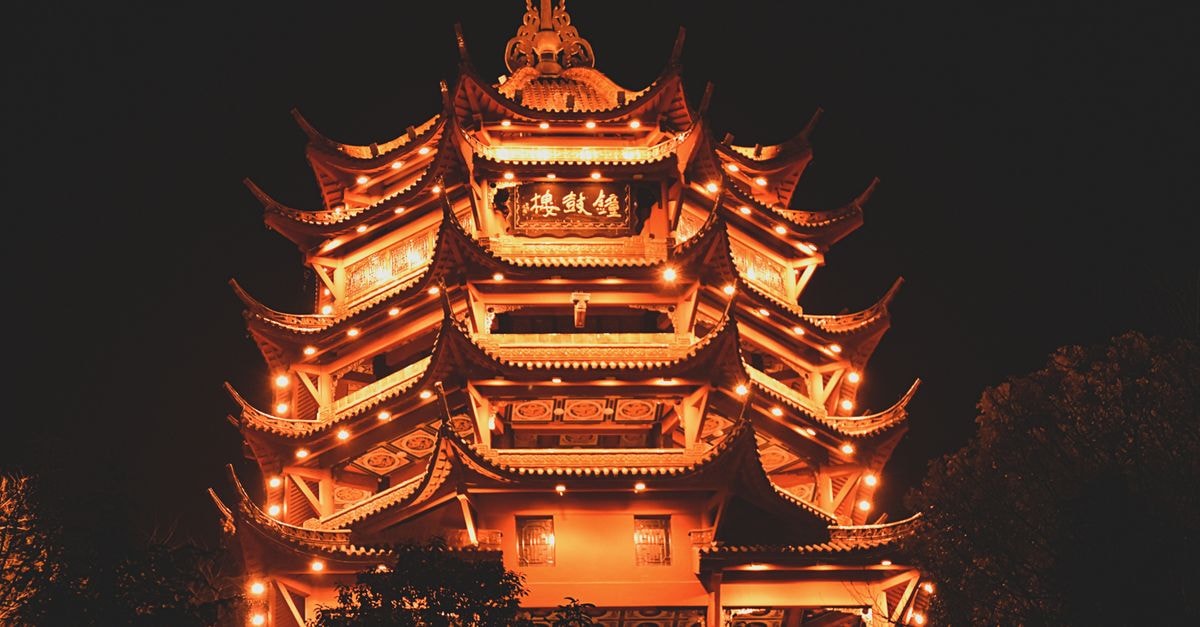
A mountain gateway steeped in two very different pasts

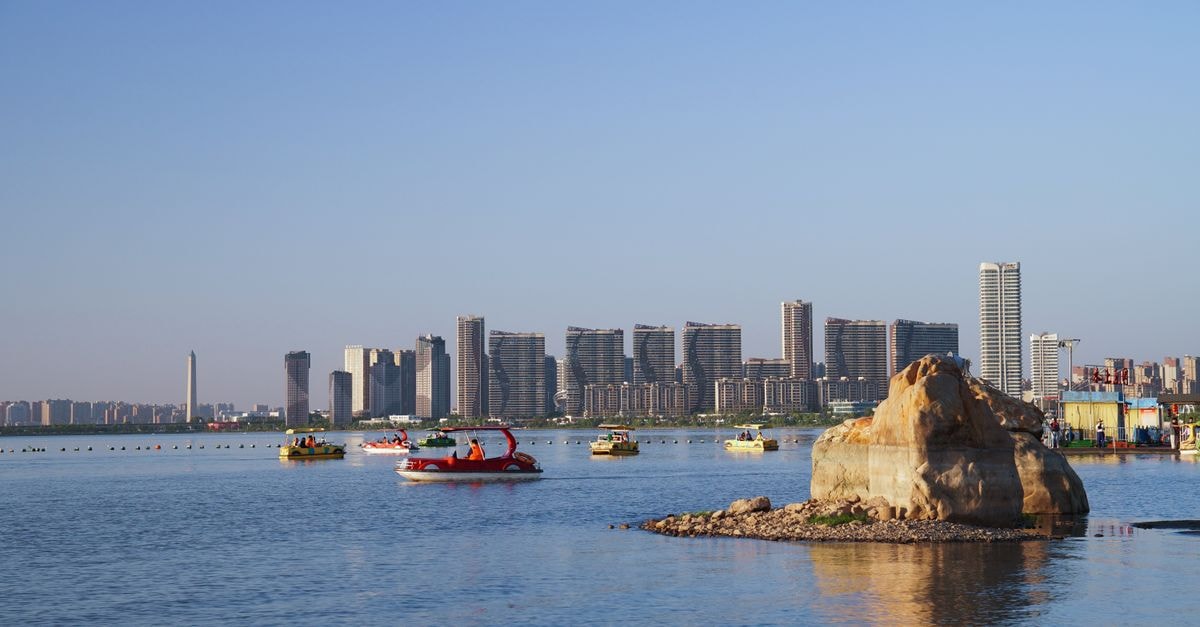
Tucked into the southern slopes of the Daba Mountains in northeastern Sichuan, Bazhong carries the layered identity of a place shaped by both ancient and modern history. Visitors approaching this prefecture-level city today find a destination that pairs its scenic mountain setting with a quiet cultural weight — the legacy of the ancient Ba Kingdom and the memory of a pivotal revolutionary chapter in twentieth-century China. Travelers seeking destinations off the well-trodden Sichuan circuit will find Bazhong a place where history feels less curated and more lived-in.
Because Bazhong sits where foothills rise into the Daba range, the city has long drawn people for reasons beyond the everyday. Its story stretches from the early Ba culture, which flourished in this region of China centuries ago, through to its role as the headquarters of the Fourth Front Red Army during the civil war era of the 1930s. That long arc gives the modern city a dual character — part mountain gateway, part open-air archive of red culture and Ba heritage.
Weather and seasonal context
Because the city sits at the southern foot of the Daba Mountains, the surrounding terrain also influences how weather is felt on the ground. Mountain valleys tend to funnel cloud cover and intensify rainfall, so a clear morning can shift into a wet afternoon more quickly than visitors used to flatter terrain might expect. Building some flexibility into a day here — keeping an indoor option in mind, or treating rainy stretches as a pause for tea, a museum stop, or a longer meal — tends to suit the rhythm of the place. The city itself, while modest in scale, offers enough sheltered corners that a rain shower rarely derails a thoughtful itinerary.
Getting around and understanding the geography
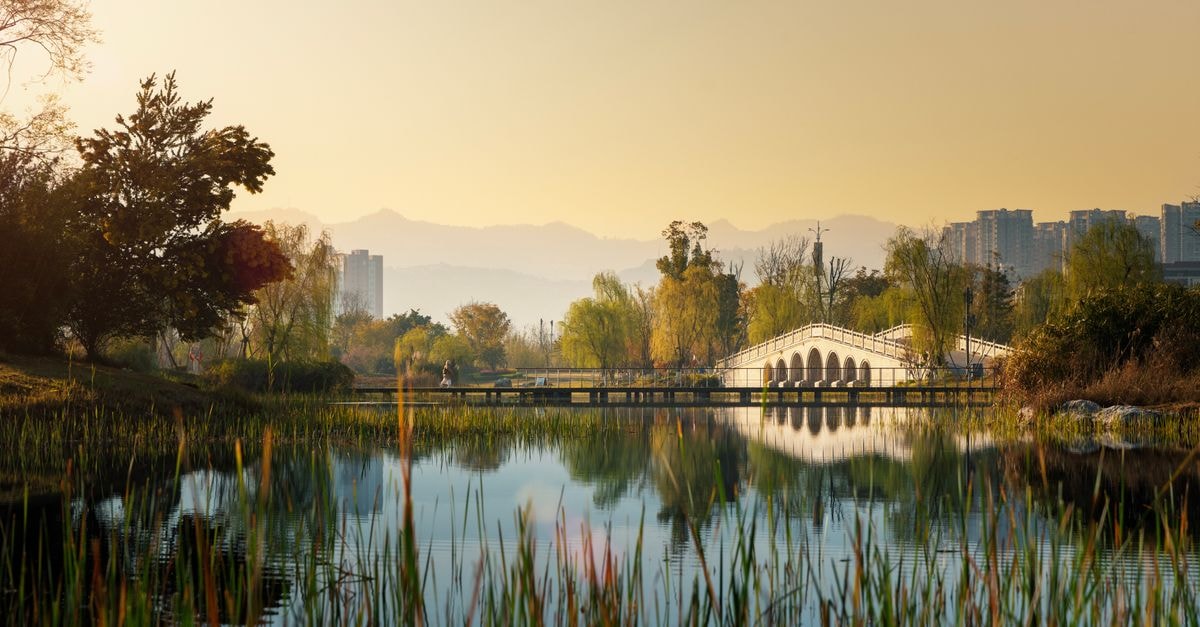
Bazhong's identity is inseparable from its geography. The city rests at the southern foot of the Daba Mountains, a position that has shaped everything from its early role as a center of the ancient Ba Kingdom (roughly 600–316 BC) to its twentieth-century significance as the headquarters of the Fourth Front Red Army during the civil war period of the 1930s. Understanding that mountainous setting helps explain why the city feels both compact and outward-looking at once — the urban core sits within view of forested slopes that pull the eye beyond the rooftops.
For visitors, the practical upshot is that Bazhong rewards travelers who treat it as a base for slow exploration rather than a checklist of sights. The blending of history, red culture, and natural landscape that defines the area is best appreciated with time to move between sites, pause for the views, and absorb the layered stories each location carries. Within the city, distances are manageable, but the surrounding terrain means that getting to the more scenic and historically significant points in the broader prefecture naturally takes longer than a stroll.
Red heritage and Ba culture in conversation
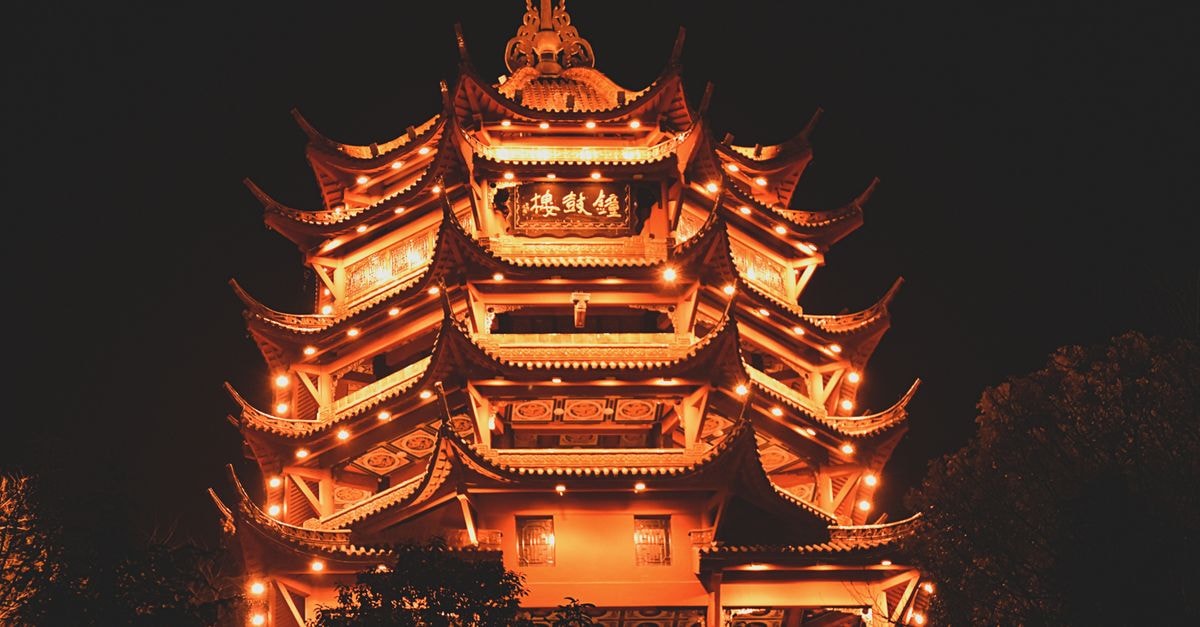
What makes Bazhong genuinely distinctive is the way two distant eras — the Ba culture of antiquity and the revolutionary period of the 1930s — sit alongside each other in the same landscape. Travelers interested in either thread will find the city offers a coherent setting to follow that interest. The Ba Kingdom roots give the area its deep regional identity, while the later chapter as part of the Sichuan-Shaanxi Revolutionary Base gives it a more recent historical resonance that is still visible across the city and surrounding areas.
Together, those layers explain why the broader area is described as a place that blends rich history, red culture, and natural landscapes so seamlessly. Visitors who arrive with an interest in Chinese revolutionary history will find sites and relics tied to that period, while those drawn to earlier regional cultures can trace the Ba connection through local museums, place names, and the broader cultural framing of the city. Either way, the mountain setting is part of the experience — the same Daba foothills that framed life for the ancient Ba people also framed the movements of twentieth-century history.
Food and local context
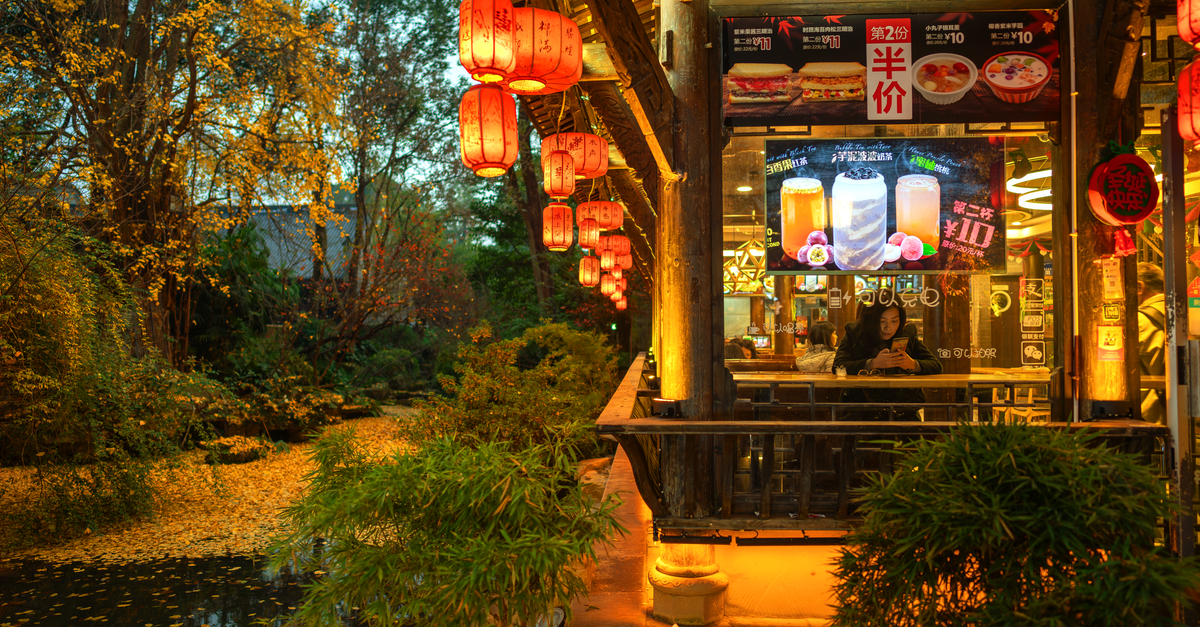
Bazhong sits within a country where food culture is taken seriously and treated as part of national identity. Eating in China is widely regarded as one of life's great pleasures, and the country is recognized for having one of the world's most varied and celebrated cuisines. For visitors, this means that meals anywhere in Bazhong are approached with the same care and ceremony that defines Chinese dining more broadly.
Chinese dining also carries a long history of ritual and etiquette, which shapes how meals are shared and enjoyed. Visitors to Bazhong will encounter this wider cultural context in everyday settings — the way a meal unfolds, the importance of sharing dishes, and the social rhythms that frame eating together. Understanding that food in China is treated as both nourishment and a meaningful cultural practice helps visitors approach local meals with the right frame of mind, regardless of whether the setting is a simple neighborhood spot or a more formal gathering.
Travel in China more broadly spans intangible crafts, cuisine, street life, and ritual, and reflects a heartfelt cultural resonance beyond simple sightseeing — a frame that visitors can carry with them into everyday meals and neighborhood encounters in Bazhong. Because Bazhong's own specific culinary specialties, signature restaurants, and market culture are not detailed in the available evidence, travelers curious about what to eat on the ground are best served by treating the city's food scene as an expression of this broader Chinese context and being open to discovering local flavors in the moment rather than expecting a preset checklist.
A final note before you go
Bazhong is the kind of destination that rewards travelers who arrive curious rather than over-scheduled. Its mountain setting, its red heritage sites, and its deep Ba cultural roots give it a sense of place that is hard to find in busier Chinese cities. Plan with flexibility — especially around the rainy season — and let the layered history of the place unfold at its own pace.
Travel conditions, weather patterns, and site details can change, so it is always wise to confirm current information through official channels before departure. The facts in this guide reflect the durable character of Bazhong rather than any single moment in time, and they should serve as a starting point for a trip shaped by your own discoveries on the ground.
Share this article
TOOLS FOR THIS PLAN
Make the Bazhong plan measurable
Choose a tool only when it answers the next question in your trip. Your values stay in the browser, and each tool offers a route back to this planning context.