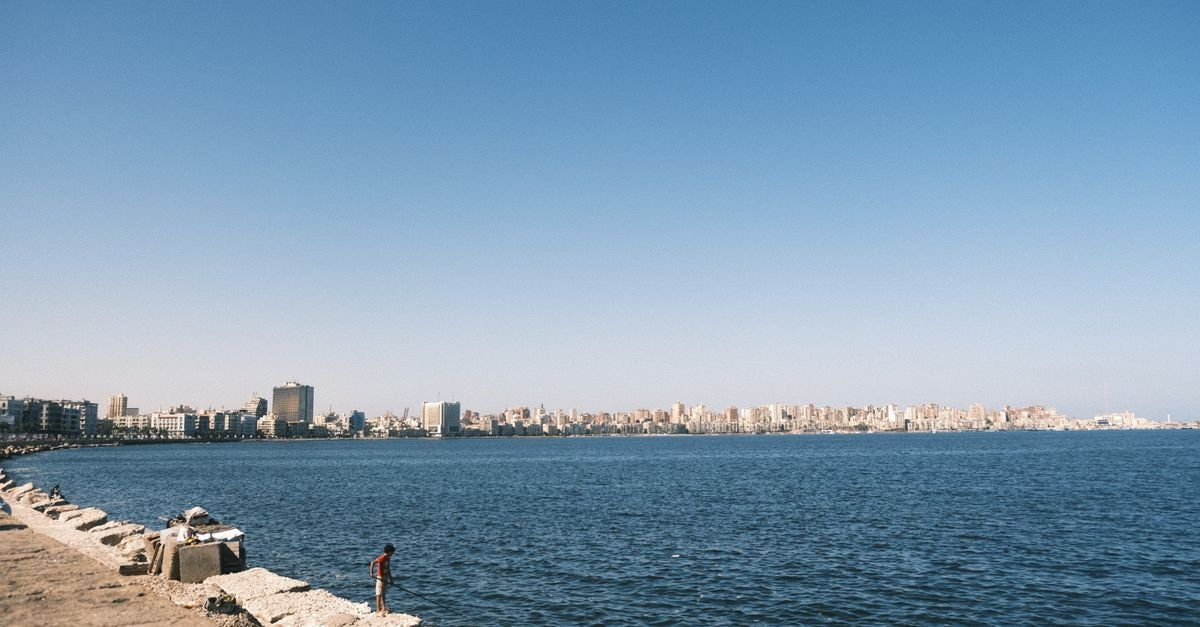
A first look at Benghazi

Benghazi sits on Libya's eastern Mediterranean coast as the country's second-largest city, a port town with a layered history and a working harbour rhythm. Visitors arriving here often come with a sense of curiosity about a place that does not always show up on the usual travel radar, and that sense of stepping slightly off the well-trodden path is part of the appeal. The city has long drawn travellers interested in historic Libyan sites, and there is a quiet pleasure in simply walking through neighbourhoods that feel lived-in rather than curated.
This guide keeps things grounded in what is reliably known and useful, with no attempt to dress up uncertainty as confidence. Where specific details would need to be checked on the ground, that is what the final note at the end of the article is for.
Getting around
Understanding how Benghazi moves is one of the first practical things to sort out, and the picture here is fairly straightforward once you know what is and is not available.
There is no metro or tram network in Benghazi, so visitors should not expect the kind of rail-based urban transport found in larger European or North African capitals. That absence actually shapes how most people get around, leaning heavily on road-based options instead.
For airport arrivals, the city's airport is the main gateway, and there are dedicated airport transfer and shuttle services operating in Benghazi that offer affordable ways to reach the city centre. These services are positioned as a quality option for travellers who want a simple, pre-arranged ride rather than negotiating on arrival. It is worth researching the available providers in advance and confirming a booking before landing, especially if you are arriving late or travelling with luggage.
Specialised tour buses in Benghazi are not open to visitors. That means the hop-on, hop-off style sightseeing buses common in more heavily touristed cities are not part of the local transport mix here, and travellers looking for that format will need to consider other ways to see the sights, such as private arrangements or guided tours booked independently.
In practice, most independent travellers in Benghazi rely on a combination of taxis, private hire vehicles, and pre-arranged transfers to move between the airport, their accommodation, and the places they want to visit. Because the city is laid out along the coast and key districts are reasonably concentrated, distances are often shorter than they look on a map.
Attractions and planning
Benghazi is treated as a gateway to Libya's broader historic offerings rather than a city with a single headline sight, and the way tourism is presented locally reflects that.
For independent planning, the practical takeaway is that Benghazi works best as a city where you build a small list of priorities rather than racing through a checklist. A relaxed pace, with time set aside to wander, sit in a café, and absorb the harbour-side atmosphere, tends to suit the city better than a tightly packed schedule.
Because specialised tour buses are not open to visitors and on-the-ground transport requires some pre-arrangement, doing a little homework before you arrive pays off. Reaching out to a local guide or operator in advance, confirming what is currently accessible, and clarifying the logistics of any planned excursions will save a lot of friction once you are on the ground.
Food and local context
Eating in Benghazi is one of the more enjoyable ways to feel the city's character, and the food scene reflects both its coastal setting and its place within wider Libyan culture.
Because Benghazi is a coastal city, the local food culture may include more seafood than is typical in inland Libyan towns. That is not a hard rule, but it is a useful piece of context when you sit down at a restaurant and look at the menu, where fish and shellfish dishes tend to have a natural prominence.
Across Libya, all food is halal, which shapes how restaurants operate throughout the country, including in Benghazi. Visitors who are used to scanning menus for specific preparations or asking about ingredients will find that halal is the baseline rather than a special request, simplifying some of the usual on-the-road decision-making.
It is worth remembering that Benghazi's dining scene is best approached as part of the wider Libyan food context rather than a standalone culinary destination. Meals here tend to follow regional Libyan patterns, with seafood given extra room thanks to the coastline, and hospitality that leans towards generous, family-style portions.
A few practical points help. Restaurant choices and quality can vary, and there is no single ranked list to rely on, so asking locally, checking recent visitor feedback where available, and being open to recommendations from your accommodation or guide tends to lead to better meals than picking at random. As with many cities in the region, lunch is often the main social meal, while evening dining can start later than visitors from further north might expect.
A note on costs and budgeting
Because the available evidence does not provide a clear, scope-defined daily budget figure for Benghazi, this guide intentionally avoids quoting a specific per-person daily range. Costs vary widely depending on the type of accommodation chosen, whether you book guided excursions, and how often you rely on paid transport versus walking or pre-arranged transfers.
The honest approach is to plan a flexible budget, set aside a buffer for guided tours and private transport, and confirm current prices locally before committing to anything significant. Where the airport transfer services are described as affordable in the available information, that is a useful starting reference point rather than a fixed figure you can bank on without checking.
Planning your visit thoughtfully
A successful visit to Benghazi usually comes down to matching expectations to what the city actually offers. This is a working Libyan port city with deep history and a strong sense of place, not a polished tourist enclave, and arriving with that frame of mind tends to make the experience richer.
Build in some flexibility for the fact that Libya, including Benghazi, can present practical surprises, from transport availability to opening patterns at certain sites. Travellers who treat their itinerary as a starting point to be refined on the ground rather than a fixed script generally have a smoother time.
Connecting with a reputable local operator early, whether for airport transfers, city tours, or broader excursions to historic Libyan locations, is one of the highest-leverage things you can do before the trip. It addresses several of the practical gaps that the lack of public rail transport and visitor-facing tour buses creates, and it puts a knowledgeable contact within reach once you arrive.
Finally, keep in mind that travel conditions in Libya can shift, and the practical details covered here reflect what is reliably known rather than what may have changed since this guide was written. Official channels, current travel advisories, and up-to-date operator information should always be checked before departure.
Share this article
TOOLS FOR THIS PLAN
Make the Benghazi plan measurable
Choose a tool only when it answers the next question in your trip. Your values stay in the browser, and each tool offers a route back to this planning context.