A slow-Liaoning kind of city

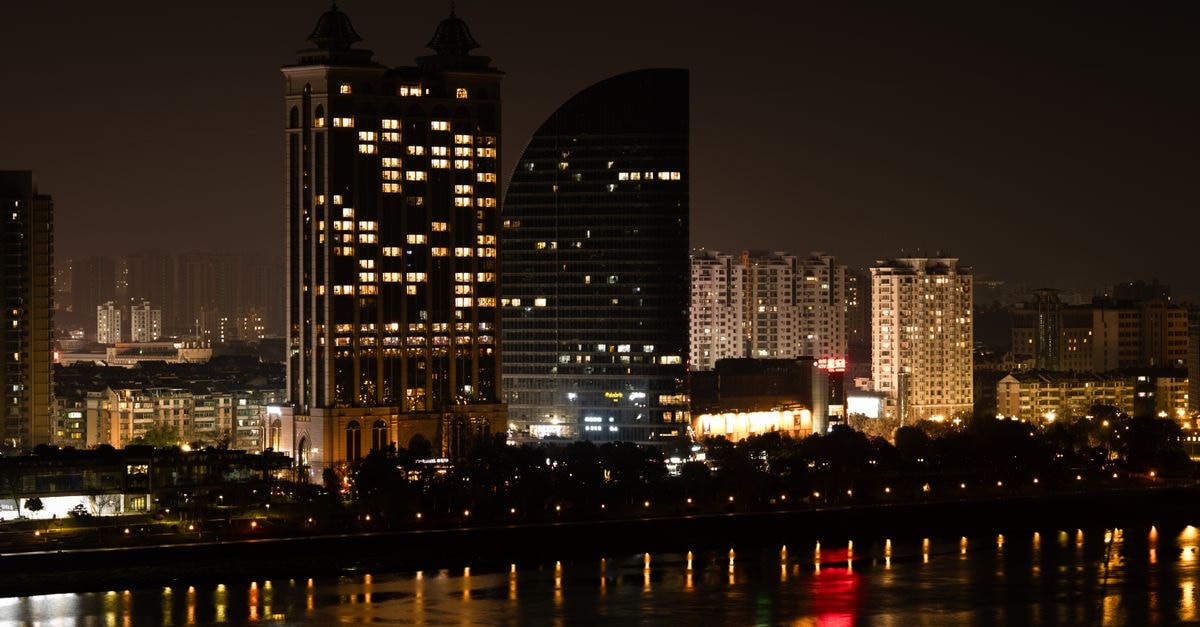
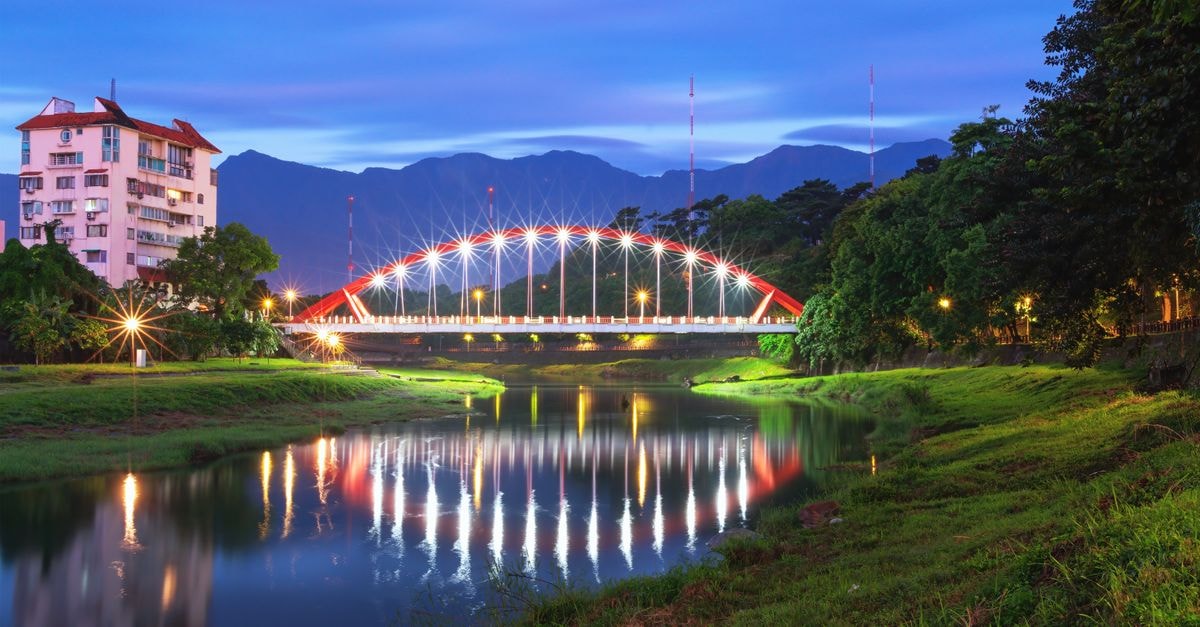
Benxi sits in the forested hills of eastern Liaoning, and it wears that setting lightly. The pace feels a little softer than nearby Shenyang, the air often carries a green freshness, and there is a quiet sense that the city was built as much around its rivers and mountains as around its streets. For a traveller who likes the idea of a small Chinese city where nature is part of the everyday rhythm, Benxi makes a thoughtful pause on a longer northeast itinerary.
This guide keeps things evergreen and grounded, focusing on the details that hold up well across seasons: the kind of base that puts the scenery at your window, how the city connects to its surroundings, and the riverside food culture that locals actually talk about. Where a detail would need fresh checking before you rely on it, it is left out rather than guessed at.
Where to base yourself
Because Benxi leans so heavily on landscape, the most useful first decision is where you sleep. One option that several visitors choose is Baojinggong Swan Lake Hot Spring Hotel, which is recommended for travellers who want scenic views as the headline amenity. In a city shaped around hills, rivers and reservoirs, that kind of positioning matters: you can step straight from breakfast into a view, rather than treating nature as something you have to travel to.
If a lake-and-hot-spring resort is not your style, it is worth thinking about the same trade-off in any alternative you book. Do you want to wake up inside the scenery, or do you prefer a more central base and to travel out each day? Both are reasonable, but they create very different rhythms for the same trip.
Weather and seasonal context
There is no fresh, month-specific weather data in this guide's evidence, so the smartest approach is to plan for Benxi's general climate rather than a fixed forecast. Eastern Liaoning typically has cold, snowy winters and warm, humid summers, and the surrounding forested hills can make conditions feel a little cooler and damper than the central plains. Pack with that in mind: layers rather than a single warm-weather wardrobe, a light waterproof, and shoes that cope with trails and riverside paths as well as city pavements.
In warmer months, days often feel easier with a slower pace, a long lunch, and an afternoon shaded break before heading back out. In colder months, daylight is shorter and the hot-spring angle of the city becomes more appealing. Treat climate as a pacing tool rather than a checklist.
Getting around
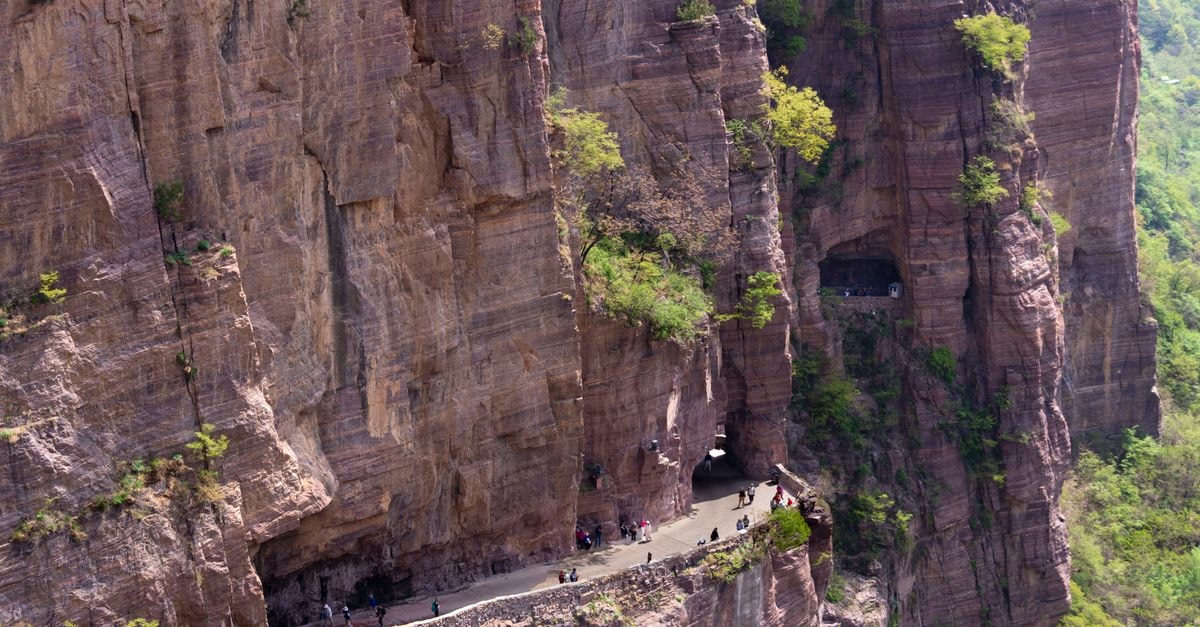
The practical transport note worth carrying with you is simple. Wunü Mountain is only about 15 km from the county, which makes it realistic to combine with other plans on the same day without committing to a full separate excursion. That short distance is one of the most useful pieces of geography in the area, because it means you can fold a mountain visit into a loose day rather than treat it as a project.
Within the city itself, taxis and ride-hailing are the easiest options for visitors who do not want to think too hard. For the short hop to Wunü Mountain and similar nearby spots, a taxi or arranged driver tends to be the most relaxed way to go. Treat any bus details as something to confirm locally before you set out, as routes and timings in smaller Chinese cities can shift.
Food and local context
The dish most worth knowing about by name is "Hun River Rainbow Trout", served best at riverside restaurants and quoted at around ¥48 for a whole fish. That single price point and venue cue is the most concrete piece of food information available here, and it lines up nicely with the broader rhythm of the city: a river, a meal, a view.
It also helps to step back from Benxi for a moment and read the food culture you will be stepping into. Across China, eating is treated as one of the great pleasures of daily life, and Chinese cuisine as a whole is considered one of the world's most varied. Chinese dining has developed alongside a long history of ritual and etiquette, which is part of why shared dishes, chopsticks and a steady flow of small plates feel so normal at the table. None of this is specific to Benxi, but it is the wider context you will notice the moment you sit down with locals.
A few grounded pointers for eating well here:
- Head to riverside restaurants rather than generic chains when you want the trout, as that is where it is said to be at its best. - Let the menu guide portion sizes; shared dishes usually arrive faster and fresher than separate plated meals. - Keep the day loose around meals rather than rushing between sights, which suits both the climate and the city's rhythm.
Pacing your days
Because the city is compact and the scenery is the main draw, a comfortable rhythm is more useful than a packed schedule. One scenic base, one mountain or river outing with a meal attached, and a slower middle of the day usually covers Benxi well. The short distance from the city to Wunü Mountain means you do not need to compress everything into a single dawn departure.
Think in terms of layers of the day rather than a checklist: a morning view, a midday meal, an afternoon walk or rest, and a softer evening. That is the kind of trip Benxi rewards, and it is also the kind of trip the weather and the food both support.
Practical note before you go
Details such as transport routes, opening hours and prices can change, and the figures used here are meant as orientation rather than a live quote. Before you travel, confirm current conditions through official tourism channels, your hotel, or a local contact, and check the live exchange rate if you are converting from a non-renminbi currency. Travel well, and let Benxi unfold at its own pace.
Verification note
This guide was prepared from a limited approved factual ledger covering Benxi transport, weather context and food, supported by wider Chinese cultural context. Several standard travel subjects, including detailed attractions lists, ticket prices, transport timetables and verified monthly weather, are not covered by the available evidence and have therefore not been included. Travellers should verify any time-sensitive detail through official sources before departure.
Share this article
TOOLS FOR THIS PLAN
Make the Benxi plan measurable
Choose a tool only when it answers the next question in your trip. Your values stay in the browser, and each tool offers a route back to this planning context.