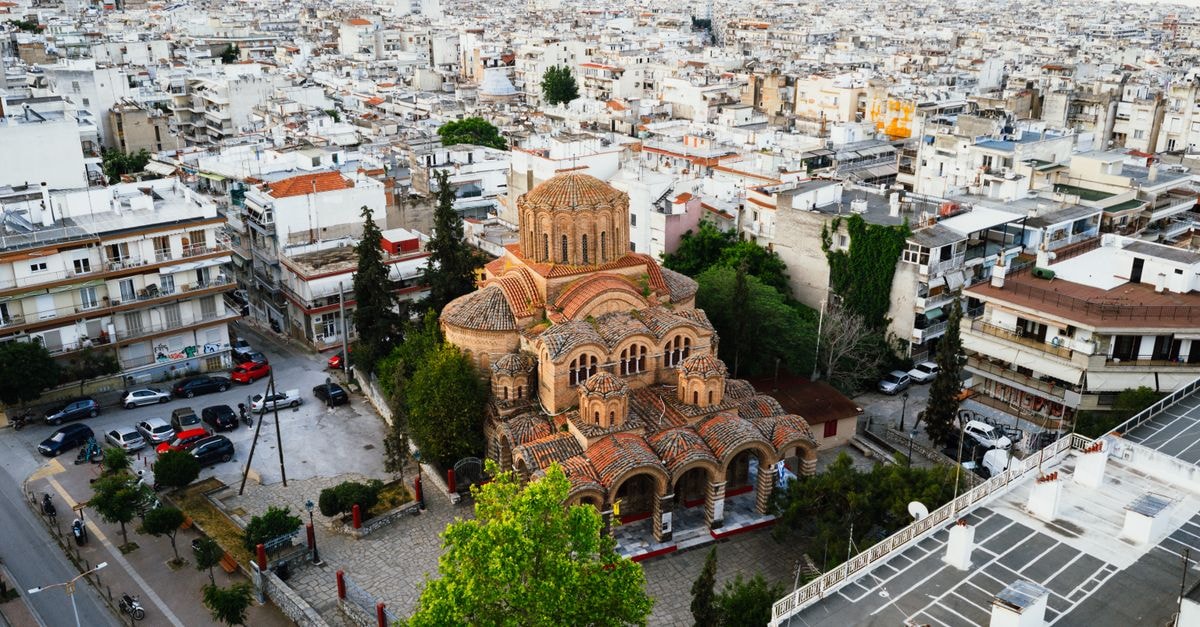
Where stone walls lean over a slow river

Tucked into southern Albania, Berat has a way of catching visitors before they have even unpacked. The old town climbs in tiers above the Osum River, whitewashed facades stacked like cards so that sunlight seems to bounce from window to window. It is the source of the city's poetic nickname, "City of a Thousand Windows," and a first look from the riverbank is usually all it takes to understand why travelers linger here longer than planned.
Berat is small enough to explore on foot, layered enough to reward a slow day, and steeped in the kind of Ottoman character that has survived centuries of change. Because the city is built on a hillside, the experience is less a checklist of sights and more an unhurried climb through lanes, courtyards and lookout points. The guide below gathers the most useful grounded advice for making that climb a pleasure rather than a workout.
Weather and seasonal context
Berat sits in a region of southern Albania known for its distinct cultural and natural rhythm, and the city rewards visitors who plan around the sun rather than against it. One realistic detail every traveler should know: the historic centre asks for **steep uphill walks over centuries-old stone cobblestones**, so sturdy footwear and a willingness to pause often matter as much as a map.
Even outside of peak summer, Berat can feel warm by midday and cooler in the shaded lanes along the river. A natural rhythm tends to emerge on its own: mornings for the higher viewpoints, the middle of the day for indoor stops or a long lunch, and late afternoon for the soft light that drifts across the white facades. Pacing the day this way keeps energy steady and turns the climbs into a feature rather than a strain.
If dramatic photographs are part of the plan, late afternoon is the sweet spot. Standing on the **Gorica Bridge (Ura e Goricës)**, an 18th-century stone span over the Osum, the wide-angle vista of Mangalem's Ottoman rooftops reflecting in the river is one of those images that almost takes itself. The light is gentle, the bridge is quiet, and the famous panorama earns its reputation without the need for crowds.
For travelers sensitive to heat or those who simply prefer a gentler pace, consider an early start before the cobblestones warm up, and a longer rest in the afternoon. Choosing shaded cafés and indoor cultural stops for the middle of the day can make the whole experience feel calmer.
Getting around
Berat is best handled on foot, and that is part of its charm. The historic core is compact, the river crossings are short, and most lanes reward wandering rather than routing. The hill, however, is unavoidable. The same centuries-old stone cobblestones that give the city its character also demand a slower step, especially when carrying a daypack or camera gear.
If driving into the city, plan to leave the car and explore on foot; the older quarters are not designed for fast traffic, and the views are best appreciated at walking speed. Within Albania more broadly, the country has a growing reputation for its wines, and Berat is part of that story. Two indigenous grape varieties worth asking about at a local restaurant or wine bar are **Kallmet, a robust red from a dark-skinned grape unique to Albania**, and **Shesh i Zi, a lighter and fruitier option**. Treating an evening tasting as a relaxed end to a day of climbing is a natural fit for the slower pace Berat encourages.
Attractions and planning
One honest warning belongs here: **the castle quarter has very little shade**. Stone walls and open courtyards can feel exposed in the middle of the day, particularly when the sun sits high. The most comfortable approach is to time the climb around the cooler hours.
For those visiting during the warmer months, the local guidance is straightforward: **go up early, or wait until after six in the evening, and leave the middle of the day to the Onufri Museum**. The museum's cool interior and remarkable icon collection reward a slower midday visit, and stepping back out into the lanes after the heat has eased makes the upper quarter feel entirely different. Outside of high summer, the same rhythm still works, simply with a lighter jacket in the evening instead of a sun hat at noon.
A practical day might shape up like this without being a fixed itinerary: a morning ascent of the castle quarter while the light is fresh, a descent into the museum and a long lunch as the day peaks, an afternoon pause by the river, and a golden-hour walk back out onto Gorica Bridge for the view that anchors the whole trip.
Choosing what fits your trip
Berat suits travelers who are happy to trade checklist sightseeing for atmosphere. If your idea of a great day is a slow climb, a museum stop timed to the shade, and a glass of local wine as the light turns amber over the river, the city will feel hand-measured for you. If you prefer a destination with extensive public transport, beachfront energy, or a packed nightlife calendar, Berat may feel quieter than expected, and pairing it with a few days elsewhere in Albania could give a trip better balance.
The tradeoffs are real but gentle: the steep cobbled climbs and limited shade reward planning, while the compact centre, presence on foot, and evening light reward patience. Visitors who come for the architecture and stay for the rhythm tend to leave with the strongest impressions.
A short note before you go
Factual details such as museum hours, ticket prices, and transport options can change, so it is worth checking official channels before traveling. The Gorica Bridge viewpoint and the castle quarter are public spaces, while museum entries and any ticketed sites are best confirmed directly. Currency and payment habits can also shift, and live rates should be checked close to departure. Berat is a forgiving city to visit, but a small amount of pre-trip verification turns a good trip into a smooth one.
Share this article
TOOLS FOR THIS PLAN
Make the Berat plan measurable
Choose a tool only when it answers the next question in your trip. Your values stay in the browser, and each tool offers a route back to this planning context.