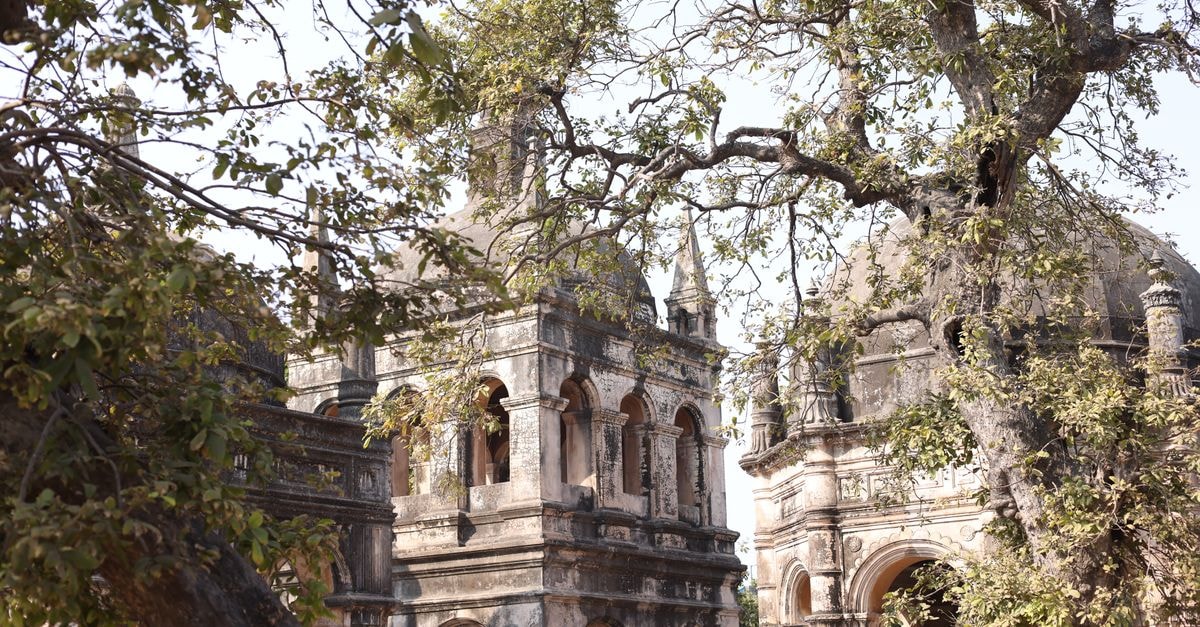
Setting the scene in Bida

Bida sits in Niger State as a historic city with a reputation for traditional craftsmanship and a layered cultural identity. The feel of the town is shaped less by tourist gloss and more by working markets, artisan quarters, and the steady rhythm of community life. Visitors who appreciate places where heritage is still practiced rather than simply displayed tend to find that quality compelling, and the variety of local skills is part of what gives Bida its character. A traveler planning time here usually balances cultural curiosity with very practical questions: how to arrive, what to see, and what to expect from the food and the climate. This guide gathers the durable, city-anchored information that helps shape those answers.
Weather and seasonal context
The climate context for Bida is built from long-term weather data rather than any single forecast. One weather-and-climate source groups Bida's year into travel-score bands, and notes that the best window for hot-weather activities runs from mid-November through early February. That same kind of source frames the rest of the year as less favorable for sun-focused plans, though the city itself is visitable across many months. A separate historical weather record for Bida, drawn from decades of reanalysis data, reinforces the idea that travelers should expect a tropical rhythm with consistently warm conditions, and that any month can bring heat rather than cool relief.
For practical planning, the takeaway is gentle rather than absolute: outside the mid-November to early February window, visitors may find the heat more demanding on slow walks, open-air market visits, and waterfall excursions. Consider pacing the day differently, with early-morning outings and a long midday rest, and save heavier exploration for the cooler late afternoon. Travelers who prefer steady heat for pool or river-side time may find those conditions easier to match during the cooler window; if you prefer a quieter, less touristic feel at other times of year, a measured pace and hydration routine help the trip feel comfortable.
Attractions and planning
Bida is introduced in destination references as a historic city in Niger State known for its rich cultural heritage and traditional craftsmanship, and that framing sets the tone for sightseeing. A nature-and-adventure listing highlights Zungeru Waterfalls, located in Niger State, as a notable landscape feature with a brief mention of its historical resonance and broad appeal to visitors. The source describes the falls as a breathtaking natural landscape, without committing to access details, fees, or seasonal conditions, so a traveler should treat any specific visit information as something to confirm locally rather than as a guarantee.
Beyond Zungeru Waterfalls, the city's character is its real anchor: the working craft culture, the historic urban footprint, and the everyday market scenes. Visitors with a preference for places where traditional skills are part of daily life, rather than staged demonstrations, often appreciate that quality in Bida. Travelers who prefer a more curated attraction list with marked trails and ticketed entrances may want to balance those expectations; consider pairing self-guided exploration of the craft quarters with at least one verified nature stop, and confirm opening hours, access routes, and any local guidance with current sources before setting out.
Food and local context
A short local-profile note on Bida describes the people of the city as known for their love of good food and drink, situating eating and hospitality as part of the city's social fabric. This is a useful anchor for understanding mealtimes as a feature of a visit rather than a checklist item. A regional travel reference for Bida reinforces the same seasonal framing already noted for the weather, repeating that mid-November through early February is presented as the ideal time of year for hot-weather activities, which indirectly shapes how comfortably visitors may sit through long, leisurely meals outdoors or explore food markets at a relaxed pace.
Wider Nigerian food culture offers visitors a familiar reference set: shared plates, peppery soups, rice and stew combinations, grilled and smoked proteins, and a strong street-food presence in many towns. In Bida specifically, the food identity is best approached as part of the broader Niger State and northern Nigerian table rather than as a fixed list of named dishes tied to specific venues. Travelers who enjoy sampling local kitchens through small, casual stops may find that approach rewarding; visitors who prefer a known menu and predictable portions should consider asking locally about current options, since the approved factual base does not pin specific restaurants, prices, or signature dishes to the city.
Choosing what fits the trip
A short synthesis helps tie the practical pieces together. The strongest fit for Bida is a traveler who values heritage craft, is comfortable with a tropical climate, and is happy to use the local airport referenced as DNBI as one anchor among several transport options. Mid-November through early February is the documented window for hot-weather comfort, so visitors who specifically want sun-and-water time may want to favor that period, while those drawn to cultural texture and quieter rhythms can find value across other times of year with a slower pace. Zungeru Waterfalls offers a documented nature anchor, and the broader craft and market life fills in the rest of the experience. Visitors who need a tightly scheduled, fully ticketed itinerary with confirmed reserved tours may want to plan additional verification steps before committing to specific days and times.
A note before you go
Factual travel conditions can change, and official channels should be checked before departure.
Share this article
TOOLS FOR THIS PLAN
Make the Bida plan measurable
Choose a tool only when it answers the next question in your trip. Your values stay in the browser, and each tool offers a route back to this planning context.