A first impression of Bindura

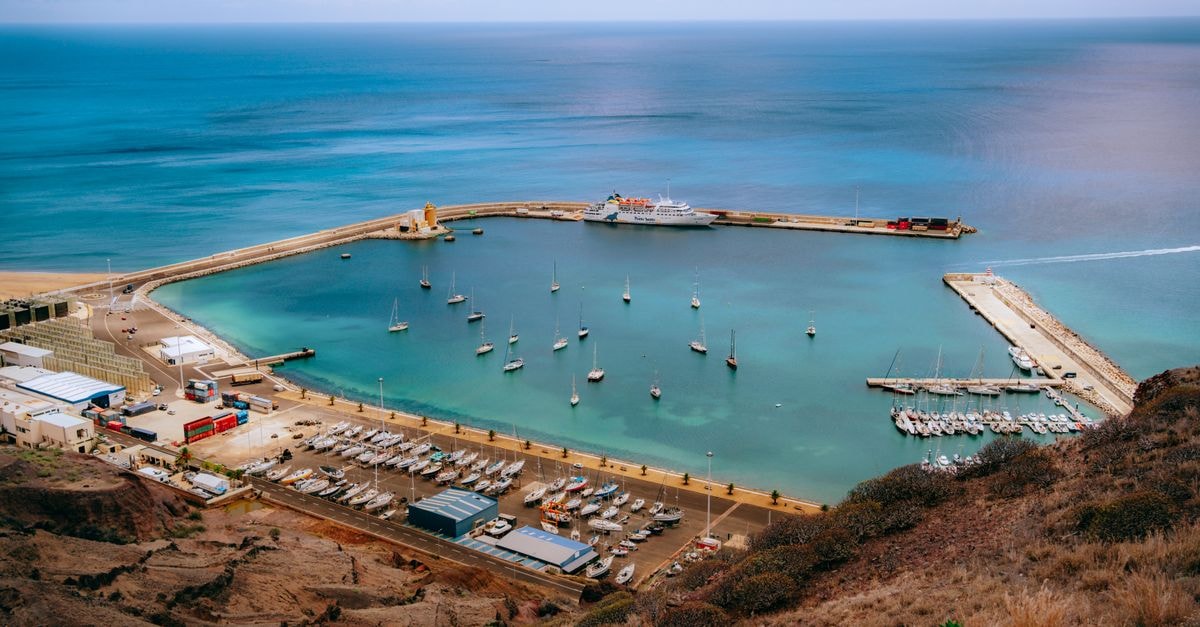
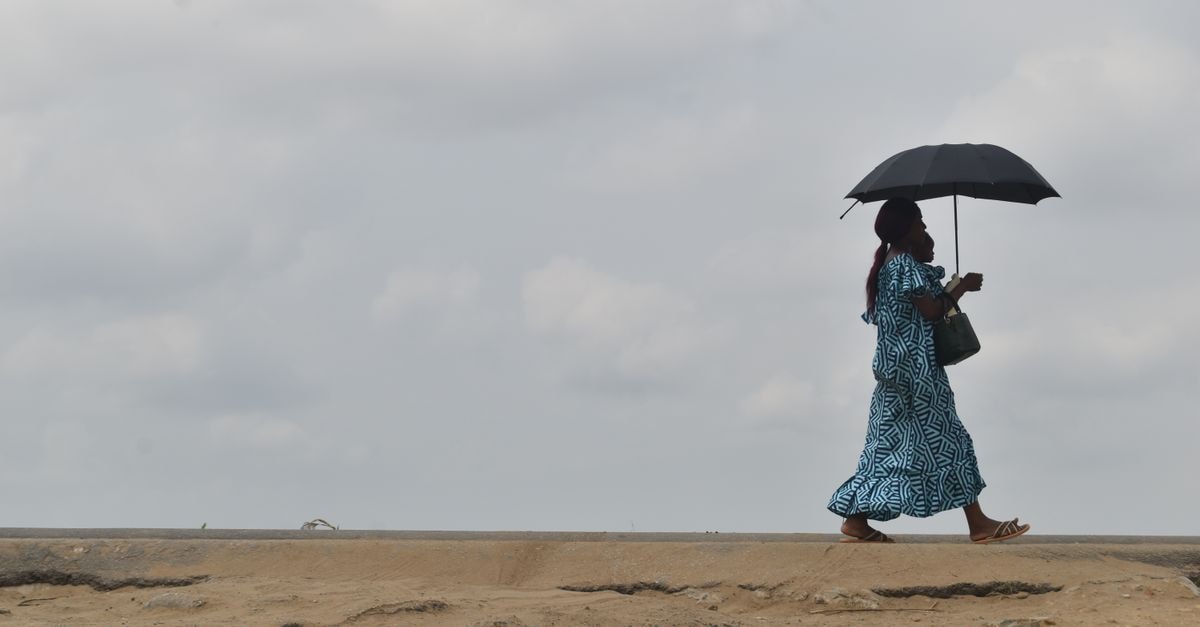
Bindura sits as the administrative capital of Mashonaland Central Province, and that single phrase goes a long way toward explaining the feel of the town. It is a working provincial center rather than a polished tourist resort, and visitors who appreciate that rhythm tend to settle into it quickly. The town is recognized for its history and for the surrounding landscapes that have shaped daily life here for generations, giving it a character that rewards travelers curious about the texture of inland Zimbabwe rather than headline attractions [F4-1]. If you are the sort of traveler who prefers a quieter base, a bit of breathing room, and a sense that you are in a real working town rather than a curated stop, Bindura can feel like a refreshing change of pace.
Weather and seasonal context
Any honest Bindura travel guide has to start with the climate, because elevation shapes everything else here. The town sits at a notable elevation, and that altitude keeps conditions cooler than many travelers expect from an inland African destination. Historical climate readings put average temperatures around 16°C, with average humidity sitting near 75% and very light average wind speeds around 3 km/h [F1-1, F1-2]. Those numbers suggest a climate that is generally mild rather than hot, and that can make walking around town feel comfortable rather than draining for much of the day.
Because evergreen city guidance can only reflect what the climate record supports, you may want to verify current conditions closer to your trip rather than relying on averages alone.
Getting around
Bindura is a relatively compact provincial town, and getting around is straightforward once you understand the basic rhythm of local movement. Public transport here runs primarily on buses and minibuses, which locals commonly call kombis, and the network is functional rather than extensive, with a modest overall score for public transit coverage [F2-2]. For a short visit, that often translates into a mix of walking for nearby stops and hopping on a kombi when a destination sits a little further out.
A few practical habits are worth building in. One local travel source notes that travelers should avoid walking alone at night and keep valuables secure [F3-2]. The takeaway is that the usual low-key precautions, like being mindful of your belongings after dark and being aware of your surroundings when stepping off a kombi, are sensible additions to your routine. If you prefer not to rely on shared transport at all, arranging a private driver for the day is a reasonable alternative for travelers who value door-to-door convenience.
Attractions and planning
The cultural core of any Bindura visit is, quite naturally, the Bindura Museum. It is described as a hidden gem that offers a glimpse into the rich cultural and historical heritage of Mashonaland Central, which makes it a natural anchor for a short stay [F5-1]. For travelers interested in regional history and the story of the province, the museum gives a focused introduction without requiring a full day. Give yourself unhurried time there rather than treating it as a quick stop; the exhibits reward a slower look.
The wider provincial context matters too. Mashonaland Central as a region is recognized for its picturesque landscapes and cultural heritage, and Bindura serves as the natural base for exploring that wider setting [F4-1]. Travelers who like pairing small-town sightseeing with a sense of the surrounding countryside will find that the town lends itself to a more contemplative pace than a checklist approach.
For timing, the dry-season window, generally running from May through October, is typically framed as the best time for visiting the museum and moving comfortably around the area [F5-2]. If your schedule is flexible, that broader window is worth aiming for. If you are visiting outside it, the museum remains a year-round cultural anchor, and you can still build a meaningful day around it.
Choosing what fits your trip
Because Bindura rewards a particular kind of traveler, it helps to be honest about what kind of trip you actually want. If you enjoy slow-paced cultural sightseeing and want a base that feels like a real provincial town rather than a resort, the combination of the Bindura Museum, an easy climate, and manageable local transport tends to fit well. Travelers who prefer structured daily itineraries with a long list of mapped stops may find the town's compact scale a little modest, and they may want to balance a Bindura stay with time in larger cities. If independence and flexibility matter to you, the simple mix of walking and kombis, paired with basic evening precautions, generally suits a short independent visit.
A note before you go
Treat the climate figures, transit notes, and attraction descriptions here as a starting frame rather than a final answer. Local conditions, opening arrangements, and transport rhythms can shift, and a quick check with current local sources before you travel will help you plan with confidence.
Would it help to confirm the current admission setup and any seasonal hours for the Bindura Museum before you finalize your day?
Prices, opening hours, schedules, reservation rules, and local conditions can change; verify them through official channels before departure.
Share this article
TOOLS FOR THIS PLAN
Make the Bindura plan measurable
Choose a tool only when it answers the next question in your trip. Your values stay in the browser, and each tool offers a route back to this planning context.